
CDL Reinstatement After DUI in Texas: Court vs DPS Timing
Free to compare
Why Your Court Clearance Doesn't Start the CDL Restoration Clock
Texas operates two separate systems for CDL holders after a DWI conviction: the criminal court process under the Penal Code and the administrative DPS licensing process under the Transportation Code. Completing your court-ordered probation, DWI education, and community service satisfies the criminal case—but DPS maintains an independent CDL disqualification under federal Motor Carrier Safety Administration (MCSA) rules that doesn't begin counting down until DPS receives both court clearance documentation and SR-22 proof of financial responsibility.
Most drivers assume their one-year CDL disqualification period starts when the judge closes their case. It doesn't. DPS won't process your CDL reinstatement eligibility until the court files a Certificate of Discharge or Completion of Sentence with the state's criminal justice database and your insurance carrier files an SR-22 directly with DPS. If the court files your clearance on June 1 but your SR-22 doesn't reach DPS until July 15, your disqualification period begins July 15—not June 1.
This coordination gap adds 60 to 90 days to most CDL reinstatements because courts and insurance carriers operate on different filing schedules. Courts typically submit discharge paperwork within 30 days of case closure, but the paperwork must route through county clerks before posting to the DPS database. SR-22 filings submitted by carriers usually post to DPS within 3 to 5 business days, but many drivers don't initiate SR-22 filing until after their court case closes—creating the delay.

How Federal CDL Disqualification Differs From Your Regular Texas Driver License
Your Texas Class C driver license and your CDL follow different suspension and disqualification rules after a DWI. The Class C license faces an Administrative License Revocation (ALR) suspension triggered by your arrest under Texas Transportation Code Chapter 724, independent of your criminal case. The CDL disqualification is governed by federal FMCSA regulations codified in 49 CFR 383.51, and Texas applies those federal standards through Transportation Code Chapter 522.
A first DWI conviction in a personal vehicle results in a one-year CDL disqualification under federal law, regardless of whether the offense occurred while operating a commercial vehicle. If the DWI occurred while operating a commercial motor vehicle, or if you were transporting hazardous materials at the time, the disqualification extends to three years. A second lifetime DWI conviction results in permanent CDL disqualification—there is no reinstatement pathway after a second offense.
Your Class C license can be reinstated much earlier through Texas's Occupational Driver License (ODL) process. An ODL allows essential-need driving for work, school, or household duties during your ALR suspension period—but an ODL cannot restore or substitute for a disqualified CDL. Federal law prohibits operating commercial vehicles under any restricted or occupational license during a CDL disqualification period, even if your employer would allow it. Violating this prohibition results in immediate permanent CDL disqualification.

The Three-Entity Coordination Problem: Court, DPS, and Your Carrier
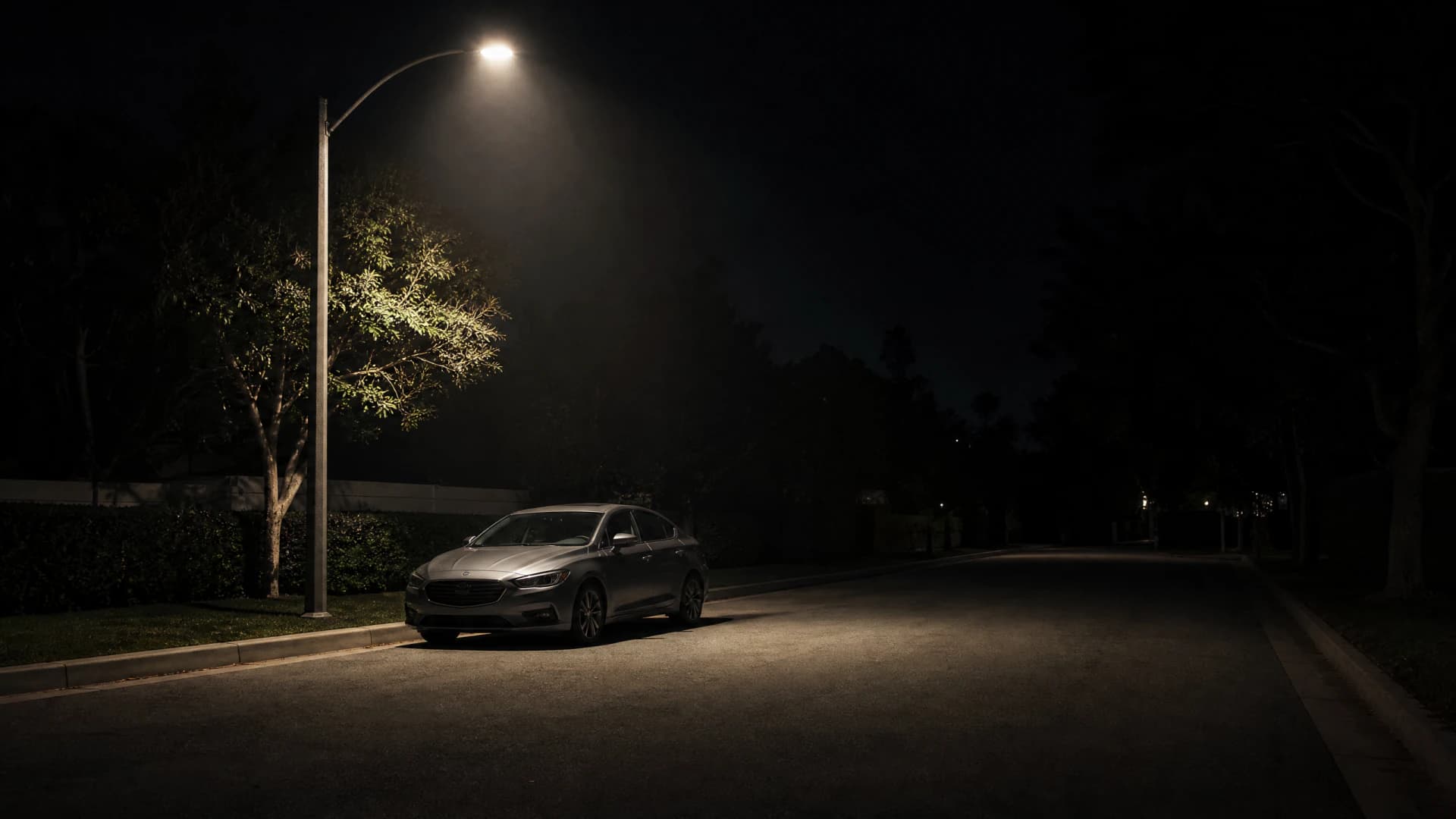
CDL reinstatement after DWI requires synchronized documentation from three separate entities that do not automatically communicate: the convicting court, the Texas Department of Public Safety Driver License Division, and your insurance carrier. Each operates on independent timelines, and none will notify you when another entity's filing is delayed or incomplete.
The court must file a Certificate of Discharge or final disposition with the Texas Department of Criminal Justice and the county clerk. That filing then posts to the DPS criminal history database, which the Driver License Division checks when processing reinstatement applications. Courts typically complete this filing within 30 days of case closure, but processing delays at the county level can extend that window to 60 days. You can verify court filing status by requesting a certified disposition from the county clerk—DPS will not process your application until that disposition appears in their system.
Your insurance carrier must file an SR-22 Certificate of Financial Responsibility directly with DPS. Texas requires SR-22 filing for all DWI-related reinstatements, and the SR-22 must remain active for two years from your reinstatement date under Transportation Code Section 601.153. Most carriers process SR-22 filings within 3 to 5 business days of your request, but DPS won't begin counting your disqualification period until both the court clearance and the SR-22 are on file simultaneously. Filing SR-22 before your court case closes doesn't accelerate the timeline—the clock starts when both documents are present.
DPS operates the reinstatement process administratively and does not coordinate filing status between the court and your carrier. If your court clearance posts to DPS on August 1 but your SR-22 doesn't arrive until September 15, your one-year disqualification period begins September 15. This is the coordination gap that extends most CDL reinstatements by two to three months beyond what drivers expect.
When Ignition Interlock Installation Affects Your CDL Timeline
Texas may require ignition interlock device (IID) installation as a condition of your Class C license reinstatement, depending on your blood alcohol concentration at arrest and whether this is a repeat offense. IID requirements apply to your personal vehicle and do not directly affect CDL disqualification periods—but they create a third filing requirement that delays full license restoration if not sequenced correctly.
If the court orders IID installation as part of your probation or DPS requires it for occupational license eligibility, you must complete installation and maintain the device for the court-ordered period before DPS will reinstate your Class C license. Most first-offense DWI cases in Texas require 6 to 12 months of IID supervision. The IID provider submits monthly compliance reports to DPS, and any violation—missed rolling retest, tampering, or failed startup—resets your compliance period.
Your CDL disqualification period runs independently of IID requirements. You cannot operate a commercial vehicle during the disqualification period even if you have an IID installed in a personal vehicle. After your one-year CDL disqualification ends, you must still satisfy any remaining IID obligations on your Class C license before DPS will issue an unrestricted CDL. If your CDL disqualification period ends in June but your IID term runs through September, you cannot legally operate commercial vehicles until September—when both the federal disqualification and the state IID requirement are satisfied.
Coordinating IID installation timing with your SR-22 filing and court clearance prevents these stacked delays. Installing the IID immediately after conviction, filing SR-22 as soon as your case closes, and requesting court disposition verification within 30 days of discharge keeps all three timelines moving in parallel rather than sequence.

Line Up Coverage Before Your License Comes Back
Get Back on the Road
SR-22 Filing Costs and Duration for CDL Holders in Texas
Texas requires SR-22 proof of financial responsibility for two years from your reinstatement date after a DWI conviction. The SR-22 itself is not insurance—it is a certificate filed by your carrier with DPS certifying that you carry at least the state's minimum liability coverage: $30,000 bodily injury per person, $60,000 bodily injury per accident, and $25,000 property damage.
Most carriers charge between $15 and $30 to file the initial SR-22 certificate. That fee is a one-time administrative charge, separate from your premium increase. Your insurance premium will increase after a DWI conviction—typical increases range from $140 to $280 per month depending on your age, county, and driving history—but that increase reflects the DWI conviction itself, not the SR-22 filing requirement.
If you do not currently own a vehicle, you need a non-owner SR-22 policy. Non-owner policies provide liability coverage when you drive vehicles you do not own, and they satisfy DPS's SR-22 filing requirement during your disqualification period. Non-owner policies typically cost $35 to $70 per month in Texas. This option allows you to maintain continuous SR-22 compliance during your one-year CDL disqualification without insuring a vehicle you cannot legally drive commercially.
The two-year SR-22 filing period begins on your reinstatement date, not your conviction date. If your SR-22 lapses at any point during those two years—because you cancel your policy, miss a payment, or switch carriers without ensuring the new carrier files SR-22—DPS will suspend your license again and restart the two-year clock from your next reinstatement date. Continuity is mandatory.

What Happens If You Try to Reinstate Your CDL Before All Clearances Post
DPS will deny your CDL reinstatement application if any required documentation is missing from their system when you apply. The denial does not extend your disqualification period, but it delays your return to commercial driving and wastes the $125 base reinstatement fee if you cannot demonstrate all clearances at the time of application.
The most common denial reason is applying before the court's final disposition posts to the DPS criminal database. Even if you have a certified copy of your discharge paperwork from the county clerk, DPS requires that disposition to appear in their internal system before processing reinstatement. Courts file dispositions with the county clerk, and county clerks upload those records to the state criminal justice database in batches—often weekly rather than daily. This creates a 7 to 21 day lag between the date stamped on your discharge certificate and the date DPS can verify it electronically.
The second most common denial is missing or lapsed SR-22 filing. If you filed SR-22 six months ago but your carrier cancelled your policy for non-payment last month, DPS sees a lapsed SR-22 and will deny reinstatement even if your court clearance and disqualification period are satisfied. SR-22 must be active and continuous on the date you apply.
You can verify both clearances before applying by calling the DPS Driver License Division at 512-424-2600 and providing your driver license number. The representative can confirm whether your court disposition and SR-22 are both on file. This verification call prevents wasted reinstatement fees and scheduling delays.
Finding Coverage That Meets Texas SR-22 Requirements After CDL Disqualification
Not all carriers write policies for drivers with recent DWI convictions, and fewer still offer non-owner SR-22 policies for CDL holders during disqualification periods. Standard carriers—State Farm, Allstate, GEICO—frequently decline to quote or impose waiting periods of 3 to 5 years after a DWI before offering coverage again.
Non-standard carriers specialize in high-risk policies and SR-22 filings for suspended and disqualified drivers. These carriers include Progressive, The General, Direct Auto, Bristol West, and National General. Non-standard policies cost more than standard policies—expect monthly premiums between $140 and $280 for liability coverage during your SR-22 filing period—but they provide the continuous coverage DPS requires for reinstatement.
If you do not own a vehicle during your CDL disqualification, a non-owner SR-22 policy satisfies Texas's filing requirement without insuring a vehicle you cannot drive commercially. Non-owner policies are significantly cheaper than standard auto policies because they cover only liability when you operate borrowed or rented vehicles. Monthly premiums typically range from $35 to $70, and the carrier files SR-22 with DPS just as they would for a standard policy.
Once your CDL is reinstated and your two-year SR-22 period ends, you can shop for standard-market coverage again. Most carriers will quote you 3 to 5 years after your DWI conviction date, and your rates will gradually decrease as the conviction ages off your driving record—Texas maintains DWI convictions on your motor vehicle record for life, but most carriers only consider the prior 3 to 7 years when calculating premiums.
Frequently Asked Questions
Can I drive a commercial vehicle with an Occupational Driver License in Texas after a DWI?
No. Federal law under 49 CFR 383.51 prohibits operating a commercial motor vehicle under any restricted, occupational, or hardship license during a CDL disqualification period. Texas's Occupational Driver License allows essential-need driving in personal vehicles only—using it to operate commercial vehicles results in immediate permanent CDL disqualification.
Does my one-year CDL disqualification start the day I'm convicted?
No. Your disqualification period begins when DPS receives both your court clearance documentation and your SR-22 filing—not your conviction date. If the court files your discharge on June 1 but your SR-22 doesn't reach DPS until July 15, your one-year period starts July 15.
What happens if I get a second DWI while my CDL is already disqualified?
A second lifetime DWI conviction results in permanent CDL disqualification under federal FMCSA regulations. There is no reinstatement pathway after a second offense—your commercial driving privileges are revoked for life, regardless of how much time has passed since the first conviction.
Do I need SR-22 if I don't own a vehicle during my CDL disqualification?
Yes. Texas requires SR-22 filing for two years from reinstatement regardless of vehicle ownership. You can satisfy this requirement with a non-owner SR-22 policy, which provides liability coverage when driving borrowed or rented vehicles and costs $35 to $70 per month in Texas.
Can I reinstate my Class C license before my CDL disqualification period ends?
Yes. Your Class C license and CDL follow separate timelines after a DWI. You can apply for an Occupational Driver License for personal-vehicle driving during your CDL disqualification period, or reinstate your Class C license fully if your ALR suspension has ended—but you still cannot operate commercial vehicles until the federal one-year CDL disqualification is satisfied.
How do I verify that DPS has my court clearance and SR-22 on file before applying for reinstatement?
Call the DPS Driver License Division at 512-424-2600 with your driver license number. Representatives can confirm whether your court disposition and SR-22 filing are both in the system, which prevents wasted reinstatement application fees if documentation is still pending.
Will ignition interlock requirements delay my CDL reinstatement?
Yes, if your IID term extends beyond your one-year CDL disqualification period. You cannot operate commercial vehicles until both the federal disqualification and any state-imposed IID requirements are satisfied. If your CDL disqualification ends in June but your IID term runs through September, you cannot drive commercially until September.
Related Articles

TX CDL Reinstatement: Court Clearance & DPS Timing
5/3/2026
TX CDL Insurance Lapse: Court-DMV Timing Gap
5/3/2026

Texas DUI Reinstatement: Court & DPS Clearance Timing
5/3/2026

Oklahoma CDL Reinstatement: Court & DPS Timing After Lapse
5/3/2026
TX Child Support CDL Suspension: Court & DPS Timing
5/3/2026

Texas CDL Failure-to-Appear: Court & DPS Timing
5/3/2026