
Texas DUI Reinstatement for Single Parents: Court and DMV Timing
Free to compare
Why Your Court Clearance Doesn't Automatically Reach DPS
Texas operates a fragmented clearance system. When you complete your court-mandated DUI requirements—whether probation terms, education classes, or community service—the court clerk updates the county's court records system. DPS maintains a separate database. Most Texas counties do not automatically transmit court clearance data to DPS. You must request that the court clerk submit a clearance notice to DPS, or DPS will continue showing your suspension as active even after you've satisfied every court requirement.
Single parents often complete court requirements during the same weeks they're coordinating childcare, work schedules, and transportation without a valid license. The assumption that court clearance flows automatically to DPS costs weeks of continued suspension while both agencies wait for paperwork the other assumes has already been filed. Travis, Harris, Bexar, and Dallas counties have semi-automated court-to-DPS feeds, but delays still occur, and smaller counties require manual clerk submission.
The practical consequence: you pay your $125 DPS reinstatement fee, install your ignition interlock device, and file SR-22 before DPS receives court clearance. DPS processes your reinstatement application but holds it in pending status until court records populate. That pending period typically runs 30 to 60 days if you don't manually verify the court submitted clearance documentation.

What DPS Needs Before Processing Your Reinstatement
DPS requires three separate clearances before approving reinstatement after a Texas DUI suspension. First, verification that you completed all court-ordered requirements—this comes from the court clerk's submission to DPS, not from your probation officer or attorney. Second, proof of SR-22 filing from a licensed Texas carrier, which DPS receives electronically from the carrier within 24 to 48 hours of filing. Third, ignition interlock device installation verification from your IID provider, submitted directly to DPS through the state's interlock monitoring system.
Single parents navigating this process face coordination problems that don't surface in generic reinstatement guides. If your court clearance posts to DPS before you file SR-22, DPS holds your application until SR-22 appears. If SR-22 posts before court clearance, DPS holds until court records sync. If your IID provider submits installation verification before the other two clearances arrive, DPS still won't process reinstatement. All three must show active and current in the DPS system simultaneously.
The reinstatement fee of $125 does not depend on clearance timing. You can pay it before or after court clearance posts. DPS will not refund this fee if your reinstatement gets delayed due to missing court clearance, so paying early doesn't accelerate the timeline unless all three clearances have already reached DPS.

How to Verify Court Clearance Reached DPS
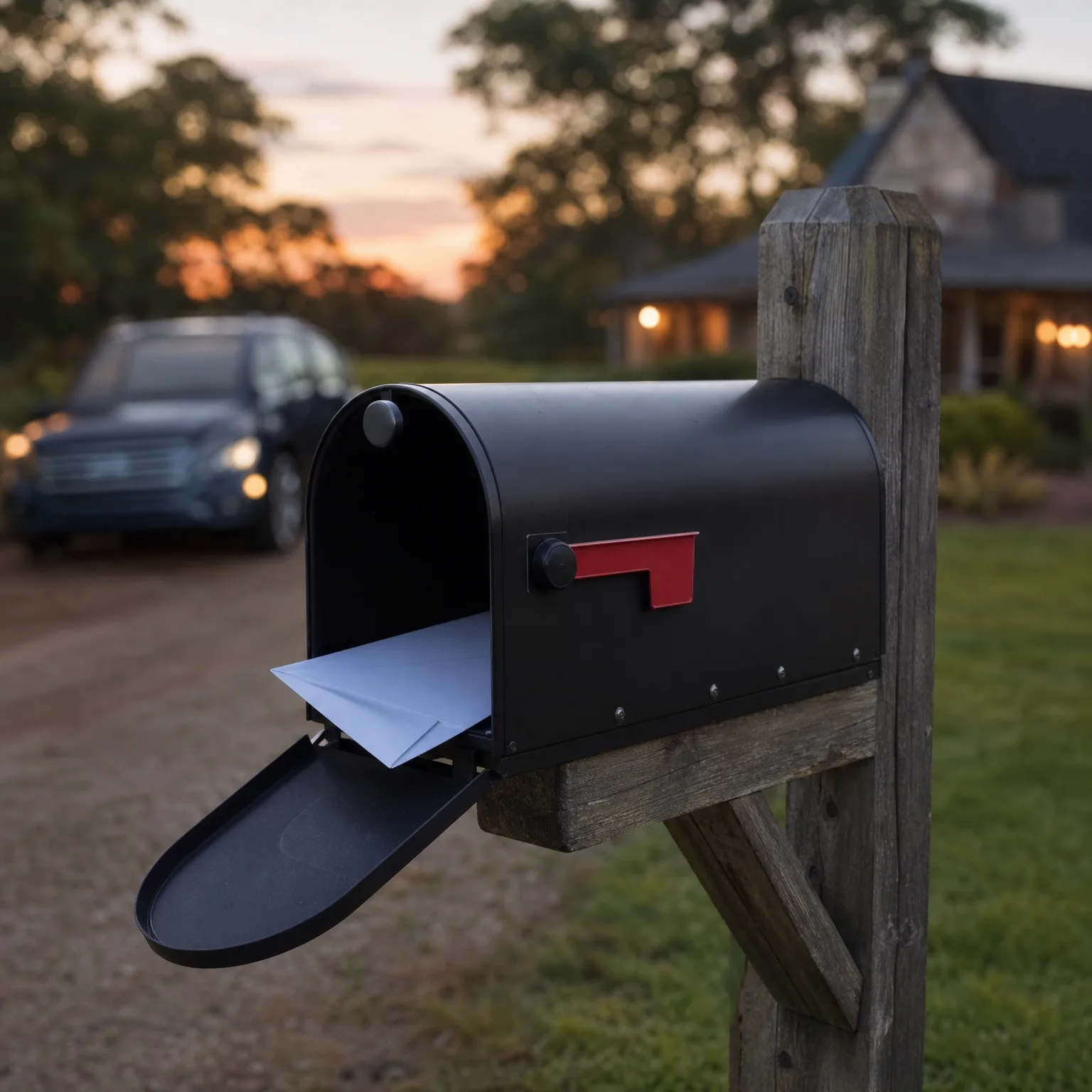
Call the DPS Driver Eligibility office at 512-424-2600 and request a status check on your driver record. Provide your Texas driver license number and date of birth. The representative can see whether court clearance appears in your DPS file. If it does not, DPS will tell you the record still shows a pending court compliance hold. This call takes 10 to 15 minutes during non-peak hours and confirms whether the court submitted clearance or whether you need to return to the county clerk.
If DPS shows no court clearance on file, visit the district clerk's office in the county where your DUI case was adjudicated. Request a certified copy of your case disposition showing completion of all court-ordered terms. Ask the clerk to submit clearance notification to DPS. Some clerks submit electronically the same day. Others mail paper clearance forms that take 14 to 21 days to process at DPS. Get the clerk's name and the submission date in writing.
Single parents managing this process should verify court clearance reached DPS before scheduling childcare or taking time off work for a DPS reinstatement appointment. Showing up at DPS without court clearance in the system results in a denied reinstatement application and another round of scheduling.

Line Up Coverage Before Your License Comes Back
Get Back on the RoadHow Long SR-22 Filing Must Remain Active in Texas
Texas requires SR-22 filing for two years from the date DPS processes your reinstatement, not from the date of your DUI conviction or arrest. If your court clearance takes 60 days to post to DPS after you complete your last court requirement, your two-year SR-22 clock doesn't start until that 60-day gap closes and DPS approves reinstatement. This extends your total SR-22 filing period to over two years in practice.
Your carrier will file SR-22 electronically with DPS once you purchase a policy that includes the filing. DPS receives the filing within 24 to 48 hours. The filing itself costs $15 to $25 depending on carrier. Your monthly premium with SR-22 filing typically runs $140 to $220 per month for minimum liability coverage in Texas, depending on county, age, and prior violations. Non-owner SR-22 policies cost slightly less—typically $110 to $180 per month—and serve single parents who don't currently own a vehicle but need active coverage to satisfy DPS reinstatement requirements.
If your SR-22 filing lapses at any point during the two-year period, your carrier notifies DPS electronically within 24 hours. DPS re-suspends your license immediately. Reinstatement after a lapse requires paying another $125 reinstatement fee, filing new SR-22, and potentially facing an extended SR-22 period at DPS's discretion.

Ignition Interlock Device Timing and Coordination
Texas requires ignition interlock device installation for all DUI convictions with a BAC of 0.15 or higher, and for all repeat DUI offenses regardless of BAC. If your case falls into either category, you must install an IID before DPS will approve reinstatement. Your IID provider submits installation verification to DPS electronically, typically within 48 hours of installation. DPS will not process reinstatement until this verification appears in your file alongside court clearance and SR-22 filing.
IID installation costs approximately $75 to $150, with monthly monitoring and calibration fees of $60 to $90. Single parents coordinating this with limited transportation access face a logistical problem: you need someone else to drive your vehicle to the IID provider for installation, or you install the device on a vehicle you don't yet own. Some providers offer mobile installation, which adds $50 to $100 to the installation fee but eliminates the need to transport the vehicle.
Your IID requirement runs for a minimum period set by the court, typically one year for first offenses with elevated BAC and two years for repeat offenses. This period runs concurrently with your SR-22 filing period, but the IID requirement often ends before the SR-22 period does. DPS requires SR-22 to remain active for the full two years even after your IID is removed.
What Single Parents Should Do This Week
Contact the district clerk in the county where your DUI case was handled. Confirm your case shows final disposition and all court requirements completed. Ask whether clearance notification has been submitted to DPS. If not, request immediate submission and get written confirmation of the submission date and method.
Call DPS at 512-424-2600 and verify your driver record shows court clearance, SR-22 filing, and IID installation verification if applicable. If any of the three clearances are missing, identify which agency or provider has not yet submitted documentation and follow up directly. Do not assume clearances flow automatically.
If you don't currently own a vehicle, request quotes for non-owner SR-22 policies from Texas-licensed carriers. These policies satisfy DPS filing requirements without requiring vehicle ownership. Monthly premiums for non-owner SR-22 typically run $110 to $180 depending on county and violation history. Verify the carrier will file SR-22 electronically with DPS within 48 hours of policy purchase.
Frequently Asked Questions
How long does it take for Texas court clearance to reach DPS after I complete my DUI probation?
Most Texas counties take 14 to 45 days to submit court clearance to DPS after final probation completion, and DPS requires an additional 7 to 14 days to update your driver record once clearance is received. Smaller counties without automated court-to-DPS data feeds often take longer. You can verify whether clearance has posted by calling DPS at 512-424-2600.
Can I start my SR-22 filing before DPS receives court clearance for my DUI?
Yes, you can file SR-22 before court clearance posts to DPS, and many carriers recommend doing so because SR-22 filings process within 24 to 48 hours while court clearances often take weeks. DPS will hold your reinstatement application in pending status until all three clearances—court, SR-22, and IID if required—appear in the system simultaneously.
What happens if my SR-22 lapses during the two-year Texas filing period?
Your carrier notifies DPS electronically within 24 hours of any SR-22 lapse, and DPS re-suspends your license immediately. Reinstatement after a lapse requires paying another $125 reinstatement fee, filing new SR-22, and waiting for DPS to process the new filing. DPS may extend your SR-22 filing period beyond the original two years if you lapse.
Do I need an ignition interlock device for a first-offense Texas DUI with a BAC under 0.15?
Texas does not require ignition interlock for first-offense DUI convictions with a BAC below 0.15 unless the court orders it as a probation condition. IID is mandatory for all first offenses with BAC of 0.15 or higher and for all repeat DUI offenses. Verify your specific IID requirement with the court or your probation officer before scheduling DPS reinstatement.
Can I get a Texas occupational driver's license while waiting for court clearance to post to DPS?
Texas does not use the term occupational license for DUI suspensions. After a DUI conviction, you may apply for an occupational driver's license during the suspension period if you meet eligibility requirements, but this license is separate from full reinstatement and requires a court petition, proof of SR-22, and payment of a $10 application fee to DPS.
How much does non-owner SR-22 insurance cost in Texas for a single parent without a vehicle?
Non-owner SR-22 policies in Texas typically cost $110 to $180 per month depending on county, age, and violation history. This is slightly less expensive than standard SR-22 policies because non-owner coverage includes liability only and does not cover a specific vehicle. The SR-22 filing fee of $15 to $25 is added to your first month's premium.
Related Articles

TX Rideshare DUI Reinstatement: Court & DPS Timing
5/3/2026

Texas DUI Reinstatement Timing for College Students
5/3/2026

TX ODL Reinstatement for Students: Court & DPS Timing
5/3/2026
TX CDL Reinstatement: Court Clearance & DPS Timing
5/3/2026

TX Unpaid Tickets: Court Clearance to DMV Timing
5/3/2026

CDL Reinstatement After DUI in Texas: Court & DPS Timing
5/3/2026