
California Unpaid Ticket Suspensions: Court vs DMV Clearance Timing
Free to compare
Why Your Suspension Persists After You Paid the Court
California operates two parallel clearance tracks for unpaid ticket suspensions. The court processes your payment and clears its own internal failure-to-appear or failure-to-pay record. The DMV maintains a separate suspension record that does not automatically update when you pay.
Most single parents leave the courthouse believing their suspension is resolved because the court accepted payment and issued a receipt. The DMV will not lift your suspension until the court transmits an Abstract of Record clearance to Sacramento's driver safety database. This transmission happens 7-21 business days after payment in most counties, longer during high-volume periods.
You cannot accelerate this process by calling the DMV or visiting a field office. The DMV cannot manually override a suspension tied to outstanding court holds until its system receives the electronic clearance code from the specific court that imposed the ticket. Visiting the DMV before court clearance posts wastes time and triggers a denial that resets processing timelines in some counties.

What the Court Clearance Process Actually Requires
Paying the ticket is the first step, not the final one. After you pay, the court clerk closes the failure-to-appear or failure-to-pay hold in the court's case management system. A separate court administrative unit — typically the traffic records or abstracts division — generates the clearance abstract and submits it to the DMV electronically.
This submission requires manual review in many California counties. The clerk who accepted your payment does not submit the DMV clearance. The abstracts division runs batch submissions once or twice weekly in smaller counties, daily in high-volume counties like Los Angeles, Orange, and San Diego. If you pay on Thursday and your county submits clearances on Monday mornings, your abstract won't transmit for four days.
Some courts issue a stamped receipt labeled "DMV clearance" or "suspension release." This document does not lift your suspension. It confirms the court intends to submit clearance, but the DMV will not act on a paper receipt. Only the electronic abstract submission triggers DMV processing.


The DMV Verification Timeline After Court Submission
Once the court transmits the clearance abstract, the DMV's driver safety branch processes the submission in 3-10 business days under normal conditions. High-volume periods — post-holiday enforcement sweeps, mid-year court calendar processing — extend this to 14 business days.
The DMV does not send confirmation when clearance posts. Your suspension status updates in the internal database, but you will not receive a letter, email, or text notification. Most single parents discover clearance posted only when they call the DMV's automated suspension status line at 916-657-6525 or check in person at a field office.
If your suspension involved multiple tickets across multiple counties, each court must submit a separate clearance abstract. The DMV will not lift your suspension until all holds clear. One outstanding ticket in a different county blocks reinstatement even after you've cleared four others.

Line Up Coverage Before Your License Comes Back
Get Back on the RoadHow to Verify Court Clearance Was Actually Submitted
Call the court's traffic records or abstracts division directly — not the general clerk line. Ask whether the Abstract of Record for case number [your case number] has been transmitted to the DMV. Request the specific transmission date. If the court cannot confirm transmission, ask what is delaying submission.
Some California courts provide online case lookup portals that display abstract submission status. Look for a field labeled "DMV abstract sent" or "clearance transmitted." If the field shows "pending" or "not submitted" more than 10 business days after you paid, contact the court's abstracts division and request manual escalation.
If you cannot confirm submission status by phone or online, visit the court's traffic division in person with your payment receipt and photo ID. Request written confirmation of the abstract submission date. This documentation becomes critical if the DMV later claims no clearance was received.
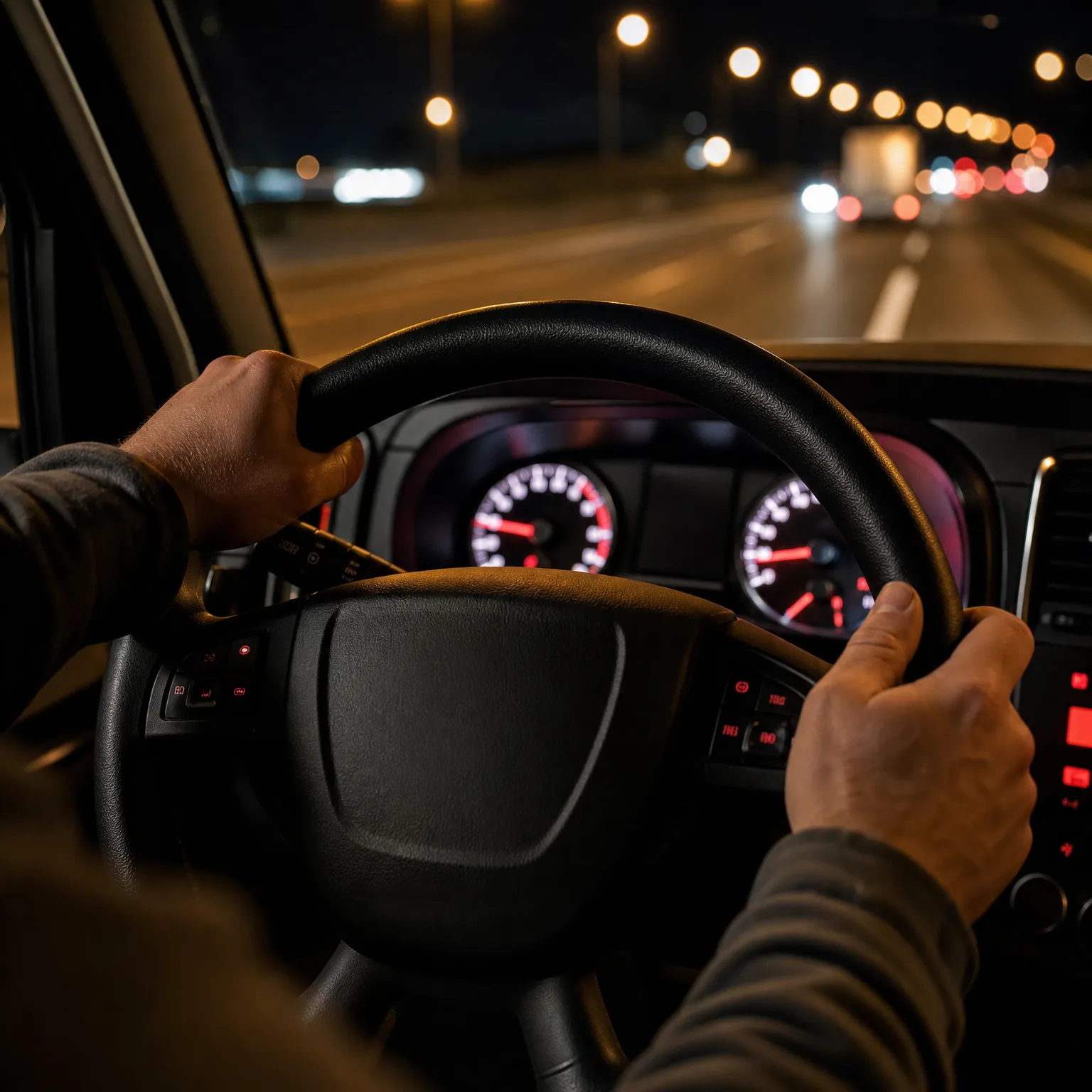
What Happens If the DMV Never Receives Court Clearance
Transmission failures occur in approximately 3-5% of California ticket clearances, most often when courts upgrade case management systems or when the DMV's receiving database undergoes maintenance. The DMV will not notify you of a failed transmission. Your suspension remains active indefinitely until the abstract posts.
If 30 days pass after the court confirms transmission and your DMV suspension status still shows active holds, file a suspension review request at any DMV field office. Bring your court payment receipt, the court's written confirmation of abstract transmission (with date), and photo ID. The DMV's driver safety unit will manually research the transmission and either post the clearance or contact the court to request resubmission.
This manual review process takes 10-15 business days in most cases. You cannot drive legally during this period unless you qualify for and obtain a restricted license, which California does not issue for unpaid ticket suspensions. Non-owner SR-22 insurance does not lift an active suspension — it satisfies proof-of-insurance requirements after reinstatement, but it cannot override a court-imposed hold.

Insurance Requirements After Reinstatement
California does not require SR-22 filing for suspensions caused solely by unpaid tickets or failure to appear. If your suspension involved only court compliance issues — no DUI, no at-fault accident while uninsured, no reckless driving — you do not need to file an SR-22 to reinstate your license.
You must carry liability insurance that meets California's minimum coverage requirements: $15,000 per person for bodily injury, $30,000 per accident, and $5,000 for property damage. If you do not own a vehicle, a non-owner liability policy satisfies this requirement and costs $30-$60/month for most drivers with clean records.
If your suspension combined unpaid tickets with an insurance lapse or uninsured driving citation, the DMV will require SR-22 filing for three years after reinstatement. Verify your specific filing requirement by calling the DMV suspension status line before purchasing coverage. Filing SR-22 when it's not required raises your premium 20-40% unnecessarily.
Frequently Asked Questions
How long does it take for a California court to send clearance to the DMV after I pay tickets?
Most California courts transmit Abstract of Record clearances to the DMV within 7-21 business days after payment. High-volume counties like Los Angeles and Orange typically process within 7-10 days. Smaller counties that run batch submissions weekly may take 14-21 days. The DMV then processes the clearance in an additional 3-10 business days.
Can I drive while waiting for the DMV to receive court clearance for unpaid tickets?
No. Your license remains suspended until the DMV's database shows all court holds cleared. Driving on a suspended license is a misdemeanor in California that carries up to six months in jail and impounds your vehicle for 30 days minimum. California does not issue restricted licenses for unpaid ticket suspensions.
What if I paid tickets in multiple California counties?
Each county court must submit a separate clearance abstract to the DMV. Your suspension will not lift until the DMV receives clearances from all counties with outstanding holds. One unpaid ticket in a different county blocks reinstatement even after you've cleared tickets in four other counties.
Do I need SR-22 insurance after reinstating from an unpaid ticket suspension in California?
No, if your suspension was caused only by unpaid tickets or failure to appear. SR-22 filing is required for DUI suspensions, at-fault uninsured accidents, and reckless driving convictions. Unpaid ticket suspensions require proof of liability insurance at reinstatement but not SR-22 filing unless your suspension also involved an insurance lapse.
How do I check if the court actually sent my clearance to the DMV?
Call your county court's traffic records or abstracts division and ask whether the Abstract of Record for your case number was transmitted to the DMV. Request the specific transmission date. You can also check the DMV suspension status line at 916-657-6525 starting 10 business days after the court confirms transmission.
What happens if the DMV never receives the court clearance I paid for?
File a suspension review request at any DMV field office with your payment receipt and written confirmation from the court showing the abstract transmission date. The DMV's driver safety unit will manually research the transmission and either post the clearance or request resubmission from the court. This review takes 10-15 business days in most cases.
Related Articles
CA Unpaid Ticket Suspension: Court to DMV Clearance Gap
5/3/2026
CA Unpaid Tickets: Court Clearance & DMV Timing Gap
5/3/2026

NY Unpaid Tickets: Court Clearance vs DMV Timing
5/3/2026

CA Warrant Clearance: Court and DMV Timing Explained
5/3/2026

Unpaid Ticket Suspension CO: Court to DMV Timing
5/3/2026

CA CDL Reinstatement: Court Clearance vs DMV Timing
5/3/2026