
Unpaid Ticket Suspensions in Colorado: Court Clearance Timing
Free to compare
Why Your Paid Ticket Doesn't Immediately Clear Your Suspension
You paid the ticket online last night. You checked your bank account this morning and the charge posted. You drove to the DMV expecting to reinstate your license, and the clerk told you the suspension is still active in their system.
Colorado municipal and county courts do not transmit clearance records to the Division of Motor Vehicles in real time. After you pay a ticket that triggered a failure-to-appear or failure-to-pay suspension, the court processes the payment internally, closes the case in their system, then transmits the clearance to DMV through a batch file—typically within 7-14 business days. DMV will not process your reinstatement application until that clearance posts to their database.
This timing gap is not described on payment confirmation screens, court websites, or DMV notice letters. Most college students assume payment equals immediate clearance because that's how every other online transaction works. It does not work that way here. The court and the DMV are separate systems that communicate on a schedule you cannot see or accelerate by calling.
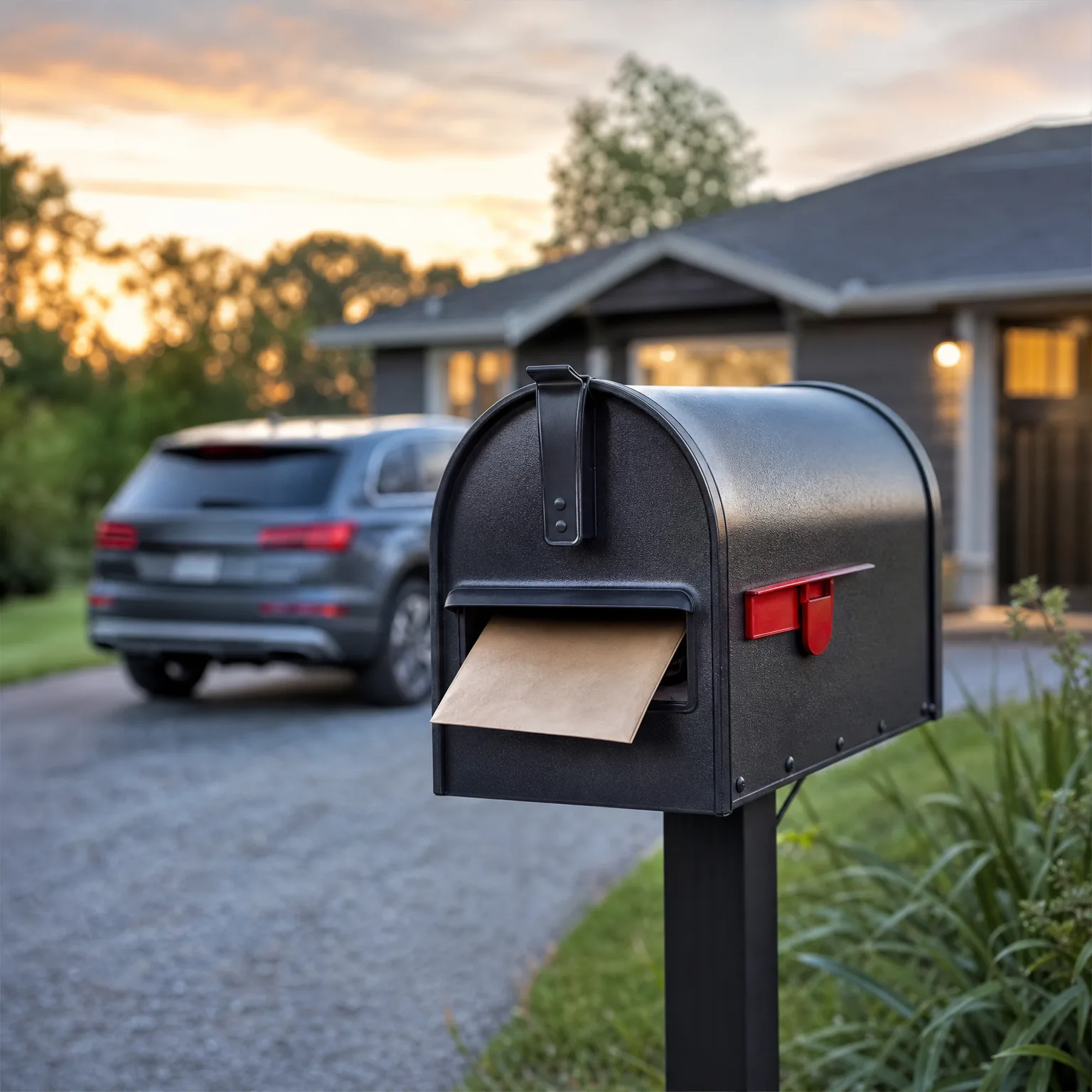
What Happens Between Payment and DMV Clearance
The moment you submit payment to the court—online, by mail, or in person—the court's accounting system records the transaction. That does not mean the court clerk has reviewed your case, verified the payment covers all outstanding balances including late fees and court costs, or marked the case as satisfied in the court's case management system.
Most Colorado municipal courts batch-process payments once daily. County courts may process twice weekly. After the payment is verified and the case marked satisfied, the court generates a clearance record. That record is transmitted to DMV through Colorado's statewide driver compliance reporting system, not instantly but in scheduled batches—daily for larger jurisdictions like Denver or Boulder County, weekly for smaller municipalities.
DMV receives the batch file, imports the clearances, and updates individual driver records overnight. Until that update completes, your suspension remains active in DMV's system even though the court considers your case closed. You cannot reinstate until DMV's system reflects the clearance. Showing a payment receipt or a court case lookup showing "satisfied" does not override what DMV's database says.

How to Verify Clearance Before Going to DMV
Do not drive to a DMV office until you confirm the clearance has posted. Call the DMV Driver Services line at 303-205-5600 and provide your driver license number. Ask the agent to check whether a court clearance for your specific case has been received and posted to your record. If the clearance has not posted, ask when the most recent court batch was processed—that tells you whether the delay is normal or whether you need to follow up with the court.
If 14 business days have passed since you paid and DMV still shows no clearance, contact the court that issued the ticket. Ask the clerk to verify the payment posted, the case is marked satisfied in their system, and the clearance was transmitted to DMV. Request the transmission date. If the court says the clearance was sent but DMV has not received it, the court clerk can escalate to their IT contact who manages the DMV interface. This is rare but does happen—batch files occasionally fail to transmit or import correctly.
You can also check your driving record through Colorado's online Driver License Record portal at mydmv.colorado.gov. If the suspension is listed as active and no clearance date appears, the record has not updated. Do not rely on the court's website alone—what the court's public case lookup shows and what DMV has received are not always synchronized.

Line Up Coverage Before Your License Comes Back
Get Back on the RoadCourt Costs, Late Fees, and Partial Payment Holds
If you paid only the base fine amount listed on the original ticket but did not include late fees, court costs, or administrative fees added after the failure-to-appear, the court will not generate a clearance. Colorado courts are not required to notify you of the updated balance before withholding clearance. You must verify the total amount due before submitting payment.
Call the court before you pay. Ask for the total balance due including all fees and costs. Do not assume the amount on the ticket is still accurate. Failure-to-appear cases typically add a $30-$100 court cost depending on the jurisdiction. Some courts also add collection fees if the case was referred to a third-party vendor. If you underpay by even $10, the court will apply your payment as a partial credit and will not close the case or transmit a clearance.
If you already paid what you believed was the full amount and DMV shows no clearance after two weeks, call the court and ask whether your payment satisfied the total balance. If it did not, ask for the remaining balance and pay it immediately. The 7-14 day clearance transmission timeline resets from the date the final payment posts.

Reinstatement Process After Clearance Posts
Once DMV receives the court clearance and updates your record, you can proceed with reinstatement. Colorado's base reinstatement fee for a suspension triggered by unpaid tickets or failure to appear is $95. You must pay this fee in addition to whatever you paid the court. The court payment resolved the legal case. The DMV fee reinstates your driving privilege.
You do not need SR-22 insurance to reinstate from an unpaid-ticket suspension. SR-22 is required for suspensions triggered by DUI, uninsured driving, or certain repeat violations. Failure to pay or failure to appear are administrative suspensions that do not carry an insurance filing requirement. If you currently have a valid auto insurance policy, you can reinstate with proof of that policy. If you do not own a vehicle and are not listed on a family member's policy, you do not need to purchase insurance before reinstating—but you will need it before you drive.
Reinstatement can be completed online through Colorado's myDMV portal at mydmv.colorado.gov if your suspension type is eligible for online processing. Most unpaid-ticket suspensions qualify. If online reinstatement is not available for your case, you must visit a DMV office in person with proof of identity, proof of insurance if you plan to drive, and payment for the $95 fee.

What College Students Should Know About Multi-Jurisdiction Tickets
If you received tickets in multiple Colorado municipalities—one in Boulder, one in Fort Collins, one in Denver—and any of those tickets went to failure-to-appear status, each court must independently transmit a clearance to DMV before your suspension will be lifted. Paying one ticket does not clear the others. DMV will not reinstate your license until all outstanding court cases show cleared in their system.
Check your driving record before paying any tickets. If multiple jurisdictions appear, contact each court separately, verify the total balance due for each case, and pay all balances within the same week if possible. This ensures clearances are transmitted in approximately the same timeframe. If you pay one court in January and another in March, the second clearance will not post until March, and you cannot reinstate until both have posted.
Some college students discover additional tickets only after attempting to reinstate. If DMV tells you a clearance is still pending and you do not know which court holds the case, request a copy of your full driving record. The record will list each suspension, the issuing court, and the case number. Use that information to contact the correct court and resolve the case.
Frequently Asked Questions
How long does it take for a paid ticket to clear a Colorado license suspension?
Courts transmit clearances to Colorado DMV within 7-14 business days after you pay the full balance including late fees and court costs. DMV processes clearance batches overnight, so expect 8-15 business days total from payment to reinstatement eligibility.
Can I reinstate my Colorado license the same day I pay a ticket?
No. The court and DMV operate on separate systems. Even if you pay in person at the courthouse, the court must batch-transmit the clearance to DMV, and DMV must import and post the record to your driver file before you can reinstate. This process takes 7-14 business days minimum.
Do I need SR-22 insurance to reinstate after an unpaid ticket suspension in Colorado?
No. SR-22 is not required for suspensions caused by unpaid tickets or failure to appear. You need proof of current auto insurance if you plan to drive, but no SR-22 filing is necessary for this suspension type.
What happens if I paid less than the full ticket balance in Colorado?
The court will not transmit a clearance to DMV until the total balance is paid in full, including late fees, court costs, and any collection fees. Partial payments are applied as credits but do not close the case or lift the suspension.
Can I check if my court clearance posted to Colorado DMV online?
Yes. Log in to Colorado's myDMV portal at mydmv.colorado.gov and request your driving record. If the suspension is still listed as active with no clearance date, the court's transmission has not been received or processed yet.
What if I paid my ticket two weeks ago and DMV still shows my suspension active?
Contact the court that issued the ticket and verify the payment posted, the case is marked satisfied, and the clearance was transmitted to DMV. Request the transmission date. If the court confirms transmission but DMV has not received it, the court clerk can escalate the issue to their DMV interface contact.
Related Articles

Colorado Unpaid Ticket Suspension: Court & DMV Timeline
5/3/2026
CDL Reinstatement CO Unpaid Tickets: Court-DMV Timing
5/3/2026

CA Unpaid Ticket Suspension: Court vs DMV Clearance
5/3/2026

DC License Reinstatement After Unpaid Tickets: Steps
5/3/2026

CO Unpaid Tickets Suspension: SR-22 Timing for Parents
5/3/2026

CA Unpaid Ticket Suspension: Court to DMV Clearance Gap
5/3/2026