
California Unpaid Ticket Suspension: Court Clearance and DMV Timing
Free to compare
Why Your License Stays Suspended After Paying the Ticket
California DMV suspensions under Vehicle Code §13365 for failure to appear (FTA) or failure to pay remain active until the court submits an abstract of compliance to the DMV. Paying the fine at the courthouse does not automatically trigger this submission. Most courts mail the abstract within 10-15 business days of payment, but the DMV requires an additional 7-10 business days to process it and lift the suspension.
College students returning to campus after winter or spring break discover this gap the hard way. You pay the ticket on Monday expecting to drive Tuesday, but your license status still shows suspended for another three weeks. The court clerk accepts your payment and marks the case closed in their system, which has no direct connection to the DMV's licensing database.
The DMV will not lift the suspension until it receives proof from the issuing court. You cannot expedite this by calling the DMV, because DMV staff cannot override the suspension based on your receipt alone. The court must submit the compliance abstract, and until that document arrives and processes through the DMV's queue, your driving privileges remain suspended.
How to Confirm the Court Submitted Your Clearance to DMV
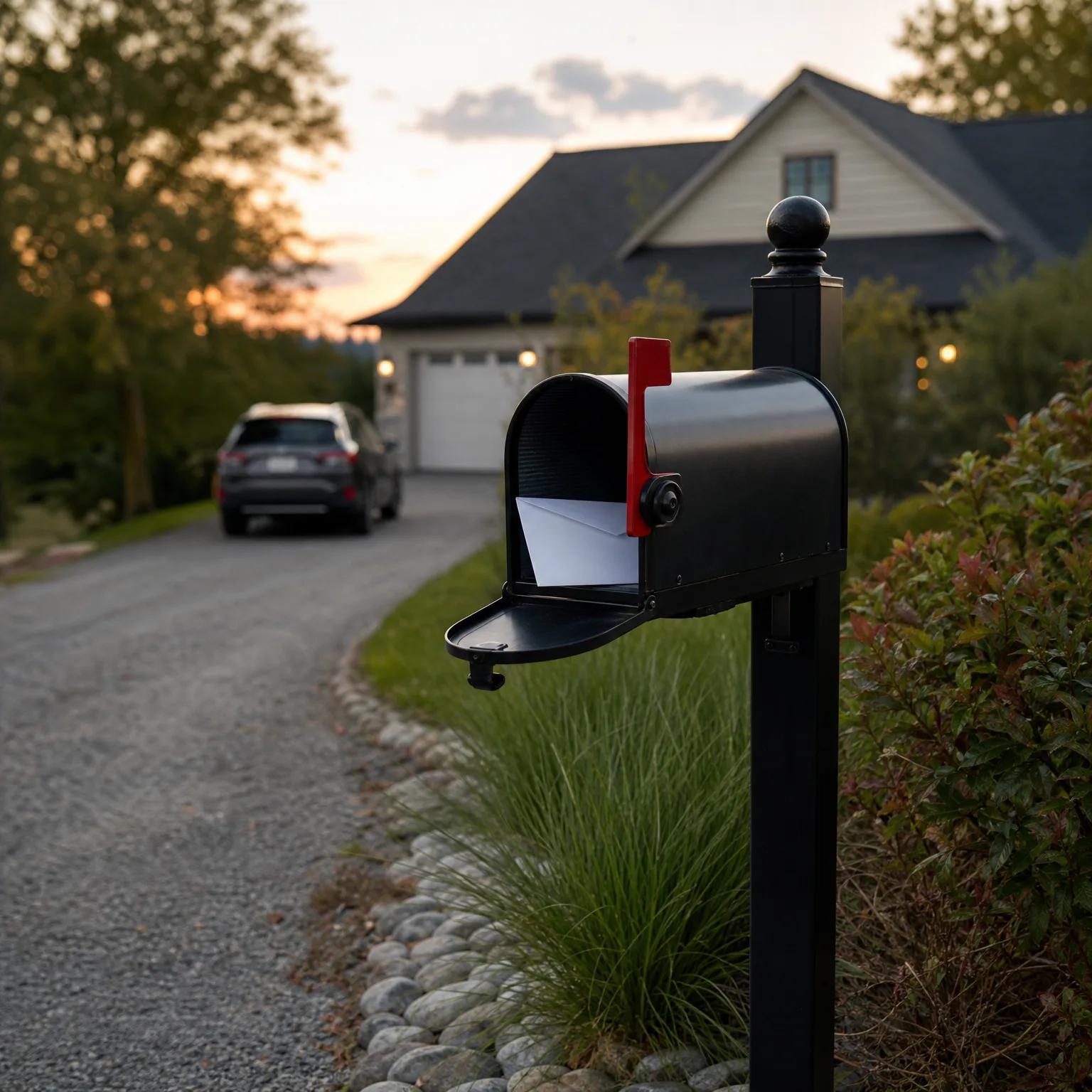
Request a case disposition printout from the court clerk immediately after paying your fine. This document shows the case status, payment date, and whether the abstract of compliance has been submitted to the DMV. Most California traffic courts provide this at no charge at the clerk's window or through their online case portal.
Call the DMV's automated suspension status line at 1-800-777-0133 five business days after receiving confirmation from the court that the abstract was submitted. Enter your driver license number when prompted. The system will state whether the suspension is still active or has been cleared. If the suspension remains active after 15 business days from the court's confirmed submission date, file a manual clearance request.
To file a manual clearance request, visit a DMV field office with three documents: the court's case disposition printout showing the case closed and payment satisfied, your photo ID, and the $55 reissue fee. The DMV can manually verify compliance with the court and process the clearance on the spot if all documentation is in order. This bypasses the delayed abstract processing queue but requires an in-person visit.

Failure to Appear vs Failure to Pay: Different Timelines
California distinguishes between FTA suspensions (you missed your court date) and FTP suspensions (you didn't pay the fine by the due date). Both fall under VC §13365, but reinstatement timing differs. FTA suspensions require you to appear in court and either resolve the case or request a new hearing date before the court will submit clearance to the DMV. Simply paying the fine online does not satisfy an FTA hold in most California counties.
FTP suspensions clear faster because payment alone satisfies the requirement. Once the court receives full payment, the abstract of compliance typically submits within 10 business days. FTA cases add 2-4 weeks because the judge must sign off on the disposition before the clerk can submit the abstract.
Santa Clara, Los Angeles, and San Diego counties operate slightly faster abstract submission timelines due to electronic court-DMV interfaces, averaging 7-10 business days from payment to DMV clearance. Smaller counties still rely on mailed paper abstracts, which extend the timeline to 15-20 business days. Your county's court website may list its abstract submission method under traffic case FAQs.

Line Up Coverage Before Your License Comes Back
Get Back on the RoadWhat College Students Miss About Restricted License Eligibility
California does not issue restricted licenses for unpaid ticket suspensions under VC §13365. The restricted license pathway applies only to DUI suspensions, negligent operator point accumulation, and certain uninsured driving cases. Most college students assume they can apply for a restricted license to drive to class or work while the court clearance processes, but this option does not exist for FTA or FTP suspensions.
The only reinstatement path is full clearance: pay the fine or appear in court, wait for the court to submit the abstract, wait for the DMV to process it, then pay the $55 reissue fee. There is no provisional driving allowed during this window. Driving on a suspended license for unpaid tickets is a misdemeanor under VC §14601.1(a), carrying up to six months in jail and a $300-$1,000 fine.
Some students attempt to use out-of-state college addresses to avoid California suspension notices, believing the suspension won't apply if they didn't receive the notice. California law does not require you to receive the suspension notice for it to take effect. The suspension activates automatically 30 days after the court notifies the DMV of the FTA or FTP, regardless of whether you updated your address.

SR-22 Filing Is Not Required for Unpaid Ticket Suspensions
Unpaid ticket suspensions do not trigger SR-22 filing requirements in California. SR-22 applies to DUI convictions, at-fault uninsured accidents, and negligent operator suspensions, not to FTA or FTP administrative holds. You do not need to contact an SR-22 carrier or file a certificate of financial responsibility to reinstate after clearing an unpaid ticket suspension.
Once the DMV processes the court's abstract and your suspension clears, you pay the $55 reissue fee and your full driving privileges restore immediately. Your insurance rates are not affected by the suspension itself, though the underlying traffic violation that triggered the unpaid ticket may appear on your record and influence future premium calculations.
If your suspension combined multiple triggers (for example, an unpaid DUI-related fine and a separate FTA for reckless driving), SR-22 requirements depend on the most serious underlying violation. Contact the DMV's mandatory actions unit at the number on your suspension notice to confirm whether SR-22 applies to your specific case.

Reinstatement Fees and Processing Timeline
California charges a $55 reissue fee under Vehicle Code §14904 to reinstate driving privileges after any suspension, including FTA and FTP holds. This fee is separate from the court fine you paid to clear the ticket. You cannot reinstate without paying this fee, even if the DMV's system shows the suspension cleared.
Pay the reissue fee online through the DMV's website, by mail with a check and your suspension notice, or in person at any field office. Online and mail payments process within 3-5 business days. In-person payments process immediately if you bring proof of court clearance and the abstract has already posted to the DMV's system.
Total timeline from ticket payment to full reinstatement: 15-30 business days in most California counties. Add 10-15 days if the FTA required a court appearance rather than simple payment. Budget four weeks from the day you resolve the court case to the day your license is fully reinstated and you can legally drive again.
Frequently Asked Questions
How long does it take for the California DMV to lift a suspension after I pay my ticket?
The DMV lifts the suspension 7-10 business days after receiving the court's abstract of compliance. Most California courts submit the abstract 10-15 business days after you pay, so total clearance time is typically 15-25 business days from payment to full reinstatement.
Can I get a restricted license in California while waiting for my unpaid ticket suspension to clear?
No. California does not issue restricted licenses for failure to appear or failure to pay suspensions under Vehicle Code §13365. Restricted licenses apply only to DUI, negligent operator, and certain uninsured driving suspensions.
What happens if I drive in California while my license is suspended for an unpaid ticket?
Driving on a suspended license for unpaid tickets is a misdemeanor under VC §14601.1(a), punishable by up to six months in jail, a $300-$1,000 fine, and extension of your suspension period. The violation also becomes a permanent criminal record entry.
Do I need SR-22 insurance to reinstate my California license after an unpaid ticket suspension?
No. SR-22 filing is not required for failure to appear or failure to pay suspensions. You only need to clear the court case, wait for the DMV to process the court's compliance abstract, and pay the $55 reissue fee.
Can I pay the DMV reissue fee before the court submits my clearance?
Yes, but the DMV will not process your reinstatement until the court's abstract posts to your driver record. Paying the fee early does not shorten the timeline. Wait until the DMV's automated line confirms the suspension cleared before paying to avoid processing delays.
What if my California court says they submitted the clearance but the DMV still shows me suspended?
Visit a DMV field office with the court's case disposition printout showing the case closed and payment satisfied. The DMV can manually verify compliance with the court and clear the suspension on the spot if the abstract was submitted but not yet processed in the queue.
Related Articles

CA Unpaid Ticket Suspension: Court vs DMV Clearance
5/3/2026
CA Unpaid Tickets: Court Clearance & DMV Timing Gap
5/3/2026
CA FTA Warrant Suspension: Court Fees to DMV Reinstatement
5/3/2026
CA FTA Warrant Suspension: Court Clearance DMV Timing
5/3/2026

Unpaid Ticket Suspension CO: Court to DMV Timing
5/3/2026

DC License Reinstatement After Unpaid Tickets: Steps
5/3/2026