
NC Child Support Arrears Suspension: Court-DMV Gap for Rideshare
Free to compare
Why North Carolina Family Court Clearance Doesn't Automatically Restore Your License
North Carolina's child support suspension system runs on two separate databases that don't communicate automatically. Your family court clearance removes the legal hold, but DMV maintains its own suspension record that stays active until the court files a Notice of Compliance with the Division of Motor Vehicles. Most rideshare drivers complete their payment plan or lump-sum settlement, receive court confirmation, and immediately attempt to reinstate at DMV—only to find their suspension still shows active in the system.
The gap exists because North Carolina General Statute 50-13.12 requires Child Support Enforcement (CSE) to notify DMV when arrears are cleared or a payment plan is active, but that notification happens through a separate administrative process after your court date. CSE doesn't file the compliance notice the same day you make your payment or sign your agreement. Processing time varies by county—Mecklenburg and Wake counties typically file within 10–15 business days, while rural counties can take 20–30 business days.
Rideshare platforms require an active, unrestricted driver's license before you can return to the app. The compliance gap means your court paperwork shows you're cleared, but your DMV record still shows suspended. Uber and Lyft run continuous background checks that pull directly from DMV records, not court records. Until DMV receives and processes the compliance notice, your license status won't update and the platform won't reactivate your account.
The Two-Step Clearance Process NC Rideshare Drivers Must Complete
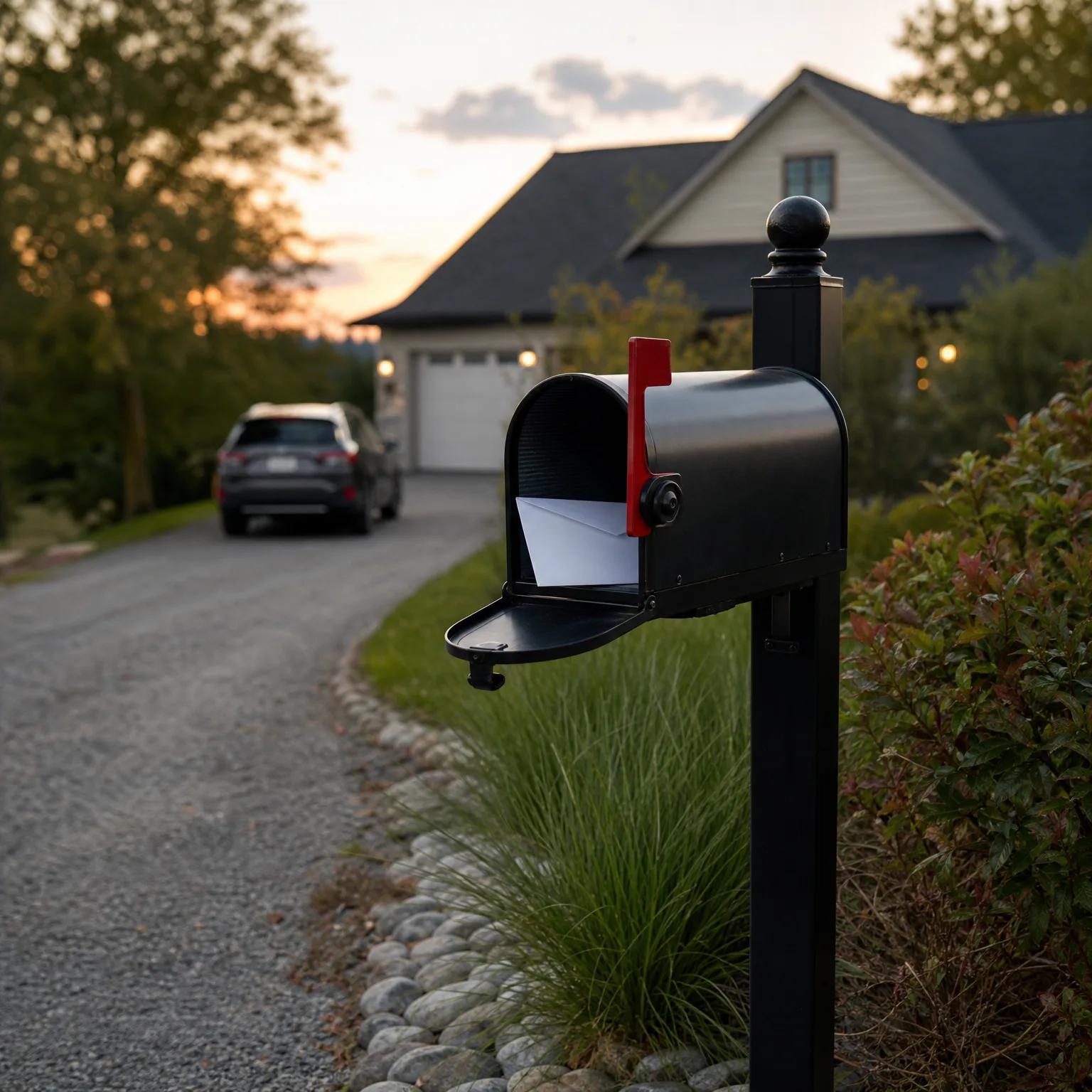
Step one happens in family court or through CSE directly. You either pay your arrears in full, establish a payment plan with at least three consecutive on-time payments, or demonstrate ongoing income withholding through your employer. The court or CSE issues a compliance determination once you meet their threshold. This document confirms you've satisfied the suspension trigger under state guidelines.
Step two is the administrative handoff. CSE files Form AOC-CV-615 (Notice of Compliance) with the North Carolina Division of Motor Vehicles. This form is the only document DMV accepts to lift a child support suspension. Your court order, payment receipts, or CSE letter are not sufficient to reinstate your license on their own—DMV requires the specific compliance notice filed by CSE.
Most drivers assume step one completes the process. Courts don't routinely explain that DMV operates on a different timeline. You leave court believing your suspension is lifted, but DMV won't process your reinstatement until the compliance notice appears in their system. That processing delay is what extends your rideshare downtime by weeks.


How Long DMV Takes to Process Child Support Compliance in North Carolina
Once CSE files the compliance notice with DMV, processing takes an additional 5–10 business days before your license status updates in the state database. DMV doesn't notify you when the update posts. You can check your eligibility status online through the NCDMV License & ID portal, but the system only shows current suspension status—it doesn't display pending clearances or estimated processing dates.
Total timeline from court clearance to DMV reinstatement eligibility: 15–30 business days in metro counties, 25–40 business days in rural counties. Mecklenburg County (Charlotte) and Wake County (Raleigh) process faster due to higher case volume and dedicated CSE-DMV liaisons. Smaller counties like Polk, Clay, and Tyrrell rely on periodic batch filings, which can add a full week to the timeline.
During this gap period, your license remains technically suspended. Driving before DMV posts the clearance violates North Carolina driving-while-license-suspended laws (NCGS 20-28), which carries mandatory court costs, potential jail time for repeat offenses, and an additional suspension period. Rideshare platforms treat any DWLS charge during your suspension as a disqualifying event, even if you were waiting on administrative processing.

Line Up Coverage Before Your License Comes Back
Get Back on the RoadWhat Rideshare Drivers Should Do While Waiting for DMV Clearance
Call the DMV Driver License Section at 919-715-7000 weekly to confirm whether your compliance notice has posted. The automated system won't show pending clearances, but live agents can see filings in process. Ask specifically if Form AOC-CV-615 has been received from your county's Child Support Enforcement office. If the agent confirms receipt, ask for the expected posting date—not a guarantee, but a reasonable estimate based on current processing load.
Request written confirmation from CSE when they file your compliance notice. North Carolina CSE offices don't automatically send this confirmation, but you can request it at the time you complete your payment plan or final payment. Having a filing date helps you calculate the earliest realistic reinstatement timeline and prevents wasted trips to DMV before your clearance posts.
Do not attempt to drive for rideshare platforms during the gap period. Some drivers assume their court paperwork is sufficient proof if stopped by law enforcement. It's not. North Carolina law requires your license status in the DMV database to show unrestricted before you're legally allowed to drive. Court documents prove you've satisfied the child support obligation, but they don't override DMV's suspension record until the compliance notice processes.
North Carolina Reinstatement Fees and Insurance Requirements for Child Support Suspensions
North Carolina charges a $65 restoration fee for child support suspensions once your compliance notice posts. This fee is separate from any court costs or arrears payments you made. You pay it at DMV when you reinstate, either in person at a driver license office or online through the NCDMV portal if your account is eligible for online reinstatement.
Child support suspensions in North Carolina do not require SR-22 filing. SR-22 is only mandated for violations involving unsafe driving, DWI, driving without insurance, or excessive points. Your suspension was administrative, not violation-based, so you reinstate with proof of standard liability insurance—not high-risk SR-22 coverage. This keeps your insurance costs significantly lower than drivers reinstating after DWI or reckless driving suspensions.
Rideshare platforms require higher liability limits than North Carolina's state minimums. North Carolina mandates 30/60/25 coverage (30k per person, 60k per accident, 25k property damage), but Uber and Lyft require rideshare-endorsement policies or commercial coverage that meets their platform standards. Verify your policy includes rideshare endorsement before reactivating your account—standard personal auto policies exclude coverage during rideshare activity, and driving without proper coverage can trigger a new suspension if you're involved in an accident.
How to Verify Your Compliance Notice Filed Correctly
Log into the NCDMV online portal and check your driver record under License Status. If the compliance notice posted, your record will show "Eligible for Reinstatement" with a restoration fee amount listed. If it still shows "Suspended – Child Support," the notice hasn't processed yet. Checking online weekly saves you time—don't visit a DMV office in person until your online record confirms eligibility.
If 30 business days pass after your court clearance and your record still shows suspended, contact your county CSE office directly. Request verification that they filed Form AOC-CV-615 with DMV. If they confirm filing but DMV has no record, CSE will need to refile. Administrative errors happen—forms get misfiled, batch submissions fail, or DMV's intake system rejects incomplete filings. CSE won't know there's a problem unless you follow up.
Once your online record shows eligible, you can reinstate immediately. Pay the $65 fee online or at any driver license office. The payment posts to your record within 24 hours, and rideshare platforms typically detect the license status change within 48–72 hours during their next background check cycle. You don't need to notify Uber or Lyft manually—they pull updated records automatically—but you can request a manual background recheck through the app if your account doesn't reactivate within three days.
Frequently Asked Questions
Can I drive for Uber or Lyft while my child support compliance notice is processing in North Carolina?
No. Your license remains legally suspended until DMV processes the compliance notice and updates your record to show eligible for reinstatement. Rideshare platforms run continuous background checks that pull from DMV records, not court records, so your account will stay deactivated until the DMV database shows your suspension lifted.
Do I need SR-22 insurance to reinstate my license after a North Carolina child support suspension?
No. North Carolina only requires SR-22 for violations involving unsafe driving, DWI, driving without insurance, or excessive points. Child support suspensions are administrative, so you reinstate with proof of standard liability insurance that meets state minimums of 30/60/25.
How can I speed up the compliance notice filing in North Carolina?
You can't force CSE to file faster, but you can confirm they received your payment and ask when they plan to submit Form AOC-CV-615 to DMV. Mecklenburg and Wake counties typically file within 10–15 business days. If your county is taking longer, follow up weekly with CSE to ensure your case hasn't been overlooked in their processing queue.
What happens if I start driving before my NC license reinstatement posts to DMV?
Driving before DMV posts your clearance is driving while license suspended under NCGS 20-28, which carries mandatory court costs, potential jail time for repeat offenses, and an additional suspension period. Rideshare platforms treat any DWLS charge during your suspension as a disqualifying event.
Will North Carolina DMV notify me when my child support compliance notice is processed?
No. DMV does not send automatic notifications when compliance notices post. You must check your driver record online through the NCDMV portal or call 919-715-7000 weekly to confirm whether your record shows eligible for reinstatement.
Related Articles
NC Unpaid Ticket Suspension: Rideshare Clearance Timing
5/3/2026
NC Rideshare: Warrant Clearance to DMV Verification
5/3/2026
NC DUI Reinstatement for Rideshare: Court & DMV Timing
5/3/2026
SC Child Support Suspension: Court vs DMV Timing Gap
5/3/2026

NC Child Support Reinstatement: Court & DMV Timing Gap
5/3/2026

North Dakota Child Support Suspension DMV Clearance
5/3/2026