
NC Rideshare Drivers: Warrant Clearance to DMV Verification Gap
Free to compare
Why Your Court Clearance Doesn't Automatically Reinstate Your NC License
North Carolina operates two separate suspension tracks for failure-to-appear warrants: the judicial revocation triggered by the court when you miss your date, and the administrative hold maintained by NCDMV until they receive independent verification that the court matter is resolved. When you clear the warrant—paying outstanding fines, appearing before the judge, or resolving the underlying charge—the court clerk closes their file. NCDMV maintains the suspension until you submit certified documentation proving the case was resolved.
The gap creates a 15–45 day window where rideshare drivers assume reinstatement is automatic. Uber and Lyft background monitoring systems pull DMV records weekly. Your license shows as suspended in NCDMV's database until the court clearance posts to your driving record, which means every week you wait without submitting documentation is another week of zero ride income.
NCDMV does not receive real-time court disposition data for most failure-to-appear cases. The court notifies NCDMV of the original suspension when the warrant is issued, but resolution notifications depend on manual data exchange or your submission of certified court documents. Waiting for automatic clearance is waiting for a process that doesn't exist in most NC counties.

What Documentation NCDMV Requires After You Clear the Warrant
NCDMV requires a certified disposition order or court clearance letter showing the warrant was recalled and the underlying case was resolved. The document must come directly from the clerk of court—either mailed to NCDMV by the clerk or hand-delivered by you in a sealed envelope with the clerk's stamp. Screenshots of online case status, receipts for fines paid, or letters from your attorney do not satisfy NCDMV's verification requirement.
Most NC district courts issue a one-page disposition form titled "Order for Limited Driving Privilege" or "Warrant Recall and Disposition" within 3–7 business days after you resolve the case. Request this document from the clerk immediately after your court appearance. If you paid online or resolved the matter remotely, call the clerk's office and request certified disposition documentation mailed to you or to NCDMV directly. Do not assume the clerk will send it automatically.
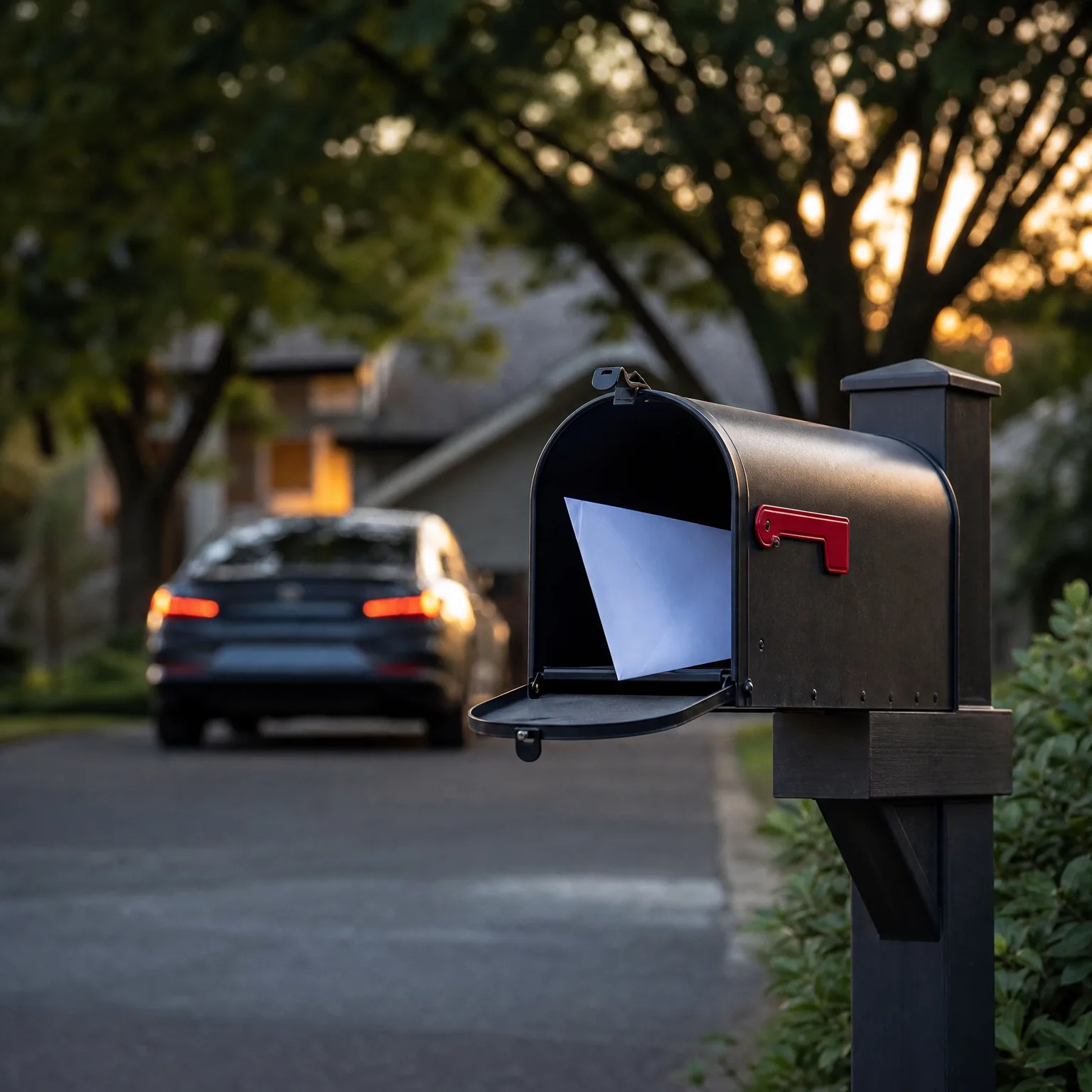
You submit the certified document to NCDMV in person at any driver license office, by mail to the NCDMV Driver Records Section (1100 New Bern Avenue, Raleigh, NC 27697), or uploaded through the myNCDMV.gov portal if your account allows document submission for this suspension type. In-person submission processes fastest—typically 1–3 business days for the hold to clear and your license status to update. Mailed submissions take 7–14 business days from receipt.

How to Verify DMV Received Your Clearance and Updated Your Record
After submitting your court clearance documentation, check your driving record status through myNCDMV.gov or by calling NCDMV Driver Records at 919-715-7000. The automated phone system provides current suspension status without holding. Your record will show "active" once the court clearance posts and any reinstatement fees are paid. Do not assume submission equals immediate clearance—processing times vary by submission method and current DMV backlog.
If 5 business days pass after in-person submission and your record still shows suspended, return to the driver license office with your submission receipt and request manual escalation. Mailed submissions that don't clear within 14 business days warrant a follow-up call to the Driver Records Section. Missing or misfiled documents are the most common delay—NCDMV processes thousands of clearance submissions weekly and clerical errors happen.
Rideshare drivers should pull an official driving record (costs $11 via myNCDMV.gov) immediately after suspension clears and submit it to Uber or Lyft driver support proactively. Both platforms run weekly background checks, but manual submission of an updated record accelerates reactivation by 3–7 days compared to waiting for their next scheduled pull.
Reinstatement Fees You'll Owe After the Court Clearance Posts
NCDMV charges a $65 license restoration fee for failure-to-appear suspensions once the court hold clears. This fee is separate from any court fines, attorney fees, or underlying case costs you paid to resolve the warrant. You cannot legally drive—even after the court matter is closed—until this reinstatement fee posts to your DMV account.
The $65 fee can be paid online via myNCDMV.gov, in person at any driver license office, or by mail with a check or money order to NCDMV (include your driver license number on the memo line). Online payments post within 24–48 hours. In-person payments post immediately and your license status updates before you leave the office. Mailed payments take 7–10 business days to process and post.
If your suspension overlapped with an insurance lapse or other administrative hold, additional fees may apply. NCDMV's system will display all outstanding fees when you log into myNCDMV.gov or when you request reinstatement in person. Rideshare drivers should verify total reinstatement cost before assuming the $65 base fee is the only amount due—multiple holds can stack, and each carries separate fees.

Line Up Coverage Before Your License Comes Back
Get Back on the Road
Limited Driving Privilege Eligibility During Warrant-Based Suspension
North Carolina does not issue Limited Driving Privileges for active failure-to-appear warrants. The court-ordered suspension remains absolute until the warrant is cleared and the underlying case is resolved. LDPs are available for certain DWI revocations, points-based suspensions, and medical disqualifications, but failure-to-appear holds are excluded from the LDP petition process under N.C.G.S. § 20-16.
Once you clear the warrant and resolve the case, the suspension converts to a standard reinstatement-eligible hold. At that point you pay the $65 restoration fee and your full driving privileges return immediately—no restricted license period, no court petition required. The path forward is clearance, documentation submission to DMV, fee payment, and reinstatement. Most rideshare drivers are back online within 5–10 business days after resolving the court matter if they submit documentation proactively.

Insurance Requirements for Reinstatement After Failure-to-Appear
Failure-to-appear suspensions in North Carolina do not require SR-22 filing as a condition of reinstatement. SR-22 is mandated for DWI convictions, uninsured motorist violations under N.C.G.S. § 20-309, and certain other high-risk triggers—but missing a court date does not place you in the high-risk insurance category.
You do need valid liability insurance to reinstate your license if you own a registered vehicle. North Carolina requires all registered vehicle owners to maintain continuous liability coverage at minimum state limits: $30,000 bodily injury per person, $60,000 bodily injury per accident, $25,000 property damage. NCDMV participates in electronic insurance verification—your carrier reports policy status directly to the state. If your policy lapsed during the suspension, reinstate coverage before paying the $65 restoration fee or your reinstatement will be delayed until insurance posts.
Rideshare drivers who do not own a vehicle do not need personal auto insurance to clear a failure-to-appear suspension. Uber and Lyft provide commercial coverage while you're logged into the app. Once your license reinstates, you can resume driving immediately without purchasing a personal policy. If you do own a vehicle, standard liability coverage satisfies NCDMV's requirement—no high-risk filing, no SR-22, no elevated premiums tied to the suspension itself.
How Long the Suspension Stays on Your NC Driving Record
The failure-to-appear suspension entry remains on your North Carolina driving record for 3 years from the date of reinstatement, not from the date of suspension. Insurance carriers and background check systems see the suspension during this window. Rideshare platforms flag suspensions during onboarding and annual background refresh cycles, but once your license status shows active and the underlying criminal or traffic case is resolved, most platforms reactivate your account.
The suspension does not add insurance points under North Carolina's Safe Driver Incentive Plan because it is an administrative hold, not a moving violation. Your insurance rates should not increase solely because of a failure-to-appear suspension—rate changes tie to the underlying charge (if any) that triggered the court date you missed, not the suspension itself. If the underlying case was dismissed or resolved without a moving violation conviction, the suspension has no direct insurance premium impact.
Rideshare drivers applying to new platforms or switching between Uber, Lyft, and delivery apps will see the suspension on background checks for 3 years. Explain the resolution proactively in driver support communications—platforms distinguish between unresolved suspensions (automatic disqualification) and cleared administrative holds (typically approved after manual review).
Frequently Asked Questions
Does clearing a failure-to-appear warrant automatically reinstate my NC license?
No. North Carolina courts do not notify NCDMV automatically when you clear a warrant. You must submit certified court disposition documents to NCDMV and pay the $65 restoration fee before your license reinstates. Most drivers wait 15–30 days unnecessarily because they assume clearance is automatic.
Can I get a Limited Driving Privilege while my failure-to-appear warrant is active?
No. North Carolina does not issue Limited Driving Privileges for active failure-to-appear warrants under N.C.G.S. § 20-16. Once you clear the warrant and resolve the underlying case, you pay the $65 reinstatement fee and full driving privileges return immediately—no restricted license period required.
Do I need SR-22 insurance to reinstate after a failure-to-appear suspension in NC?
No. Failure-to-appear suspensions do not require SR-22 filing in North Carolina. You need valid liability insurance if you own a registered vehicle, but the suspension itself does not place you in the high-risk SR-22 category. SR-22 is required for DWI convictions and uninsured motorist violations, not court-date failures.
How long does it take NCDMV to process court clearance documents after I submit them?
In-person submissions typically clear in 1–3 business days. Mailed submissions take 7–14 business days from receipt. Online uploads through myNCDMV.gov process in 3–5 business days if your account permits document submission for this suspension type. Do not assume submission equals immediate clearance—verify status before driving.
Will a failure-to-appear suspension raise my car insurance rates in North Carolina?
The suspension itself does not add insurance points or trigger rate increases under NC's Safe Driver Incentive Plan. Rate changes tie to the underlying charge that caused the court date you missed, not the administrative suspension. If the underlying case was dismissed, the suspension has no direct premium impact.
Can I drive for Uber or Lyft while my failure-to-appear suspension is pending?
No. Rideshare platforms deactivate your account immediately when their weekly background check detects an active suspension. You cannot drive until your license status shows active in NCDMV's database. After reinstatement, pull an official driving record and submit it to driver support to accelerate reactivation.
What happens if I pay the $65 reinstatement fee before submitting court clearance documents?
NCDMV will not process your reinstatement until the court hold clears. The fee payment posts to your account, but your license remains suspended until certified court disposition documents verify the warrant was cleared. Submit court clearance first, then pay the fee—reversing the order adds processing delays.
Related Articles

NC Warrant Suspension Reinstatement for Rideshare Drivers
5/3/2026
NC FTA Suspension Costs for Rideshare Drivers | Real Fees
5/3/2026
NC DUI Reinstatement for Rideshare: Court & DMV Timing
5/3/2026

NC Child Support Suspension: Court-DMV Gap Rideshare
5/3/2026
VA Warrant Clearance for Rideshare Drivers: DMV Steps
5/3/2026

NC Unpaid Ticket Suspension: Rideshare Clearance Timing
5/3/2026