
Colorado Child Support DMV Clearance: Court vs DMV Timing
Free to compare
Court Clearance Does Not Automatically Reinstate Your Colorado License
Colorado operates two parallel clearance systems for child support suspensions. The family court issues a compliance notice when you satisfy arrears or enter a payment plan. DMV Driver Control maintains a separate suspension record that requires manual submission of that court notice before processing reinstatement.
Most rideshare drivers assume court clearance triggers automatic DMV reinstatement. It does not. The court sends compliance notices to the Child Support Services division, not to DMV. Your driving record remains suspended until you or your attorney delivers the clearance documentation to Driver Control at 1881 Pierce Street in Lakewood or submits it through the reinstatement portal.
This gap creates a 15-30 day processing delay after you have already satisfied court requirements. Drivers who need immediate reinstatement for rideshare platform approval lose income waiting for a process they did not know existed.
What Documents DMV Driver Control Requires for Child Support Reinstatement
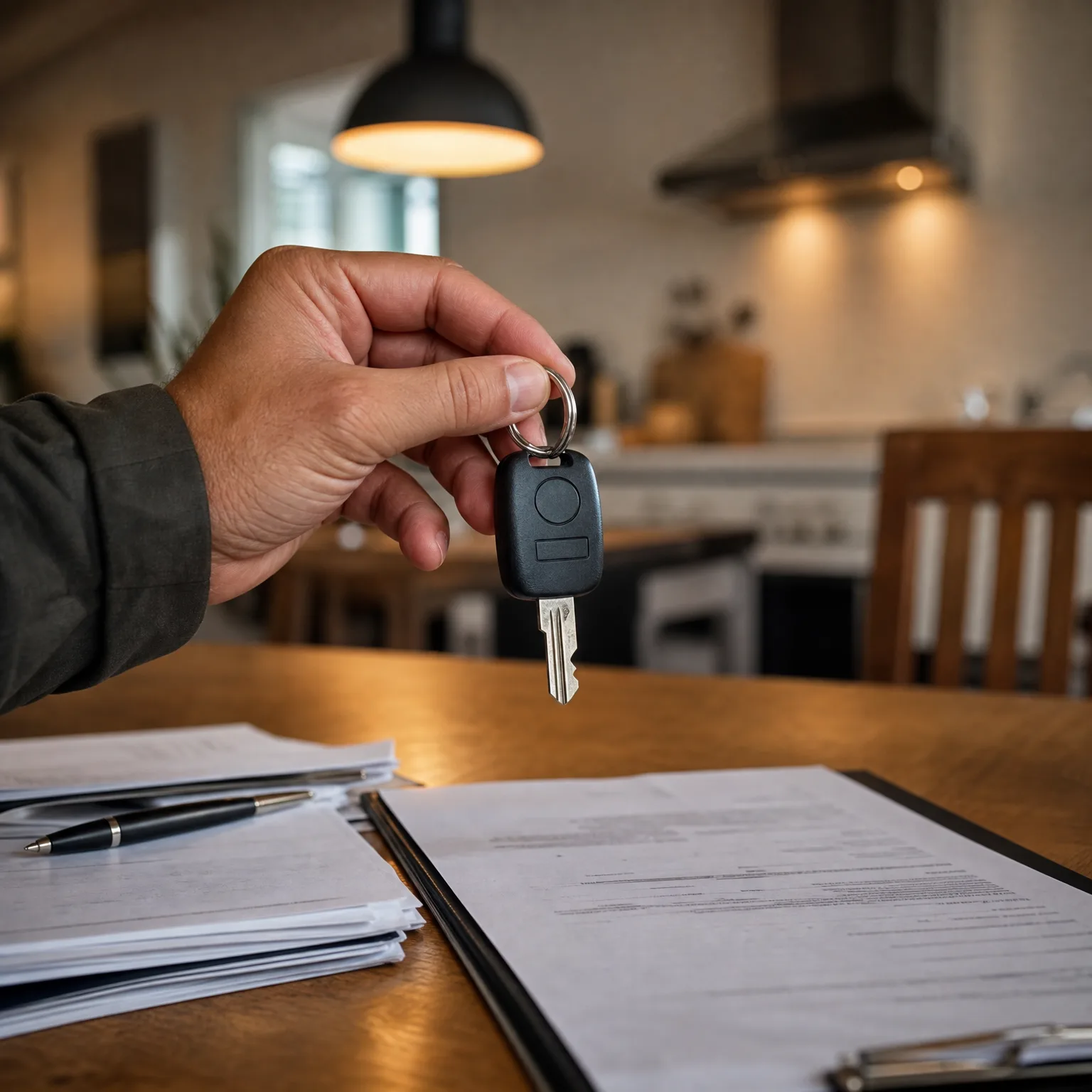
Colorado DMV will not process your reinstatement without these specific documents: the court-issued compliance notice or release letter from Child Support Services, a completed DR 2870 Reinstatement Application, proof of current Colorado vehicle insurance meeting state minimum liability limits, and payment of the $95 reinstatement fee.
The compliance notice must show your case number, the date arrears were satisfied or the payment plan was approved, and the signature of a family court clerk or Child Support Services case manager. DMV rejects photocopies without original signatures. If your court hearing resulted in a payment plan rather than full satisfaction, the notice must state your plan is current and in good standing.
Rideshare drivers often submit the reinstatement application and fee without the compliance notice, expecting DMV to verify court records independently. DMV does not perform this verification. Your application sits incomplete until you provide the missing document, which extends processing time by another 10-15 business days.


Colorado Child Support Suspensions Do Not Require SR-22 Filing
Child support arrears suspensions in Colorado are administrative actions, not moving violations. SR-22 insurance is not required for reinstatement. You need proof of standard Colorado liability insurance meeting 25/50/15 minimum coverage limits, but you do not need to file SR-22 certificates with the state.
Many drivers purchase SR-22 policies unnecessarily because carriers and aggregators default to SR-22 messaging for any suspension. This adds $300-$800 annually to your insurance cost for a filing requirement you do not have. Verify your suspension type before purchasing coverage.
If your suspension combined child support arrears with another violation—such as driving without insurance or a DUI—the other violation may trigger SR-22 requirements separately. Check your suspension notice or call DMV Driver Control at 303-205-5600 to confirm whether your specific case requires SR-22.
How Rideshare Platform Background Checks Handle Suspended Licenses During Reinstatement
Uber and Lyft run continuous background monitoring on active drivers. Your license suspension appears on their dashboard within 3-7 days of DMV recording the suspension. Most platforms deactivate your account immediately and require proof of reinstatement before reactivation.
Colorado DMV issues a temporary receipt when you complete in-person reinstatement at a driver license office. This receipt confirms your license is valid but does not always satisfy rideshare platform requirements. Uber typically accepts the temporary receipt if it includes your license number and reinstatement date. Lyft often requires the physical license card, which arrives by mail 10-14 business days after reinstatement.
Drivers who submit court clearance to DMV but do not complete the reinstatement process remain suspended on platform background checks. Court compliance alone does not change your driving record status. Your license shows reinstated only after DMV Driver Control processes your full reinstatement application and updates the state driving record database.

Line Up Coverage Before Your License Comes Back
Get Back on the Road
Processing Timeline: Court Clearance to Active Rideshare Driving
Expect 25-45 days total from court clearance to rideshare reactivation if you follow the correct sequence. Court issues compliance notice within 5-10 business days of your final payment or approved payment plan. You submit that notice with your DR 2870 application, insurance proof, and $95 fee to DMV Driver Control.
DMV processes reinstatement applications in 10-15 business days if all documents are complete. Incomplete applications or missing signatures add another 10-15 days. Once DMV updates your driving record, you can complete in-person reinstatement at any Colorado driver license office and receive a temporary receipt.
Rideshare platforms update their background check databases 3-7 days after DMV records your reinstatement. Lyft drivers waiting for the physical license card add another 10-14 days. The fastest path is in-person DMV reinstatement with all documents ready, followed by immediate submission of your temporary receipt to the rideshare platform.
What Happens If You Drive for Rideshare Platforms While Suspended
Driving while your license is suspended in Colorado is a Class 2 misdemeanor traffic offense. First conviction carries a minimum $500 fine and up to 90 days in jail. Judges typically impose fines and probation for first offenses, but jail time is possible.
Rideshare platforms deactivate drivers with suspended licenses to protect their commercial liability coverage. If you drive anyway and are involved in an accident, the platform's insurance will deny your claim. You become personally liable for all damages, which can exceed $100,000 in injury cases.
Colorado courts treat driving-while-suspended convictions more harshly when the underlying suspension involved child support arrears. Judges view continued driving as willful disregard of family obligations, which increases the likelihood of jail sentences and higher fines on subsequent offenses.
Insurance Requirements for Colorado Rideshare Drivers After Reinstatement
Colorado requires all drivers to maintain liability insurance meeting 25/50/15 minimum limits: $25,000 per person for bodily injury, $50,000 per accident for bodily injury, and $15,000 for property damage. Rideshare platforms require commercial rideshare endorsements or separate rideshare policies when you are online and available for ride requests.
Most personal auto policies exclude coverage during rideshare activity. Your carrier's standard policy covers personal driving but not the period when you are logged into the Uber or Lyft app waiting for ride requests. You need either a rideshare endorsement added to your personal policy or a separate commercial rideshare policy.
Reinstatement after a child support suspension does not change your insurance rates the way a DUI or reckless driving conviction would. Your premiums reflect your standard risk profile plus the rideshare endorsement cost, which typically adds $15-$30 per month to your personal policy. Standard liability coverage satisfies Colorado reinstatement requirements without SR-22 filing.
Frequently Asked Questions
How long does Colorado DMV take to process child support reinstatement after I submit court clearance?
Colorado DMV Driver Control processes complete reinstatement applications in 10-15 business days. Incomplete applications or missing court signatures extend processing by another 10-15 days. Submit all required documents—compliance notice, DR 2870 form, insurance proof, and $95 fee—in one package to avoid delays.
Can I drive for Uber or Lyft in Colorado while my child support reinstatement is processing?
No. Rideshare platforms deactivate drivers immediately when a license suspension appears on continuous background monitoring. Your account remains inactive until you submit proof of reinstatement, typically the temporary receipt from a Colorado driver license office or your updated physical license card.
Does paying child support arrears in Colorado automatically reinstate my driver's license?
No. Court clearance and DMV reinstatement are separate processes. The court issues a compliance notice when you satisfy arrears, but you must submit that notice to DMV Driver Control with a reinstatement application before your driving record updates.
Do I need SR-22 insurance to reinstate my Colorado license after a child support suspension?
No. Child support suspensions in Colorado do not require SR-22 filing. You need proof of standard liability insurance meeting 25/50/15 minimum limits. SR-22 is required only for DUI, reckless driving, or uninsured driving suspensions.
What happens if Lyft requires my physical license card but Colorado DMV only gave me a temporary receipt?
Colorado mails physical license cards 10-14 business days after in-person reinstatement. Uber typically accepts the temporary receipt. Lyft often requires the physical card. Contact Lyft driver support with your temporary receipt and explain Colorado's mail timeline—some regional support teams accept receipts on a case-by-case basis.
Can I get a Colorado hardship license while my child support suspension is active?
No. Colorado does not issue hardship or restricted licenses for child support arrears suspensions. The only reinstatement path is satisfying your arrears or entering an approved payment plan, then completing the full reinstatement process through DMV Driver Control.
Related Articles

CO Child Support Reinstatement: Court vs DMV Timing
5/3/2026
CO Child Support Suspension: Court vs DMV Clearance
5/3/2026
Colorado CDL Child Support Reinstatement Timing
5/3/2026
CA Child Support Suspension: Rideshare DMV Verification
5/3/2026
SD Child Support Suspension: Court to DMV Timeline
5/3/2026
CO Child Support Suspension: Reinstatement Cost Stack
5/3/2026