SD Child Support Suspension: Court Clearance to DMV Reinstatement
Free to compare
Why Court Clearance Doesn't Immediately Restore Your South Dakota License
South Dakota DMV and the circuit court operate independent databases with no real-time synchronization. When you satisfy your child support arrears or reach a payment arrangement the court approves, the court updates its own records—but that clearance does not automatically post to the DMV system that controls your driving privilege.
The court must issue a compliance notice to the Division of Child Support, which then notifies DMV to lift the suspension. This administrative handoff introduces a 10–21 day processing gap in most cases. Rideshare drivers who assume court compliance equals immediate reinstatement lose income during that window because the DMV portal and law enforcement systems still reflect the suspension.
South Dakota child support suspensions require no SR-22 filing. This is purely administrative—once the clearance posts to DMV and you pay the $50 reinstatement fee, you're legally authorized to drive again. No insurance filing, no court-ordered education, no restricted license phase.
The Three-Agency Timeline Rideshare Drivers Need to Track
Your reinstatement path requires coordination between the family court, Division of Child Support (DCS), and SD DMV. Each agency controls a separate step, and none of them wait for the others.
First: the court. Once you satisfy arrears or the court approves a payment plan, request a clearance order in writing at the same hearing or filing. Do not assume the clerk will generate this automatically. The clearance order is the document DCS needs to release the hold.
Second: Division of Child Support. DCS receives the court's clearance order and issues a compliance notice to DMV. This step typically takes 7–14 business days. You can verify status by calling DCS directly at the phone number on your original suspension notice—DMV cannot tell you whether DCS has sent the release.
Third: SD DMV. Once DMV receives the compliance notice from DCS, your suspension is eligible for reinstatement. You must pay the $50 reinstatement fee in person or online, and DMV processes the reinstatement within 1–3 business days after payment posts. Your license status updates in the state database at that point, which is what law enforcement and rideshare platforms verify.

What Rideshare Platforms See During the Clearance Gap
Uber and Lyft run background checks against South Dakota's driver license database at onboarding and periodically during your tenure. If your license shows suspended in that database, your account is deactivated regardless of what the court told you.
The platform does not have access to court records or DCS clearance notices. It sees only what DMV reports. Until DMV processes your reinstatement and updates the state database, the platform's verification system flags you as unlicensed.
Most rideshare drivers in this situation submit court documentation to the platform's support team, expecting manual review to override the suspension flag. The platform cannot do this. The DMV database is the single source of truth for all rideshare background checks in South Dakota. Court paperwork proving compliance does not change what the platform sees until DMV updates its system.

Line Up Coverage Before Your License Comes Back
Get Back on the RoadHow to Verify Your Clearance Posted to DMV Before Paying the Fee
Before you pay the $50 reinstatement fee, confirm DMV has received the compliance notice from DCS. Call SD DMV Driver Licensing at 605-773-6883 and provide your driver license number. Ask whether a child support compliance release is showing in your record.
If DMV confirms the release is on file, pay the reinstatement fee immediately. You can pay online through the SD DMV portal or in person at any DMV office. Once payment posts, reinstatement processes within 1–3 business days.
If DMV says no release is on file yet, call Division of Child Support to confirm they received the court's clearance order and ask when the compliance notice was sent. If DCS has not yet sent the notice, follow up with the court to confirm the clearance order was transmitted. This is where most delays originate—court clerks sometimes hold clearance orders in a processing queue rather than sending them the same day.
Insurance Requirements for Rideshare Drivers Reinstating After Child Support Suspension
South Dakota does not require SR-22 filing for child support suspensions. Your reinstatement is purely administrative—once you pay the fee and DMV updates your status, you're legal to drive.
You must carry active liability insurance that meets South Dakota minimums: 25/50/25 ($25,000 bodily injury per person, $50,000 per accident, $25,000 property damage). If your policy lapsed during the suspension, reinstate it or purchase a new policy before you begin driving again.
Rideshare platforms require commercial rideshare endorsements or TNC policies in addition to your personal auto policy. Verify your carrier offers rideshare coverage and that your policy was not canceled during the suspension period. If it was canceled, you will need to re-shop. Carriers sometimes non-renew policies when a driver's license is suspended for any reason, even non-driving violations like child support.
What Happens If You Drive Before DMV Updates the Database
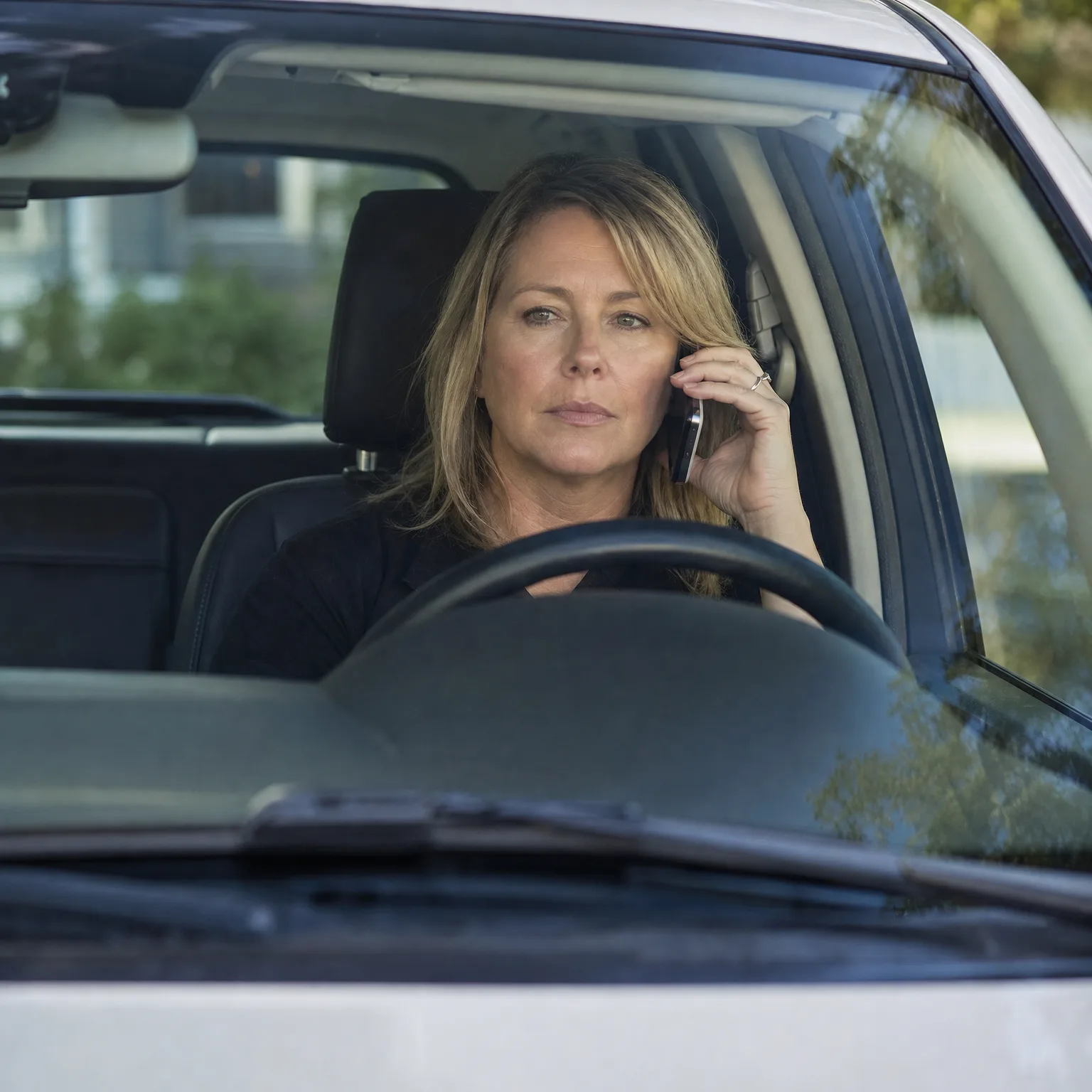
Driving after court clearance but before DMV reinstatement is legally treated as driving on a suspended license under South Dakota law. Law enforcement systems pull real-time data from the DMV database, not court records.
If you are stopped during the clearance gap, the officer sees an active suspension. Presenting court documents at the traffic stop does not change the database status. You will likely be cited for driving under suspension, which is a Class 2 misdemeanor in South Dakota carrying a $500 fine and up to 30 days in jail for first offense.
Rideshare platforms deactivate drivers immediately upon detection of a suspended license flag. If your account is deactivated during the clearance gap and you are later reinstated by DMV, you must contact the platform's support team to request re-verification. The platform does not automatically reactivate accounts when DMV updates—it runs background checks on a schedule, and manual intervention is required to trigger an off-cycle check.
Frequently Asked Questions
Does South Dakota require SR-22 filing to reinstate after child support suspension?
No. Child support suspensions in South Dakota are purely administrative and require no SR-22 filing. Once you satisfy arrears or establish an approved payment plan, the court issues a compliance notice to DMV, and you pay the $50 reinstatement fee. Active liability insurance meeting state minimums is required, but no high-risk filing.
How long does it take for court clearance to post to South Dakota DMV?
Typically 10–21 days from the date the court issues the clearance order. The court sends the order to Division of Child Support, which then notifies DMV. Each step introduces processing time. You can call DCS and DMV directly to track where the clearance is in the pipeline.
Can I drive in South Dakota with court documents proving I cleared my arrears?
No. Court documents do not change your license status in the DMV database. Law enforcement and rideshare platforms verify driving privileges against the DMV system, which is not updated until DMV receives the compliance notice from Division of Child Support and you pay the reinstatement fee. Driving before reinstatement is treated as driving under suspension.
Will Uber or Lyft reactivate my account automatically when my license is reinstated?
No. Rideshare platforms run background checks on a schedule, not in real time. Once DMV updates your status and you pay the reinstatement fee, you must contact the platform's support team to request a manual re-verification. Provide proof of reinstatement (a current driver license or DMV printout showing active status) to expedite the review.
What is the reinstatement fee for child support suspension in South Dakota?
$50, payable online through the SD DMV portal or in person at any DMV office. Payment must be made after DMV receives the compliance notice from Division of Child Support. Reinstatement processes within 1–3 business days after payment posts.
Can I get a restricted license in South Dakota while my child support suspension is active?
No. South Dakota does not offer restricted or hardship licenses during child support suspensions. The suspension remains in effect until you satisfy arrears or establish a court-approved payment plan, the court issues a compliance notice, and you pay the reinstatement fee.
What happens to my insurance policy during a child support suspension in South Dakota?
Your policy is not automatically canceled, but some carriers non-renew policies when a driver's license is suspended for any reason. Contact your carrier to confirm your policy is still active. If it lapsed or was canceled, purchase a new policy before driving again—South Dakota requires continuous liability coverage on registered vehicles.
Related Articles

SD Child Support Suspension: Court Clearance Timeline
5/3/2026

SD Child Support Suspension: Reinstatement Cost for Rideshare
5/3/2026
SD Child Support Clearance: Court vs DMV Timing Gap
5/3/2026
SD Child Support CDL Suspension: Court Clearance Gap
5/3/2026
SD Child Support Suspension Reinstatement Costs
5/3/2026
SD Child Support Suspension: Reinstatement & SR-22
5/3/2026