
Colorado Child Support Reinstatement: Court vs DMV Clearance Timing
Free to compare
Why Colorado DMV Still Shows Your License Suspended After Court Clearance
Colorado family courts and the Division of Motor Vehicles operate separate data systems with no automatic synchronization. When you pay arrears or establish a compliant payment plan, the court issues a compliance notice—but that notice does not automatically post to your DMV driving record.
Most single parents assume court clearance equals immediate reinstatement eligibility. It doesn't. The Colorado Department of Human Services Child Support Services division (CDHSS) must submit a separate clearance form to the DMV after receiving your court documentation. That administrative step adds 15-45 days to your timeline depending on county processing volume and whether you submitted the clearance request in person or by mail.
Colorado Revised Statutes § 14-14-113 authorizes child support license suspension but does not mandate real-time clearance coordination between agencies. The law places the burden on you to confirm both court clearance and DMV notification have occurred before attempting reinstatement.
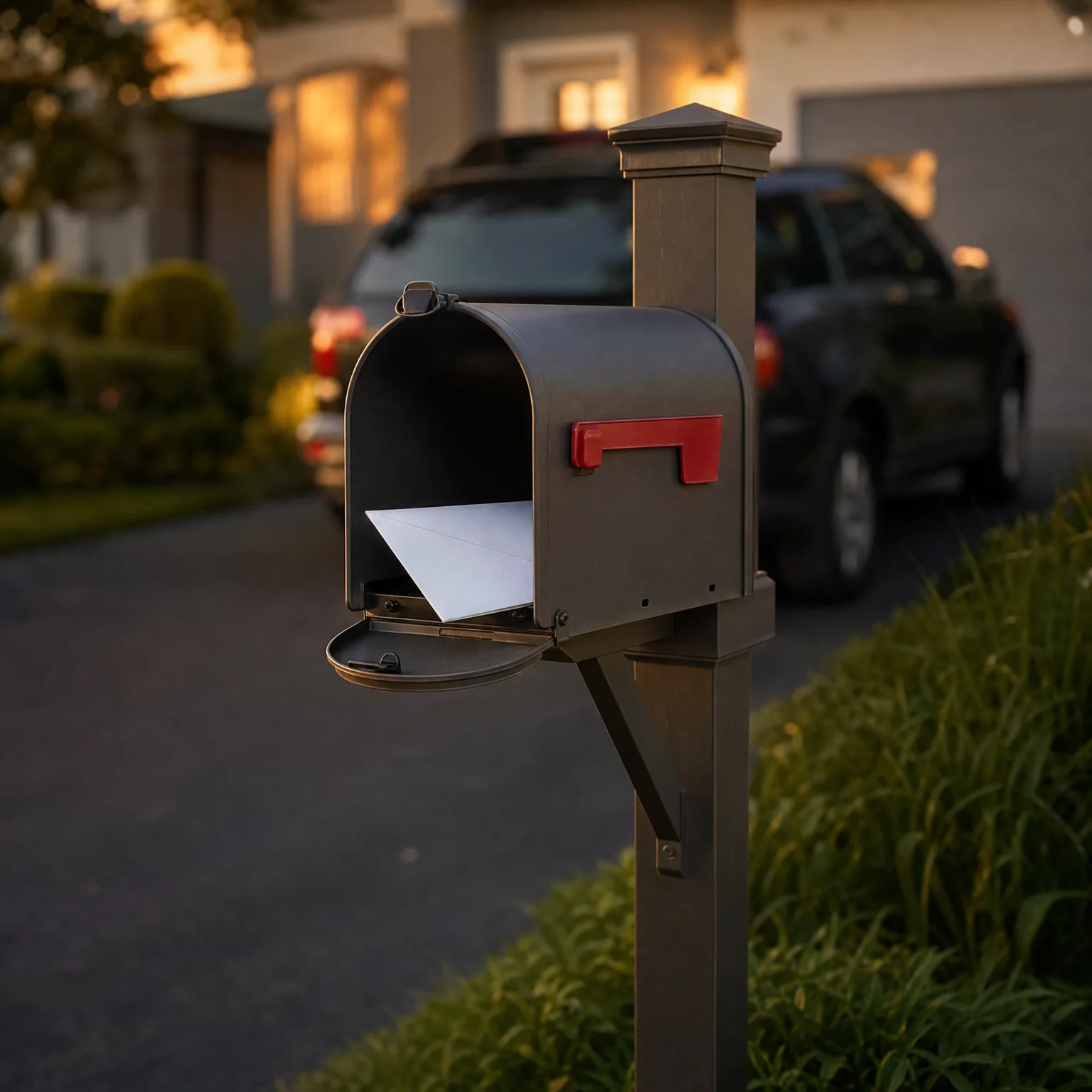
The Three-Agency Coordination Gap Colorado Doesn't Publicize
Your reinstatement timeline involves three entities: family court (which issues the original suspension order), CDHSS (which enforces arrears collection and issues compliance notices), and the Colorado DMV (which executes the suspension and processes reinstatement).
Here's the sequence most drivers miss. Family court receives your payment or approves your payment plan and updates its internal case file. CDHSS receives notification from the court but processes clearance requests in batch cycles—typically weekly, sometimes biweekly in rural counties. Only after CDHSS generates a clearance form does the DMV remove the suspension hold from your driving record. Each handoff creates delay.
The DMV does not accept court documentation directly for child support reinstatements. You cannot walk into a driver license office with your court order and expect immediate processing. The clearance must come from CDHSS, and CDHSS requires proof you satisfied court conditions before submitting that clearance to DMV. No agency assumes another has notified you of missing steps or pending deadlines.

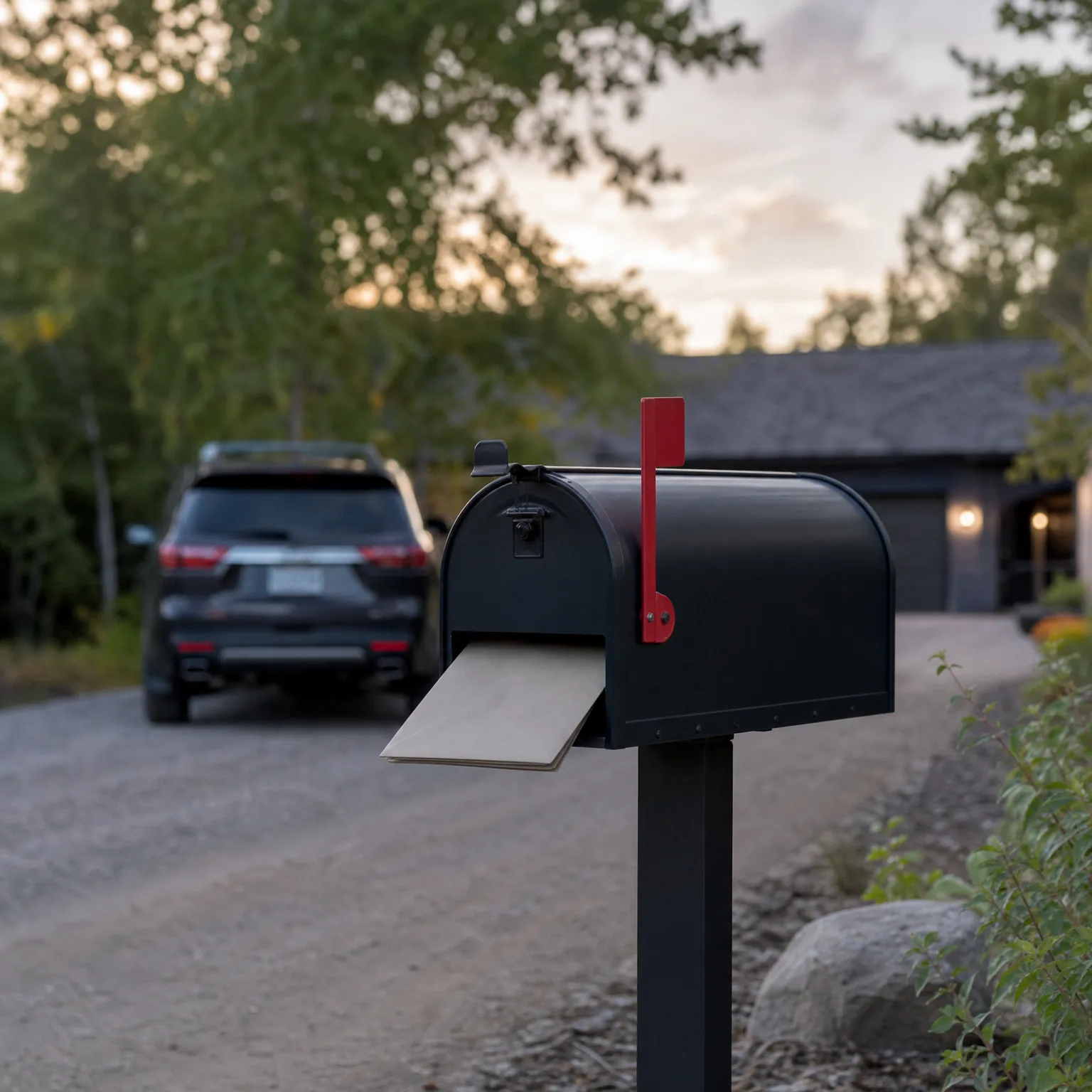
How to Confirm Court Clearance Actually Reached DMV
Obtain written confirmation from family court that your arrears are cleared or your payment plan is approved and in good standing. Request a case status printout that shows zero current arrears or documented payment compliance dates. Do not rely on verbal confirmation from court staff.
Contact CDHSS Child Support Services at 1-844-678-8748 (the statewide enforcement line) and request confirmation that a clearance notice has been submitted to DMV on your behalf. Ask for the submission date and a reference number. CDHSS can tell you whether the clearance is pending, submitted, or processed. If the clearance has not been submitted, ask what documentation CDHSS needs from you to trigger that submission.
Once CDHSS confirms submission, wait 5-7 business days, then check your DMV driving record online at dmv.colorado.gov or by visiting a driver license office. The suspension hold should disappear from your record once DMV processes the clearance. If the hold remains after 10 business days, return to CDHSS with your DMV record printout and request escalation. Missing this verification step is why most single parents wait 30-60 days longer than legally required.
What the $95 Reinstatement Fee Covers and When It's Due
Colorado charges a $95 base reinstatement fee for child support suspensions under C.R.S. § 42-2-132. This fee is paid to the DMV after the suspension hold is removed from your driving record—not before, and not to CDHSS.
The fee does not apply to insurance or SR-22 filings. Child support suspensions in Colorado do not require SR-22 coverage to reinstate. You must show proof of current auto insurance when you reinstate, but that's standard liability coverage, not high-risk SR-22 filing. Aggregators often conflate child support suspensions with DUI or uninsured driver suspensions, which do require SR-22. Colorado law does not impose SR-22 on administrative child support suspensions.
Pay the reinstatement fee online through myDMV (mydmv.colorado.gov) or in person at any driver license office once CDHSS clearance appears on your record. Bring your court clearance documentation and CDHSS reference number as backup. Processing is typically same-day for online payments, 1-3 business days for in-person payments depending on office volume.

Line Up Coverage Before Your License Comes Back
Get Back on the Road
No Hardship License Option for Child Support Suspensions in Colorado
Colorado's Early Reinstatement / Probationary License program under C.R.S. § 42-2-132.5 is available for DUI and points-related suspensions. It does not apply to administrative child support suspensions.
The state views child support enforcement suspensions as compliance-based, not safety-based. You regain full driving privileges once you satisfy arrears or establish a payment plan—there is no restricted or work-only license available during the suspension period. This distinguishes child support suspensions from DUI or medical suspensions, where Colorado offers limited driving privileges through hardship pathways.
If you need to drive for work, medical appointments, or family care during the suspension, your only legal option is to resolve the underlying child support compliance issue with family court and CDHSS. Driving on a suspended license for child support arrears in Colorado is a Class 2 misdemeanor under C.R.S. § 42-2-138, carrying fines up to $300 and potential jail time. That conviction creates a second suspension layered on top of the child support hold, extending your total time off the road.

Insurance Requirements During and After Suspension
Colorado does not require you to maintain auto insurance while your license is suspended for child support arrears if you are not driving. However, if you own a registered vehicle, that vehicle must carry liability coverage under C.R.S. § 42-4-1409 regardless of suspension status. Letting registration lapse to avoid insurance costs triggers a separate insurance lapse suspension when you attempt to reinstate.
When you reinstate, you must show proof of current liability insurance meeting Colorado's minimum limits: $25,000 bodily injury per person, $50,000 per accident, and $15,000 property damage. Standard liability policies satisfy this requirement. You do not need SR-22 filing for child support reinstatements.
If you sold your vehicle during suspension or never owned one, consider a non-owner liability policy. Non-owner policies provide the proof-of-insurance documentation DMV requires at reinstatement without the cost of insuring a specific vehicle. Rates for non-owner liability in Colorado typically run $30-$60 per month depending on your county and driving history prior to suspension.
What Happens If You Miss a Payment Plan Deadline After Reinstatement
Reinstating your license does not close your child support case. If your reinstatement was based on a court-approved payment plan rather than full arrears clearance, CDHSS continues monitoring your compliance.
Missing two consecutive payments or falling 30 days behind on your plan triggers automatic re-suspension under Colorado's enforcement protocols. CDHSS does not issue a warning letter before submitting the new suspension request to DMV. Most drivers discover the re-suspension when they are pulled over or attempt to renew their registration.
The second suspension follows the same clearance process: court compliance documentation, CDHSS clearance submission, DMV processing delay, and another $95 reinstatement fee. Repeat suspensions do not carry escalating fees under current Colorado law, but each cycle costs you time and the reinstatement fee. Set up automatic payments or calendar reminders for your payment plan deadlines to avoid restarting the process.
Frequently Asked Questions
Does Colorado require SR-22 filing to reinstate a license suspended for child support?
No. Colorado does not require SR-22 filing for child support suspensions. You need proof of standard liability insurance meeting state minimums at reinstatement, but SR-22 is not part of the child support reinstatement process. SR-22 is required for DUI, reckless driving, and uninsured driver suspensions only.
How long does it take for family court clearance to show up at Colorado DMV?
Typically 15-45 days after court clearance. Family court does not automatically notify DMV. The Colorado Department of Human Services must submit a clearance form to DMV after processing your court documentation. Processing speed varies by county and whether you submitted the clearance request in person or by mail.
Can I get a hardship license in Colorado while my license is suspended for child support?
No. Colorado's hardship license program (Early Reinstatement / Probationary License) is available only for DUI and points-related suspensions. Child support suspensions are administrative and compliance-based. Your only option is to resolve the arrears or establish a compliant payment plan with family court and CDHSS.
What happens if I drive in Colorado on a license suspended for child support?
Driving on a child support suspension is a Class 2 misdemeanor under C.R.S. § 42-2-138, carrying fines up to $300 and possible jail time. That conviction creates a second suspension layered on top of the child support hold, extending your total time without a valid license and requiring a separate reinstatement process.
Do I need insurance while my Colorado license is suspended for child support?
Not if you're not driving. However, if you own a registered vehicle, that vehicle must carry liability coverage under Colorado law regardless of your suspension status. Letting coverage lapse triggers a separate insurance suspension when you attempt to reinstate. Non-owner policies are a cost-effective option if you sold your vehicle during suspension.
Will Colorado automatically re-suspend my license if I miss a payment plan deadline?
Yes. Missing two consecutive payments or falling 30 days behind on your court-approved payment plan triggers automatic re-suspension. CDHSS does not issue warnings before submitting the new suspension request to DMV. You'll face another clearance process and another $95 reinstatement fee.
Can I pay the Colorado reinstatement fee before CDHSS clearance posts to DMV?
No. The DMV will not accept the $95 reinstatement fee until the child support suspension hold is removed from your driving record. The clearance must come from CDHSS first, then you pay the fee to DMV. Attempting to pay before clearance posts wastes time and creates processing confusion.
Related Articles
CO Child Support Suspension: Court vs DMV Clearance
5/3/2026

Colorado CDL Child Support Reinstatement Timing
5/3/2026

Colorado Child Support License Reinstatement: DMV Timing
5/3/2026

Reinstating DUI Suspension in Colorado: Parent Timeline
5/3/2026

Colorado Lapse Reinstatement: Court & DMV Timing
5/3/2026

DC Child Support Suspension: Court to DMV Timing
5/3/2026