
Texas ODL After Insurance Lapse: Court Clearance & DPS Timing
Free to compare
Why Your Court-Approved ODL Doesn't Automatically Post to DPS
Texas requires county court approval before DPS issues the physical Occupational Driver License, but the two agencies do not sync in real time. Your judge signs the order Thursday morning, and DPS may not see that order in their system until the following Tuesday. Most single parents leave the courthouse believing they can visit DPS that afternoon—they arrive at the driver license office and are told no order appears in the system.
Courts submit ODL orders to DPS electronically through the Texas Justice Court Case Management System or by certified mail, depending on county infrastructure. Electronic submissions typically post within 3–7 business days. Mail submissions can take 10–14 business days. Harris County and Travis County use electronic filing; smaller rural counties often mail paper orders. If you petitioned in a county without electronic court-to-DPS integration, add a full week to your timeline.
The court clerk cannot tell you when DPS will receive your order. DPS cannot expedite processing of an order not yet in their queue. The only action you control is ensuring your SR-22 certificate is filed and active before you attempt to visit DPS, because both documents must appear simultaneously in the DPS system for license issuance.

SR-22 Filing Must Clear DPS Verification Before ODL Issuance
Texas law requires every ODL holder to maintain SR-22 financial responsibility filing for the duration of the license, regardless of the suspension trigger. Your insurance carrier files SR-22 electronically with DPS, but that filing does not post instantly. Carrier-to-DPS transmission typically processes within 24–72 hours, but DPS batches SR-22 verifications once daily, which means a filing submitted Monday afternoon may not show verified in the DPS system until Wednesday morning.
Single parents coordinating childcare, work schedules, and court dates often file SR-22 the same day as the court hearing, assuming both will be ready simultaneously. The court order takes 3–7 days to post. The SR-22 filing takes 1–3 days to verify. If you file SR-22 two days before your court date, you create a buffer—when the court order finally posts to DPS, your SR-22 is already verified and waiting. If you file SR-22 after the court hearing, you add processing delay on top of the court-order posting delay.
DPS will not issue your ODL until both the court order and the SR-22 verification appear active in their system. Arriving at the DPS office with a paper copy of your court order and a carrier confirmation email does not override this requirement. The clerk at the window cannot manually enter your order or SR-22 into the system—it must post through the official channels.

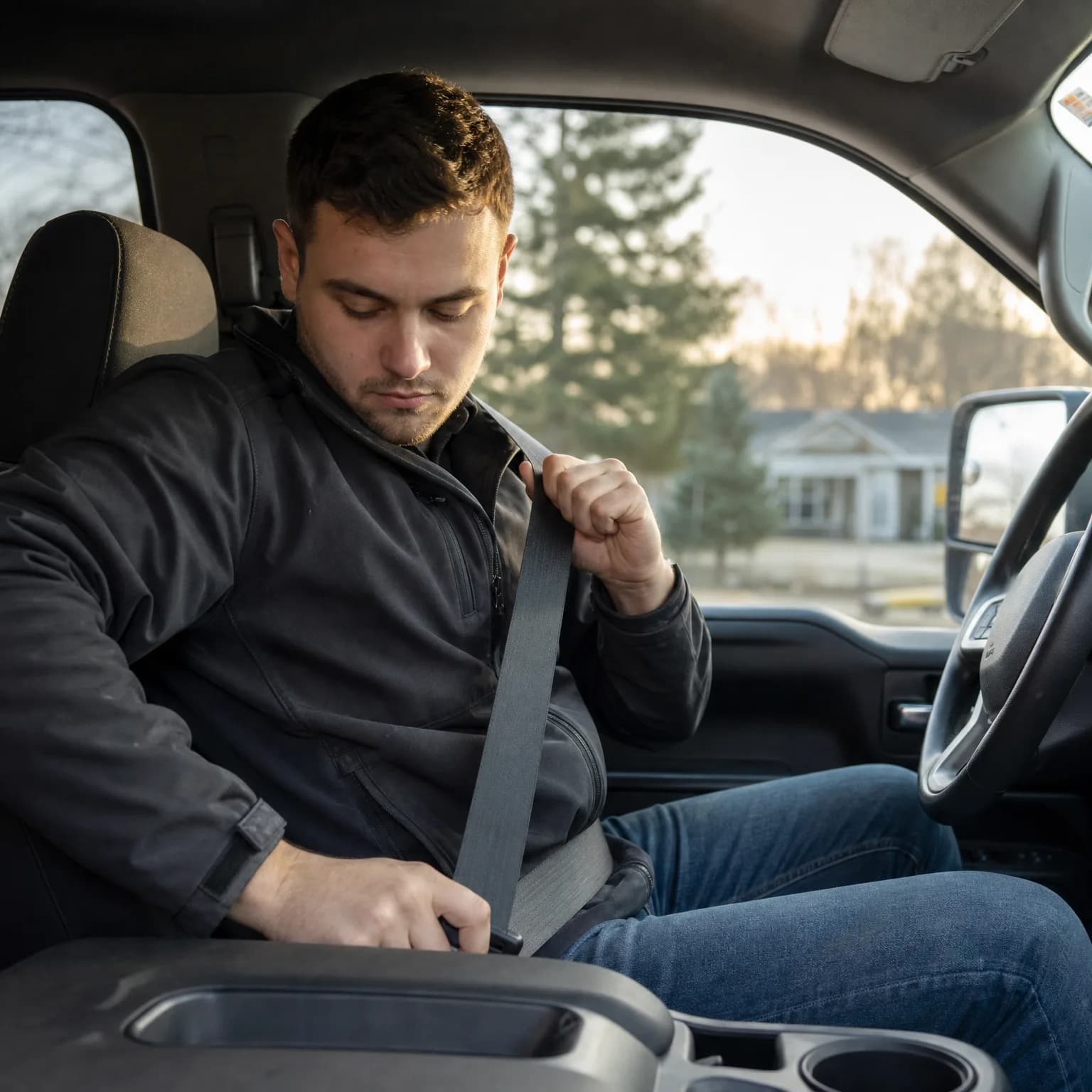
How Single Parents Can Minimize the DPS Verification Gap
Request SR-22 filing from your carrier the day you file your ODL petition with the court, not the day of your hearing. This synchronizes the two processing timelines. Most non-standard carriers that specialize in SR-22 filings can issue and electronically file your certificate within 24 hours of policy purchase, but verification at DPS still requires 1–3 business days after the carrier submits the filing.
Call DPS Driver License Customer Service at 512-424-2600 three business days after your court hearing to confirm whether your court order has posted to their system. DPS cannot tell you when it will post, but they can confirm whether it has already posted. If the order shows active in their system and your SR-22 filing also shows verified, you can visit any driver license office for ODL issuance without wasting a trip.
Bring the original signed court order, your SR-22 certificate (either paper or digital), proof of identity, proof of residency, and the $125 reinstatement fee when you visit DPS. Even though DPS has the court order and SR-22 in their system, some offices require the physical documents for cross-verification. If your court order specifies ignition interlock installation as a condition of the ODL, bring IID installation verification from your provider—DPS will not issue the license without proof the device is active.

Line Up Coverage Before Your License Comes Back
Get Back on the RoadWhat Happens If You Miss the Court-Defined Essential Need Documentation
Texas courts require your ODL petition to include detailed documentation of essential need: employer verification letters on company letterhead stating your work address and required hours, school enrollment records showing class schedules and campus locations, or medical provider letters documenting recurring appointments. The court order will specify the exact routes and time windows you are permitted to drive. DPS does not verify these restrictions at the time of license issuance, but law enforcement will.
If a trooper stops you at 9:30 PM and your court order permits driving only between 6:00 AM and 8:00 PM, you are operating outside your restriction. That violation triggers immediate ODL revocation and adds a willful violation charge to your record, which disqualifies you from reapplying for an ODL for 12 months in most Texas counties. Single parents often underestimate the precision required in route documentation—stating you need to drive to work is insufficient. The petition must include your employer's street address, your home address, and the specific route between them.
Texas Transportation Code §521.246 limits ODL driving to 12 hours in any 24-hour period, regardless of how many essential needs you list. If your court order permits driving from 5:00 AM to 6:00 PM for work and from 7:00 PM to 10:00 PM for childcare pickup, you exceed the 12-hour cap. Judges will deny petitions that request more than 12 total hours. Most single parents need to consolidate errands into the smallest possible driving window to stay within statutory limits.

How Long SR-22 Filing Must Remain Active After ODL Issuance
Texas requires SR-22 filing for two years from the date of reinstatement for most suspension types under Transportation Code §601.153. If your ODL is issued on March 15, 2025, your SR-22 filing must remain active and verified through March 15, 2027, even if your underlying suspension is fully cleared before that date. Letting your SR-22 lapse before the two-year period ends triggers automatic re-suspension of your full driving privileges and revocation of your ODL.
Your insurance carrier will notify DPS electronically if your policy cancels or lapses. DPS processes these notifications within 24–48 hours and mails a suspension notice to your address on record. Most single parents do not realize that missing a single monthly premium payment can cascade into re-suspension—carriers typically allow a 10-day grace period before canceling for non-payment, but once the cancellation notice hits DPS, your ODL is no longer valid even if you reinstate the policy the next day.
If you need to switch carriers during the two-year SR-22 period, ensure the new carrier files SR-22 before you cancel the old policy. Texas does not allow any gap in SR-22 coverage, even a single day. A lapse of one day triggers re-suspension. Most non-standard carriers will coordinate the filing transition if you request it in advance, but they will not do it automatically—you must specify that continuous SR-22 filing is required.
What Insurance Actually Costs for ODL Holders in Texas
SR-22 filing itself costs $15–$25 as a one-time processing fee, but the underlying liability policy required to support the SR-22 costs significantly more for suspended drivers. Texas non-standard carriers typically quote $140–$210 per month for minimum liability coverage with SR-22 filing for drivers with suspended licenses. If you do not currently own a vehicle, non-owner SR-22 policies cost $50–$90 per month and satisfy the DPS filing requirement without insuring a specific car.
Single parents often delay SR-22 filing because they assume the cost will be unaffordable, but non-owner policies are structured specifically for this scenario. You maintain continuous SR-22 filing, satisfy the court's ODL insurance condition, and avoid the higher premiums associated with insuring a vehicle you may not currently drive. If you later purchase or borrow a vehicle, you must upgrade to a standard owner policy before driving that vehicle—non-owner policies do not cover vehicles you own or regularly use.
Estimates based on available industry data; individual rates vary by county, age, and prior insurance history. Carriers specializing in high-risk filings include Bristol West, The General, Acceptance Insurance, and Freeway Insurance. Most require full payment of the first month's premium before filing SR-22 with DPS.
Frequently Asked Questions
Can I drive immediately after my Texas ODL court hearing?
No. The court order must post electronically to DPS and your SR-22 filing must show verified in the DPS system before you can visit a driver license office to obtain the physical ODL. This verification gap typically takes 3–7 business days for electronic court filings and 10–14 days for mailed orders. Driving before DPS issues the physical license is operating without a valid license.
What happens if my SR-22 filing lapses while I have an ODL in Texas?
DPS will revoke your ODL immediately and re-suspend your full driving privileges. Your carrier notifies DPS electronically when your policy cancels, and DPS processes the suspension within 24–48 hours. Even a one-day gap in SR-22 coverage triggers re-suspension. You must refile SR-22, pay a new reinstatement fee, and petition the court again for a new ODL if you want restricted driving privileges.
Do I need to own a car to get SR-22 filing for my Texas ODL?
No. Texas accepts non-owner SR-22 policies, which provide liability coverage when you drive a vehicle you do not own. Non-owner policies cost $50–$90 per month in Texas and satisfy the DPS SR-22 filing requirement without insuring a specific vehicle. If you later purchase a car, you must switch to an owner policy before driving that vehicle.
How do I know when my court order has posted to the DPS system?
Call DPS Driver License Customer Service at 512-424-2600 three business days after your court hearing and provide your driver license number. DPS can confirm whether the court order appears in their system, but they cannot tell you when it will post if it has not yet arrived. Electronic court filings typically post within 3–7 business days; mailed orders take 10–14 days.
Can I drive outside my court-approved hours if it's an emergency in Texas?
No. Texas ODL restrictions are strict and do not include emergency exceptions. If a trooper stops you outside your court-defined time window or route, your ODL is revoked immediately and you face a willful violation charge. Most counties disqualify you from reapplying for an ODL for 12 months after a restriction violation. Plan essential errands within your approved hours or arrange alternate transportation.
How long does SR-22 filing need to stay active after I get my full Texas license back?
Two years from your reinstatement date for most suspension types under Texas Transportation Code §601.153. If you clear your suspension and reinstate your full license on June 1, your SR-22 must remain active through June 1 two years later. Letting SR-22 lapse before the two-year period ends triggers re-suspension even if your original violation is fully resolved.
What documents do I need to bring to DPS to get my ODL after court approval?
Bring the original signed court order, your SR-22 certificate, proof of identity (valid passport, birth certificate, or previous Texas license), proof of residency (utility bill, lease agreement, or bank statement), and the $125 reinstatement fee. If your court order requires ignition interlock installation, bring IID installation verification from your provider. Some DPS offices require physical documents even when the order and SR-22 are already in their system.
Related Articles
TX ODL Court-to-DPS Lag: Rideshare Driver Timeline
5/3/2026

Texas Unpaid Ticket ODL: SR-22 Timing for Students
5/3/2026
Texas Rideshare ODL After Unpaid Tickets: Court Timing
5/3/2026

TX Failure-to-Appear ODL: SR-22 Filing & Gap Timing
5/3/2026
TX ODL Reinstatement for Students: Court & DPS Timing
5/3/2026

Texas DUI Reinstatement: Court & DPS Clearance Timing
5/3/2026