Texas Rideshare ODL After Unpaid Tickets: Court vs DMV Timing
Free to compare
Why Your Court Clearance Doesn't Automatically Restore ODL Eligibility
Paying your tickets at the county clerk's office clears your court obligation but does not immediately update your DPS driving record. Texas operates separate databases for court dispositions and driver licensing. The county court submits clearance documentation to DPS electronically, but processing takes 15 to 30 business days in most counties.
Rideshare drivers filing an Occupational Driver License (ODL) petition before this clearance posts to DPS receive automatic denial because DPS sees an active suspension on your record even though you have paid in full. The court order granting your ODL requires a clean suspension status at the time of filing. Filing early does not preserve your place in line — it simply wastes the court filing fee and adds another 30-day cycle to your timeline.
Verify clearance posting before filing your ODL petition. Log into your DPS driving record online at dps.texas.gov or visit a driver license office and request a printed record. The suspension reason code must show as cleared. If the suspension still appears active, your court clearance has not posted yet. Wait until the record updates or your petition will be denied on procedural grounds before the judge even reviews your essential need documentation.
What Rideshare Platform Requirements Add to Your ODL Petition
Uber and Lyft require continuous vehicle access and flexible driving hours that complicate standard ODL route and time restrictions. Texas law caps ODL driving at 12 hours per 24-hour period, which fits most full-time rideshare schedules, but the court order must enumerate specific geographic zones or routes you are permitted to drive.
Most rideshare drivers request county-wide driving privileges rather than point-to-point routes because ride requests are unpredictable. Dallas County and Harris County judges routinely approve county-wide ODL restrictions for rideshare essential need cases, provided you submit platform contractor documentation showing active account status and average weekly hours. Smaller counties vary — some judges require named pickup and dropoff zones, which makes rideshare driving functionally impossible under the restriction.
Your ODL petition must include proof of rideshare essential need. Acceptable documentation includes: a signed letter from Uber or Lyft on platform letterhead confirming your active driver account and average weekly hours worked over the past 90 days, 1099 tax forms from the prior year showing rideshare income, and bank statements showing weekly rideshare deposits. Employment verification alone is not sufficient — the court requires evidence that rideshare driving is your primary income source or a necessary supplement to household income you cannot replace with non-driving work.
Platform background check reactivation timing matters. Uber and Lyft run annual background checks that flag license suspensions. Even after you obtain an ODL, the platform may deactivate your account until you submit the court order and updated DPS record showing ODL active status. This reactivation process takes 5 to 10 business days after document submission. Plan for this gap when calculating your return-to-work timeline.


How SR-22 Filing Fits Unpaid Ticket Suspensions in Texas
Unpaid ticket suspensions in Texas do not require SR-22 financial responsibility filing for reinstatement. SR-22 is mandatory only for DWI convictions, uninsured motorist violations, and repeat at-fault accidents. If your suspension is solely due to unpaid tickets or failure to appear in court, you do not need SR-22 to reinstate your license or to obtain an ODL.
Rideshare platforms require commercial rideshare insurance regardless of your license status. Your personal auto policy does not cover rideshare driving — Uber and Lyft provide contingent liability coverage when you are logged into the app, but you must carry rideshare endorsement coverage or a dedicated rideshare policy that covers Period 1 driving (app on, no passenger assigned). This insurance requirement is separate from any SR-22 filing obligation.
If your suspension history includes multiple violation types, verify SR-22 requirements with DPS before filing your ODL petition. A suspension that began with unpaid tickets but later added a failure-to-maintain-insurance flag may require SR-22 even though the original trigger did not. Check your DPS driving record for all active suspension reason codes. If code "FMI" or "FMFR" appears, you need SR-22. If only "FTA" or "FTC" appears, you do not.
Line Up Coverage Before Your License Comes Back
Get Back on the RoadCourt Filing Mechanics Rideshare Drivers Miss
Texas ODL petitions are filed in the county where you reside, not the county where the tickets were issued. Harris County residents with Dallas County tickets file in Harris County district or county court. Jurisdiction follows your legal residence address on your most recent DPS record.
Filing fees vary by county because the ODL is a court-administered process, not a statewide DPS fee. Harris County charges approximately $280 to $320 in combined filing and processing fees as of current court schedules. Travis County charges approximately $250 to $275. Smaller counties typically charge $150 to $200. These fees are paid to the county clerk at the time you file your petition and are non-refundable if your petition is denied.
Your petition must include a proposed court order with specific language the judge can sign without modification. Most rideshare petitions fail because the proposed order uses vague geographic language like "necessary for work purposes." The order must state: the counties or cities you are permitted to drive in, the maximum hours per day you may drive (up to 12), the specific purposes (rideshare driving for Uber and Lyft), and the duration of the ODL (most judges grant 1-year terms with annual renewal required).
Hearing timelines vary by county docket load. Urban counties schedule ODL hearings 30 to 45 days after filing. Rural counties may schedule within 10 to 15 days. You cannot drive under ODL authority until the judge signs the order and you present the signed order to DPS for physical license issuance. The petition filing itself does not grant driving privileges.
What Happens If You Drive for Rideshare Before Your ODL Is Approved
Driving while suspended in Texas is a Class B misdemeanor carrying up to 180 days in jail and fines up to $2,000 for a first offense. Rideshare driving creates higher exposure because every trip generates electronic records showing your location, mileage, and time on the road. Law enforcement and prosecutors use platform trip logs as evidence in driving-while-suspended cases.
Uber and Lyft deactivate drivers immediately upon discovering an active suspension, but platform background checks run annually, not in real time. Some drivers continue working for months after suspension before the next background check cycle catches the status change. This does not create a legal safe harbor — you are criminally liable for every trip completed while suspended, and the platform's delayed detection does not reduce your exposure.
Rideshare passengers injured in accidents involving suspended drivers face coverage gaps. Your personal auto policy excludes rideshare activity. The platform's contingent liability coverage may deny claims if you were driving in violation of state licensing law. The injured passenger can sue you personally for damages exceeding available coverage, and your suspended license status becomes evidence of negligence per se in civil court.
Wait until your ODL is active and the physical license is in hand before reactivating your rideshare account. The 30 to 60 day gap between ticket clearance and ODL approval is shorter than the legal and financial consequences of a driving-while-suspended conviction.
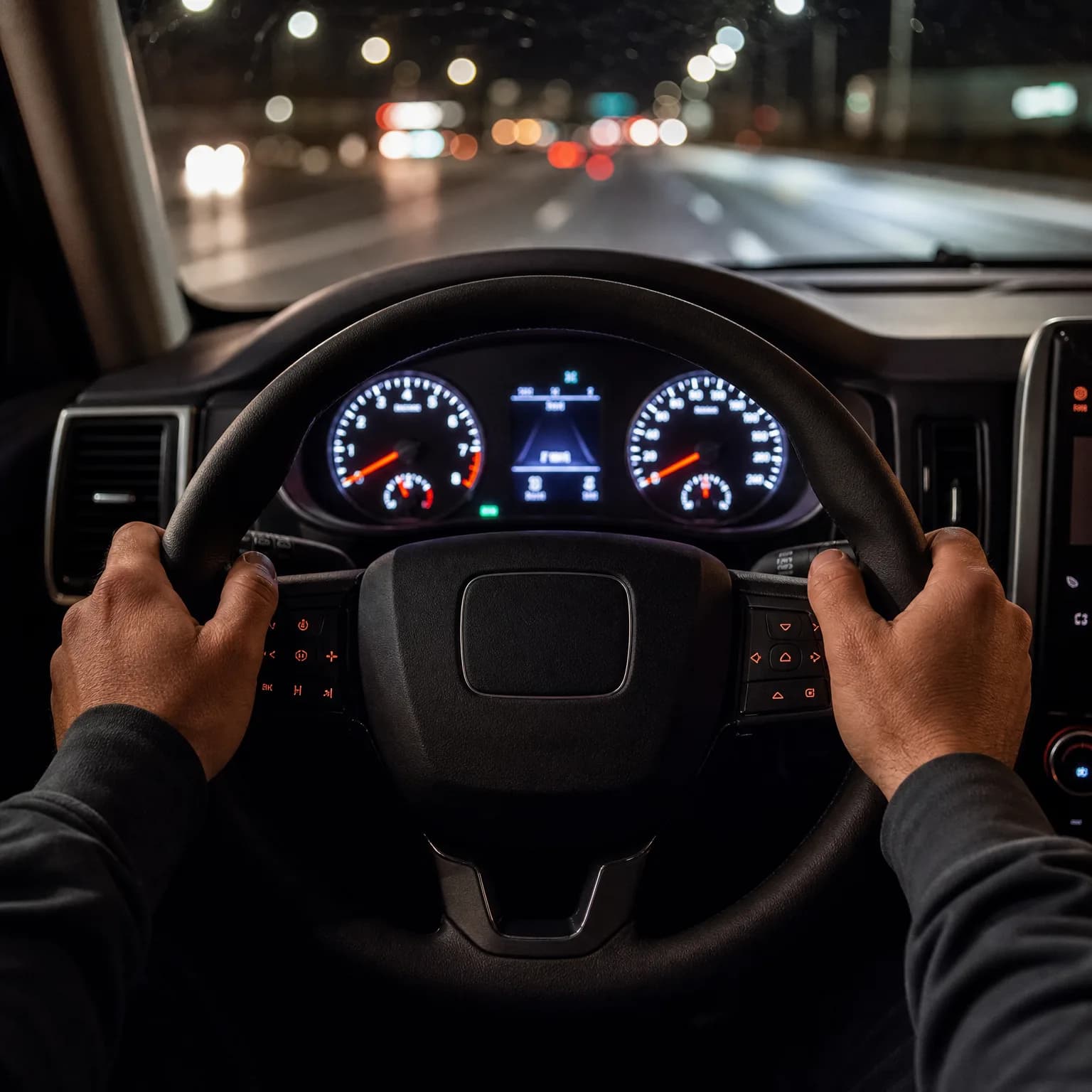
DMV Verification Timing After Court Issues Your ODL
The county court issues a signed order granting your ODL, but DPS must process that order and issue a physical occupational driver license before you can legally drive. You present the signed court order, your current suspended license, SR-22 certificate if required for your suspension type, and proof of ignition interlock installation if alcohol-related suspension applies, to any DPS driver license office.
DPS processing takes 1 to 3 business days for in-office ODL issuance in most metro offices. Smaller offices may require 5 to 7 business days if they need to order the restricted license card from a central facility. You receive a temporary paper license valid for 45 days while the permanent card is mailed. This temporary license is legally sufficient for rideshare platform reactivation — upload it to your driver portal immediately.
Ignition interlock is required for all alcohol-related suspensions in Texas, including ODL cases. If your unpaid tickets suspension includes a DWI or open container violation, the court will mandate interlock installation before signing your ODL order. The interlock provider submits installation verification to DPS electronically, but you must provide a printed installation certificate at your DPS ODL appointment. Driving for rideshare with an interlock device installed requires notifying your rideshare platform and passengers — most drivers report significant deactivation risk because platforms prefer drivers without device restrictions.
ODL annual renewal is required in Texas. Your court order expires after 1 year, and you must file a new petition, pay new filing fees, and attend a new hearing to extend your occupational license. DPS does not automatically renew ODLs. Mark your calendar 60 days before your order expiration date to begin the renewal petition process. Missing the renewal deadline reinstates your full suspension and requires starting the entire petition process from the beginning.
Frequently Asked Questions
Can I file for an ODL in Texas before I pay off all my unpaid tickets?
No. Texas courts require full clearance of all outstanding fines, fees, and court costs before accepting an ODL petition. Partial payment does not qualify — the court disposition must show zero balance due and the suspension must be lifted from your DPS record before the judge will consider your essential need petition.
How long does it take for Texas court clearance to show up on my DPS driving record?
Court clearances post to DPS records in 15 to 30 business days in most Texas counties. Urban counties with electronic filing systems average 15 to 20 days. Smaller counties using manual submission processes can take 25 to 30 days. Log into your DPS record online to verify clearance posting before filing your ODL petition.
Do I need SR-22 insurance to get an occupational license for unpaid tickets in Texas?
Not if your suspension is solely due to unpaid tickets or failure to appear. SR-22 is required only for DWI, uninsured driving, and repeat at-fault accidents in Texas. Check your DPS driving record for suspension reason codes — if you see "FMI" or "FMFR" in addition to ticket-related codes, you need SR-22. If only "FTA" or "FTC" appears, you do not.
Can I drive for Uber or Lyft with a Texas ODL that restricts me to work-only driving?
Yes, if your court order specifically lists rideshare driving as an approved essential need and grants county-wide or zone-based geographic restrictions rather than point-to-point routes. You must submit your signed court order to the rideshare platform for background check reactivation, which takes 5 to 10 business days after document upload.
What happens if I get pulled over while driving for Uber on a suspended license in Texas before my ODL is approved?
You face Class B misdemeanor charges carrying up to 180 days in jail and fines up to $2,000 for a first offense. The rideshare platform deactivates your account immediately upon discovering the violation. Passengers injured in accidents during that trip may sue you personally because your insurance will not cover rideshare activity conducted while suspended.
How much does it cost to file for an occupational driver license in Texas?
Filing fees vary by county because the ODL is a court process, not a DPS fee. Harris County charges approximately $280 to $320, Travis County charges $250 to $275, and smaller counties typically charge $150 to $200. These fees are non-refundable if your petition is denied. You also pay a separate DPS license issuance fee of $16 when the court order is approved.
Do I need a lawyer to file an ODL petition for unpaid tickets in Texas?
Not required, but recommended if your suspension includes multiple violation types or if you have been denied previously. Most county courts provide pro se petition templates and instruction packets for simple unpaid-ticket ODL cases. Rideshare essential need cases benefit from attorney review because the proposed court order language must be precise enough for platform reactivation requirements.
Related Articles

TX Failure-to-Appear ODL: SR-22 Filing & Gap Timing
5/3/2026
TX Failure-to-Appear ODL: Court Clearance & DPS Timing
5/3/2026
TX ODL Court-to-DPS Lag: Rideshare Driver Timeline
5/3/2026
TX Rideshare DUI Reinstatement: Court & DPS Timing
5/3/2026
TX Rideshare DUI Reinstatement: SR-22 Timing for Uber/Lyft
5/3/2026

Texas ODL Court Clearance & DPS Verification Timing
5/3/2026