South Dakota Rideshare FTA Warrant Suspension: Court & DMV Timing
Free to compare
Why Your Court Clearance Doesn't Automatically Reinstate Your South Dakota License
South Dakota circuit court and the Division of Motor Vehicles operate separate databases with no real-time synchronization for failure-to-appear warrant clearances. When you resolve your FTA warrant at the courthouse — whether by paying fines, completing community service, or appearing before the judge — the court clerk updates the court's records, but that clearance does not trigger an automatic status change at DMV. Your driving privilege remains suspended in the state's licensing system until you submit proof of court compliance directly to the DMV and pay the $50 reinstatement fee.
This gap creates a specific problem for rideshare drivers who need immediate platform access. Uber and Lyft conduct continuous background monitoring and require an active, valid license at all times. Even if you hold printed court documentation showing your case is resolved, DMV records govern what rideshare platforms see when they run your license status check. The court considers you compliant the day you clear the warrant. The DMV considers you suspended until you complete the separate reinstatement process.
Most drivers assume paying the court fine resolves everything. Court clerks rarely explain the DMV reinstatement requirement because it falls outside their jurisdiction. This procedural disconnect is not unique to rideshare drivers, but the economic impact is immediate — every day offline is lost income, and platform reactivation delays compound the problem.
The Two-Step Clearance Process South Dakota Requires
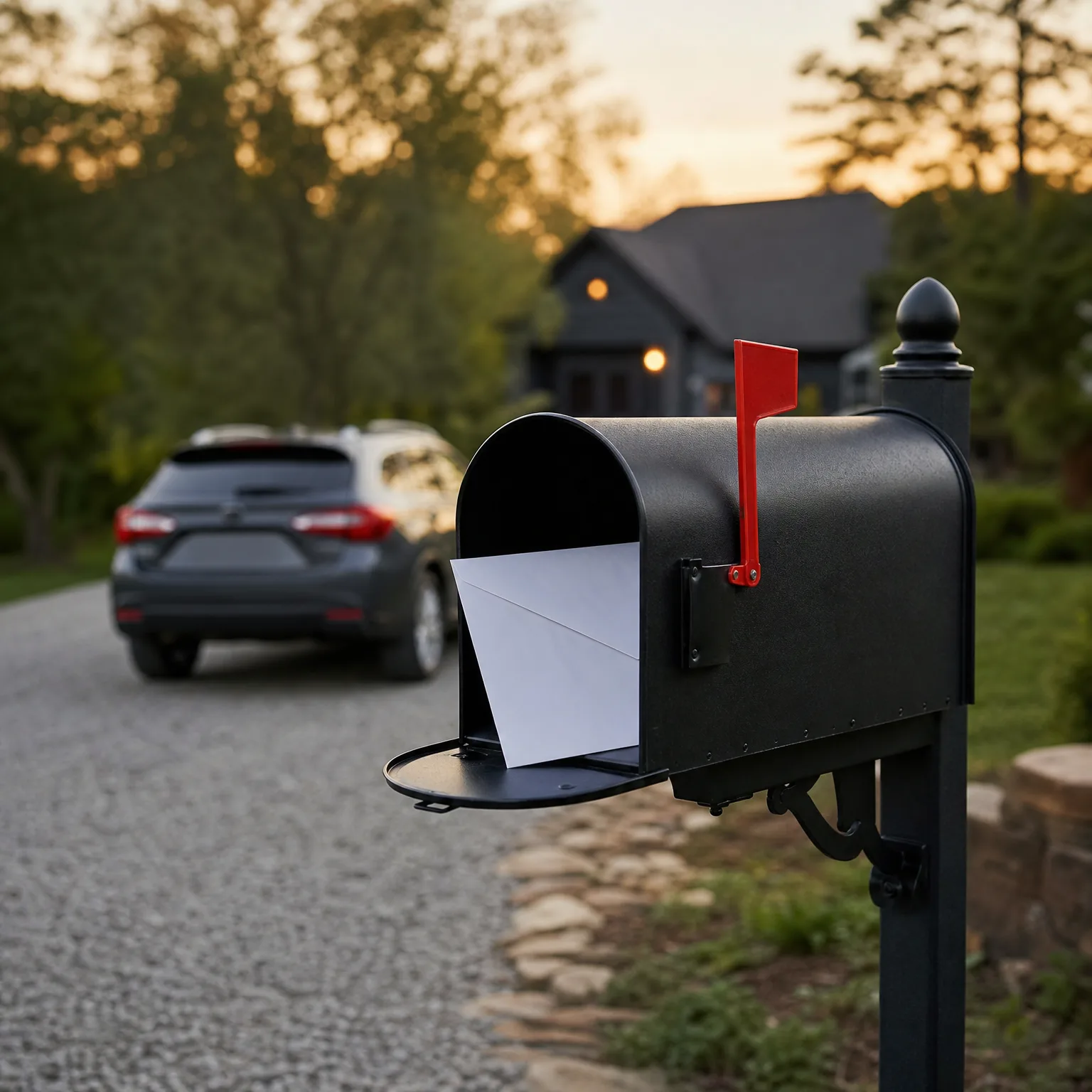
Step one happens at the circuit court where your FTA warrant originated. You must appear in person or, in some counties, resolve the matter through the clerk's office if the judge allows it. You'll pay outstanding fines, post any required bond, or receive a new court date if the underlying case remains open. The court clerk issues a clearance document — sometimes called a warrant recall notice or court compliance letter — confirming the FTA matter is resolved. Get multiple certified copies of this document. You will need one for DMV, one for your records, and potentially one for your rideshare platform if they request proof during reactivation review.
Step two happens at the South Dakota Division of Motor Vehicles. You must submit the court clearance document, complete a reinstatement application, and pay the $50 reinstatement fee. This can be done in person at a DMV office or, in some cases, by mail if you include all required documentation and a check or money order. Processing time varies by office volume but typically runs 7–14 business days from the date DMV receives your complete submission. Until DMV processes your reinstatement and updates your license status in their system, you remain suspended for all legal and platform verification purposes.
The failure point most drivers encounter: submitting incomplete documentation to DMV. If the court clearance letter is missing case numbers, the judge's signature, or a certified seal, DMV will reject the submission and send it back — adding another 10–14 days to your timeline. Verify completeness before you leave the courthouse.


What Rideshare Platforms See During the Verification Gap
Uber and Lyft pull driver license status directly from state DMV databases through third-party background check vendors like Checkr and HireRight. These vendors do not have access to circuit court records. They query the South Dakota Division of Motor Vehicles system, which reflects suspension status until your reinstatement is processed and posted. Even if you upload your court clearance document to the rideshare platform's driver portal, the platform cannot manually override a suspended status returned by the background check vendor.
Most rideshare platforms run continuous monitoring, meaning they check license status weekly or biweekly after your initial approval. If a suspension appears in the DMV database — even if it's administratively resolved at the court level — the platform receives a flag and may deactivate your account pending resolution. Reactivation requires the platform to receive a clean background check result showing an active license. That clean result only appears after DMV updates your status, which only happens after you complete the reinstatement process described above.
During the 7–14 day verification gap between court clearance and DMV reinstatement, you are legally suspended and cannot drive for any rideshare platform. Attempting to drive on a suspended license — even with court clearance paperwork in hand — is a Class 2 misdemeanor in South Dakota under SDCL 32-12-65, punishable by up to 30 days in jail and a fine up to $500. Rideshare platforms treat suspended-license driving as immediate grounds for permanent deactivation.

Line Up Coverage Before Your License Comes Back
Get Back on the RoadHow SR-22 Filing Interacts With FTA Warrant Suspensions
Failure-to-appear warrant suspensions in South Dakota do not typically require SR-22 filing for reinstatement. SR-22 is a certificate of financial responsibility required for specific violations — DUI convictions, uninsured accidents, reckless driving, and habitual traffic offender designations. FTA suspensions are administrative actions tied to court non-compliance, not driving behavior or insurance lapses. When you reinstate after an FTA suspension, DMV requires proof of current liability insurance coverage, but that proof can be a standard insurance card from your carrier.
The distinction matters because SR-22 filing triggers higher premiums. If a carrier or agent tells you SR-22 is required for FTA reinstatement, verify that claim against the actual suspension reason listed on your DMV notice. If the underlying violation that triggered the original court case did require SR-22 — for example, you missed court on a DUI charge — then SR-22 applies to the DUI conviction, not the FTA suspension itself. The FTA suspension is a separate administrative layer.
Rideshare drivers who carry commercial rideshare insurance policies or personal policies with rideshare endorsements should confirm coverage remains active during the suspension period. Some carriers cancel policies automatically when a suspension appears, which can create a secondary insurance lapse suspension on top of the FTA suspension. Maintaining continuous coverage — even while suspended — prevents that compounding problem and speeds reinstatement once court and DMV steps are complete.
Restricted License Options for Rideshare Drivers During South Dakota FTA Suspensions
South Dakota offers restricted driving privileges through circuit court petition under SDCL 32-12-53, but eligibility and approval are discretionary. FTA warrant suspensions present a procedural problem: the court cannot grant restricted driving privileges while an active warrant exists, because the warrant itself signals non-compliance. You must clear the warrant first. Once cleared, you can petition the circuit court for a restricted license that allows driving for employment purposes, including rideshare work.
The restricted license petition requires an employer affidavit or, for rideshare drivers, documentation from Uber or Lyft confirming your active driver status and need to drive for income. Most rideshare platforms will not provide this documentation if your account is already deactivated, which creates a catch-22: you need the restricted license to reactivate your account, but you need an active account to petition for the restricted license. The workaround is to frame the petition around your general employability as a driver, supported by your driver history, platform approval documentation from before suspension, and a personal affidavit explaining your intent to return to rideshare work once privileges are restored.
Restricted licenses in South Dakota require ignition interlock device installation for DUI-related suspensions, even if the restricted license is granted for non-DUI purposes. If your FTA suspension stems from a missed DUI court date, the underlying DUI conviction may trigger ignition interlock requirements that apply to any restricted driving privilege. Confirm IID requirements with the circuit court before filing your petition. Restricted license petitions cost court filing fees, which vary by county but typically range $50–$150. Processing time is 14–30 days from the date the court receives your complete petition, depending on the judge's docket.
What To Do the Day Your FTA Warrant Is Cleared
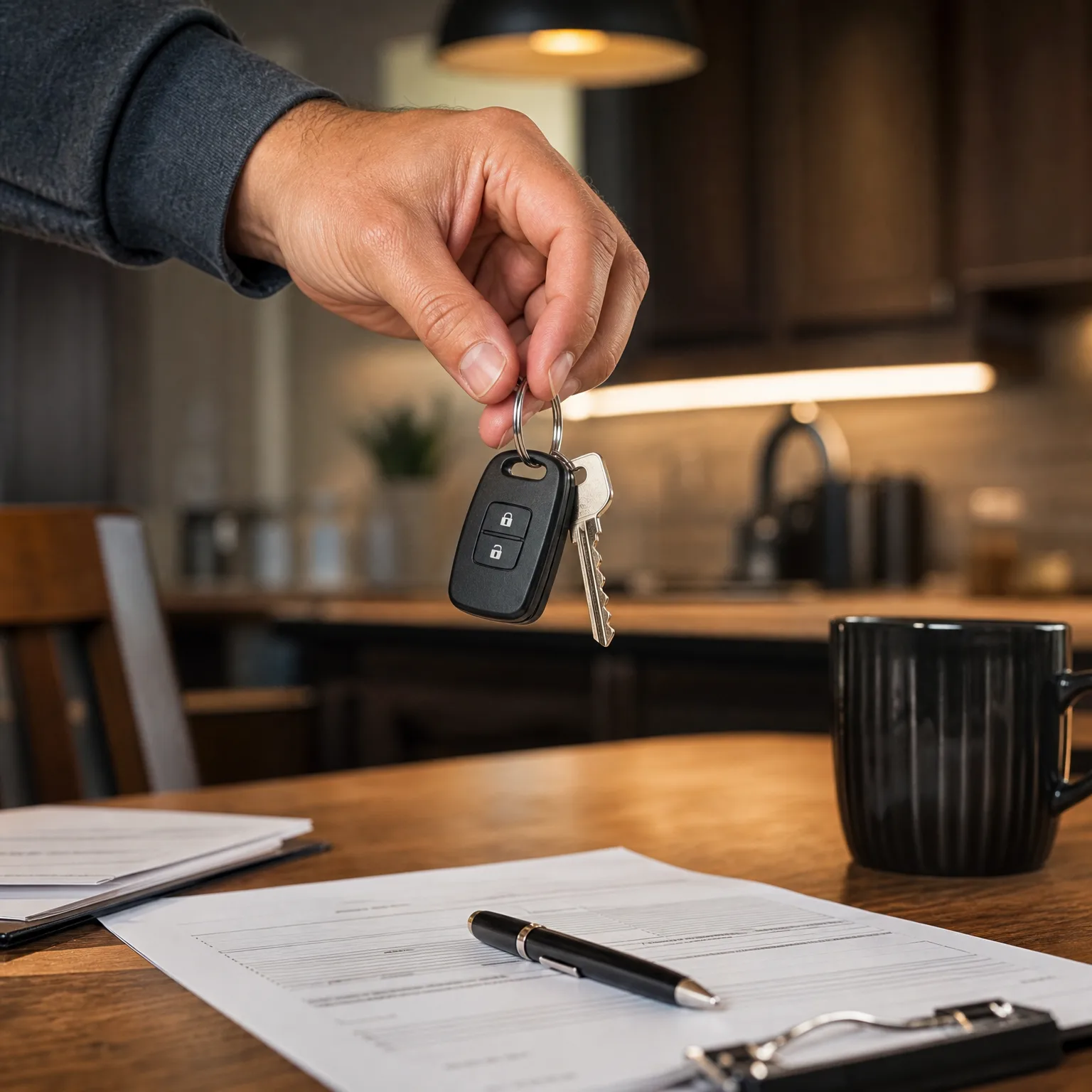
Request certified copies of the court clearance document before you leave the courthouse. Most clerks charge $1–$3 per certified copy. Get at least three: one for DMV, one for your records, and one spare in case DMV loses the first submission. Verify the document includes the case number, the judge's signature or clerk's certification, and the official court seal. If any element is missing, ask the clerk to reissue it correctly.
Go directly to a South Dakota DMV office if possible, or mail your reinstatement packet the same day. The reinstatement packet must include: the certified court clearance document, a completed driver license reinstatement application (available at DMV offices or online at dor.sd.gov), proof of current liability insurance, and a check or money order for the $50 reinstatement fee. In-person submissions process faster than mailed submissions because you can confirm completeness on the spot.
Notify your rideshare platform immediately after DMV confirms your reinstatement is processed. Do not wait for the platform's next continuous monitoring cycle to discover the status change. Most platforms allow you to request an expedited background recheck through the driver app or support portal. Provide the DMV reinstatement confirmation document if the platform requests it. Reactivation after a suspension flag typically takes 3–7 business days once the platform receives a clean background check result.
Frequently Asked Questions
Can I drive for Uber while my South Dakota license shows suspended in DMV records but my court case is resolved?
No. Rideshare platforms verify license status directly through DMV databases, not court records. Until you complete the DMV reinstatement process and DMV updates your status to active, the platform will see you as suspended and will not allow you to drive. Driving on a suspended license in South Dakota is a Class 2 misdemeanor regardless of whether you hold court clearance paperwork.
How long does South Dakota DMV take to process reinstatement after I submit court clearance for an FTA suspension?
Processing typically takes 7–14 business days from the date DMV receives your complete reinstatement packet, which includes the certified court clearance document, reinstatement application, proof of insurance, and $50 fee. In-person submissions at DMV offices process faster than mailed submissions because staff can verify completeness immediately.
Does a failure-to-appear warrant suspension in South Dakota require SR-22 filing to reinstate?
No. FTA suspensions are administrative actions for court non-compliance and do not typically require SR-22 filing. You must provide proof of current liability insurance, but a standard insurance card satisfies that requirement. SR-22 is required only for specific violations like DUI, uninsured accidents, or habitual offender designations — not for FTA suspensions themselves.
Can I get a restricted license in South Dakota to drive for rideshare while my FTA suspension is active?
Only after you clear the FTA warrant. South Dakota circuit courts will not grant restricted driving privileges while an active warrant exists. Once the warrant is cleared, you can petition the court for a restricted license under SDCL 32-12-53, but approval is discretionary and requires employer documentation or proof of need to drive for income.
What happens if I submit incomplete court clearance paperwork to South Dakota DMV?
DMV will reject the submission and mail it back to you, adding 10–14 days to your reinstatement timeline. Court clearance documents must include the case number, judge's signature or clerk's certification, and the official court seal. Verify completeness with the court clerk before leaving the courthouse to avoid delays.
Will my rideshare platform automatically reactivate my account once South Dakota DMV reinstates my license?
Not automatically. Most platforms run continuous background monitoring weekly or biweekly, but you can request an expedited recheck through the driver app or support portal once DMV confirms your reinstatement is processed. Reactivation typically takes 3–7 business days after the platform receives a clean background check result showing an active license.
Related Articles
SD Unpaid Tickets Reinstatement: Rideshare DMV Timing
5/3/2026

SD Unpaid Ticket Suspension: Rideshare SR-22 & DMV Lag
5/3/2026
SD DUI Reinstatement for Rideshare: Court vs DMV Timing
5/3/2026

SC FTA Warrant Clearance: Rideshare DMV Verification Gap
5/3/2026
CA FTA Warrant Suspension: Court-DMV Timing for Rideshare
5/3/2026
SD Warrant Suspension: Rideshare SR-22 Filing Timing
5/3/2026