CA Rideshare FTA Warrant Suspension: Court → DMV Timing Gap
Free to compare
Why Your Rideshare Account Is Still Suspended After Court Clearance
Your rideshare platform deactivated you the day DMV flagged your license for a failure-to-appear warrant suspension under Vehicle Code 13365. You paid the court, got your clearance receipt, and expected reactivation within days. Instead, your background check still shows an active suspension and you're locked out of the app.
California courts do not automatically notify DMV when you clear a failure-to-appear warrant. The court processes your payment internally, updates its own records, and issues you a clearance receipt—but that receipt does not trigger any direct communication to DMV. DMV only lifts the suspension when it receives a formal clearance notice from the court, which happens on a separate batch processing schedule that most courts run weekly or biweekly.
Rideshare platforms pull background checks from databases that reflect DMV records, not court records. Even when the court shows you as compliant, DMV's system still lists the suspension as active until the clearance posts. This creates a procedural gap where you are legally cleared but operationally suspended. Most drivers lose 30 to 60 days of work waiting for a process they didn't know existed.
The Two-Agency Reinstatement Process California Uses for FTA Suspensions
California splits failure-to-appear suspension authority between courts and DMV under Vehicle Code 13365. Courts impose the suspension when you miss a required appearance for a traffic violation. DMV enforces the suspension by flagging your license record. Reinstatement requires separate clearance from both agencies.
The court clearance happens first. You pay outstanding fines, appear for any scheduled hearings, or submit proof of compliance depending on what the original citation required. The court clerk processes your payment and issues an abstract of clearance—a formal document stating the court case is resolved. That abstract is supposed to be transmitted to DMV, but the transmission timing varies by county. Some counties batch and submit abstracts once per week. Others submit twice monthly. High-volume courts in Los Angeles, San Diego, and Orange County can run 3 to 4 weeks behind during peak periods.
DMV clearance happens second. When DMV receives the court's abstract, a clerk manually updates your driver record to remove the suspension flag. This update can take an additional 7 to 14 business days after DMV receives the abstract, depending on processing backlogs. Only after DMV completes this update will background check databases—used by Uber, Lyft, DoorDash, and other rideshare platforms—show your license as reinstated. The court cannot expedite DMV processing, and DMV cannot process your clearance until the court submits the abstract.
How to Verify Court Clearance Posted to DMV Without Waiting Passively
You can check whether the court's clearance has posted to your DMV record before waiting for the rideshare platform to rerun your background check. Log into the California DMV's online portal at dmv.ca.gov and request your official driver record (also called an INF 1125 report). The record costs $5 and displays within 24 hours of the request. Look for the suspension entry under the "Actions" section—if the clearance has posted, the suspension will show an end date and a notation referencing the court abstract.
If the suspension still appears active and you cleared the court case more than 10 business days ago, contact the court clerk's office that processed your clearance and request confirmation that they submitted the abstract to DMV. Ask for the abstract submission date specifically. If the clerk confirms the abstract was submitted but DMV has not updated your record after 2 weeks, you can file a request for manual review with DMV by calling the suspension unit at 916-657-6525. Have your court case number, clearance receipt, and driver license number ready when you call.
Rideshare platforms typically rerun background checks every 30 to 90 days automatically, but you can request an immediate recheck through the platform's driver support once you confirm your DMV record shows the suspension lifted. Uber allows manual background check refresh requests through the app under Account → Documents. Lyft requires contacting driver support directly. DoorDash reruns checks automatically but will not expedite on request.
What the $55 DMV Reinstatement Fee Covers and When to Pay It
California charges a $55 reinstatement fee under Vehicle Code 14904 for most license suspensions, including failure-to-appear cases. This fee is separate from court fines and must be paid directly to DMV before your license is fully reinstated. The fee applies even though you resolved the underlying court case.
You can pay the reinstatement fee online through the DMV portal, by mail, or in person at any DMV field office. Payment does not require an in-person visit unless your suspension also triggered other requirements like retesting or a compliance review. The fee processes within 1 to 3 business days when paid online, and DMV will update your driver record to reflect payment. Do not pay the reinstatement fee until the court clearance has posted to DMV—paying early does not expedite processing and can create confusion if DMV's system shows payment received but the suspension still flagged as active.
Once the reinstatement fee posts, your license is legally valid for personal driving. Rideshare platforms will see the updated record on the next background check cycle. If you need immediate proof of reinstatement for platform reactivation, request an official driver record (INF 1125) after the fee posts—the report will show the suspension cleared and the reinstatement fee paid, which you can submit to the platform's driver support as documentation.
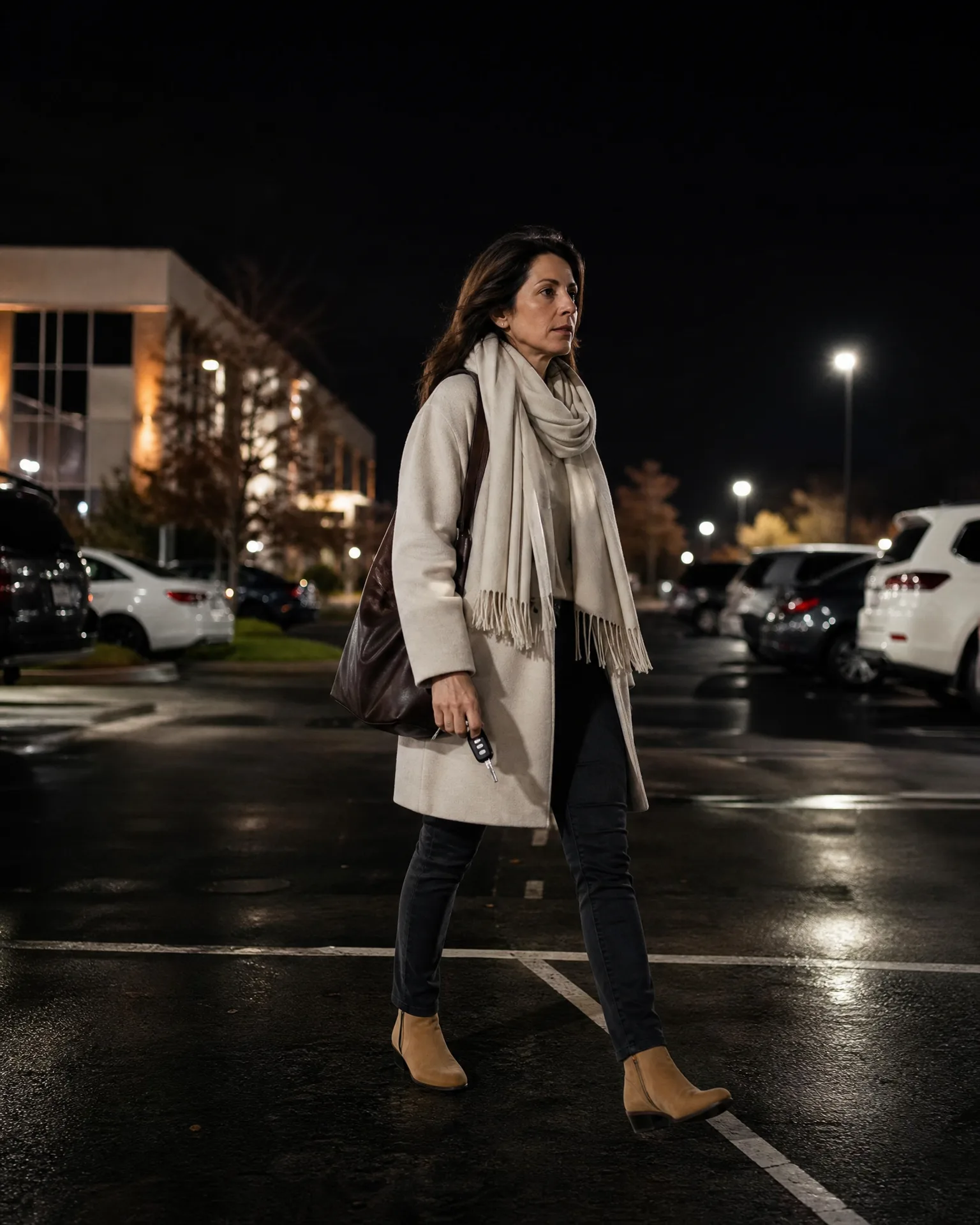
Line Up Coverage Before Your License Comes Back
Get Back on the Road
Why FTA Suspensions Do Not Require SR-22 Filing
Failure-to-appear suspensions under Vehicle Code 13365 are administrative penalties for noncompliance with court orders, not violations tied to unsafe driving or insurance lapses. California does not require SR-22 insurance filings for reinstatement after an FTA suspension. You do not need to contact your insurance carrier, and you do not need to upgrade to high-risk coverage.
SR-22 filing is required only for specific triggers: DUI convictions under Vehicle Code 13352, negligent operator suspensions based on point accumulation, uninsured accident involvement under Vehicle Code 16070, and reckless driving convictions. Court-related suspensions for missed appearances or unpaid fines do not trigger financial responsibility filing requirements. If you currently carry standard auto insurance, that policy remains valid and sufficient for reinstatement.
Rideshare platforms require proof of insurance that meets California's minimum liability limits: $15,000 per person for bodily injury, $30,000 per incident, and $5,000 for property damage. Your existing policy likely already meets these minimums. After your license reinstates, you can resume driving without changing your insurance coverage. If you do not currently own a vehicle and need coverage only to satisfy rideshare platform requirements, consider a non-owner auto insurance policy, which provides liability coverage without requiring vehicle ownership.
Hardship License Options Are Not Available for FTA Suspensions
California does not offer restricted or hardship licenses for failure-to-appear suspensions. The state's restricted license program under Vehicle Code 13353.3 applies only to DUI convictions and requires ignition interlock device installation. FTA suspensions are treated as correctable administrative actions—the suspension remains in effect until you resolve the court case and pay the reinstatement fee.
This means you cannot legally drive during the period between the suspension taking effect and the clearance posting to DMV. Rideshare platforms will deactivate your account immediately when the suspension appears on your background check, and you cannot request a temporary driving authorization while waiting for court and DMV processing. The only path to resume driving is full reinstatement.
If you need to drive for work during the clearance and reinstatement period, you have no legal workaround. Some drivers attempt to continue operating while suspended, but rideshare platforms run continuous background monitoring and will flag and permanently deactivate accounts found driving on a suspended license. A subsequent traffic stop while driving on a suspended license under Vehicle Code 14601.1 carries mandatory jail time for repeat offenses and extends your suspension by an additional 6 months.
What Happens If You Move to Another State Before Reinstatement
California suspensions follow your driver record through the Driver License Compact and the National Driver Register. If you move to another state and apply for a new license before reinstating in California, the new state's DMV will see the active California suspension and refuse to issue a license until you provide proof of clearance.
You cannot avoid the reinstatement process by relocating. Most states require you to surrender your California license and provide proof that it is not suspended before issuing a new license. Even states that do not require explicit clearance will receive notification of the California suspension through interstate information-sharing agreements, and the new state will suspend your newly issued license once the flag appears.
If you have already moved and need to drive for rideshare work in your new state, you must first reinstate your California license by clearing the court case, paying the reinstatement fee, and confirming the clearance posted to California DMV. Once your California record shows no active suspensions, you can apply for a license in your new state. The court clearance and reinstatement process can be completed remotely—you do not need to return to California in person unless the court requires a hearing for your specific case.
Frequently Asked Questions
How long does it take for a California court clearance to post to DMV?
Most California courts submit failure-to-appear clearances to DMV in weekly or biweekly batches, which can take 7 to 21 days after you pay the court. DMV then requires another 7 to 14 business days to process the clearance and update your driver record. Total time from court payment to DMV record update typically ranges from 2 to 5 weeks.
Can I drive for rideshare while waiting for my FTA suspension clearance to post?
No. California does not offer restricted or hardship licenses for failure-to-appear suspensions. You cannot legally drive until the court clearance posts to DMV, you pay the $55 reinstatement fee, and your license record updates to show the suspension lifted. Rideshare platforms will deactivate your account immediately when the suspension appears on your background check.
Do I need SR-22 insurance to reinstate my license after an FTA suspension in California?
No. Failure-to-appear suspensions under Vehicle Code 13365 do not require SR-22 filing. SR-22 is required only for DUI convictions, negligent operator suspensions, uninsured accidents, and reckless driving. Your standard auto insurance policy is sufficient for reinstatement after an FTA suspension.
Will Uber or Lyft automatically reactivate my account once my DMV record clears?
Rideshare platforms rerun background checks every 30 to 90 days automatically, but you can request an immediate recheck once your DMV record shows the suspension lifted. Uber allows manual background refresh requests through the app under Account → Documents. Lyft requires contacting driver support directly to request a recheck.
What happens if I paid the court but DMV still shows my license suspended after 30 days?
Contact the court clerk's office that processed your clearance and confirm they submitted the abstract to DMV. Request the abstract submission date. If the abstract was submitted more than 2 weeks ago and DMV has not updated your record, call DMV's suspension unit at 916-657-6525 with your court case number, clearance receipt, and driver license number to request manual review.
Can I get my California license reinstated if I moved to another state?
Yes. You can complete the reinstatement process remotely by clearing the court case online or by mail, paying the $55 reinstatement fee through the DMV portal, and confirming the clearance posted to your California driver record. You do not need to return to California in person unless the court requires a hearing for your specific case.
How much does it cost to reinstate a California license after a failure-to-appear suspension?
California charges a $55 reinstatement fee under Vehicle Code 14904, separate from any court fines or fees. You must also pay all outstanding court fines related to the original citation. Total cost varies by the underlying violation and county, but the DMV reinstatement fee is fixed at $55.
Related Articles
CA FTA Warrant Suspension: Rideshare SR-22 Timeline
5/3/2026
CA FTA Warrant Suspension Costs for Rideshare Drivers
5/3/2026
CO Failure-to-Appear Reinstatement for Rideshare
5/3/2026

CA Child Support Suspension: Rideshare DMV Verification
5/3/2026

CA FTA Warrant Suspension: Court Clearance DMV Timing
5/3/2026
SC FTA Warrant Clearance: Rideshare DMV Verification Gap
5/3/2026