California FTA Warrant Suspension: Real Costs for Rideshare Drivers
Free to compare
Why Your Uber App Still Shows You're Inactive After Paying Court Fees
California DMV does not automatically receive notification when you resolve a failure-to-appear warrant through the court system. You paid the court's clearance fee and the judge released the hold, but that information sits in the court's database until someone manually submits proof to DMV's Financial Responsibility Unit. Most rideshare drivers assume court clearance triggers automatic DMV reinstatement and lose 2-4 weeks of driving income waiting for a system sync that never happens.
The court issues an abstract of record showing case disposition, but you must request this document specifically and submit it to DMV yourself or through your attorney. Uber and Lyft background check systems pull directly from DMV records, not court records. Your court case shows resolved in Superior Court databases while DMV's driver record still reflects active suspension under Vehicle Code §13365, which is why your rideshare platform continues blocking your account.
Rideshare drivers lose an average of $800-$1,400 in gross weekly earnings during California FTA suspensions according to driver earnings data reported to state labor agencies. Every day you wait for manual record coordination costs you another $115-$200 in platform income you cannot recover retroactively once reinstated.
The Actual Cost Stack: What You Pay and What You Don't Need
California's $55 reissue fee under Vehicle Code §14904 is the only mandatory DMV charge for failure-to-appear reinstatement after court clearance. This is not a filing fee — it is the administrative cost of printing and mailing your physical license once DMV processes the court's clearance submission. You pay this at the end of the process, not the beginning.
Most failure-to-appear cases in California stem from unpaid traffic tickets, missed court dates for moving violations, or failure to complete traffic school by the court-ordered deadline. These administrative suspensions under VC §13365 do not trigger SR-22 requirements. SR-22 certificates of financial responsibility apply to DUI convictions, uninsured accident involvement, and negligent operator point accumulations — none of which describe a missed court date for a speeding ticket.
Carriers frequently offer SR-22 filing during reinstatement conversations because your policy lapsed during suspension and they assume any suspension involves DUI or reckless driving. The SR-22 filing itself costs $15-$25 as a one-time processing charge, but it forces you into high-risk underwriting pools where your six-month premium jumps $340-$680 compared to standard-risk rates. You are buying insurance you legally need — the liability coverage California requires under VC §16000 — but you are not buying SR-22 certification unless your suspension trigger specifically demands it.
Court fees vary by county and case complexity. A typical FTA clearance in Los Angeles County costs $300-$450 in combined fines, penalties, and administrative fees. Orange County runs $275-$400. These are court-system charges unrelated to DMV reinstatement. If your original citation included traffic school eligibility and you missed the completion deadline, expect an additional $50-$75 traffic school extension fee plus the school's tuition cost of $20-$35.
How SR-22 Markup Works and Why Rideshare Drivers Get Targeted
SR-22 is a liability insurance certificate that proves continuous coverage to DMV for drivers the state considers high-risk. When your carrier files SR-22 on your behalf, they notify your state's underwriting classification changes and your premium recalculates based on high-risk actuarial tables. The carrier's cost to file SR-22 is negligible — the markup comes from forced underwriting reclassification.
Rideshare drivers face additional pressure because Uber and Lyft require proof of reinstatement and active insurance within 72 hours of DMV clearance to avoid permanent deactivation flags in their compliance systems. Carriers know this timeline creates urgency and leverage it during reinstatement sales calls. The representative tells you SR-22 is "required for your type of suspension" or "necessary to get back on the road faster" when neither statement applies to failure-to-appear cases.
You need liability insurance to drive legally in California. You need proof your license is no longer suspended to reactivate your rideshare account. You do not need SR-22 certification unless your suspension trigger explicitly requires it, which failure-to-appear suspensions do not. Confirm your suspension type before accepting SR-22 filing — ask DMV directly or check your suspension notice for the Vehicle Code section cited.
The Manual Coordination Gap Between Court and DMV
California courts and DMV operate separate record systems with no real-time data exchange. When you resolve a failure-to-appear warrant, the court updates its case management system but does not push that update to DMV automatically. DMV's Financial Responsibility Unit requires physical or electronic submission of the court's clearance documentation — typically form DL-30 or an abstract of judgment showing case disposition.
Most drivers wait 15-30 days for DMV to process manually submitted court clearance documents. Expedited processing is not available for FTA reinstatements because these are administrative holds, not emergency medical or employment hardship cases. You can check processing status through DMV's online license record portal, but you cannot accelerate the queue.
Rideshare drivers who hire traffic attorneys for FTA resolution typically see faster DMV coordination because attorneys submit clearance documentation as part of their service package. Expect to pay $400-$750 for attorney-assisted FTA resolution plus court fees, but this often cuts 10-20 days off your total suspension duration compared to self-filing because the attorney knows which DMV office handles abstracts for your county and submits directly rather than mailing to Sacramento.
Line Up Coverage Before Your License Comes Back
Get Back on the Road
What Reinstating Without SR-22 Actually Costs
Your realistic cost stack for California failure-to-appear reinstatement as a rideshare driver breaks down to: court clearance fees $275-$450, DMV reissue fee $55, and reactivated liability insurance approximately $85-$140 per month for a clean-record driver resuming standard coverage. Total upfront cost to clear the suspension and return to platform driving: $415-$645 assuming you do not hire an attorney and do not purchase unnecessary SR-22 certification.
If your insurance lapsed during suspension — which happens frequently when drivers cannot work and stop paying premiums — expect your carrier to charge a lapse fee of $25-$50 when you reactivate. Some carriers treat any lapse over 30 days as a new policy application and run a fresh underwriting review, which can add 5-10 days to your coverage start date. This is why rideshare drivers often switch carriers during reinstatement rather than reactivating lapsed policies.
If a carrier or broker insists you need SR-22 for failure-to-appear reinstatement in California, you are either speaking with someone who does not understand VC §13365 suspension types or someone incentivized to upsell high-risk policies. Ask for written documentation showing SR-22 requirement from DMV before agreeing to file. Legitimate SR-22 requirements appear on your suspension notice and reinstatement requirements letter from DMV, not in a carrier sales pitch.

How to Prioritize Your Reinstatement Timeline for Platform Income
Rideshare drivers should sequence reinstatement tasks to minimize offline days. First, request the court abstract or clearance certificate the same day your case resolves — do not wait for the court to mail it. Walk to the clerk's office and request immediate issuance if available. Second, submit the abstract to DMV's Financial Responsibility Unit by fax or in-person drop-off at your local field office rather than mailing to Sacramento, which adds 7-10 transit days.
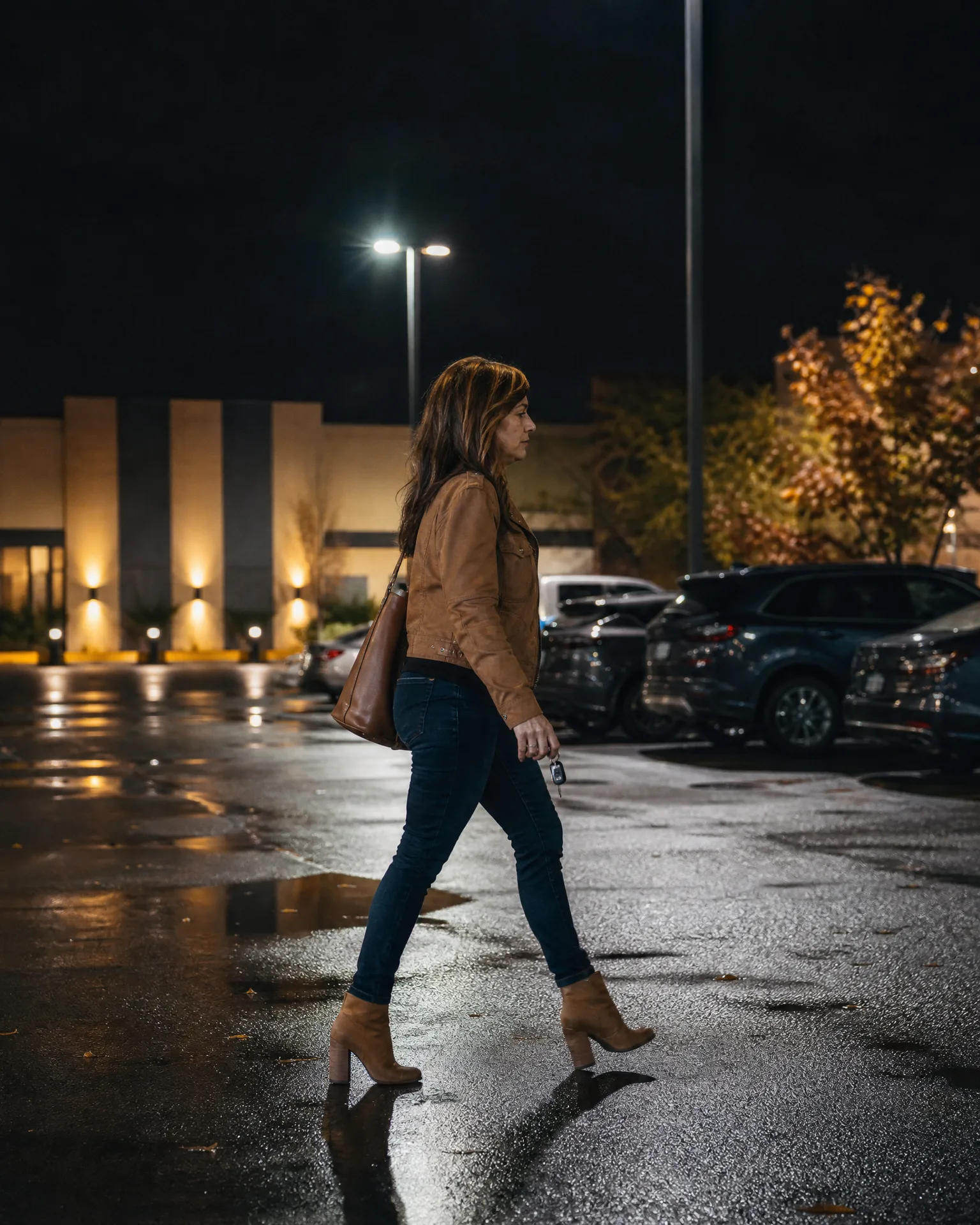
Third, contact your insurance carrier before your license clears to confirm they can bind coverage the same day DMV updates your record. Most carriers require 24-48 hours to issue proof of insurance documents after payment, but some offer same-day digital ID cards for reinstating drivers. Fourth, upload your DMV clearance confirmation and insurance proof to Uber and Lyft within 12 hours of receiving them — their compliance review queues run twice daily and delay reactivation if you miss the cutoff.
If you cannot afford the full cost stack upfront, prioritize court clearance first. Your license remains suspended and you cannot drive legally regardless of insurance status until DMV receives court documentation. Insurance without clearance does nothing. Clearance without insurance gets you halfway — your license is valid but you are uninsured, which creates new legal exposure if stopped.
When You Actually Do Need SR-22 After a California Suspension
SR-22 filing is mandatory in California for DUI convictions under VC §13352, reckless driving convictions under VC §23103, at-fault uninsured accidents under VC §16000, and negligent operator point accumulations triggering suspension under VC §12810. If your suspension notice cites any of these sections, SR-22 is legally required and you cannot reinstate without it.
Failure-to-appear suspensions under VC §13365 do not appear on this list. Child support arrears suspensions under VC §13201 do not require SR-22. Unpaid toll violations, expired registration holds, and medical disqualification suspensions do not require SR-22. The suspension trigger determines SR-22 necessity, not the fact of suspension itself.
If you are unsure which Vehicle Code section applies to your suspension, call DMV's automated license status line or check your suspension notice letter. The VC section number appears in the first paragraph under "Reason for Action." Match that number against the list above. If your section number does not appear, SR-22 is not required regardless of what any carrier representative tells you during sales calls.
Frequently Asked Questions
Do I need SR-22 to reinstate my California license after a failure-to-appear suspension?
No. Failure-to-appear suspensions under California Vehicle Code §13365 do not require SR-22 filing. SR-22 is mandatory for DUI convictions, reckless driving, uninsured accidents, and negligent operator point suspensions — not for missed court dates or unpaid tickets. You need liability insurance to drive legally, but not SR-22 certification unless your suspension notice specifically cites a Vehicle Code section requiring it.
How long does it take DMV to process court clearance for a failure-to-appear hold?
California DMV typically processes manually submitted court clearance documents in 15-30 days. The court does not automatically notify DMV when you resolve a failure-to-appear warrant — you must request an abstract of record from the court clerk and submit it to DMV's Financial Responsibility Unit yourself. Expedited processing is not available for administrative FTA holds.
Can I drive for Uber or Lyft while my FTA suspension is being cleared?
No. Rideshare platforms pull driver eligibility directly from DMV records, not court records. Even after your court case shows resolved, your DMV record reflects active suspension until the Financial Responsibility Unit processes your clearance documentation. Uber and Lyft will not reactivate your account until DMV updates your license status to valid.
What is California's DMV reissue fee and when do I pay it?
California charges a $55 reissue fee under Vehicle Code §14904 to print and mail your physical license after reinstatement. You pay this fee at the end of the process once DMV processes your court clearance, not upfront. This is the only mandatory DMV charge for failure-to-appear reinstatement and covers administrative costs, not filing or SR-22 certification.
Why does my insurance company keep offering SR-22 if I don't need it?
Carriers often assume any license suspension involves DUI or reckless driving and default to offering SR-22 during reinstatement conversations. SR-22 filing forces you into high-risk underwriting pools where premiums increase $340-$680 per six-month term compared to standard rates. Ask your carrier which Vehicle Code section triggered your suspension before agreeing to SR-22 — if it is VC §13365, you do not need SR-22 certification.
How much does it cost to hire a traffic attorney for FTA clearance in California?
Traffic attorneys typically charge $400-$750 for failure-to-appear resolution services plus court fees. This often reduces total suspension duration by 10-20 days because attorneys submit clearance documentation directly to the correct DMV office rather than mailing to Sacramento. For rideshare drivers losing $800-$1,400 per week in platform income, faster clearance can offset attorney costs.
Related Articles

CA FTA Warrant Suspension: Rideshare SR-22 Timeline
5/3/2026
CA FTA Warrant Suspension: Court-DMV Timing for Rideshare
5/3/2026
CA Unpaid Tickets Suspension Costs for Rideshare Drivers
5/3/2026
FL Failure-to-Appear: Reinstatement Costs for Rideshare
5/3/2026
CA Rideshare SR-22 After Unpaid Tickets: Court Clearance
5/3/2026
CO Rideshare FTA Suspension: Real Reinstatement Costs
5/3/2026