
California Rideshare SR-22 After Unpaid Tickets: Filing Timing
Free to compare
Why unpaid-ticket suspensions in California don't trigger SR-22 requirements
California Vehicle Code §13365 and §13365.2 suspend licenses for failure to appear in court or failure to pay fines, but these suspensions are administrative holds—not moving violations. SR-22 filing is not required for reinstatement after unpaid-ticket suspensions because the suspension stems from court noncompliance, not unsafe driving or insurance lapses.
Most rideshare drivers discover their suspension when Uber or Lyft deactivates their account, then assume they need SR-22 because that's the pathway for DUI or negligent-operator suspensions. The actual requirement is simpler: pay the outstanding fine or appear in court, obtain a clearance notice from the court, submit that clearance to the DMV, and pay the $55 reissue fee under California Vehicle Code §14904. No SR-22 certificate is involved.
The confusion stems from rideshare platform messaging. When your background check flags a suspended license, the platform email typically says "resolve your suspension" without specifying the pathway. Drivers see "suspension" and default to the SR-22 pathway they've heard about from DUI cases, which wastes time and money on unnecessary high-risk insurance filings.
The court clearance and DMV submission gap that extends your deactivation
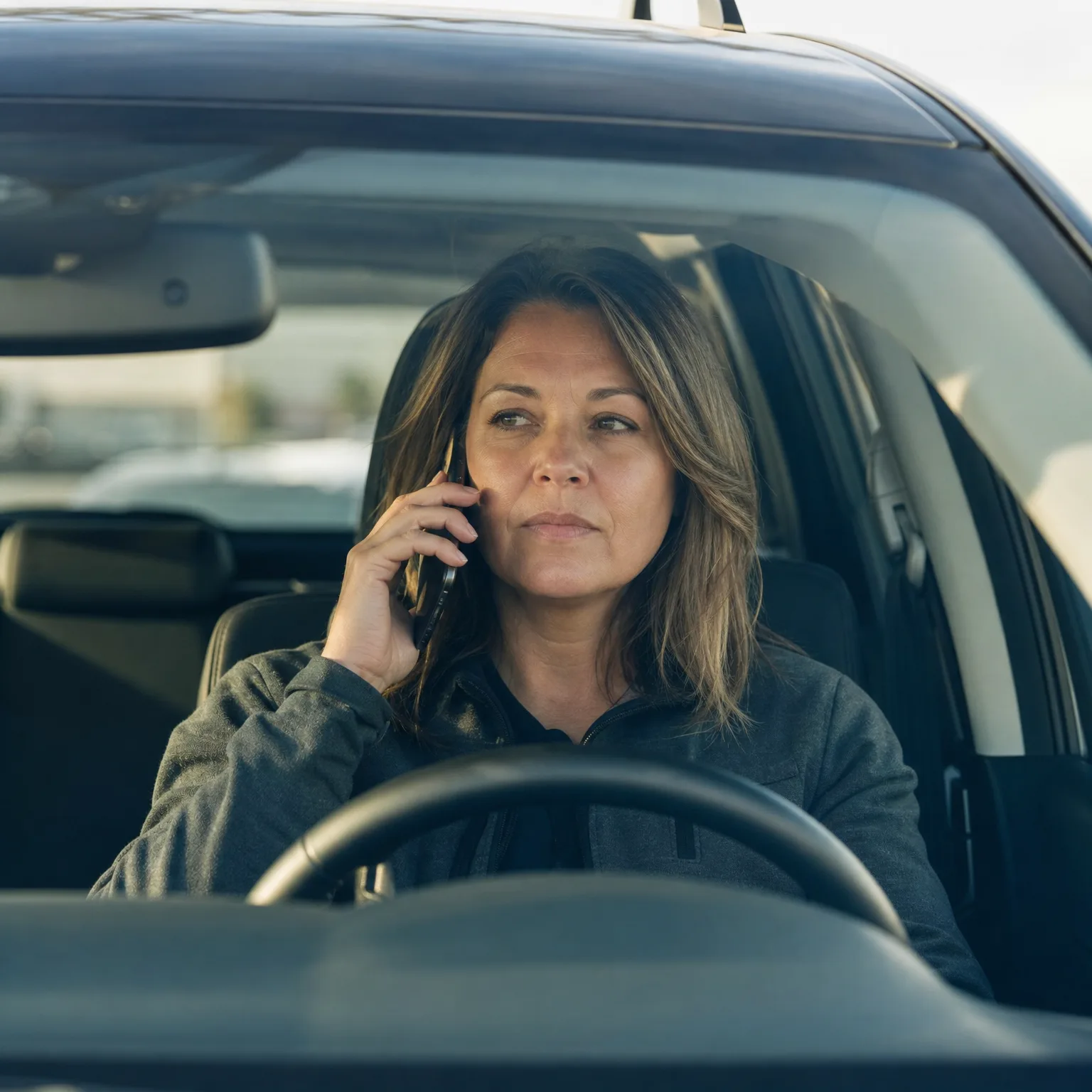
Paying your ticket at the courthouse does not automatically notify the DMV that your suspension is eligible for reinstatement. California courts and the DMV operate separate systems with no real-time data sync. After you pay the fine or resolve the failure-to-appear warrant, the court clerk issues an Abstract of Record clearance form, which you must physically or electronically submit to the DMV.
Most rideshare drivers pay the fine, assume reinstatement is automatic, and then contact the DMV two weeks later wondering why their license status still shows suspended. The DMV has no record of your court payment until the court's compliance notice reaches their system—a process that can take 30 to 45 days if left to the court's batch submission schedule.
To avoid this delay, request the court clearance form the same day you pay your fine. Ask the clerk for the Abstract of Record or the FTA/FTP clearance document. Some California courts issue this immediately; others require 3 to 5 business days for processing. Once you have the clearance form in hand, submit it directly to the DMV's Financial Responsibility unit along with your $55 reissue fee payment. This manual submission bypasses the batch processing delay and gets your license reinstated in 5 to 10 business days instead of 4 to 6 weeks.
When rideshare platforms require SR-22 despite DMV not requiring it
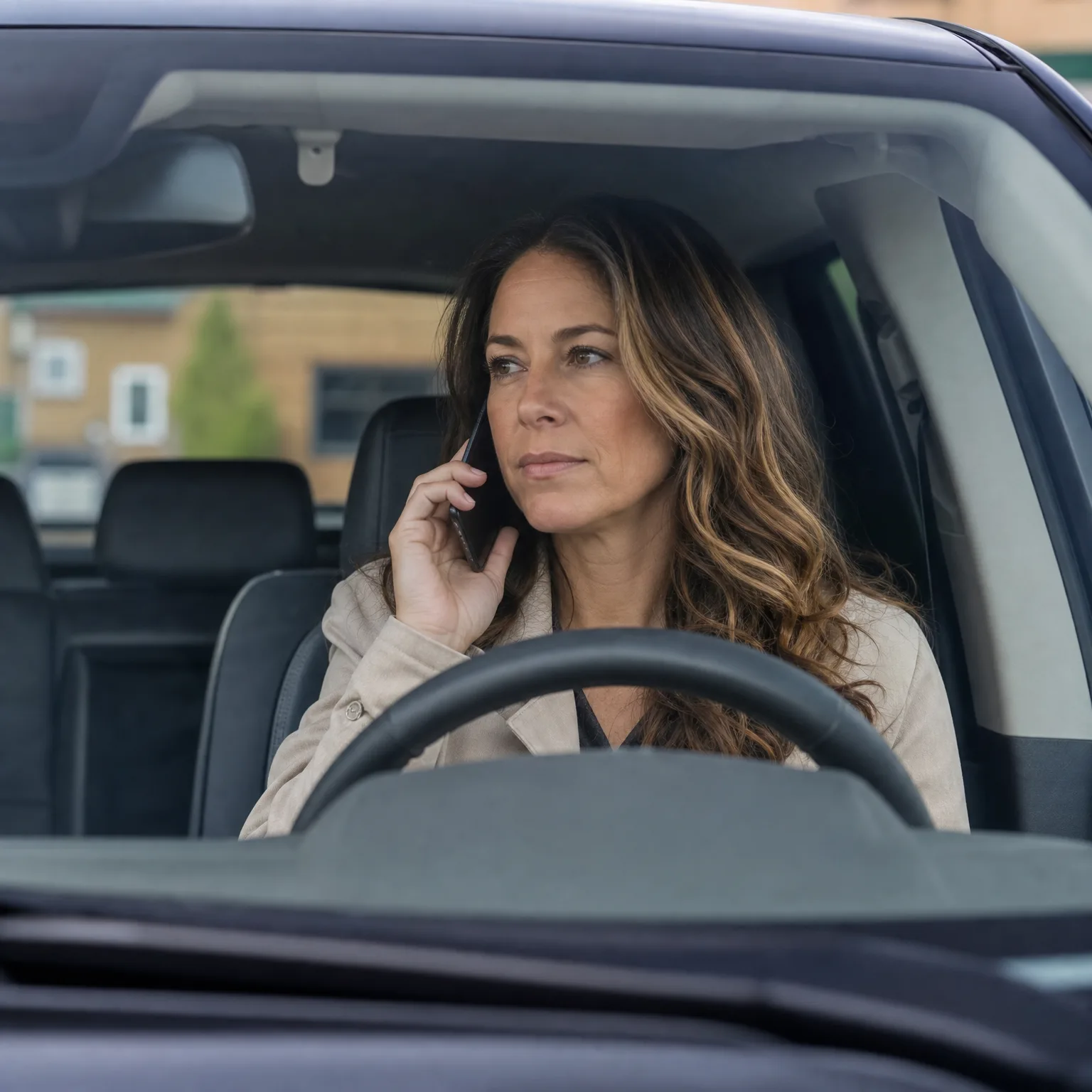
Uber and Lyft run background checks through third-party vendors that flag all suspensions without distinguishing between SR-22-required violations and administrative holds. The platform's reactivation checklist sometimes incorrectly lists SR-22 as a requirement even when California DMV rules do not mandate it for your suspension type.
If your rideshare platform requests SR-22 documentation after an unpaid-ticket suspension, this is a platform policy error, not a state legal requirement. Contact the platform's driver support team, provide your DMV reinstatement confirmation showing the suspension was lifted without SR-22 filing, and request manual review. In most cases, the support team will clear the SR-22 requirement once they verify your license is valid and the suspension cause was VC 13365 noncompliance rather than a moving violation.
However, a small subset of drivers have multiple suspensions or prior DUI convictions on record. If your driving history includes any SR-22-triggering violation within the past 3 years—even if it's unrelated to the current unpaid-ticket suspension—California DMV may still require active SR-22 on file for reinstatement. Check your DMV record online or call the DMV Financial Responsibility unit at 916-657-6525 to confirm whether any prior violation imposed an SR-22 filing period that hasn't yet expired.

Line Up Coverage Before Your License Comes Back
Get Back on the RoadDocumentation gaps that trigger lapse-gap reviews during reactivation
Rideshare platforms require continuous insurance coverage for the vehicle you drive, separate from any SR-22 filing requirement. When your license is suspended for unpaid tickets, your personal auto policy may lapse if you stop driving or if your carrier non-renews after discovering the suspension. Even though you don't need SR-22, you still need proof of current liability insurance at state minimum limits—$15,000 per person/$30,000 per accident for bodily injury and $5,000 for property damage under California Financial Responsibility Law.
The platform's background check vendor flags coverage gaps longer than 30 days. If you let your policy lapse during the suspension period, you'll need to obtain new coverage before reactivation, even if the DMV has already reinstated your license. This creates a second delay most drivers don't anticipate: they clear the suspension, pass the DMV reinstatement, then get blocked at the platform level because their insurance proof shows a 60-day lapse.
To avoid this, maintain liability coverage throughout your suspension period or obtain a new policy immediately after DMV reinstatement and before contacting the rideshare platform. If you don't own a vehicle, a non-owner liability policy satisfies the platform's insurance requirement and costs approximately $30 to $50 per month in California. Upload proof of coverage to your driver app the same day your license is reinstated to prevent lapse-gap flags from delaying reactivation.
How multiple unpaid tickets create compounding suspension periods
California processes each unpaid-ticket suspension as a separate administrative action. If you have three unpaid citations from different jurisdictions—say, a parking ticket in San Francisco, a red-light camera fine in Los Angeles, and a speeding ticket in San Diego—the DMV will issue three overlapping suspension orders, one for each court's failure-to-pay notice.
Clearing one ticket does not lift the other suspensions. You must obtain clearance documentation from each court that reported noncompliance, then submit all clearances to the DMV simultaneously. Most rideshare drivers discover this only after paying one fine, receiving a "still suspended" notice from the DMV, and realizing they have two additional courts to contact.
Request a full license status report from the DMV before you begin paying fines. The report lists every active suspension, the issuing court, and the citation or case number. Use this report to identify all outstanding tickets in one pass, pay them in a batch, collect all clearance forms, and submit them together. Piecemeal resolution extends your deactivation period unnecessarily because each clearance must be processed separately unless bundled in a single submission packet.
What to do right now if your rideshare account is deactivated for unpaid tickets
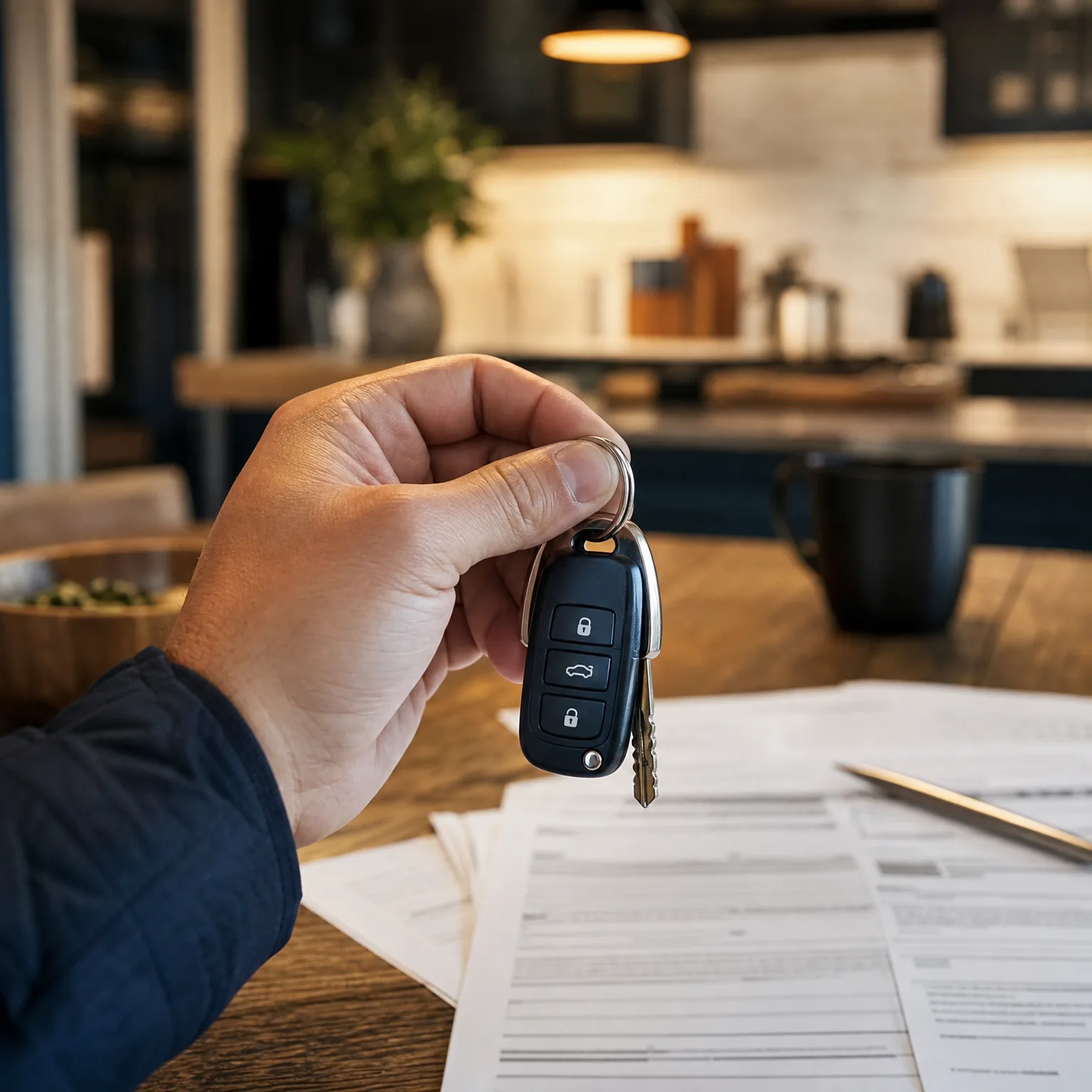
Contact the court listed on your suspension notice and ask whether the ticket can be paid online or requires an in-person appearance. Some California courts allow online payment with immediate digital clearance; others require a scheduled court date to withdraw the failure-to-appear warrant. If a court appearance is required, request the earliest available date—do not wait for the court to schedule you automatically, which can add 4 to 8 weeks.
Once the fine is paid or the warrant is cleared, request the Abstract of Record or FTA clearance form from the court clerk. Submit this form to the DMV Financial Responsibility unit along with the $55 reissue fee. If you are submitting by mail, use certified mail with tracking. If submitting in person at a DMV field office, bring a copy of the clearance form and your photo ID.
After the DMV reinstates your license—confirmation typically arrives within 5 to 10 business days—upload your reinstated license and current insurance proof to your rideshare platform's driver app. Contact driver support through the app and request manual review if the system does not automatically reactivate your account within 48 hours. Do not file for SR-22 unless the DMV explicitly lists SR-22 as a reinstatement requirement on your suspension notice or unless you have a separate prior violation that triggered an SR-22 filing period.
Frequently Asked Questions
Do I need SR-22 insurance to reinstate my California license after unpaid ticket suspension?
No. California Vehicle Code §13365 suspensions for unpaid tickets or failure to appear do not require SR-22 filing. You need to pay the outstanding fine, obtain a court clearance form, submit that clearance to the DMV, and pay the $55 reissue fee. SR-22 is required only for DUI, reckless driving, uninsured accidents, and negligent operator suspensions.
How long does it take for California DMV to process court clearance after I pay my ticket?
If you submit the court clearance form directly to the DMV Financial Responsibility unit, processing takes 5 to 10 business days. If you rely on the court to send the clearance automatically, batch processing can take 30 to 45 days. Request the Abstract of Record from the court clerk immediately after paying your fine and submit it yourself to avoid delays.
Will Uber or Lyft reactivate my account as soon as DMV reinstates my license?
Not automatically. Rideshare platforms run background checks that update every 7 to 14 days. After DMV reinstatement, upload your reinstated license and current insurance proof to the driver app, then contact driver support to request manual review. Reactivation typically occurs within 48 hours if documentation is complete and no other flags are present.
What happens if I have unpaid tickets in multiple California counties?
Each court reports a separate suspension to the DMV. You must obtain clearance documentation from every court that reported noncompliance and submit all clearances together. Paying one ticket does not lift the other suspensions. Request a full DMV license status report to identify all outstanding citations before you begin paying fines.
Can I drive for rideshare with a California restricted license after unpaid ticket suspension?
California does not issue restricted licenses for VC 13365 unpaid-ticket suspensions. Restricted licenses are available only for DUI and negligent operator suspensions. For unpaid tickets, you must fully reinstate your license by clearing the court noncompliance and paying the DMV reissue fee before you can drive legally for any purpose, including rideshare.
Do I need to maintain car insurance during my California unpaid-ticket suspension?
California law does not require insurance during suspension if you are not driving. However, rideshare platforms require proof of continuous liability coverage to reactivate your account. If your policy lapses for more than 30 days, the platform's background check will flag the gap and delay reactivation even after DMV reinstates your license.
How do I know if my California suspension requires SR-22 or just court clearance?
Check your DMV suspension notice or license status report. VC 13365 and 13365.2 suspensions are for unpaid tickets or failure to appear and do not require SR-22. VC 13352, 13353, and 16070 suspensions are for DUI, reckless driving, and uninsured accidents and do require SR-22. If uncertain, call the DMV Financial Responsibility unit at 916-657-6525 with your driver license number.
Related Articles

CA Unpaid Ticket Suspension: SR-22 & College Student Guide
5/3/2026
CA Unpaid Tickets Suspension Costs for Rideshare Drivers
5/3/2026
CA Child Support Suspension: SR-22 for Rideshare Drivers
5/3/2026

CA FTA Warrant Suspension: Rideshare SR-22 Timeline
5/3/2026
Nevada Rideshare SR-22 for Unpaid Ticket Suspensions
5/3/2026
CA CDL Unpaid Tickets: SR-22 & Gap Documentation Rules
5/3/2026