
Kansas FTA Warrant Suspension for Rideshare Drivers: SR-22 Timing
Free to compare
Why Kansas FTA warrant clearance doesn't automatically trigger DMV reinstatement
Kansas municipal and district courts clear failure-to-appear warrants at the county level, but this clearance does not post automatically to the Kansas Department of Revenue Division of Vehicles database. You must request a court clearance certificate and submit it to DMV separately. Most rideshare drivers assume paying the fine or appearing in court completes the process, then wait weeks wondering why their license status hasn't updated.
The gap exists because Kansas courts operate independent case management systems that don't interface with the DMV's driver record platform in real time. A judge can dismiss your warrant on Monday, but DMV won't know unless you or the court clerk manually transmits documentation. This creates a coordination problem rideshare drivers face under time pressure: you need to resume driving to recover lost income, but the bureaucratic handoff between agencies adds 15-30 days to what should be immediate reinstatement.
Rideshare platforms run background checks that flag active suspensions. Even after you've resolved the underlying warrant, your license shows suspended in DMV records until court clearance documentation posts. Filing SR-22 before this documentation arrives wastes money and time because DMV won't process your reinstatement until both the court clearance and the SR-22 are present simultaneously in their system.

Does Kansas require SR-22 filing for failure-to-appear warrant suspensions
Kansas does not require SR-22 filing for administrative FTA warrant suspensions caused by unpaid tickets or failure to appear in municipal or traffic court. SR-22 is mandated for DUI convictions, uninsured driving citations, excessive points suspensions, and certain reckless driving offenses. FTA suspensions fall into the administrative compliance category, which means reinstatement depends on court clearance and payment of the reinstatement fee, not proof of financial responsibility.
The confusion arises because many FTA suspensions stem from underlying traffic violations that would have required SR-22 if convicted at trial. If your original citation was for driving uninsured or reckless operation, and you failed to appear, the suspension itself doesn't trigger SR-22 requirements unless the court later convicts you of the underlying offense. Most rideshare drivers in this situation face FTA suspension only, not conviction-based suspension, which means SR-22 messaging from aggregator sites and insurance agents is often wrong for your case.
Verify your suspension type by checking your DMV record or calling the Kansas Department of Revenue Driver Control Bureau at 785-296-3671. If your record shows "administrative suspension - FTA" with no mention of financial responsibility filing, you do not need SR-22 to reinstate.


The correct documentation sequence for Kansas FTA warrant reinstatement
First, resolve the warrant at the court where it was issued. Pay any fines, appear before the judge if required, and request a court clearance certificate or dismissal order on official letterhead. Kansas courts typically provide this document within 3-5 business days after resolution, but some municipal courts require you to request it explicitly rather than issuing it automatically.
Second, submit the court clearance certificate to the Kansas Department of Revenue Division of Vehicles either in person at a driver's license office or by mail to Kansas Department of Revenue, Driver Control Bureau, P.O. Box 2128, Topeka, KS 66601-2128. Include your driver's license number and a written request for reinstatement review. DMV processing takes 10-15 business days from the date they receive your submission, not from the date you mail it.
Third, pay the Kansas reinstatement fee after DMV confirms your clearance documentation has posted. The fee is $59 for FTA suspensions as of current DMV fee schedules. You cannot pay this fee until DMV has processed your court clearance, which is why filing SR-22 simultaneously wastes effort: SR-22 alone does not satisfy the clearance requirement, and DMV will hold your reinstatement application until both items are present.
Rideshare drivers who file SR-22 at step one, before court clearance posts, create a documentation mismatch. DMV receives your SR-22 Certificate of Financial Responsibility but has no court record showing the warrant was cleared, so they cannot process reinstatement. You then wait for court records to arrive while paying for SR-22 coverage you don't legally need.

Line Up Coverage Before Your License Comes Back
Get Back on the RoadWhy rideshare drivers face stricter reinstatement urgency than other Kansas drivers
Uber and Lyft conduct continuous background monitoring that flags license suspensions within 48-72 hours of a status change posting to DMV records. Once flagged, your account is deactivated until you upload proof of reinstatement. This creates income loss that escalates daily, which is why rideshare drivers often rush to file SR-22 even when it's not required: the urgency to resume driving overrides careful reading of reinstatement requirements.
The platforms do not distinguish between suspension types. An FTA suspension for a $150 unpaid speeding ticket triggers the same deactivation as a DUI conviction. Rideshare drivers lose access to the app, lose weekly earnings, and face pressure to reinstate immediately. Insurance agents and online SR-22 providers exploit this urgency by framing SR-22 as a universal reinstatement requirement, when in fact it applies only to specific violation categories.
Kansas rideshare drivers can avoid this trap by verifying suspension type before purchasing coverage. If your suspension letter or DMV record does not mention financial responsibility or proof of insurance requirements, do not file SR-22. Focus on obtaining court clearance and submitting it to DMV as quickly as possible, which is the actual bottleneck in your timeline.
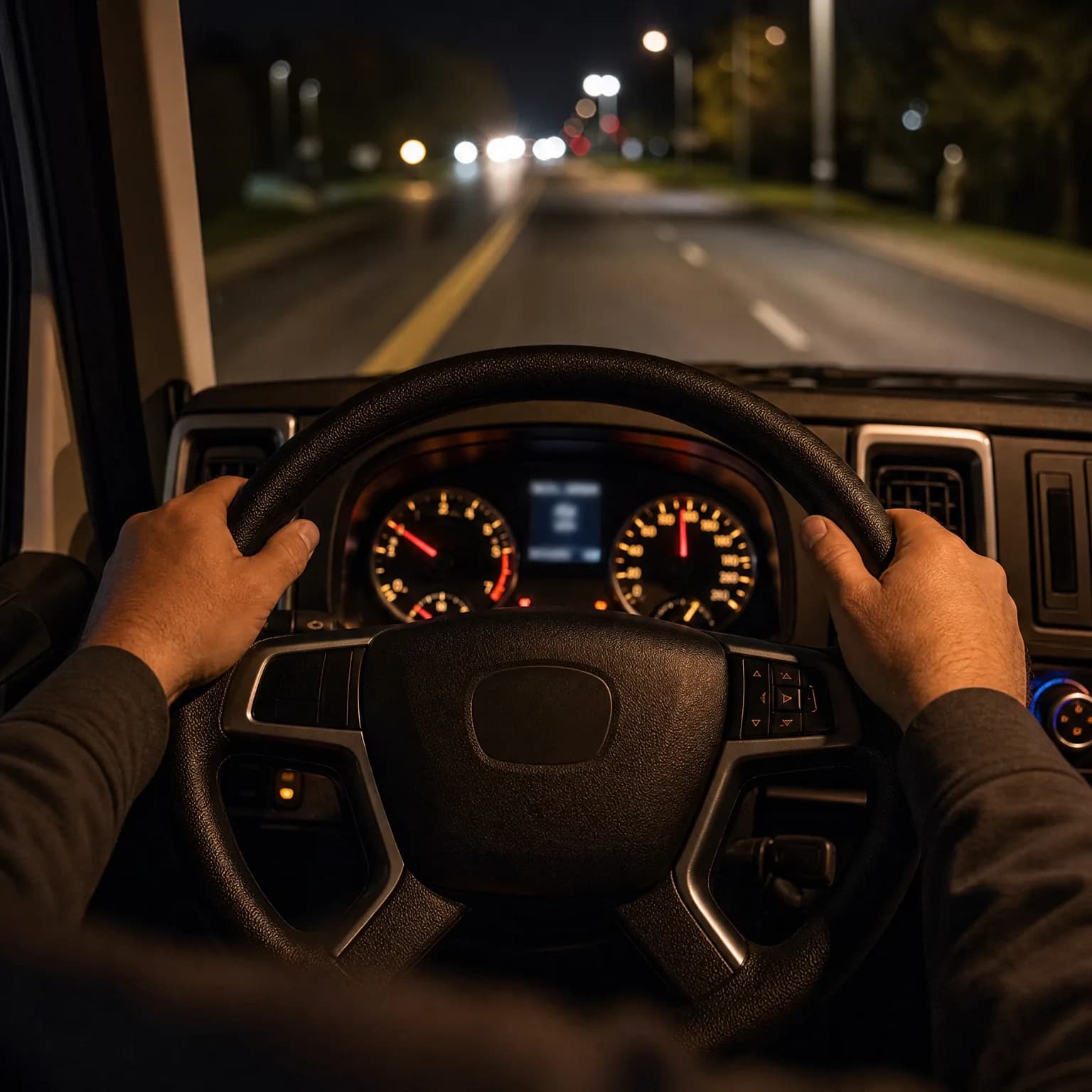
What happens if you file SR-22 for a Kansas FTA suspension that doesn't require it
You pay for high-risk insurance premiums you don't need. Kansas SR-22 policies typically cost $40-$90 per month more than standard liability coverage, and most carriers require maintaining the filing for the state-mandated period even if you later discover it wasn't necessary. Canceling SR-22 coverage before the filing period ends triggers a notice to DMV, which can result in automatic suspension if DMV mistakenly associates your filing with a violation that does require it.
More importantly, filing SR-22 before your court clearance posts creates confusion in DMV records. When DMV receives an SR-22 Certificate of Financial Responsibility for a driver whose suspension reason doesn't match SR-22 requirements, their system flags the account for manual review. This review adds 7-14 business days to processing time because a DMV examiner must reconcile the mismatch between your suspension type and the documentation you submitted.
Rideshare drivers who file SR-22 prematurely then face a choice: continue paying elevated premiums for coverage they don't need, or cancel the SR-22 and risk DMV interpreting the cancellation as noncompliance. The cleanest path is to avoid filing SR-22 in the first place unless your suspension documentation explicitly requires proof of financial responsibility.
How to verify your Kansas suspension type and documentation requirements
Request a copy of your Kansas driving record by visiting ksrevenue.gov or visiting any Kansas driver's license office in person. Your driving record lists the suspension reason code and any reinstatement conditions. Look for codes 02 (FTA), 06 (failure to pay fine), or 30 (court order noncompliance). These codes indicate administrative suspensions that do not require SR-22 filing.
If your record shows suspension code 10 (uninsured operation), 12 (reckless driving), or 16 (DUI/refusal), Kansas does require SR-22 filing as a condition of reinstatement. In these cases, you must maintain SR-22 coverage for the period specified on your suspension notice, typically 1-3 years depending on the violation.
When in doubt, call the Kansas Driver Control Bureau at 785-296-3671 and ask the examiner to confirm whether your specific suspension requires proof of financial responsibility. This call takes 5-10 minutes and prevents wasting money on unnecessary SR-22 premiums or delaying reinstatement by filing documentation in the wrong sequence.
Frequently Asked Questions
How long does it take Kansas DMV to process court clearance for an FTA warrant suspension?
Kansas DMV takes 10-15 business days to process court clearance documentation after they receive it. This timeline starts when your submission arrives at the Driver Control Bureau in Topeka, not when you mail it or submit it at court. Court processing adds another 3-5 business days before DMV receives the clearance certificate.
Can I drive for Uber or Lyft in Kansas while waiting for my FTA suspension to clear?
No. Uber and Lyft deactivate accounts within 48-72 hours of a suspension posting to your DMV record, and you cannot drive again until you upload proof of reinstatement. Kansas does not offer occupational or hardship licenses for administrative FTA suspensions, which means you have no legal driving privileges until full reinstatement is complete.
Does Kansas accept out-of-state court clearance for FTA warrants issued in other states?
Yes, but only if the other state reported the FTA to Kansas through the National Driver Register. You must obtain a clearance certificate from the issuing state's court, then submit it to Kansas DMV with a written explanation. Kansas DMV reviews out-of-state clearances on a case-by-case basis, which adds 15-25 business days to processing time.
What happens if I file SR-22 in Kansas but my suspension was only for FTA?
You pay for high-risk insurance premiums you don't legally need, typically $40-$90 per month more than standard coverage. Kansas DMV may also flag your account for manual review because the SR-22 filing doesn't match your suspension type, which delays reinstatement by 7-14 business days while an examiner reconciles the documentation mismatch.
Can I get a restricted license in Kansas while my FTA suspension is active?
No. Kansas does not issue restricted, occupational, or hardship licenses for administrative FTA suspensions. These programs are reserved for DUI and certain medical suspensions. You must fully resolve the warrant and complete reinstatement before you can legally drive again.
How do I confirm whether my Kansas FTA suspension requires SR-22 filing?
Check your DMV driving record for the suspension reason code. Codes 02, 06, and 30 indicate administrative FTA suspensions that do not require SR-22. Codes 10, 12, and 16 indicate violations that do require proof of financial responsibility. You can also call the Kansas Driver Control Bureau at 785-296-3671 to ask an examiner directly.
Related Articles
Kansas FTA Warrant Suspension Costs for Rideshare Drivers
5/3/2026
Kansas FTA Warrant Suspension: Court-to-DMV Gap
5/3/2026

Kansas Unpaid Ticket Suspension: Court vs DMV Timing
5/3/2026

Kansas CDL Warrant Suspension: SR-22 Filing Timing
5/3/2026

Kansas Rideshare Reinstatement: Court & KDOR Timeline
5/3/2026
Kansas Child Support Reinstatement for Rideshare Drivers
5/3/2026