Kansas Rideshare Driver Reinstatement: Court and DMV Timeline
Free to compare
Why Kansas Court Clearance Doesn't Automatically Restore Your Rideshare License
Kansas operates a dual-track system for insurance lapse suspensions: the court issues clearance when you've satisfied all conditions, but the Kansas Department of Revenue Division of Vehicles (KDOR) maintains a separate suspension record that requires independent verification. Most rideshare drivers assume paying court fines and showing proof of insurance closes their case. It doesn't.
The court clears your criminal or civil matter. KDOR controls your actual driving privileges. Until KDOR receives confirmation of compliance—submitted separately by you or your attorney—your license remains suspended in the state database. Uber and Lyft background check systems pull from KDOR records, not court records.
This gap exists because Kansas law treats insurance lapses as administrative violations handled by KDOR under K.S.A. 40-3104, while courts process the underlying citation or failure-to-appear charge. The two systems don't automatically sync. You must bridge them manually.
The Exact KDOR Verification Process Rideshare Drivers Must Complete
After satisfying all court requirements, you must submit verification to KDOR Driver Control Bureau directly. This requires three documents: proof of continuous insurance coverage for the period KDOR specifies (typically 90 days forward from your reinstatement date), court disposition showing case closure, and payment of the $50 reinstatement fee.
KDOR does not accept emailed proof or phone confirmations. You must mail or deliver originals to the Driver Control Bureau in Topeka, or submit through your county treasurer's office if they participate in KDOR's relay program. Not all counties relay documents—Johnson, Sedgwick, and Wyandotte counties do; smaller counties often don't. Confirm before assuming your local treasurer can process this.
Processing takes 10-15 business days from KDOR's receipt of complete documentation. Incomplete submissions restart the clock. Missing a single document—most commonly the forward-dated insurance proof—delays reinstatement by another two weeks minimum.

How SR-22 Filing Timing Affects Rideshare Driver Verification
Kansas requires SR-22 filing for insurance lapse suspensions in most cases, but the filing must remain active for the entire reinstatement period KDOR assigns—typically three years from reinstatement date, not from suspension date. Rideshare drivers often file SR-22 at court clearance, assuming that satisfies KDOR. It doesn't until KDOR processes your reinstatement application and logs the SR-22 into your driver record.
Your carrier submits SR-22 to KDOR electronically when you purchase coverage, but KDOR won't associate that filing with your suspended license until you complete the reinstatement process. This creates a coordination problem: you need proof of SR-22 coverage to submit your reinstatement application, but KDOR won't mark your record clear until they've processed the application and confirmed the SR-22 matches their suspension record.
To avoid processing delays, obtain SR-22 coverage at least 5 business days before submitting your KDOR reinstatement packet. This gives your carrier time to transmit the filing and KDOR time to log it before your documents arrive. Filing SR-22 and mailing reinstatement documents the same day often triggers a verification hold while KDOR waits for the carrier's electronic submission to post.

Line Up Coverage Before Your License Comes Back
Get Back on the RoadWhy Rideshare Platform Background Checks Fail Before KDOR Updates
Uber and Lyft use continuous background monitoring through Checkr and similar vendors. These systems pull Kansas driving records directly from KDOR databases, not court records. Until KDOR updates your driver status from suspended to valid, the background check shows an active suspension regardless of court clearance.
Most rideshare drivers discover this when they attempt to go online after court resolution and see a suspended account notice. The platform hasn't made an error—your KDOR record still shows suspended because you haven't completed the separate KDOR verification process. Court clearance proves you've satisfied legal conditions; it doesn't change your administrative driver status.
Background check updates typically process within 48-72 hours after KDOR changes your status, but KDOR status changes only happen after they process your full reinstatement submission. This means even if you satisfy court requirements today, you're looking at 15-20 days minimum before rideshare platforms clear you to drive: 5 days to obtain and file SR-22, 10-15 days for KDOR processing, 2-3 days for background check vendor updates.
What Happens If You Drive for Rideshare Platforms Before KDOR Reinstatement
Operating a vehicle while your Kansas license remains administratively suspended—even after court clearance—constitutes driving under suspension under K.S.A. 8-262. This is a Class B misdemeanor carrying up to 6 months in jail and fines up to $1,000 for a first offense. Commercial use while suspended, which includes rideshare driving, often triggers harsher penalties because prosecutors view it as willful operation for profit.
If you're involved in an accident or stopped during a rideshare trip while KDOR shows you as suspended, your rideshare platform's insurance typically denies coverage. Both Uber and Lyft require active, valid driver licenses as a condition of coverage under their commercial policies. Driving while suspended voids that coverage, leaving you personally liable for damages.
Kansas law enforcement and county prosecutors have access to real-time KDOR records during traffic stops. Your court clearance paperwork won't prevent a new driving-under-suspension charge if KDOR's database still shows suspended status. The officer isn't required to accept court documents as proof of reinstatement—only KDOR's official driver record determines your legal status.
How to Coordinate Court Clearance and KDOR Verification Correctly
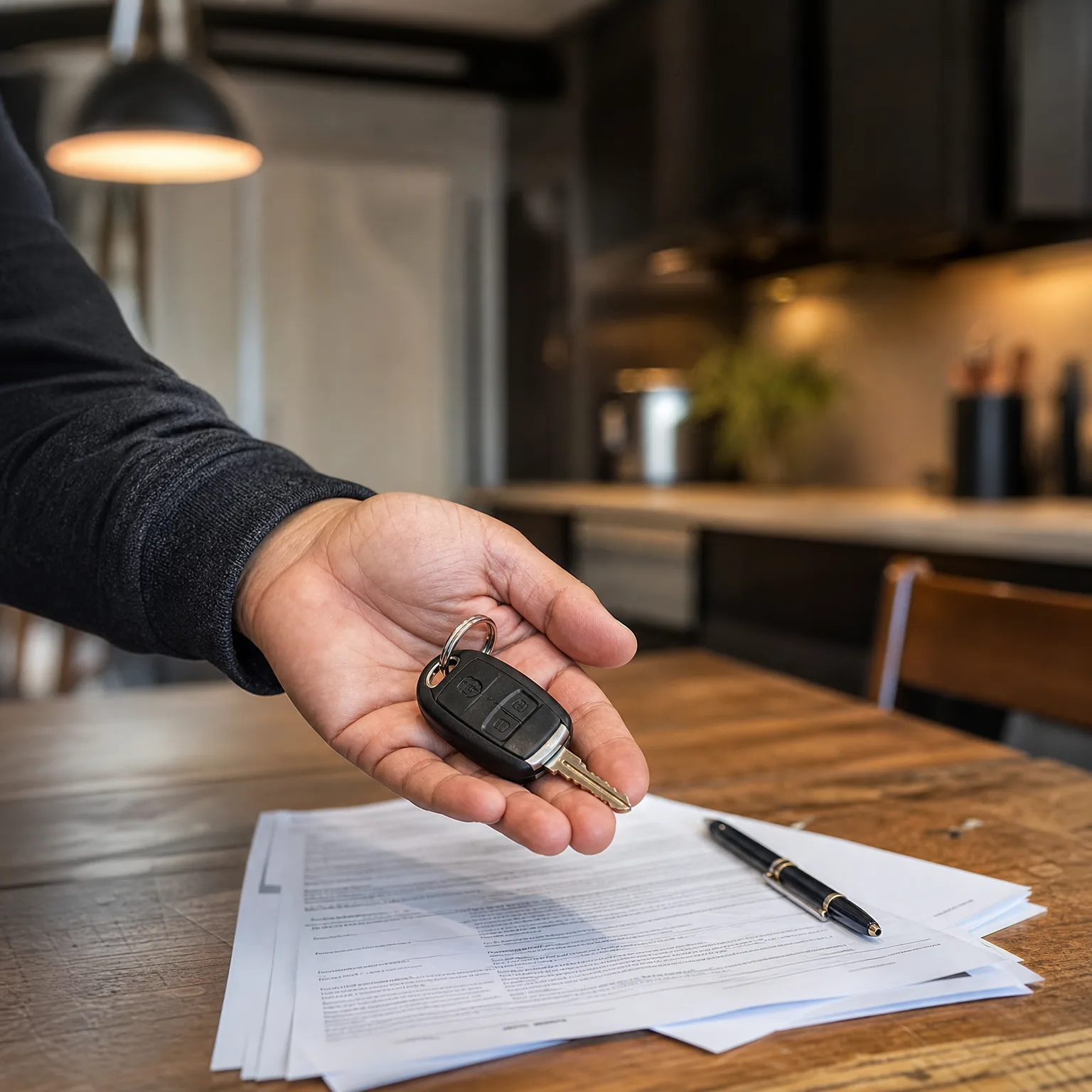
Start by obtaining proof of insurance with SR-22 filing before your court date. This allows you to show the court you've already secured compliant coverage and gives your carrier time to transmit the SR-22 to KDOR before you submit reinstatement documents.
At your court hearing, request a certified copy of the disposition order showing case closure and all fines paid. Kansas courts charge $1-$3 per certified copy depending on county; order two copies so you have one for your records. Mail this certified disposition, proof of SR-22 coverage showing effective and future dates covering at least 90 days forward, and a money order for $50 (personal checks delay processing by 7-10 days while KDOR waits for clearance) to KDOR Driver Control Bureau.
Include a cover letter with your full legal name, driver license number, date of birth, and a phone number where KDOR can reach you if documents are incomplete. KDOR does not email status updates—they call if there's a problem or mail a reinstatement notice when processing completes. Most rideshare drivers miss KDOR's single phone call and assume their packet is processing when it's actually sitting in an incomplete file waiting for a callback.
Frequently Asked Questions
Can I drive for Uber in Kansas while waiting for KDOR to process my reinstatement?
No. Uber and Lyft require an active, valid Kansas driver license to operate. Even if your court case is cleared, KDOR maintains a separate administrative suspension that shows on background checks until they process your full reinstatement application, which takes 10-15 business days after they receive complete documentation.
Does paying my court fines automatically reinstate my Kansas license for rideshare driving?
No. Kansas operates dual tracks for insurance lapse suspensions: the court clears your legal case, but KDOR Division of Vehicles controls your actual driving privileges. You must submit separate reinstatement documents—including proof of SR-22 coverage, court disposition, and a $50 fee—directly to KDOR before your license status changes in the state database.
How long does Kansas SR-22 filing last after an insurance lapse suspension?
Kansas typically requires SR-22 filing for three years from your reinstatement date for insurance-related suspensions. The filing period begins when KDOR processes your reinstatement, not when you first purchase coverage or clear court conditions. Any lapse in SR-22 during this period triggers automatic re-suspension.
Will my rideshare insurance cover an accident if I drive before KDOR updates my license?
No. Uber and Lyft require active, valid licenses as a condition of their commercial coverage. If you're in an accident while KDOR's database shows you as suspended—even if you have court clearance—the rideshare platform's insurance typically denies coverage, leaving you personally liable for all damages.
Can I submit my Kansas KDOR reinstatement documents online or by email?
No. KDOR Driver Control Bureau requires original or certified documents submitted by mail or in person in Topeka. Some counties—including Johnson, Sedgwick, and Wyandotte—participate in KDOR's relay program and accept documents at the county treasurer's office, but not all counties offer this service.
What happens if I file SR-22 the same day I mail my Kansas reinstatement packet?
KDOR often places your application on verification hold while waiting for your carrier's electronic SR-22 submission to post to their system. This delays processing by 5-10 days. File SR-22 at least 5 business days before mailing reinstatement documents to avoid this hold.
Related Articles
Kansas DUI Reinstatement for Rideshare: KDOR Timing
5/3/2026

Kansas Unpaid Ticket Suspension: Court vs DMV Timing
5/3/2026

Kansas Unpaid Tickets Suspension Costs for Rideshare
5/3/2026

Kansas FTA Warrant Suspension: Court-to-DMV Gap
5/3/2026

Kansas FTA Warrant SR-22 Timing for Rideshare Drivers
5/3/2026

Kansas Child Support Reinstatement for Rideshare Drivers
5/3/2026