
WV DUI Reinstatement for Single Parents: Court and DMV Timing
Free to compare
Why West Virginia's Court-DMV Gap Costs Single Parents the Most Time
Your attorney calls to confirm your DUI case is closed. You assume DMV knows. They don't.
West Virginia courts do not automatically notify the Division of Motor Vehicles when you complete sentencing, pay fines, or finish an alcohol safety program. The court clerk generates a paper clearance form—but you must physically submit it to DMV or mail it yourself. Most single parents discover this gap only after driving to the DMV office with kids in tow, waiting 90 minutes, and being turned away because no court record exists in the system.
The delay compounds if you're coordinating childcare around a single DMV appointment. Miss the court clearance step and you're rescheduling everything: the babysitter, the time off work, the second trip to the courthouse to request the form you thought was automatic. For parents managing school pickup, shift work, or limited transportation, that's a 30-45 day setback before you even begin the actual reinstatement process.
The Three-Document Sequence West Virginia Requires Before Reinstatement
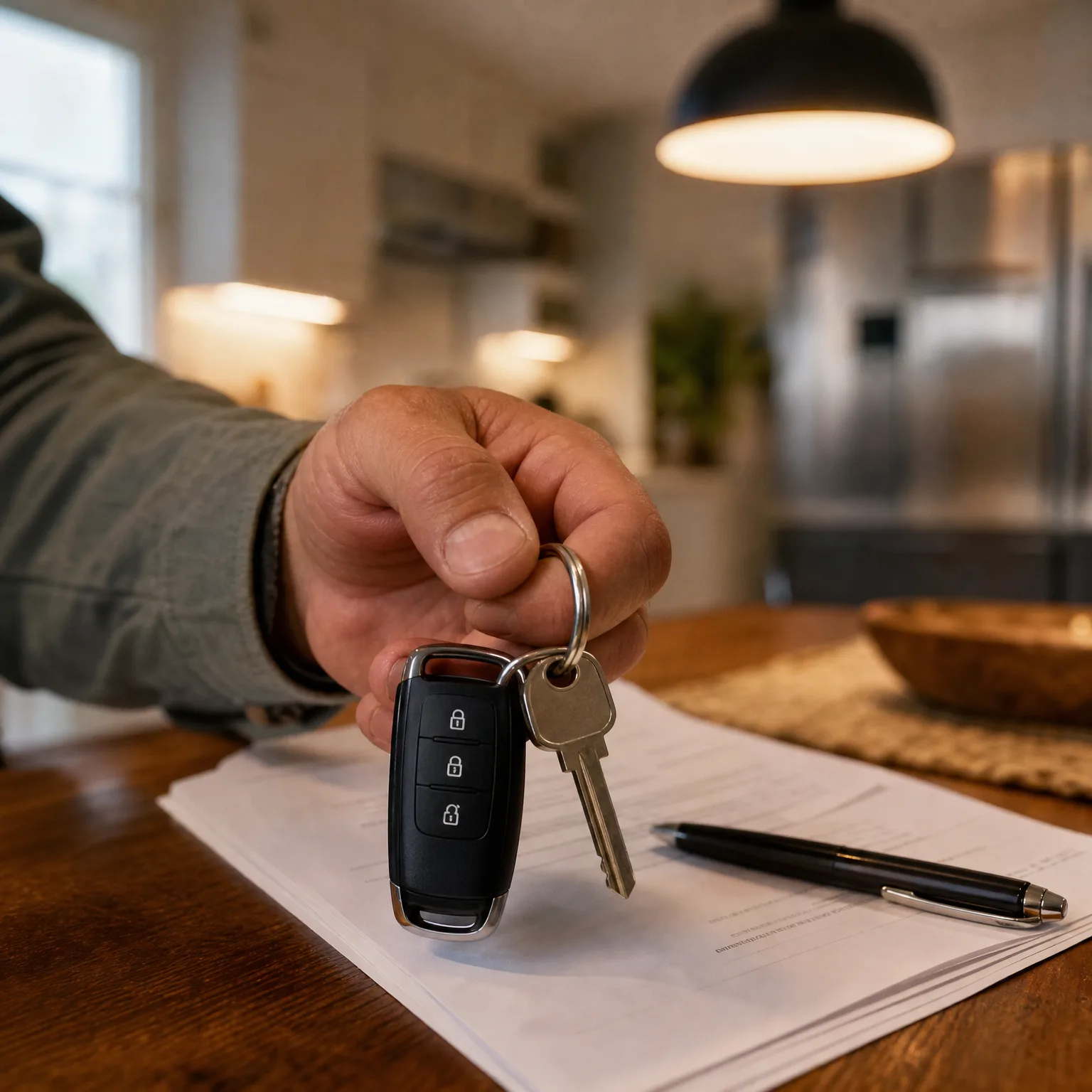
West Virginia DMV will not process reinstatement until three documents are on file simultaneously: court clearance form (provided by the circuit clerk after sentencing completion), SR-22 certificate of financial responsibility (filed by your insurance carrier), and proof of alcohol safety program enrollment or completion (depending on whether you're applying for a hardship license or full reinstatement).
The order matters. Filing SR-22 before the court clearance posts to DMV creates a mismatch—the SR-22 shows active but the suspension reason still appears unresolved in the state database. DMV staff won't process partial packets. They return incomplete applications without explanation, which means you discover the missing piece only after another trip to the Charleston or local DMV office.
Single parents coordinating this process while managing dependents should request the court clearance form the same day sentencing concludes. Don't wait for mail. Circuit clerks in Kanawha, Cabell, and Berkeley counties will print the form on request if you ask specifically for the DMV clearance letter—but they don't automatically offer it. Bring it to DMV in person or send certified mail with tracking. Only after DMV confirms receipt should you instruct your insurance carrier to file SR-22.
How Hardship License Timing Differs from Full Reinstatement in WV
West Virginia offers a hardship license (officially called a "temporary driving permit for occupational purposes") 15 days after a first-offense DUI suspension begins. You don't need to complete the alcohol safety program to apply—but you must show proof of enrollment and pay the $165 hardship application fee on top of the $45 reinstatement fee you'll pay later.
The timing trap: hardship licenses require the same three-document clearance as full reinstatement, but the court clearance form for hardship applications is different from the post-sentence clearance form. You need a judicial order approving restricted driving, not just a case-closed letter. Most circuit judges issue this order at sentencing if your attorney requests it—but if no one asks, you're filing a separate motion, which adds 10-20 days for a hearing date.
For single parents, the hardship license is worth the complexity. It allows driving to work, medical appointments, school transport for dependents, and court-ordered programs. You cannot use it for grocery trips, errands, or social events—but those restrictions are easier to navigate than losing your job or missing a child's doctor appointment because you can't legally drive for six months.

Line Up Coverage Before Your License Comes Back
Get Back on the RoadWhat Happens When You File SR-22 Before Court Records Clear
Insurance carriers file SR-22 electronically within 24-48 hours of your request. West Virginia DMV receives the filing instantly. But if the court clearance hasn't posted to your driving record yet, DMV's system flags a conflict: the SR-22 shows financial responsibility for a suspension that still appears active and unresolved.
DMV doesn't call you to explain the mismatch. The SR-22 sits in the system. Your reinstatement application sits unprocessed. You assume everything is moving forward because your carrier confirmed the SR-22 filing—but nothing happens until you follow up, discover the court clearance gap, and restart the sequence.
Single parents lose the most here because coordination attempts fail silently. You've arranged the sitter, taken the day off, driven to DMV—and the system shows no progress. The fix: confirm court clearance posting with DMV by phone (304-558-3900) before instructing your carrier to file SR-22. Ask the DMV representative to verify that your case disposition appears in the state database. Only after verbal confirmation should you trigger the SR-22 filing.
Proof of Alcohol Safety Program Enrollment: When DMV Needs It
West Virginia requires completion of the West Virginia Safety and Treatment Program (or an approved equivalent) before full reinstatement after a DUI. For hardship license applications, you need proof of enrollment only—not completion. The distinction matters for timing.
Enrollment proof is a signed intake form from the program provider, typically issued the day you register. Completion requires finishing all sessions, which takes 8-16 weeks depending on program type. If you're applying for a hardship license, bring the intake form. If you're applying for full reinstatement, wait until the program director signs your completion certificate—submitting early with just enrollment proof will delay processing.
Single parents managing program attendance around childcare schedules should ask providers about weekend or evening sessions upfront. Not all counties offer flexible scheduling. Kanawha and Cabell counties have evening options; smaller counties may require daytime attendance, which conflicts with work and school obligations. Missing two consecutive sessions triggers automatic dismissal from some programs, forcing you to re-enroll and restart the clock.
Where to Find Non-Owner SR-22 Coverage If You Sold Your Car
Many single parents sell their vehicle during suspension to avoid insurance costs they can't use. West Virginia still requires SR-22 filing to reinstate your license—even if you don't own a car.
Non-owner SR-22 policies cover you as a driver, not a specific vehicle. They satisfy the state's financial responsibility requirement and cost significantly less than standard auto insurance—typically $35-$60 per month for minimum liability coverage. If you're reinstating after a DUI, you'll maintain this coverage for three years from your reinstatement date, as West Virginia requires continuous SR-22 filing for that period.
Not all carriers write non-owner policies. Progressive, The General, and Bristol West are the most common options in West Virginia. Avoid applying through aggregators—they route applications to carriers that don't specialize in high-risk coverage, which wastes time. Contact carriers directly, confirm they write non-owner SR-22 in West Virginia, and request an immediate filing after purchase. If you later buy a vehicle, you'll need to convert the non-owner policy to a standard policy and re-file SR-22 on the new vehicle—your carrier handles this, but you must notify them within 30 days of purchase or the SR-22 lapses.
Frequently Asked Questions
Can I get a hardship license in West Virginia if I'm a single parent with a DUI?
Yes. West Virginia allows hardship license applications 15 days after a first-offense DUI suspension begins. You must show proof of enrollment in an approved alcohol safety program, submit a court order approving restricted driving, file SR-22, and pay a $165 application fee. The hardship license permits driving to work, medical appointments, school transport for dependents, and court-ordered programs.
How long does it take to get court clearance for DMV after a DUI in West Virginia?
West Virginia courts do not automatically transmit clearance to DMV. You must request a DMV clearance letter from the circuit clerk after sentencing concludes—this takes 1-3 business days if requested in person. Mailing the form to DMV adds another 7-10 days for processing. Most delays happen because drivers assume the court notifies DMV automatically.
What happens if I file SR-22 before my court case clears in West Virginia?
DMV receives the SR-22 filing but won't process reinstatement until court clearance also appears in the state database. The SR-22 sits inactive while the suspension reason remains flagged as unresolved. You'll discover the mismatch only when you follow up—typically 30-45 days later—because DMV doesn't notify you of incomplete packets.
Do I need a lawyer to get a hardship license in West Virginia?
Not required, but helpful. The hardship application itself is administrative—you file with DMV, not the court. However, you need a judicial order approving restricted driving, which most judges issue at sentencing if your attorney requests it. Without an attorney, you'll file a separate motion and wait 10-20 days for a hearing date.
How much does non-owner SR-22 insurance cost in West Virginia after a DUI?
Typically $35-$60 per month for state minimum liability coverage. Non-owner policies cover you as a driver rather than a specific vehicle, which is why they cost less than standard auto insurance. You'll maintain this coverage for three years from your reinstatement date to satisfy West Virginia's SR-22 filing requirement.
Can I drive my kids to school on a West Virginia hardship license?
Yes. West Virginia's hardship license explicitly permits driving dependents to school, medical appointments, and daycare. You cannot use it for errands, social events, or non-essential trips. Violating the restriction terms during the hardship period results in immediate license revocation and restart of the full suspension.
Related Articles
WV DUI Reinstatement Timing for College Students
5/3/2026
WV DUI CDL Reinstatement: Court Clearance Timing
5/3/2026
WV Insurance Lapse Reinstatement: Court & DMV Timing
5/3/2026
WV Failure-to-Appear Reinstatement: Court & DMV Timing
5/3/2026
WV Unpaid Ticket Suspension for Single Parents Guide
5/3/2026
WV Unpaid Tickets: Court Clearance & DMV Timeline
5/3/2026