
WV Unpaid Ticket Suspension for Single Parents: SR-22 & Lapse Gaps
Free to compare
Why Paying the Ticket Doesn't Immediately Reinstate Your License
West Virginia's Division of Motor Vehicles operates an electronic notification system that receives court clearances, but the transmission isn't instant. When you pay an unpaid ticket or resolve a failure-to-appear warrant, the court enters the resolution into its case management system. That entry triggers an electronic notification to the WV DMV, but the notification typically processes within 7–14 business days from the court's entry date—not from your payment date.
Most single parents assume payment equals immediate eligibility. It doesn't. Your driving record remains suspended in the DMV's system until the court's clearance posts electronically and a DMV examiner manually reviews your file for reinstatement eligibility. If you attempt to reinstate before the clearance posts, the DMV will deny your application and you'll pay the $50 reinstatement fee twice.
The court won't issue a paper clearance letter you can hand-carry to the DMV. West Virginia Code §17B-3-6 delegates suspension authority to the DMV, and the DMV will only act on its own electronic records. Showing a clerk your paid receipt doesn't override the system. You wait for the electronic transmission to complete or you restart the process.

What Happens If Your Insurance Lapsed While Suspended
West Virginia requires continuous liability insurance for all registered vehicles under WV Code §17A-3-14, even during a suspension period. If your insurance lapsed while you were suspended for unpaid tickets, you now face two separate administrative actions: the original ticket suspension and a secondary registration suspension triggered by the lapse.
The DMV's electronic insurance verification system (EIV) matches your registered vehicle to active policy records reported by carriers. When your carrier cancelled your policy and electronically notified the DMV, the DMV suspended your vehicle registration independently of your license suspension. Reinstating your license doesn't automatically reinstate your registration. You must provide proof of current insurance coverage and pay a separate reinstatement fee for the registration suspension before you can legally drive.
This creates a documentation gap most single parents don't anticipate. You resolve the ticket, wait for court clearance to post, obtain new insurance coverage, and submit reinstatement paperwork for both the license and the registration. The two processes run in parallel but they don't coordinate. Miss the registration reinstatement step and you'll be cited for operating an unregistered vehicle even after your license is restored.


SR-22 Filing Is Not Required for Unpaid Ticket Suspensions
Unpaid ticket suspensions in West Virginia do not trigger SR-22 filing requirements. SR-22 is a financial responsibility certificate required after DUI convictions, uninsured motorist violations, and certain repeat moving violations under WV Code §17D. Failure to pay a traffic citation is an administrative suspension, not a moving violation, and does not meet the statutory threshold for SR-22.
If an insurance agent or carrier suggests you need SR-22 for an unpaid ticket suspension, they are either confused about your suspension cause or attempting to sell unnecessary coverage. Verify your suspension trigger directly with the WV DMV before purchasing SR-22. The base reinstatement fee for an unpaid ticket suspension is $50; adding SR-22 when it's not required will cost you an additional $25–$50 filing fee plus elevated premiums you don't legally need.
The exception: if you were suspended for unpaid tickets and separately cited for driving uninsured during that suspension, the uninsured motorist citation creates a new SR-22 requirement independent of the ticket suspension. The two suspensions layer but they stem from different causes and carry different reinstatement conditions.
Documenting the Lapse Gap for Employer or Court Requirements
Single parents navigating unpaid ticket suspensions often need proof of driving eligibility for employment, child custody arrangements, or family court compliance. The lapse gap between ticket payment and DMV reinstatement creates a documentation problem: you've resolved the underlying cause but you can't prove eligibility because the DMV hasn't processed the clearance yet.
West Virginia does not offer provisional or temporary driving privileges during the processing window for unpaid ticket suspensions. Restricted licenses under WV Code §17B-3-6 are available for DUI offenders enrolled in the Alcohol Test and Lock Program (ATLP) but not for administrative suspensions triggered by court non-compliance. You cannot drive legally during the 7–14 day clearance posting period, even if you've paid the ticket and obtained insurance.
If your employer requires proof of valid driving status and you're inside the clearance gap, request a letter from the court clerk confirming the ticket resolution date and stating that the case is closed. This letter won't satisfy the DMV but it may satisfy an employer or family court judge who understands that administrative processing delays are outside your control. Combine the court letter with proof of current insurance coverage and a copy of your reinstatement application receipt from the DMV to document active compliance.

Line Up Coverage Before Your License Comes Back
Get Back on the Road
Steps to Reinstate After Unpaid Ticket Resolution
Pay all outstanding fines and court costs to the circuit or magistrate court that issued the suspension order. Obtain a receipt showing zero balance and case closure. The court enters the resolution into its case management system, which triggers the electronic clearance to the DMV. This transmission typically processes within 7–14 business days but can extend to 21 days during high-volume periods or after court system software updates.
Verify that the court clearance has posted to your DMV record before submitting reinstatement paperwork. Call the WV DMV Customer Service line at 304-926-3801 or visit a regional DMV office in person. Provide your full name, date of birth, and driver's license number. Ask the clerk to confirm that the court clearance for case number [your case number] has posted to your driving record. If the clearance hasn't posted, ask for an estimated processing date and call back after that date.
Once the clearance posts, obtain proof of current liability insurance meeting West Virginia's minimum requirements: $25,000 bodily injury per person, $50,000 bodily injury per accident, and $25,000 property damage. If your registration was suspended for insurance lapse, you'll need proof of continuous coverage going forward—most carriers issue an insurance card or policy declaration page immediately upon purchase. Submit the insurance proof, your driver's license, and the $50 reinstatement fee to any WV DMV office. If your registration was also suspended, expect a separate registration reinstatement fee; verify the exact amount with the DMV clerk before submitting payment.
Insurance Options for Single Parents Without a Vehicle
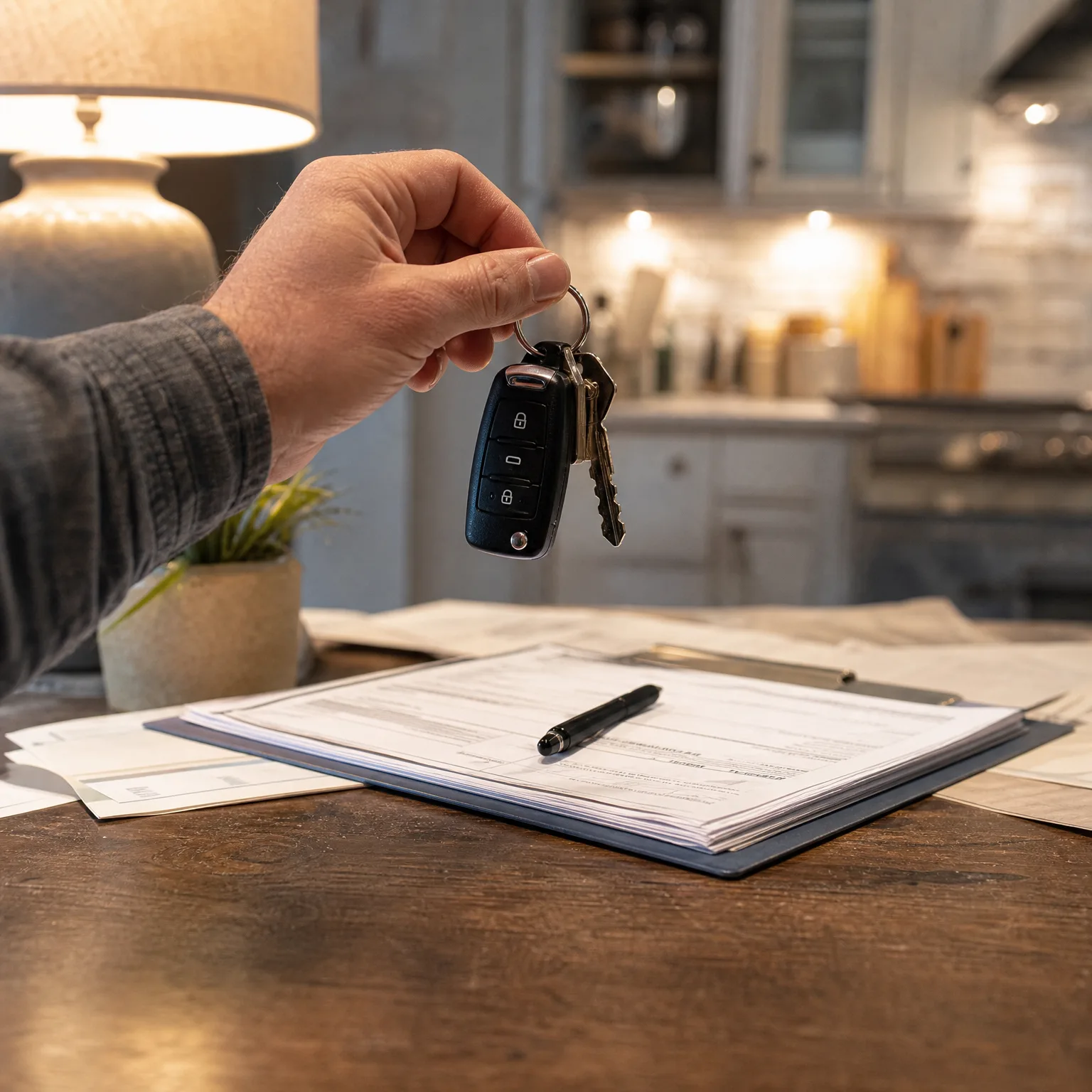
Many single parents navigating unpaid ticket suspensions do not currently own a vehicle. You may have sold your car during the suspension period, rely on family members for transportation, or use public transit and rideshare. West Virginia still requires proof of financial responsibility to reinstate your license even if you don't own a car.
A non-owner liability policy satisfies the DMV's insurance requirement without requiring vehicle ownership. Non-owner policies provide the state-minimum liability coverage when you drive a borrowed or rented vehicle. Premiums typically range from $30–$60 per month for drivers with clean records; expect $50–$90 per month if you have recent moving violations or a lapse on your record.
Non-owner policies do not cover a vehicle you own, lease, or have regular access to. If you live with a family member who owns a car and allows you to drive it regularly, you must be added as a named driver on that family member's policy instead of purchasing a non-owner policy. Misrepresenting your access to a vehicle to obtain a cheaper non-owner policy will result in claim denials and potential fraud charges.
What to Do If the Court Clearance Doesn't Post
Court-to-DMV electronic transmissions fail occasionally. Software errors, case number mismatches, and manual data-entry errors can prevent a clearance from posting even after you've paid the ticket and the court has closed the case. If you've waited 21 days and the DMV still shows an active suspension, return to the court that issued the suspension order.
Request a certified copy of the court order showing case closure and zero balance. West Virginia circuit and magistrate courts can issue certified copies for a $1–$5 fee per page. Take the certified order to a WV DMV regional office—do not mail it. Hand the certified order to a DMV examiner and request manual clearance review. The examiner will compare the court order against the DMV's electronic records and can manually override the suspension if the order is valid and the electronic transmission failed.
This manual review process adds 1–3 business days to your reinstatement timeline but it's the only path forward when the electronic system fails. Do not attempt to reinstate without verifying clearance first. Paying the reinstatement fee before the suspension is cleared—whether electronically or manually—wastes the fee and forces you to pay again after clearance posts.
Frequently Asked Questions
Do I need SR-22 insurance to reinstate my license after an unpaid ticket suspension in West Virginia?
No. Unpaid ticket suspensions in West Virginia are administrative actions and do not require SR-22 filing. SR-22 is only required for DUI convictions, uninsured motorist violations, and certain repeat moving violations. If you were cited for driving uninsured during your suspension, that separate violation may trigger SR-22, but the unpaid ticket itself does not.
How long does it take for the court to notify the DMV after I pay my ticket?
Can I get a restricted license while waiting for the court clearance to post?
No. West Virginia does not offer restricted or hardship licenses for unpaid ticket suspensions. Restricted licenses under WV Code §17B-3-6 are available only for DUI offenders enrolled in the Alcohol Test and Lock Program. You cannot drive legally during the clearance processing window.
What happens if my vehicle registration was also suspended for insurance lapse?
You face two separate reinstatement processes. The license suspension requires court clearance posting and a $50 reinstatement fee. The registration suspension requires proof of current insurance and a separate registration reinstatement fee. Both must be resolved before you can legally drive, and the DMV will not automatically reinstate your registration when your license is restored.
What if the DMV says the court clearance hasn't posted after three weeks?
Return to the court that issued the suspension order and request a certified copy of the closure order showing zero balance. Take the certified order to a WV DMV regional office in person and request manual clearance review. The DMV examiner can manually override the suspension if the court order is valid and the electronic transmission failed.
Can I use a non-owner insurance policy to meet the reinstatement requirement?
Yes, if you don't own a vehicle. A non-owner liability policy provides the state-minimum coverage required for reinstatement without requiring vehicle ownership. Premiums typically range from $30–$90 per month depending on your driving record. Non-owner policies do not cover vehicles you own or have regular access to.
Will my employer accept proof that I paid the ticket if the DMV hasn't reinstated my license yet?
The DMV will not reinstate your license until the court clearance posts electronically. For employer or family court documentation during the processing gap, request a letter from the court clerk confirming ticket resolution and case closure. Combine this with proof of current insurance and your DMV reinstatement application receipt to document active compliance.
Related Articles
WV Unpaid Tickets: Court Clearance & DMV Timeline
5/3/2026
WV Unpaid Ticket Suspension: Court & DMV Timing Gap
5/3/2026

WV Unpaid Ticket Suspension: Student Reinstatement Guide
5/3/2026

WV Failure-to-Appear Reinstatement: Court & DMV Timing
5/3/2026
WV Unpaid Tickets Suspension Costs: Filing & SR-22
5/3/2026

WV CDL Reinstatement Unpaid Tickets: Court & DMV Timing
5/3/2026