
Court Clearance vs DMV Timing for WV Unpaid Ticket Suspensions
Free to compare
Why Your Court Receipt Doesn't Immediately Reinstate Your License
West Virginia operates two separate suspension clearance systems for unpaid traffic tickets. The court system tracks whether you paid your fines and cleared failure-to-appear warrants. The Division of Motor Vehicles tracks whether your driving privilege is suspended. Paying the court does not automatically notify DMV that you are now compliant.
Most college students in Morgantown and Huntington discover this gap when they try to reinstate at the DMV counter with only a court receipt. The clerk tells them their suspension is still active in the system. The court processed your payment, but DMV won't lift the suspension until it receives official clearance verification from the court—a transmission that happens weekly in most counties, not daily.
This creates a 30-45 day gap between payment and reinstatement eligibility for most West Virginia drivers. You are legally compliant the day you pay the court, but administratively suspended until DMV receives and processes the court's clearance notice. During that window, driving remains illegal even though you satisfied the underlying debt.

The Two-Step Clearance Process Most Students Miss
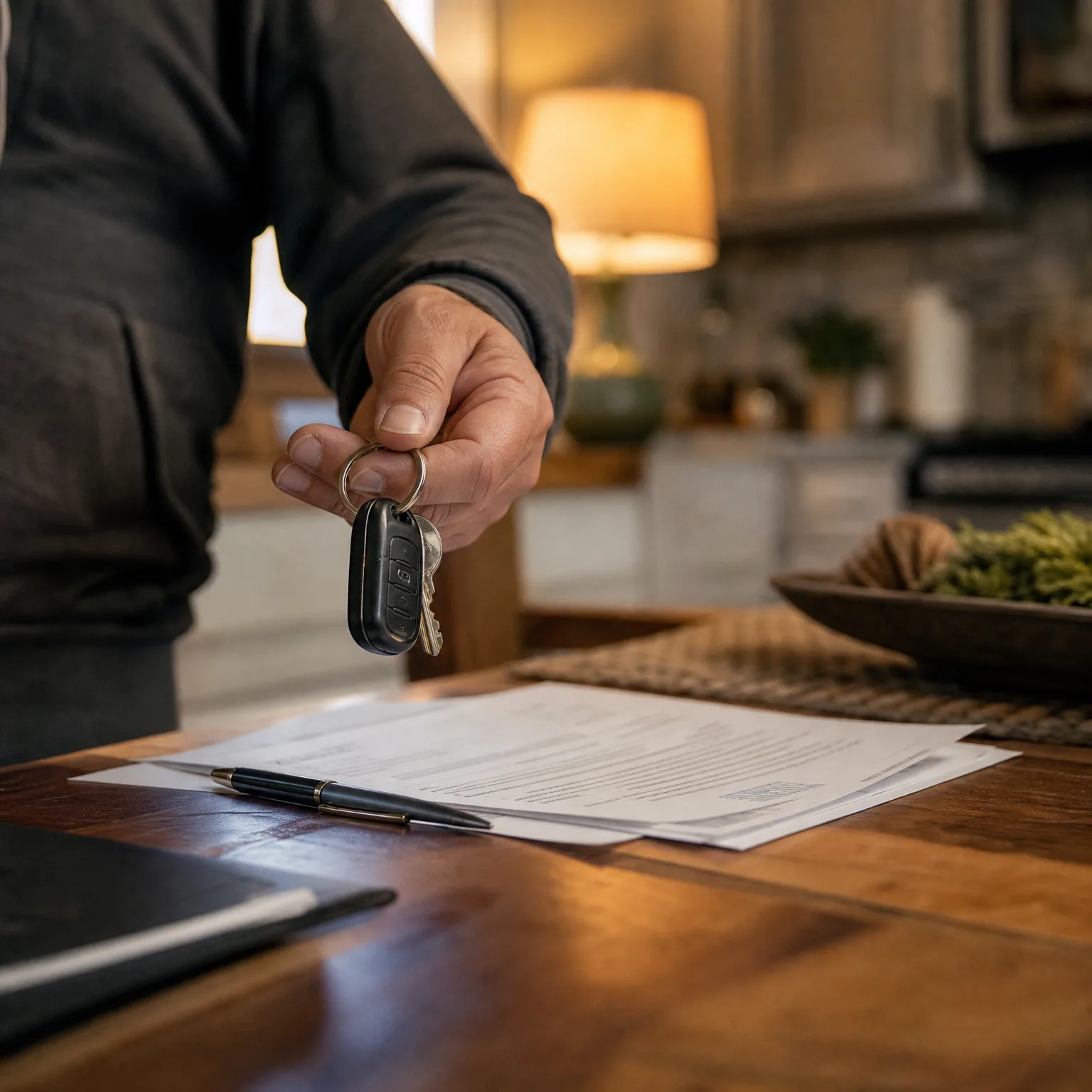
Step one: pay all outstanding fines, court costs, and failure-to-appear fees to the circuit clerk in the county where the ticket was issued. Request a certified payment receipt showing zero balance and case closure. This is your proof of court compliance.
Step two: submit the certified receipt to the West Virginia DMV Regional Office that serves your county, along with a completed reinstatement application and the $15 administrative processing fee. Do not wait for the court to notify DMV on your behalf. The court will eventually transmit clearance, but the timeline varies by county and clerk workload. Submitting the receipt directly moves your case to the front of the processing queue.
Without step two, your suspension remains active indefinitely. The court considers your case closed, but DMV has no mechanism to know that unless you file the clearance documentation. This is the single most common reinstatement delay for unpaid ticket suspensions in West Virginia.

How Multiple County Tickets Complicate the Timeline
If your suspension stems from unpaid tickets in multiple West Virginia counties—a common scenario for students who moved between Morgantown, Charleston, and Huntington during college—you must obtain certified clearance receipts from every county circuit clerk before DMV will process reinstatement. One county's clearance does not satisfy another county's hold.
DMV's system flags your license as suspended until all holds are resolved. Clearing three of four tickets leaves you suspended for the fourth. Check your suspension notice for the listing of all counties with outstanding tickets. If the notice is incomplete or lost, request a suspension detail report from DMV before paying any court—this report shows every active hold on your license and which courts issued them.
County courts do not coordinate with each other. You are responsible for tracking down each case, paying each clerk, and collecting each certified receipt. Budget 7-10 business days per county if you are handling this by mail rather than in person.
Line Up Coverage Before Your License Comes Back
Get Back on the RoadWhether You Need SR-22 Filing for Unpaid Ticket Suspensions
West Virginia does not require SR-22 insurance filing for suspensions triggered solely by unpaid traffic tickets or failure-to-appear warrants. SR-22 is mandated for DUI convictions, uninsured driving violations, and certain reckless driving cases—not for administrative debt suspensions.
If your suspension involved only unpaid fines with no underlying moving violation conviction, you can reinstate with standard liability insurance once DMV processes your court clearance. Verify this with the DMV reinstatement office before purchasing coverage, because some carriers incorrectly assume all suspensions require SR-22 and price accordingly.
If your original ticket was for driving without insurance and you failed to pay the fine, that creates a separate SR-22 requirement. The unpaid fine suspends your license administratively; the uninsured violation suspends it legally and triggers the SR-22 mandate. In that scenario, you need both court clearance and 3 years of continuous SR-22 filing to fully reinstate.

What Happens If You Drive During the Clearance Gap
Driving between the date you pay the court and the date DMV processes your reinstatement is still driving under suspension in West Virginia. Your payment satisfies the debt, but it does not lift the suspension until DMV updates its system. If stopped during this window, you face a separate driving-under-suspension charge regardless of whether you can produce the court receipt.
West Virginia treats driving under suspension as a misdemeanor with penalties including up to 6 months in jail, fines up to $100, and extension of your suspension period by an additional 30-60 days. College students often assume that paying the original ticket resolves the legal prohibition against driving. It does not. The prohibition remains in effect until DMV formally reinstates your license.
To avoid this risk, request a reinstatement confirmation letter from DMV before resuming driving. This letter states that all holds are cleared and your driving privilege is restored. It typically arrives 5-7 business days after DMV processes your clearance submission. Do not rely on the absence of a suspension notice—confirmation of reinstatement is the only defensible proof.

How Insurance Lapses Extend Your Suspension Timeline
If your license was suspended for unpaid tickets and you allowed your auto insurance to lapse during the suspension period, West Virginia adds a separate insurance-lapse suspension on top of the ticket suspension. Even after clearing the court debt, you must satisfy the lapse penalty before DMV will reinstate.
The lapse penalty requires filing SR-22 insurance for 3 years from the date you reinstate coverage, not from the date of the original lapse. Most college students discover this only when they attempt reinstatement and DMV flags the lapse hold. The ticket clearance and the lapse clearance are independent requirements processed on separate timelines.
To resolve both simultaneously, obtain SR-22 coverage from a licensed West Virginia carrier, file the SR-22 certificate with DMV, submit your court clearance receipts, and pay both the ticket reinstatement fee and the lapse reinstatement fee in the same transaction. This consolidates processing and prevents the 30-45 day gap from doubling into a 60-90 day gap.
Frequently Asked Questions
How long does it take West Virginia DMV to process court clearance for unpaid tickets?
West Virginia DMV typically processes court clearance submissions within 30-45 days if you submit the certified receipt directly to the regional office. Waiting for the court to transmit clearance automatically can extend the timeline to 60-90 days depending on county clerk workload and transmission schedules.
Can I reinstate my West Virginia license online after paying court fines?
No. West Virginia requires in-person or mail submission of certified court receipts to the DMV regional office along with the reinstatement application and fee. Online reinstatement is only available for certain insurance lapse suspensions where SR-22 has already been filed electronically.
Do I need a lawyer to clear unpaid ticket suspensions in West Virginia?
Most unpaid ticket suspensions do not require a lawyer if you are only paying fines and requesting clearance. You need certified receipts from the circuit clerk and a completed DMV reinstatement application. Legal representation is more relevant if you are contesting the underlying ticket or negotiating failure-to-appear warrants.
What if I lost the original suspension notice and don't know which counties have holds?
Request a suspension detail report from the West Virginia DMV reinstatement office. This report lists every active hold on your license, the issuing court, and the case numbers. Most regional offices provide this report in person or by mail within 5-7 business days.
Can I get a hardship license while waiting for court clearance to process?
West Virginia does not issue hardship or occupational licenses for suspensions caused solely by unpaid fines or failure-to-appear warrants. Hardship licenses are available only for DUI-related suspensions and certain medical disqualifications. The only path to legal driving after an unpaid ticket suspension is full reinstatement.
Does paying one county's tickets lift the entire suspension if I have tickets in multiple counties?
No. West Virginia DMV requires clearance from every county with an active hold before it will reinstate your license. Clearing three of four counties leaves you suspended for the fourth. You must obtain certified receipts from each county clerk and submit all of them together to DMV.
Related Articles

WV Unpaid Tickets: Court Clearance & DMV Timeline
5/3/2026
WV Unpaid Ticket Suspension Cost for College Students
5/3/2026

WV Unpaid Ticket Suspension: Student Reinstatement Guide
5/3/2026

WV Insurance Lapse: Court vs DMV Clearance Timing
5/3/2026

WV CDL Reinstatement Unpaid Tickets: Court & DMV Timing
5/3/2026
WV Unpaid Ticket Suspension for Single Parents Guide
5/3/2026