
License Suspended for Unpaid Child Support in San Francisco
Free to compare
Why California Suspends Licenses for Child Support Arrears
California Family Code 17520 authorizes the Department of Child Support Services (DCSS) to suspend your driver's license if you owe more than $2,500 in overdue child support or have been delinquent for more than 60 days on a payment plan. The suspension is automatic once DCSS files the notice with DMV — you don't get a separate court hearing specific to the license action.
San Francisco handles these cases through the San Francisco Superior Court Family Division and the San Francisco County DCSS office. Once the suspension order is filed, DMV mails you a notice giving you 150 days to comply before your license is physically suspended. Most drivers miss this notice or underestimate the timeline.
This suspension does not require an SR-22 filing for reinstatement. It's an administrative hold, not a violation-based suspension. You won't face higher insurance rates as a result of the suspension itself, but you cannot legally drive until the hold is lifted and you pay DMV's reinstatement fee.
How to Clear the Child Support Hold with San Francisco DCSS
You must contact San Francisco DCSS at 1-866-901-3212 or visit their office at 617 Mission Street to negotiate a payment plan or pay your arrears in full. DCSS will issue a clearance letter once you've either paid the full amount owed or completed three consecutive on-time payments under an approved payment plan.
The clearance letter is the critical document. DMV cannot reinstate your license without it, even if you pay the reinstatement fee. After DCSS issues the clearance, they electronically transmit it to DMV, but this process takes 10–15 business days in most cases. You can request a paper copy of the clearance to hand-deliver to a DMV field office, which sometimes accelerates the process by 3–5 days.
If you're currently making payments but still owe more than $2,500 total, DCSS may not issue the clearance until your balance drops below that threshold or you complete additional payment milestones. Ask DCSS explicitly what balance or payment count will trigger clearance eligibility before you leave the office or hang up the phone.
San Francisco DMV Reinstatement Process After DCSS Clearance
Once DMV receives the DCSS clearance, you must pay a $55 reinstatement fee at any California DMV office or online through the DMV website. You do not need to retake your written or driving test unless your license has been expired for more than one year. If your physical license card expired during the suspension, you will also pay the standard renewal fee, which is $39 as of current California DMV fee schedules.
Bring your DCSS clearance letter, proof of identity, and payment for the reinstatement fee to a DMV field office. The San Francisco DMV office at 1377 Fell Street processes reinstatements but typically has 60–90 minute wait times without an appointment. Making an online appointment can reduce wait time to under 20 minutes.
Your driving privilege is restored the same day you pay the reinstatement fee, assuming DMV has the clearance on file. If DCSS transmitted the clearance electronically but it hasn't posted to your DMV record yet, you can hand-deliver the paper clearance copy to bypass the delay. Verify your license status using the DMV online license check tool before driving to confirm reinstatement processed.

Line Up Coverage Before Your License Comes Back
Get Back on the RoadInsurance Requirements During and After Suspension
California does not require you to carry auto insurance while your license is suspended for child support arrears, but if you own a registered vehicle, you must maintain liability coverage to keep your vehicle registration valid. If your insurance lapses while your vehicle is registered, DMV will suspend your registration, which adds a separate reinstatement fee of $14 and may trigger an SR-22 filing requirement if the lapse exceeds 90 days.
If you do not own a vehicle but need to reinstate your license to drive for work or family obligations, consider a non-owner SR-22 policy. This is not required for child support suspensions, but some drivers obtain non-owner coverage to avoid a gap in their insurance history, which can reduce rates when they eventually purchase a vehicle. Non-owner policies in San Francisco typically cost $30–$60 per month for drivers with clean records aside from the suspension.
After reinstatement, notify your insurer that your license is valid again. Some carriers increase rates for any license suspension, even non-violation types, so compare quotes from at least three carriers. Progressive, The General, and Bristol West typically offer competitive rates for San Francisco drivers with recent administrative suspensions.
Hardship License Options for San Francisco Drivers
California does not offer a formal hardship or restricted license for child support suspensions. You cannot legally drive during the suspension period, even for work, medical appointments, or childcare responsibilities. This differs from DUI suspensions, which allow restricted licenses after a 30-day hard suspension.
If you need to drive for employment, your only option is to negotiate accelerated clearance with DCSS by paying a lump sum or demonstrating financial hardship that makes the current payment plan unworkable. DCSS has discretion to modify payment plans if you've lost employment or income, but they will not issue clearance until you complete the modified plan's initial milestones.
Public transit is the practical workaround during suspension. San Francisco MUNI and BART cover most employment corridors in the city. If you're driving for work as a requirement of your job (delivery, rideshare, commercial driving), notify your employer immediately — driving on a suspended license is a misdemeanor under California Vehicle Code 14601.5, punishable by up to six months in jail and impoundment of the vehicle you're driving.
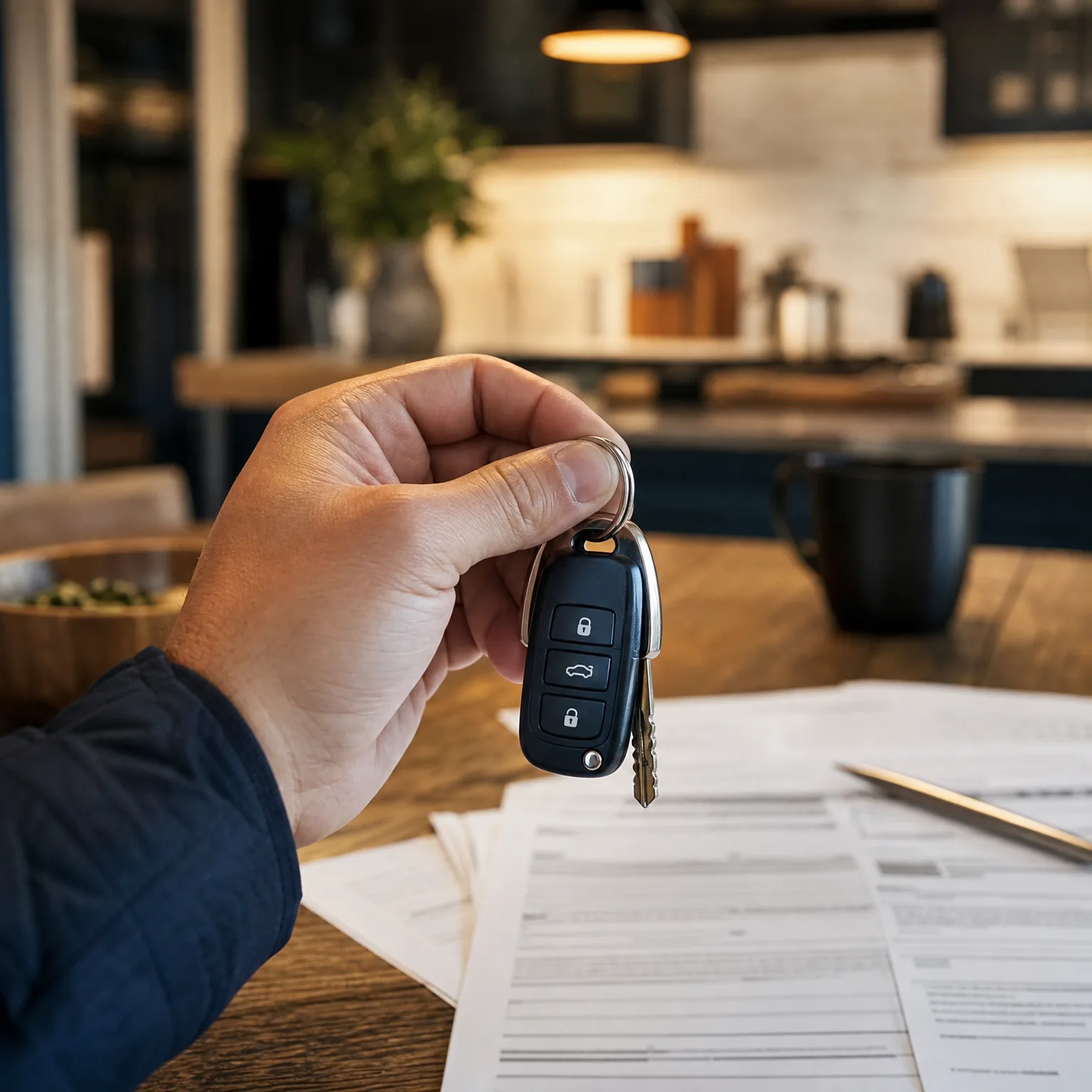
What Happens If You Drive on a Suspended License in San Francisco
Driving on a license suspended for child support is a misdemeanor in California. If stopped, San Francisco police or CHP will cite you under Vehicle Code 14601.5, which carries a mandatory court appearance, fines starting at $300, and possible vehicle impoundment for 30 days. If you're driving a vehicle you don't own, the registered owner must pay impound and storage fees to retrieve it.
A conviction adds two points to your DMV record, which will increase your insurance rates by 30–50% for three years once you reinstate. More critically, it extends the timeline for clearing the suspension — DCSS may delay issuing clearance if you pick up additional violations while your license is suspended.
If you're stopped and cited, do not ignore the court date. Failure to appear triggers a separate license suspension under Vehicle Code 40508, which stacks on top of the child support suspension and requires clearing both holds before DMV will reinstate you. Appear in court, request a payment plan for the fine if needed, and continue working with DCSS to clear the original suspension.
Frequently Asked Questions
Do I need SR-22 insurance to reinstate my license after a child support suspension in California?
No. California does not require SR-22 filing for child support suspensions. You only need to pay the $55 reinstatement fee and provide the DCSS clearance letter. SR-22 is required for DUI, reckless driving, or insurance lapse suspensions — not administrative holds like child support.
How long does it take to get a clearance letter from San Francisco DCSS?
DCSS typically issues the clearance letter 10–15 business days after your payment posts or after you complete three consecutive on-time payments under an approved plan. You can request a paper copy to hand-deliver to DMV, which may reduce the reinstatement delay by 3–5 days compared to waiting for electronic transmission.
Can I get a hardship license to drive to work while my license is suspended for child support?
No. California does not offer hardship or restricted licenses for child support suspensions. You cannot legally drive for any reason until DCSS issues clearance and you pay DMV's reinstatement fee. This differs from DUI suspensions, which allow restricted licenses after 30 days.
What happens if I'm caught driving on a license suspended for child support in San Francisco?
You'll be cited under Vehicle Code 14601.5, a misdemeanor that carries fines starting at $300, mandatory court appearance, possible vehicle impoundment for 30 days, and two points on your DMV record. A conviction increases insurance rates by 30–50% for three years and may delay DCSS clearance.
Will my insurance rates go up because of a child support license suspension?
Some carriers increase rates for any license suspension, even non-violation types, but most do not penalize administrative suspensions as severely as DUI or reckless driving. Rates typically increase 10–20% if the suspension appears on your motor vehicle report. Compare quotes from Progressive, The General, and Bristol West after reinstatement.
Related Articles
License Suspended for Child Support in Sacramento CA
4/29/2026
License Suspended for Child Support in LA: Reinstatement
4/29/2026

Child Support License Suspension in San Jose CA
4/29/2026
Child Support License Suspension Stockton CA: Reinstate
4/29/2026
License Suspended Child Support Oakland CA Reinstatement
4/29/2026

Child Support License Suspension in Long Beach CA
4/29/2026