
License Suspended for Unpaid Child Support in Sacramento: Steps to Clear and Reinstate
Free to compare
Why California Suspends Licenses for Unpaid Child Support
California Department of Child Support Services (DCSS) requests license suspension when child support arrears exceed $2,500 or when a parent has failed to comply with a court order for 90 days or more. The suspension applies to driver licenses, professional licenses, and recreational licenses statewide.
The DMV receives the suspension order electronically from DCSS. You receive a notice by mail with 150 days to either pay the arrears in full, enter a payment agreement, or request a court review before the suspension takes effect. Missing this window triggers the suspension on the date stated in the notice.
Sacramento County processes approximately 18,000 child support cases annually. Roughly 12% involve license suspension actions. Once suspended, you cannot legally drive until the family court issues a clearance and the DMV processes the reinstatement — a timeline that typically runs 4 to 6 weeks after you satisfy the court requirements.
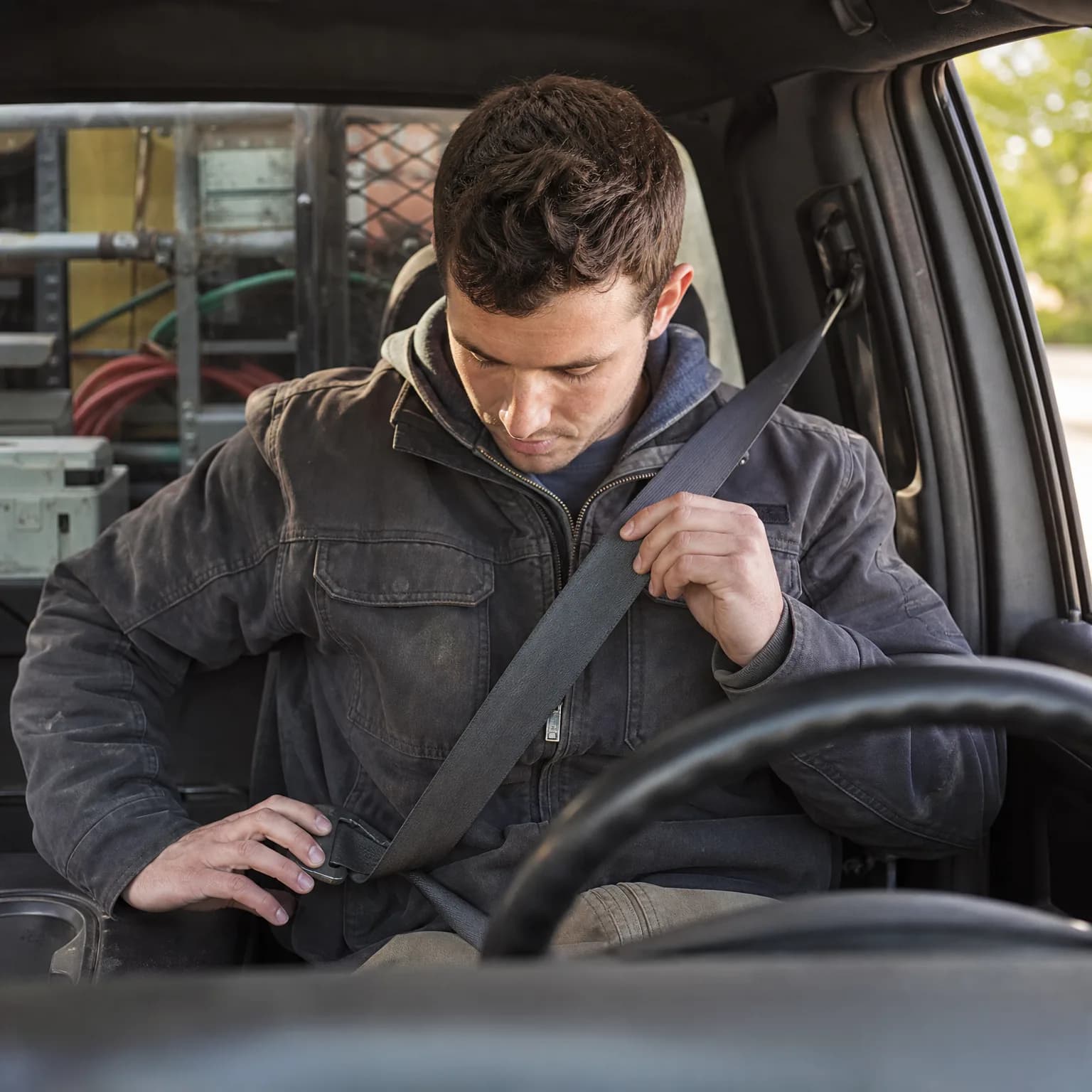
Clearing the Suspension Through Sacramento County Family Court
You clear a child support license suspension by contacting the Sacramento County Department of Child Support Services at 916-874-5760 or visiting the office at 3701 Power Inn Road. DCSS requires one of three conditions: full payment of arrears, entry into a payment plan with at least one payment completed, or a court order modifying the support obligation.
Once you satisfy the payment requirement, DCSS issues a clearance notice to the DMV electronically. This process takes 5 to 10 business days. The DMV does not act on verbal confirmation — the electronic clearance must post to your driver record before reinstatement can proceed.
If you cannot pay the full arrears, request a payment plan immediately. Sacramento County typically requires a minimum monthly payment equal to 20% of current support plus a portion of arrears. One completed payment triggers the clearance process. Failure to maintain the payment plan after reinstatement allows DCSS to re-suspend your license without additional notice.
Does a Child Support Suspension Require SR-22 Filing in California
A child support suspension alone does not require SR-22 filing in California. SR-22 is triggered by insurance lapses, DUI convictions, at-fault accidents without insurance, excessive points, or specific court orders following traffic violations — not by child support arrears.
If your license was suspended for child support and you also had a prior insurance lapse or driving violation that required SR-22, the DMV treats these as separate requirements. You must satisfy both the family court clearance and the SR-22 filing to reinstate. The DMV reinstatement notice will list all outstanding requirements.
Most Sacramento drivers clearing a child support suspension pay the $55 reissue fee and provide proof of current insurance at reinstatement — standard liability coverage satisfies this requirement. SR-22 filing adds $15 to $25 annually to your policy cost if required, but verify your specific DMV record before purchasing SR-22 unnecessarily.
Reinstating Your California License After Family Court Clearance
Once DCSS issues the clearance to the DMV, you reinstate by visiting a Sacramento DMV office with proof of identity, proof of current California auto insurance, and payment for the $55 reissue fee. The DMV Field Office at 4700 Broadway processes reinstatements Monday through Friday without appointment for this transaction type.
The DMV verifies the electronic clearance in their system before processing reinstatement. If the clearance has not posted, reinstatement is denied and you must return once it appears — typically 5 to 10 business days after DCSS confirms payment or plan entry. Do not assume verbal confirmation from DCSS means the DMV can act immediately.
If you drove on a suspended license before reinstatement, expect additional penalties. California Vehicle Code 14601.1 imposes a minimum $300 fine and potential vehicle impoundment for driving on a suspended license. Sacramento County courts add 2 points to your driving record for this violation, which may trigger an SR-22 requirement if combined with prior violations.

Line Up Coverage Before Your License Comes Back
Get Back on the Road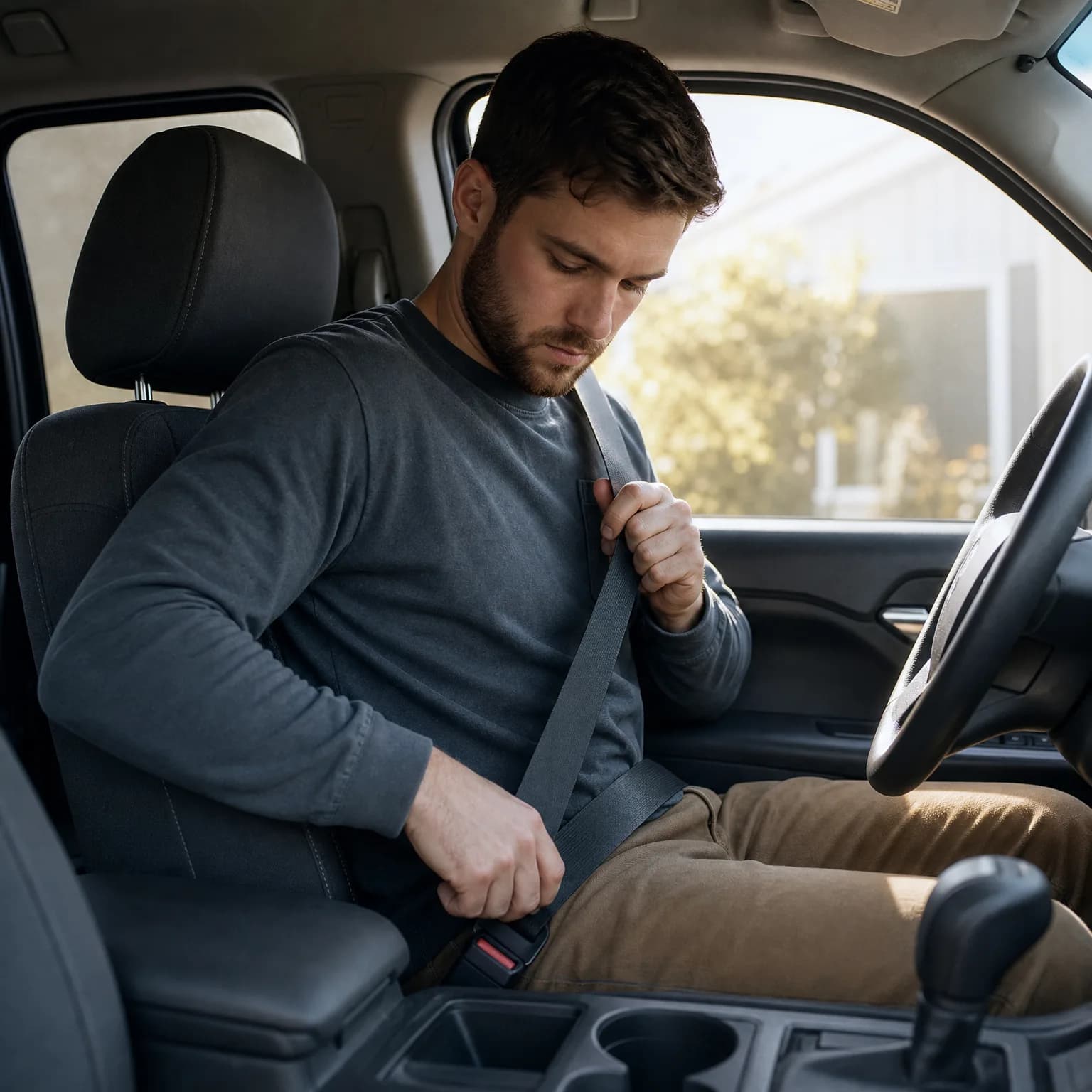
Insurance Requirements for Drivers Reinstating After Child Support Suspension
California requires proof of liability insurance at reinstatement for all suspended drivers, regardless of suspension cause. Minimum required coverage is 15/30/5 — $15,000 per person for bodily injury, $30,000 per incident, and $5,000 for property damage. You present the insurance card or electronic proof on your smartphone at the DMV counter.
If you do not currently own a vehicle, a non-owner liability policy satisfies the proof of insurance requirement. Non-owner policies in Sacramento typically cost $30 to $60 per month and cover you when driving borrowed or rental vehicles. This option prevents the need to insure a vehicle you do not drive regularly.
If your suspension included a separate insurance lapse violation, the DMV requires continuous SR-22 filing for 3 years following reinstatement. Missing even one day of SR-22 coverage resets the 3-year clock to zero. Confirm your reinstatement requirements in writing at the DMV before purchasing coverage to avoid paying for SR-22 filing you may not need.
Restricted License Options While Resolving Child Support Arrears
California does not offer hardship or restricted licenses for child support suspensions. This suspension type is administrative, not violation-based, and the only path to legal driving is full clearance through DCSS and DMV reinstatement.
If you need to drive for work or family obligations during the clearance period, contact DCSS immediately to arrange a payment plan. Entering a plan with one completed payment typically clears the suspension within 2 weeks, which is faster than most hardship license approval timelines in other suspension categories.
Driving on a suspended license to reach your job or attend family court does not constitute a legal defense in California. Sacramento County courts do not reduce penalties based on employment or family hardship for drivers who chose to drive during an active suspension period.
Preventing Future License Suspensions for Child Support
Once reinstated, maintain your payment plan or current support obligation to prevent re-suspension. DCSS monitors compliance monthly. Missing two consecutive payments or falling $2,500 behind again triggers a new suspension request to the DMV, and the 150-day notice period restarts.
If your financial circumstances change, request a modification hearing through Sacramento County Superior Court Family Law Division before you fall behind. A court-ordered reduction in support prevents future suspension actions. Waiting until DCSS files for suspension reduces your options and adds legal costs.
Maintain continuous auto insurance even if you do not drive daily. A lapse in coverage triggers a separate DMV suspension process under California Vehicle Code 16020, which adds SR-22 filing requirements and extends your total suspension timeline. Sacramento drivers with both child support and insurance lapse suspensions face combined reinstatement fees exceeding $400 plus 3 years of mandatory SR-22.
Frequently Asked Questions
Can I get my California license back without paying all child support arrears?
Yes. California allows reinstatement once you enter a payment plan with Sacramento County DCSS and complete at least one payment. You do not need to pay the full arrears balance before the DMV clears the suspension. Missing payments after reinstatement allows DCSS to re-suspend your license without additional notice.
How long does it take to reinstate a license after clearing child support arrears in Sacramento?
DCSS issues an electronic clearance to the DMV within 5 to 10 business days after you satisfy payment or plan requirements. Once the clearance posts to your DMV record, reinstatement is immediate at any Sacramento DMV office with proof of insurance and payment of the $55 reissue fee. Total timeline from payment to driving is typically 2 to 3 weeks.
Do I need SR-22 insurance to reinstate my license after a child support suspension in California?
No, child support suspensions alone do not require SR-22 filing. SR-22 is required only for insurance lapses, DUI convictions, at-fault accidents without coverage, or court orders following traffic violations. If your license has multiple suspension causes including one of these violations, SR-22 is required. Check your DMV reinstatement notice for specific requirements before purchasing SR-22.
Can I drive to work in Sacramento while my license is suspended for child support?
No. California does not issue restricted or hardship licenses for child support suspensions. Driving on a suspended license is a misdemeanor violation under California Vehicle Code 14601.1, carrying a minimum $300 fine and potential vehicle impound. Enter a payment plan with DCSS immediately to clear the suspension within 2 weeks rather than risk criminal penalties.
Related Articles
License Suspended for Child Support in San Francisco
4/29/2026
License Suspended for Child Support in LA: Reinstatement
4/29/2026
Child Support License Suspension in Long Beach CA
4/29/2026
Child Support License Suspension Stockton CA: Reinstate
4/29/2026
License Suspended Child Support Oakland CA Reinstatement
4/29/2026
License Suspended for Child Support in Anaheim, CA
4/29/2026