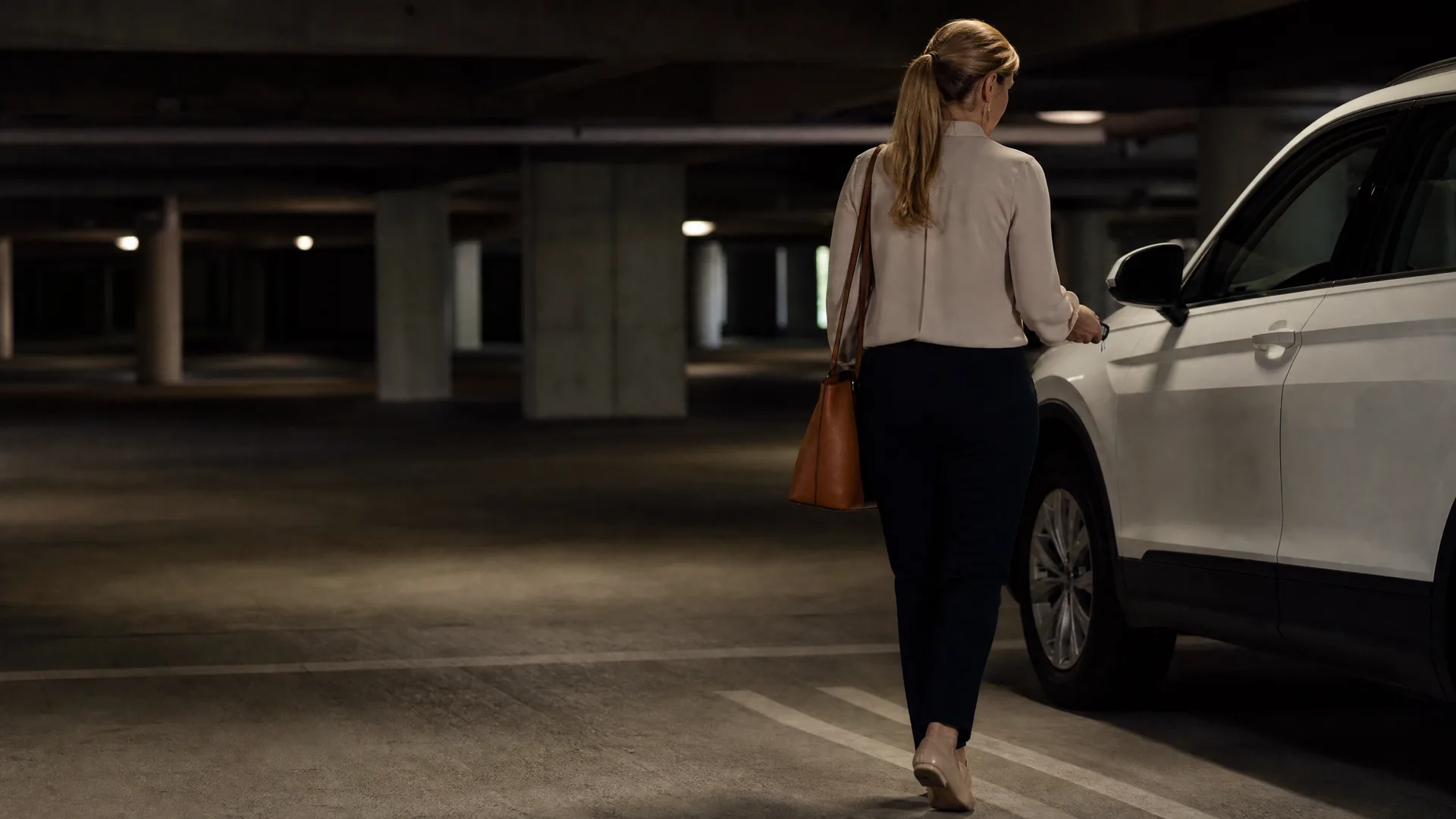
License Suspended for Child Support in LA: Reinstatement Steps
Free to compare
California suspends driving privileges for child support arrears — here's what triggers it
California Family Code Section 17520 authorizes the Department of Child Support Services (DCSS) to report delinquent obligors to the DMV once arrears exceed $2,500 or payments are more than four months overdue. The DMV then suspends your license administratively — no court hearing, no advance warning beyond a single notice mailed to your address on file.
This is not a violation suspension. SR-22 filing is never required for child support suspensions in California. Your insurance rates don't automatically increase unless you let your policy lapse during the suspension period, which creates a coverage gap that carriers penalize separately.
The suspension remains active until DCSS — not the DMV — issues a release. Paying your registration fees, completing traffic school, or hiring an SR-22 carrier won't lift it. The hold sits in the DMV system until family court or DCSS sends electronic clearance.
What you need before the DMV will reinstate your license
DCSS must send the DMV a Release of Order to Withhold License (form FL-270 or electronic equivalent). The DMV will not process your reinstatement application until this release appears in their system, which typically takes 7 to 10 business days after DCSS transmits it.
You need proof of current auto insurance at reinstatement. California requires liability coverage at statutory minimums: $15,000 per person for bodily injury, $30,000 per incident, and $5,000 for property damage. If you don't currently own a vehicle, a non-owner SR-22 policy satisfies this requirement and costs $25 to $50 per month with most non-standard carriers.
The DMV charges a $55 reissue fee at reinstatement. Some counties add separate family court administrative fees. Los Angeles County does not currently impose an additional reinstatement fee beyond the standard DMV charge, but verify this with your local DCSS office as fee schedules change periodically.
How to get the DCSS release — payment arrangements vs. full arrears clearance
You do not need to pay your entire arrears balance to lift the suspension. DCSS will issue a release if you enter a compliant payment plan and make the first scheduled payment. The payment plan must bring you current within 24 months and requires monthly automatic wage withholding or bank draft in most cases.
Contact your assigned DCSS caseworker directly. Los Angeles County DCSS operates regional offices in Downtown LA, Norwalk, Chatsworth, Torrance, and Pomona. If you don't know your caseworker, call the main DCSS line at 866-901-3212 and provide your case number or Social Security number. Request a payment plan negotiation appointment — these are typically available within 5 to 10 business days.
If you've already cleared the arrears or entered a payment plan but the suspension remains active, request written confirmation that DCSS transmitted the FL-270 release to the DMV. Processing errors occur frequently. If DCSS confirms transmission but the DMV shows no release after 14 days, file a manual review request at your local DMV field office with the DCSS confirmation letter in hand.
Insurance during suspension — do you need coverage if you're not driving?
California does not require you to maintain insurance while your license is suspended for child support arrears, but letting your policy lapse creates a coverage gap. Carriers classify gaps longer than 30 days as high-risk, which increases your premium 20% to 40% when you reinstate, even though the suspension itself wasn't violation-related.
If you don't own a vehicle, a non-owner liability policy prevents the gap and satisfies DMV's proof-of-insurance requirement at reinstatement. Non-owner policies cost $300 to $600 annually with standard carriers, $400 to $900 with non-standard carriers if you have other violations on your record.
If you own a vehicle but aren't driving it during suspension, consider storage coverage or comprehensive-only policies. These maintain continuous coverage history without paying for liability you're not using. Switching back to full coverage at reinstatement avoids the lapse penalty most carriers apply.
Line Up Coverage Before Your License Comes Back
Get Back on the Road
Reinstatement timeline after DCSS releases the hold
Once DCSS transmits the FL-270 release, the DMV typically processes it within 7 to 10 business days. You can check release status online through the DMV's online license status portal or by calling the DMV automated line at 800-777-0133.
After the release appears in the DMV system, schedule a reinstatement appointment at any California DMV field office. Bring proof of insurance, the $55 reinstatement fee, and a government-issued ID. Los Angeles County DMV offices in Winnetka, Culver City, and Glendale typically have shorter wait times than the main Downtown LA office, which averages 90-minute waits for walk-ins as of current processing volumes.
Some drivers are eligible for same-day reinstatement if all documentation is in order. If your suspension exceeded one year or you have other holds on your record (unpaid tickets, failure to appear, or prior DUI suspensions), the DMV may require additional clearance steps that add 10 to 21 days to the process.

What happens if you drive on a suspended license in California
California Vehicle Code Section 14601 makes driving on a suspended license a misdemeanor. First offense carries up to six months in county jail and fines between $300 and $1,000. Courts typically impose probation, additional license suspension of six months, and mandatory SR-22 filing for three years if convicted.
LA County prosecutors treat child support suspensions the same as violation suspensions under VC 14601. The fact that your suspension wasn't DUI-related doesn't reduce penalties. If stopped while suspended, you'll likely face vehicle impound (30-day hold, $1,200 to $2,000 in towing and storage fees) and a criminal filing.
Restricted or hardship licenses are not available for child support suspensions in California. Unlike DUI suspensions, which allow restricted driving to work or school after a waiting period, child support holds prohibit all driving until DCSS releases the suspension. The only legal option is rideshare, public transit, or arranging alternative transportation until reinstatement clears.
Coordinating with family court if DCSS won't negotiate
If DCSS refuses a payment plan or you dispute the arrears amount, file an Order to Show Cause (OSC) in the family court that issued your original child support order. Los Angeles County family court handles these motions at the Stanley Mosk Courthouse downtown and regional courthouses in Torrance, Norwalk, Chatsworth, and Pomona.
The OSC hearing lets you present evidence of payments DCSS didn't credit, request arrears recalculation, or argue financial hardship that justifies modified payment terms. If the court orders a payment plan or reduces arrears, the court clerk transmits the order to DCSS electronically, which typically triggers FL-270 release within 10 to 15 business days.
Bring payment records, income documentation, and proof of other financial obligations to the OSC hearing. Courts prioritize current support over arrears, so if you're unemployed or your income dropped significantly, request a current support modification simultaneously. This prevents new arrears from accumulating while you clear the existing balance.
Frequently Asked Questions
Can I get a hardship license while my license is suspended for child support in California?
No. California does not issue restricted or hardship licenses for child support suspensions. Unlike DUI suspensions, which allow restricted driving to work after a waiting period, child support holds prohibit all driving until DCSS releases the suspension and you complete full reinstatement.
Do I need SR-22 insurance after a child support suspension in California?
No. SR-22 filing is never required for child support suspensions in California. You only need standard proof of liability insurance at reinstatement. SR-22 is required only for DUI, reckless driving, at-fault accidents without insurance, or VC 14601 convictions for driving on a suspended license.
How long does it take DCSS to release a license hold after I enter a payment plan?
DCSS typically transmits the FL-270 release to the DMV within 7 to 10 business days after you make your first payment plan installment. The DMV processes the release in an additional 7 to 10 days. Total timeline from first payment to reinstatement eligibility is usually 14 to 21 days.
Will my insurance rates go up because of a child support suspension?
The suspension itself doesn't increase rates, but letting your policy lapse during suspension creates a coverage gap. Carriers classify gaps longer than 30 days as high-risk and increase premiums 20% to 40% when you reinstate. Maintaining a non-owner policy during suspension prevents the gap penalty.
What if I paid my arrears but the DMV still shows my license suspended?
Contact your DCSS caseworker and request written confirmation that they transmitted the FL-270 release to the DMV. If DCSS confirms transmission but the DMV shows no release after 14 days, file a manual review request at your local DMV field office with the DCSS confirmation letter.
Related Articles

Child Support License Suspension in Long Beach CA
4/29/2026
License Suspended for Child Support in Anaheim, CA
4/29/2026
License Suspended for Child Support in Sacramento CA
4/29/2026
Child Support License Suspension Irvine: Reinstatement
4/29/2026
Child Support License Suspension Santa Ana: Reinstate
4/29/2026

Reinstating Child Support Suspension in California
5/3/2026