
NC Rideshare Drivers: Unpaid Ticket Suspension SR-22 & Lapse Rules
Free to compare
Why NC suspends for unpaid tickets without requiring SR-22
North Carolina suspends your license for unpaid traffic citations under N.C.G.S. § 20-24.1, but this administrative suspension does not trigger an SR-22 filing requirement. The state treats unpaid tickets as a compliance issue, not a financial responsibility violation. You pay the outstanding citations plus a $50 restoration fee to NCDMV, and your license is reinstated once payment clears.
The confusion arises because rideshare platforms—Uber, Lyft, DoorDash—run continuous background checks that flag license suspensions and coverage lapses as separate disqualifications. NCDMV will reinstate your license without SR-22, but the platform won't reactivate your driver account if you let your auto insurance lapse during the suspension period. Most drivers cancel their policy to avoid premiums while suspended, assuming they can reinstate coverage when they reinstate their license. The platform's systems flag the lapse gap, and reactivation requires 30-90 days of continuous coverage history before you're eligible again.
This creates a procedural trap: you clear the ticket suspension in 2-3 weeks, but you're locked out of rideshare work for months because the platform's underwriting requirements are stricter than the state's reinstatement rules. The state doesn't care about the coverage gap. The platform does.

What rideshare platforms flag during NC license suspensions
Uber and Lyft run quarterly MVR checks in North Carolina, but they also receive real-time alerts from third-party risk monitoring services when your insurance carrier reports a cancellation or lapse to NCDMV's electronic verification system. A ticket suspension shows on your MVR as an administrative action. A coverage lapse shows as a separate risk signal. Both trigger account review.
The platform doesn't distinguish between suspension types. A DUI suspension and an unpaid-ticket suspension both appear as license revocations on the MVR pull. The difference is invisible to the algorithm. What matters to the platform is whether you maintained continuous auto insurance coverage during the suspension period, because their commercial rideshare insurance policy assumes you carry an active personal auto policy as the underlying layer.
Most NC drivers suspended for unpaid tickets cancel their personal auto policy within 30 days, assuming they won't need it until reinstatement. The carrier reports the cancellation to NCDMV electronically under N.C.G.S. § 20-309.2. The platform's monitoring service flags the lapse. Your account status changes to "documents needed" or "under review," and you're deactivated even though your license suspension hasn't been lifted yet. When you finally pay the tickets and reinstate your license, the platform requires proof of 30-90 days of continuous coverage before reactivation—a timeline the state never mentions and most drivers discover only after they've already lost weeks of income.


How non-owner policies preserve rideshare eligibility during suspension
If you don't own a vehicle but drive rideshare using a rental or a friend's car, a non-owner auto insurance policy maintains your coverage history without insuring a specific vehicle. North Carolina does not require you to carry insurance while your license is suspended for unpaid tickets, but maintaining a non-owner policy prevents the coverage lapse that disqualifies you from rideshare platforms.
A non-owner policy in NC typically costs $30-$60 per month for minimum liability limits (30/60/25). It covers you when driving any vehicle you don't own, which satisfies the rideshare platform's requirement for continuous personal auto coverage. The policy won't help you reinstate your license faster—NCDMV doesn't require it for unpaid-ticket suspensions—but it preserves your eligibility timeline with Uber, Lyft, and delivery platforms that treat coverage gaps as independent disqualification events.
You purchase the policy while suspended, maintain it through reinstatement, and avoid the 30-90 day waiting period most drivers face after reactivating their licenses. The cost is lower than the income loss from months of platform deactivation. Most NC carriers writing non-owner policies don't penalize suspended-license status as heavily as standard auto policies do, because the risk profile is different—you're not driving your own car, and the underwriting reflects that.
Timing the reinstatement process to minimize platform downtime
North Carolina processes unpaid-ticket reinstatements through myNCDMV.gov once you've paid all outstanding citations and the $50 restoration fee. The DMV typically updates your license status within 2-5 business days after payment clears, but the platform's background check cycle runs on a different schedule. If your MVR pulls during the window when your license shows suspended but your payment is processing, the platform sees an active suspension and your reactivation timeline resets.
The optimal sequence: pay all tickets and fees, confirm reinstatement posts to your myNCDMV account, wait 7-10 days for the update to propagate to third-party MVR databases, then submit your reactivation request to the rideshare platform with proof of continuous insurance coverage. Submitting early—while your MVR still shows the suspension—triggers an automatic denial that delays review by 30-60 days in most cases.
If you canceled your insurance during suspension and now need to rebuild coverage history, expect 30-90 days of continuous coverage before the platform approves reactivation. Some drivers purchase a non-owner policy immediately after paying tickets, maintain it for 60 days, then apply for reactivation with proof of the policy's issue date and zero lapses. This compresses the timeline but doesn't eliminate it. The platform's underwriting threshold is fixed: you need uninterrupted coverage for the lookback period, and filing dates matter more than license reinstatement dates.

Line Up Coverage Before Your License Comes Back
Get Back on the Road
Why most NC drivers suspended for tickets don't need SR-22
SR-22 is a state-mandated financial responsibility filing required after specific violations: DUI/DWI convictions, uninsured motorist incidents, at-fault accidents without insurance, certain reckless driving convictions, and habitual offender revocations. North Carolina does not require SR-22 for administrative suspensions triggered by unpaid traffic citations, failure to appear in court, or failure to pay fines. These are compliance suspensions, not financial responsibility suspensions.
The $50 reinstatement fee covers the administrative cost of restoring your license once you've cleared the underlying issue. You don't file SR-22, you don't notify NCDMV of insurance coverage, and your carrier doesn't submit a certificate of financial responsibility. The distinction matters because SR-22 filings raise your premiums by 20-50% in most cases, and the filing requirement lasts 3 years from the violation date in NC. Avoiding SR-22 saves hundreds of dollars annually if your suspension was purely administrative.
Confusion arises when drivers mix suspension types. If you have both an unpaid-ticket suspension and a prior DUI revocation, the DUI triggers SR-22 even though the ticket suspension doesn't. Check your NCDMV reinstatement letter carefully—it specifies whether SR-22 is required. If the letter lists only "payment of outstanding citations" and "$50 restoration fee," SR-22 is not part of your reinstatement path. If it lists "proof of financial responsibility" or "SR-22 filing," you're dealing with a different suspension type layered on top of the ticket issue.
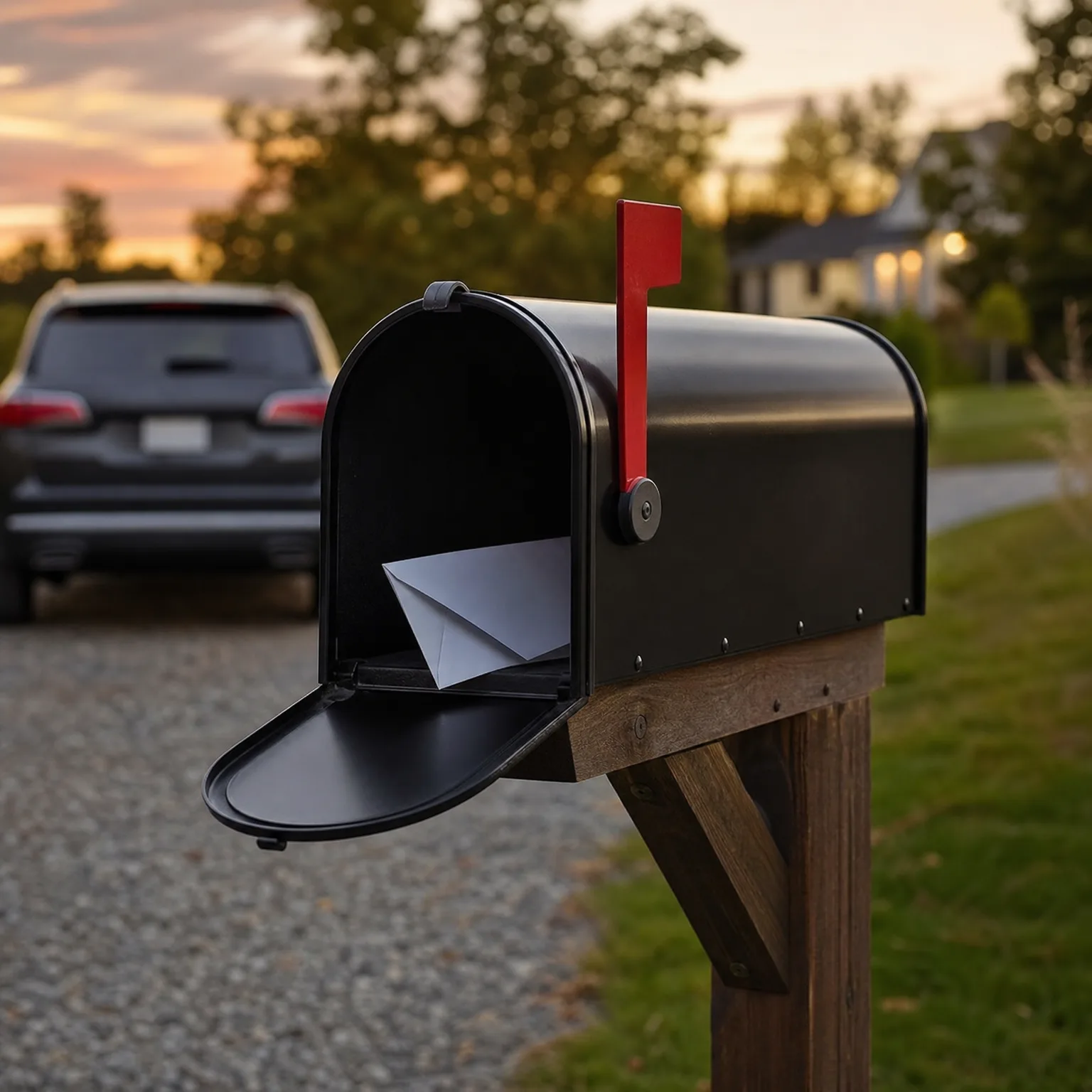
What happens if you ignore the suspension and keep driving rideshare
Driving on a suspended license in North Carolina is a Class 1 misdemeanor under N.C.G.S. § 20-28, punishable by fines up to $1,000 and potential jail time for repeat offenses. If you're stopped while driving for Uber or Lyft during an active suspension, the officer will charge you with DWLR (Driving While License Revoked), even if the underlying suspension was for unpaid tickets and not a moving violation.
The rideshare platform's insurance policy—the commercial coverage that activates when you're en route to a pickup or transporting a passenger—requires you to hold a valid driver's license. If you're involved in an accident while suspended, the platform's insurer will deny the claim, leaving you personally liable for damages, medical costs, and any injury claims from passengers or other drivers. Your personal auto policy (if you maintained one) will also deny coverage because you were operating without a valid license.
Most platforms deactivate accounts within 24-72 hours of detecting a license suspension through their monitoring services, but some drivers slip through the quarterly MVR check cycle and continue driving for weeks or months. The risk isn't worth the income: a DWLR conviction extends your suspension period, adds points to your driving record, and disqualifies you from rideshare work for years in most cases. The platform will terminate your account permanently once the conviction appears on your MVR, and other platforms share disqualification data through third-party screening services.
How to prove continuous coverage when reactivating your platform account
Rideshare platforms require proof of insurance history when reactivating accounts after suspension. Upload your declarations page showing the policy issue date, coverage period, and zero lapse gaps. If you maintained a non-owner policy during suspension, the dec page must show continuous coverage spanning the suspension period through reinstatement.
Some platforms request an insurance letter from your carrier confirming coverage dates and lapse history. This is a signed document on carrier letterhead listing your policy number, effective dates, and a statement that no cancellations or lapses occurred during the specified period. Not all carriers provide this automatically—request it in writing when you purchase or reinstate your policy, and specify that it's required for rideshare platform reactivation.
If you canceled your policy during suspension and reactivated it after paying tickets, your coverage history shows a gap. The platform's algorithm flags the gap as a disqualification, and you enter a waiting period. Upload proof of the new policy's issue date and submit a reactivation request every 30 days until the continuous-coverage threshold is met. Most platforms don't notify you when you've crossed the eligibility threshold—you reapply manually and the system either approves or extends the review period.
Frequently Asked Questions
Does North Carolina require SR-22 for unpaid traffic ticket suspensions?
No. NC suspends licenses for unpaid tickets under administrative authority, not as a financial responsibility violation. You pay the outstanding citations plus a $50 restoration fee to reinstate your license. SR-22 is required only for DUI/DWI convictions, uninsured motorist incidents, at-fault accidents without insurance, and habitual offender revocations.
Can I drive for Uber or Lyft while my NC license is suspended for unpaid tickets?
No. Rideshare platforms deactivate accounts when their monitoring services detect a license suspension, regardless of the suspension type. Driving on a suspended license is a Class 1 misdemeanor in NC, and the platform's commercial insurance policy requires a valid license. You risk criminal charges, claim denials, and permanent platform termination.
Will canceling my car insurance during a ticket suspension affect my rideshare account?
Yes. Rideshare platforms flag coverage lapses as independent disqualification events, separate from license suspensions. Most platforms require 30-90 days of continuous insurance coverage before reactivating accounts. If you cancel during suspension, you add months to your reactivation timeline even after your license is reinstated.
How long does it take to reinstate an NC license suspended for unpaid tickets?
NCDMV processes reinstatements within 2-5 business days after you pay all outstanding citations and the $50 restoration fee through myNCDMV.gov. The license status update propagates to third-party MVR databases within 7-10 days. Rideshare platform reactivation timelines are separate and depend on your insurance coverage history during suspension.
What is a non-owner auto insurance policy and why does it help rideshare drivers?
A non-owner policy provides liability coverage when you drive vehicles you don't own. It maintains continuous insurance history during license suspension without insuring a specific car. NC rideshare drivers use non-owner policies to avoid the coverage lapse that triggers platform deactivation, preserving eligibility for reactivation once the license is reinstated.
How do I prove continuous insurance coverage to Uber or Lyft after reinstatement?
Upload your insurance declarations page showing the policy issue date, coverage period, and zero lapses. Some platforms request a signed insurance letter from your carrier confirming coverage dates and lapse history. The document must span the suspension period through reinstatement to satisfy the platform's underwriting requirements.
Can I get a Limited Driving Privilege in NC if my license is suspended for unpaid tickets?
NC's Limited Driving Privilege (LDP) is available for certain suspension types, but unpaid-ticket suspensions are typically excluded. LDPs are court-issued for DWI revocations and some points-related suspensions. For ticket suspensions, the fastest path is paying the outstanding citations and restoration fee to clear the suspension entirely.
Related Articles
NC Rideshare Lapse Suspension: SR-22 & Gap Docs
5/3/2026
NC Child Support Suspension: SR-22 for Rideshare Drivers
5/3/2026

NC Rideshare Reinstatement After Tickets: Real Costs
5/3/2026
NC Rideshare DUI: SR-22 Timing & TNC Lapse Gaps
5/3/2026

NC Rideshare Reinstatement: Court + DMV SR-22 Timing
5/3/2026

NC Unpaid Ticket Suspension: Rideshare Clearance Timing
5/3/2026