
NC Rideshare Lapse Suspension: SR-22 Timing and Gap Documentation
Free to compare
Why Your Uber Coverage Didn't Prevent the Lapse Suspension
North Carolina's electronic insurance verification system (eDMV) monitors your personal auto policy through carrier reporting. When your personal carrier cancels coverage, they notify NCDMV electronically—typically within 24 hours. The system flags the lapse immediately, regardless of whether you carry rideshare TNC coverage through Uber or Lyft.
NCDMV requires continuous personal liability insurance under N.C.G.S. § 20-309. TNC coverage is classified as commercial coverage, not personal auto. The Division of Motor Vehicles does not accept TNC policy information from Transportation Network Companies as proof of the personal financial responsibility requirement. Most rideshare drivers discover this gap only after receiving the FS-1 revocation notice in the mail.
The revocation affects both your license and your vehicle registration. Under N.C.G.S. § 20-311, a lapse triggers plate revocation, not merely a license suspension. You must surrender your license plates within 10 days of the revocation notice date. Failure to surrender plates adds a separate penalty and extends your reinstatement timeline by 30 days.

SR-22 Filing Requirement After an Insurance Lapse in NC
North Carolina requires SR-22 filing for reinstatement after an FS-1 insurance lapse revocation. The filing fee varies by carrier but typically costs $25–$50 as a one-time processing charge. Your carrier submits the SR-22 certificate electronically to NCDMV, confirming you now carry at least the state's minimum liability coverage: $30,000 bodily injury per person, $60,000 bodily injury per accident, and $25,000 property damage.
The SR-22 filing must remain active for three years from your reinstatement date, not from the lapse date. If you cancel your policy or let coverage lapse again during that three-year window, your carrier notifies NCDMV within 24 hours and your license is immediately re-suspended. The three-year clock restarts from zero.
SR-22 coverage itself does not cost more than standard liability insurance. The higher premiums rideshare drivers see come from being reclassified into the high-risk pool after the lapse, not from the SR-22 filing itself. North Carolina uses the NC Rate Bureau to govern rate filings, which means insurers must file premium adjustments publicly. Expect monthly liability premiums between $110–$190 after a lapse suspension, depending on your county and driving history.

Gap Documentation NCDMV Requires Before Processing Reinstatement
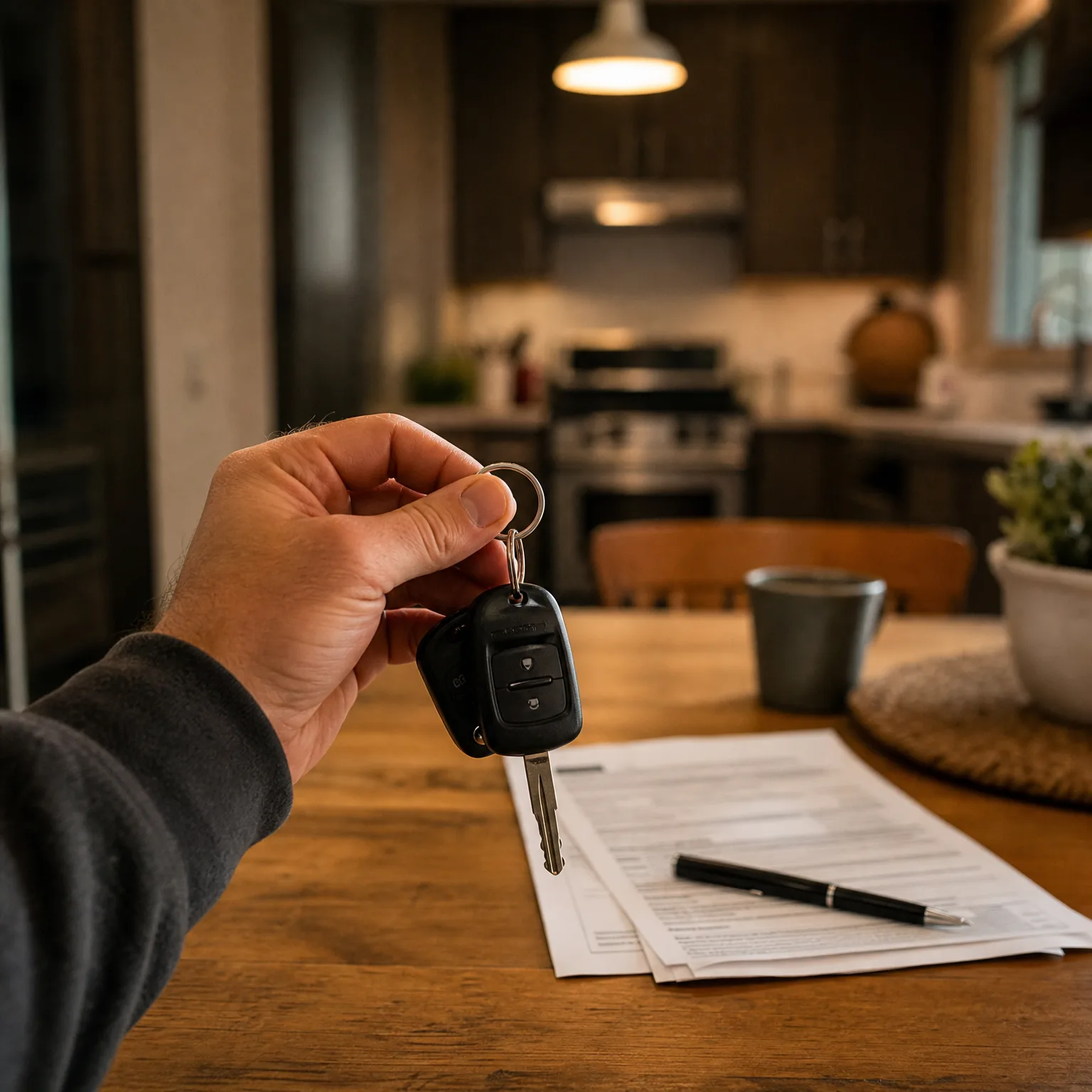
NCDMV will not process your reinstatement application until you provide documentation proving the lapse period and any coverage gaps. This requirement catches most rideshare drivers by surprise. The DMV needs two specific documents: a cancellation notice from your previous personal auto carrier showing the exact lapse date, and an SR-22 certificate from your current carrier showing the new effective date.
If you carried TNC coverage during the lapse period, NCDMV does not accept that as substitute documentation. TNC policies cover you only during specific rideshare activity periods—Period 1 (app on, waiting for a ride request), Period 2 (ride accepted, en route to passenger), and Period 3 (passenger in vehicle). Personal driving outside those periods remains uninsured under TNC coverage, which is why the state does not recognize it as continuous personal liability insurance.
The documentation requirement creates a coordination problem most drivers miss. Your new carrier files SR-22 electronically, but NCDMV's reinstatement review queue will not advance your application until the previous carrier's cancellation record matches their system. If your old carrier delayed reporting the cancellation or if the electronic filing failed, the gap appears longer than it actually was. You may need to request a written cancellation notice from your prior carrier and submit it manually to the DMV License and Theft Bureau to reconcile the timeline.
Reinstatement Fee Structure for Lapse Suspensions
North Carolina charges a $50 civil penalty for a first insurance lapse offense under N.C.G.S. § 20-311. This is separate from the $65 standard license restoration fee. You pay both at reinstatement, plus a $50 plate fee if your registration was revoked. Total out-of-pocket before SR-22 filing: $165.
If you had a prior lapse suspension within the previous three years, the civil penalty increases to $150. Repeat offenders within three years also face longer processing delays because NCDMV flags the application for manual review. Expect reinstatement processing to take 7–10 business days for a first offense, longer for repeat violations.
Payment must be made in full before NCDMV will issue a clearance. The myNCDMV online portal allows fee payment for standard lapse suspensions once your SR-22 filing is active in their system. You can track filing status through the portal, but reinstatement approval still requires manual review of your gap documentation. Do not assume online payment alone clears the suspension—verify reinstatement approval before driving.

Line Up Coverage Before Your License Comes Back
Get Back on the Road
Limited Driving Privilege Eligibility During Lapse Suspension
North Carolina's Limited Driving Privilege (LDP) is available for certain revocation types, but insurance lapse suspensions typically do not qualify. LDPs are issued by Superior or District Court judges, not by NCDMV, and are reserved primarily for DWI-related revocations and specific hardship cases involving medical necessity or employment access where public transit is unavailable.
If you petition for an LDP based on employment hardship while under lapse suspension, expect the court to deny the petition unless you can demonstrate extraordinary circumstances. The court's reasoning: you control when you purchase insurance, unlike a DWI conviction where the revocation period is fixed by statute. Judges interpret lapse suspensions as voluntary non-compliance, not as situations warranting hardship relief.
The fastest path to reinstatement is compliance: purchase SR-22 coverage, pay the reinstatement fees, and provide gap documentation. Most rideshare drivers can complete this process within 10–14 days if they act immediately after receiving the FS-1 notice. Waiting to explore LDP options delays reinstatement and adds attorney consultation costs without improving the outcome.
How to Structure Coverage After Reinstatement for Rideshare Driving
After reinstatement, you need two separate policies to drive for Uber or Lyft in North Carolina: a personal auto liability policy with SR-22 endorsement, and the TNC coverage provided by the rideshare platform. The personal policy satisfies your state financial responsibility requirement. The TNC policy covers gaps during rideshare activity periods.
Your personal policy will carry higher premiums for three years while the SR-22 filing is active. Shop for coverage specifically through carriers that write high-risk SR-22 policies in North Carolina—standard carriers like State Farm and Allstate often decline or non-renew drivers with recent lapse suspensions. Non-standard carriers like Bristol West, Dairyland, and The General specialize in post-suspension coverage and can provide immediate SR-22 filing.
Do not cancel your personal policy to rely solely on TNC coverage after reinstatement. NCDMV's electronic monitoring will flag the cancellation within 24 hours, your SR-22 will lapse, and your license will be re-suspended. The three-year SR-22 requirement clock resets to zero. You would owe another $65 restoration fee, another $50 civil penalty, and face extended processing delays as a repeat offender.
What Happens If You Drive for Rideshare During the Suspension
Operating a vehicle while your license is suspended for insurance lapse is a Class 1 misdemeanor in North Carolina under N.C.G.S. § 20-28. Conviction carries a minimum $200 fine and potential jail time up to 120 days, though first offenses rarely result in incarceration. The charge adds points to your driving record and extends your SR-22 filing requirement.
If you attempt to drive for Uber or Lyft during suspension, the rideshare platform will deactivate your account once the background check refresh detects the suspension. TNC companies monitor driver license status continuously through MVR pulls. Even if you were approved initially, a mid-contract suspension triggers automatic deactivation. You cannot reactivate your rideshare driver account until your license is fully reinstated and you provide updated documentation to the platform.
North Carolina law enforcement has access to real-time license status through the NCDMV system. Traffic stops during suspension result in immediate vehicle impoundment in most counties. Impound fees start at $150 plus daily storage, and retrieval requires proof of valid insurance and registration before the impound lot will release the vehicle. Total cost of driving during suspension: $500–$1,200 between fines, impound, and extended SR-22 premiums from the additional violation.
Frequently Asked Questions
Does Uber's insurance satisfy North Carolina's SR-22 requirement after a lapse suspension?
No. North Carolina requires personal auto liability insurance with SR-22 endorsement filed by your personal carrier. Uber and Lyft TNC coverage is classified as commercial coverage and does not satisfy the state's continuous personal financial responsibility requirement under N.C.G.S. § 20-309. You must carry both a personal SR-22 policy and TNC coverage to drive for rideshare platforms after reinstatement.
How long does NCDMV take to process reinstatement after I file SR-22 for an insurance lapse?
NCDMV typically processes first-offense lapse reinstatements within 7–10 business days after receiving your SR-22 filing, gap documentation from your prior carrier, and full payment of the $50 civil penalty, $65 restoration fee, and $50 plate fee. Repeat lapse offenses within three years trigger manual review and take 14–21 days. You can track SR-22 filing status through the myNCDMV portal, but reinstatement approval requires separate verification.
Can I get a hardship license in NC while my license is suspended for insurance lapse?
North Carolina courts rarely grant Limited Driving Privilege petitions for insurance lapse suspensions. LDPs are reserved primarily for DWI revocations and specific hardship cases involving medical necessity or employment access where public transit is unavailable. Judges interpret lapse suspensions as voluntary non-compliance since you control when you purchase insurance, making hardship relief unlikely. The faster path is purchasing SR-22 coverage and paying reinstatement fees.
What documents does NCDMV need to prove my insurance lapse period for reinstatement?
NCDMV requires a cancellation notice from your previous carrier showing the exact lapse date and an SR-22 certificate from your current carrier showing the new effective date. If your old carrier delayed electronic reporting or if the filing failed, you may need to request a written cancellation notice and submit it manually to the DMV License and Theft Bureau to reconcile the gap timeline before your reinstatement application will advance.
Will my SR-22 requirement restart if I switch insurance carriers during the three-year period?
No, switching carriers does not restart the three-year SR-22 clock as long as there is no coverage gap. Your new carrier must file SR-22 before your old policy cancels. If there is even one day without active SR-22 coverage on file with NCDMV, your license is immediately re-suspended and the three-year requirement resets to zero from your new reinstatement date.
Can I use a non-owner SR-22 policy to reinstate after a lapse suspension if I sold my car?
Yes, but only if you no longer own a vehicle registered in your name. North Carolina accepts non-owner SR-22 policies to satisfy the financial responsibility requirement for drivers without a registered vehicle. However, you cannot drive for Uber or Lyft with a non-owner policy because rideshare platforms require proof of personal liability coverage on the specific vehicle you will use for rideshare trips. If you plan to resume rideshare driving, you must own a vehicle and carry standard SR-22 liability coverage on that vehicle.
What happens to my Uber driver account while my license is suspended for insurance lapse in NC?
Uber and Lyft continuously monitor driver license status through background checks and MVR pulls. Once the platform detects your suspension, your account is automatically deactivated. You cannot reactivate until your license is fully reinstated and you provide updated documentation to the rideshare company showing valid license status and active insurance coverage. Attempting to drive during suspension risks Class 1 misdemeanor charges under N.C.G.S. § 20-28.
Related Articles
NC Rideshare DUI: SR-22 Timing & TNC Lapse Gaps
5/3/2026

NC Rideshare Reinstatement: Court + DMV SR-22 Timing
5/3/2026

NC Rideshare Lapse Reinstatement Costs + SR-22 Fees
5/3/2026
NC Rideshare Unpaid Ticket Suspension: SR-22 & Lapse Rules
5/3/2026

ND Rideshare SR-22 After Insurance Lapse Suspension
5/3/2026

NC Rideshare Reinstatement After Tickets: Real Costs
5/3/2026