
DC Unpaid Tickets Suspension: SR-22 Filing for Rideshare Drivers
Free to compare
Why DC suspends for unpaid tickets and what rideshare drivers face
District of Columbia suspends driving privileges for unpaid moving violations, parking tickets escalated to judgment, and traffic camera fines. DC DMV processes these suspensions administratively under DC Code Title 50 — no court hearing, no advance warning beyond the original ticket notice.
Rideshare drivers get hit harder because unpaid tickets accumulate faster when you're on the road 40-60 hours per week. A $150 speeding ticket and two $100 red-light camera violations turn into a suspension after 60 days of non-payment, and DC DMV doesn't distinguish between personal drivers and gig workers when issuing the suspension order.
The suspension notice arrives by mail to your address of record. DC DMV typically sends one notice 30 days before suspension takes effect, but if your address isn't current or you miss the envelope, the first signal is often a failed vehicle registration renewal or a traffic stop where the officer tells you your license shows suspended in the system.
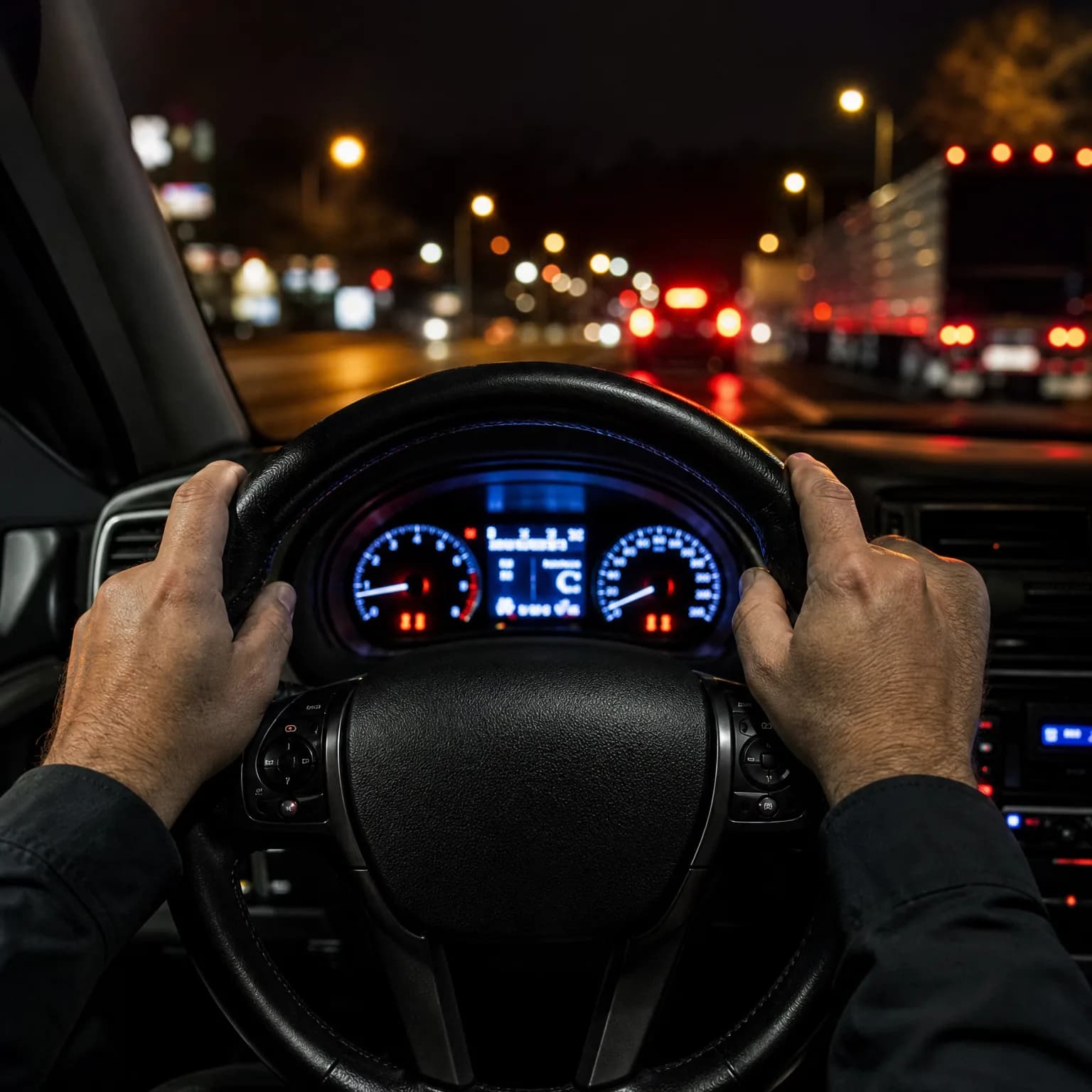
SR-22 is not required for unpaid ticket suspensions in DC
DC does not require SR-22 certificates of financial responsibility for administrative suspensions caused by unpaid fines or tickets. SR-22 filing is reserved for DUI convictions, uninsured driving violations, and certain high-risk driving patterns under DC Code § 50-1301.82.
Many rideshare drivers mistakenly file SR-22 because their carrier or an insurance agent assumes all suspensions trigger the requirement. Filing SR-22 when it's not required costs you $25-$50 in filing fees plus 20-40% higher premiums for the three-year filing period — roughly $600-$1,200 in unnecessary costs over three years for a typical rideshare driver.
What DC DMV does require for reinstatement is proof that you maintained continuous liability insurance coverage throughout the suspension period, submitted via your carrier's electronic verification system or a paper certificate at reinstatement. This is liability insurance, not SR-22. The distinction matters because SR-22 policies cost significantly more and lock you into a high-risk rate tier your driving record may not justify.


The lapse-gap documentation requirement DC DMV enforces
DC DMV requires proof of continuous insurance from the date of suspension through the date of reinstatement. A coverage lapse of even one day during that window can delay reinstatement by 30-60 days while you re-establish coverage and submit new proof.
Rideshare drivers face a unique trap: when you stop driving for Uber or Lyft during suspension, your commercial rideshare policy often cancels automatically after 30 days of inactivity. Your personal auto policy may not cover you adequately if DC DMV reviews your carrier filings and sees a gap between when the rideshare policy ended and when personal coverage began.
The fix requires coordinating timing with both your rideshare insurer and your personal carrier. You need a personal liability policy in force before the rideshare policy cancels, and you need your personal carrier to submit verification to DC DMV showing the coverage bridge. Most carriers can backdate a policy up to 7 days if you catch the gap quickly, but beyond that window you're documenting a lapse and extending your suspension timeline.
What happens to your TLC or rideshare platform approval
District of Columbia does not operate a formal TLC or taxi commission like New York, but rideshare platforms — Uber, Lyft, and local services — run continuous background checks that pull DC DMV records every 30-90 days. A suspension for unpaid tickets triggers an automatic deactivation on most platforms within one billing cycle.
Reactivation after reinstatement is not automatic. You must upload proof of reinstatement (the clearance letter from DC DMV showing your license is valid again) and wait for the platform's compliance team to review and restore your account. That process typically takes 5-10 business days for Uber, 7-14 days for Lyft, and varies by local platform.
Some drivers try to switch platforms during suspension, assuming a different service won't see the DC record. All major rideshare platforms pull the same PDPS report from DC DMV. If your license shows suspended on that report, no platform will approve you until reinstatement posts to the system.

Line Up Coverage Before Your License Comes Back
Get Back on the Road
Reinstatement steps: paying fines and proving insurance
DC reinstatement for unpaid ticket suspensions requires three actions in this order: pay all outstanding fines and fees in full through DC DMV's online payment portal or in person at the Georgetown Service Center, obtain proof of continuous insurance coverage from your carrier, and submit the $98 reinstatement fee along with insurance documentation at a DC DMV service center.
DC DMV does not accept partial payment plans for reinstatement. The full ticket amount plus any late fees and the reinstatement fee must clear before the suspension lifts. For rideshare drivers carrying three or four unpaid violations, total reinstatement cost often reaches $600-$900.
Insurance proof must show coverage from the suspension start date forward with no gaps. If you maintained rideshare commercial coverage during suspension, request a certificate of continuous coverage from your rideshare insurer showing the policy remained active even though you weren't driving. If you switched to personal liability-only coverage, your personal carrier needs to confirm the start date overlaps or immediately follows the rideshare policy end date.

Limited Permit eligibility for rideshare income during suspension
DC offers a Limited Permit (the District's hardship license program) that allows restricted driving during suspension. The program is available for unpaid ticket suspensions, and eligibility includes employment purposes — which theoretically covers rideshare driving.
The problem: DC DMV interprets employment purposes narrowly. Approved routes under the Limited Permit cover commuting to a fixed worksite, medical appointments, school, and court-ordered obligations. Rideshare driving — where routes change continuously and income depends on operating throughout the city — does not fit the fixed-route framework DC uses to evaluate hardship applications.
In practice, DC DMV denies most Limited Permit applications from rideshare drivers because the restriction terms cannot be enforced. If you're approved for work-related driving to a warehouse job in Northeast DC and an officer stops you picking up a fare in Georgetown, you've violated the permit terms and triggered an immediate revocation plus an additional suspension period of 30-90 days.
What rideshare drivers should do about insurance right now
If you're suspended for unpaid tickets and not currently driving, switch to a liability-only personal auto policy immediately. You don't need rideshare commercial coverage while suspended, and maintaining it costs $180-$280/month when a personal liability policy runs $60-$100/month for the same coverage limits.
Call your rideshare insurer and request a certificate showing your coverage dates and any lapse information. Then call a personal auto carrier and request a policy effective the day after your rideshare coverage ends, or backdated to cover any short gap if you're within the 7-day window most carriers allow.
Do not file SR-22 for an unpaid ticket suspension. DC does not require it, and adding SR-22 when it's not mandated raises your rates for three years without satisfying any legal requirement. Standard liability coverage proves financial responsibility for this suspension type. Save the SR-22 filing fee and the premium increase for situations where the law actually requires it.
Frequently Asked Questions
Does DC require SR-22 for unpaid parking ticket suspensions?
No. DC does not require SR-22 filing for suspensions caused by unpaid parking tickets, moving violations, or traffic camera fines. SR-22 is required only for DUI convictions, uninsured driving violations, and certain repeat high-risk offenses. Unpaid ticket suspensions require proof of continuous liability insurance, but not the SR-22 certificate itself.
Can I drive for Uber in DC with a Limited Permit after an unpaid ticket suspension?
DC DMV typically denies Limited Permit applications from rideshare drivers because the permit restricts you to fixed routes for employment, medical, or school purposes. Rideshare driving requires operating throughout the city on variable routes, which doesn't fit the enforcement framework DC uses for hardship licenses. Most rideshare drivers cannot legally earn rideshare income during a DC suspension even with a Limited Permit.
What happens if my rideshare insurance cancels while I'm suspended in DC?
If your rideshare commercial policy cancels during suspension and you don't have personal liability coverage in place, DC DMV will document a coverage lapse that extends your reinstatement timeline by 30-60 days. You need to maintain continuous insurance throughout the suspension period — either rideshare commercial or personal liability — with no gaps longer than 24 hours to avoid reinstatement delays.
How much does it cost to reinstate a DC license after unpaid ticket suspension?
DC charges a $98 base reinstatement fee, plus the full amount of all unpaid tickets and late fees. For rideshare drivers carrying three or four violations, total reinstatement cost typically runs $600-$900. DC does not accept partial payment plans — all fines and the reinstatement fee must be paid in full before the suspension lifts.
Will Lyft or Uber reactivate my account automatically after DC reinstatement?
No. After you reinstate your DC license, you must manually upload proof of reinstatement to the platform and wait for the compliance team to review your account. Uber typically processes reactivation in 5-10 business days; Lyft takes 7-14 days. Reinstatement does not automatically restore platform access.
Can I get a non-owner SR-22 policy in DC if I don't have a car during suspension?
You can purchase a non-owner liability policy in DC, but you don't need SR-22 endorsement for an unpaid ticket suspension. Non-owner policies provide the continuous liability coverage DC requires for reinstatement, but adding SR-22 to a non-owner policy when it's not legally required raises your premium by 20-40% without satisfying any additional legal obligation.
Related Articles

DC Unpaid Ticket Suspension Costs for Rideshare Drivers
5/3/2026

DC Unpaid Tickets: Court Clearance & DMV SR-22 Timing
5/3/2026
DC Unpaid Tickets Suspension Costs for Students
5/3/2026
DC Child Support Suspension: SR-22 Timing for Rideshare
5/3/2026

DC CDL Unpaid Tickets: SR-22 Timing & Lapse-Gap Docs
5/3/2026

DC Rideshare Reinstatement Costs: Fees & SR-22 Markup
5/3/2026