
DC Rideshare Drivers: Unpaid Ticket Suspension Costs Stack Fast
Free to compare
What Unpaid Ticket Suspension Actually Costs in DC
DC DMV's $98 base reinstatement fee is the smallest line item most rideshare drivers face. Your actual cost stack includes court clearance fees for each ticket (typically $30–$70 per violation), potential late payment penalties if tickets aged past 60 days, and the DMV processing fee itself.
Rideshare drivers face a hidden expense aggregators never mention: platform reactivation delays. Uber and Lyft require continuous insurance verification even when you're suspended. Drop coverage during suspension and your account enters a compliance review queue that adds 7–14 days after reinstatement before you can accept rides again. That's two weeks of lost income most drivers don't budget for.
The total reinstatement stack for a typical two-ticket suspension runs $250–$400 when you include court clearance, DMV fees, and the non-owner liability policy you'll need to maintain platform eligibility. Skip the insurance piece and you'll pay more in lost earnings waiting for compliance review than the policy itself costs.

Why DC Doesn't Require SR-22 for Unpaid Tickets
DC Code does not mandate SR-22 filing for administrative suspensions triggered by unpaid traffic violations. SR-22 requirements activate for specific offense types: DUI/DWI under DC Code § 50-2206, uninsured operation, and certain reckless driving convictions. Unpaid parking tickets and non-DUI moving violations fall under administrative suspension authority, not the high-risk driver classification that triggers SR-22.
This distinction matters for rideshare drivers because SR-22 policies carry a $15–$25 monthly carrier filing fee on top of higher premiums. You'll avoid that markup if your suspension stems solely from unpaid fines. Your insurance need is platform-driven, not state-mandated.
DC DMV will not reject your reinstatement application for lacking SR-22 if your suspension trigger was administrative. Court clearance documentation and proof of standard liability coverage satisfy reinstatement requirements. Carriers who push SR-22 quotes for non-SR-22 suspensions are either confused about DC's trigger-specific requirements or padding your premium.

The Non-Owner Policy Rideshare Drivers Actually Need
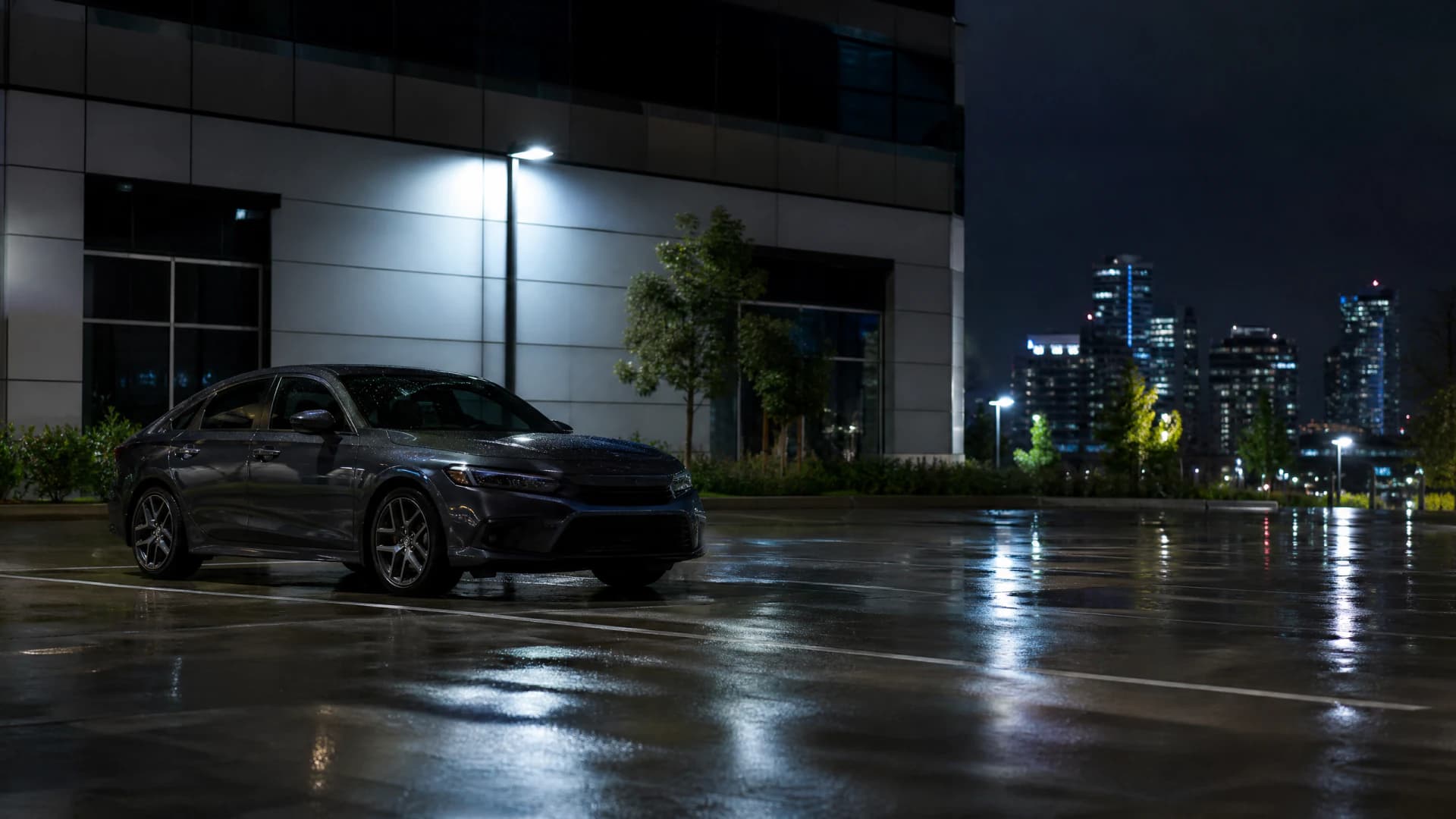
You don't own a car right now, but Uber and Lyft's insurance verification systems flag any coverage gap longer than 72 hours. A non-owner liability policy keeps your platform account active during suspension without requiring vehicle ownership. DC minimum liability limits are 25/50/10 (twenty-five thousand per person for bodily injury, fifty thousand per incident, ten thousand for property damage). Non-owner policies meeting those minimums run $30–$55 monthly for drivers without DUI history.
Rideshare platforms verify coverage through automated queries to carrier databases. They don't distinguish between vehicle-based and non-owner policies in their compliance systems. As long as your carrier reports active coverage under your name and license number, your account stays clear.
The timing gap kills drivers who wait. Apply for reinstatement, get approved by DMV, then shop for insurance — and you've just added 10–14 days to your platform reactivation timeline. Secure the non-owner policy before you file reinstatement paperwork. Your carrier issues proof of insurance immediately; DMV processes your reinstatement in 3–7 business days; your platform account clears compliance within 48 hours of license reactivation. Sequential execution cuts two weeks off your return-to-earning date.

Line Up Coverage Before Your License Comes Back
Get Back on the RoadCourt Clearance Is Not Automatic in DC
DC Superior Court and DC DMV operate separate databases with no real-time sync. Pay your tickets at the court window and you've satisfied the judicial branch. That payment does not automatically post to DMV's suspension records. Most drivers discover this gap when DMV rejects their reinstatement application for unresolved violations the driver already paid.
You need a court clearance certificate showing zero outstanding fines tied to your license. Request this document in person at DC Superior Court Traffic Division, 500 Indiana Avenue NW, or by mail with a notarized affidavit and processing fee (currently $10 per certificate). Court staff will not proactively send this to DMV. You carry it to DMV yourself or submit it with your reinstatement application.
The processing lag between payment and clearance issuance runs 5–10 business days in DC. Drivers who pay fines Monday and walk into DMV Wednesday get rejected because the court hasn't finalized the paperwork. This is the single most common reinstatement delay rideshare drivers hit — budget the full two weeks between ticket payment and DMV filing to avoid wasting a trip.
Limited Permit Eligibility for Rideshare Work
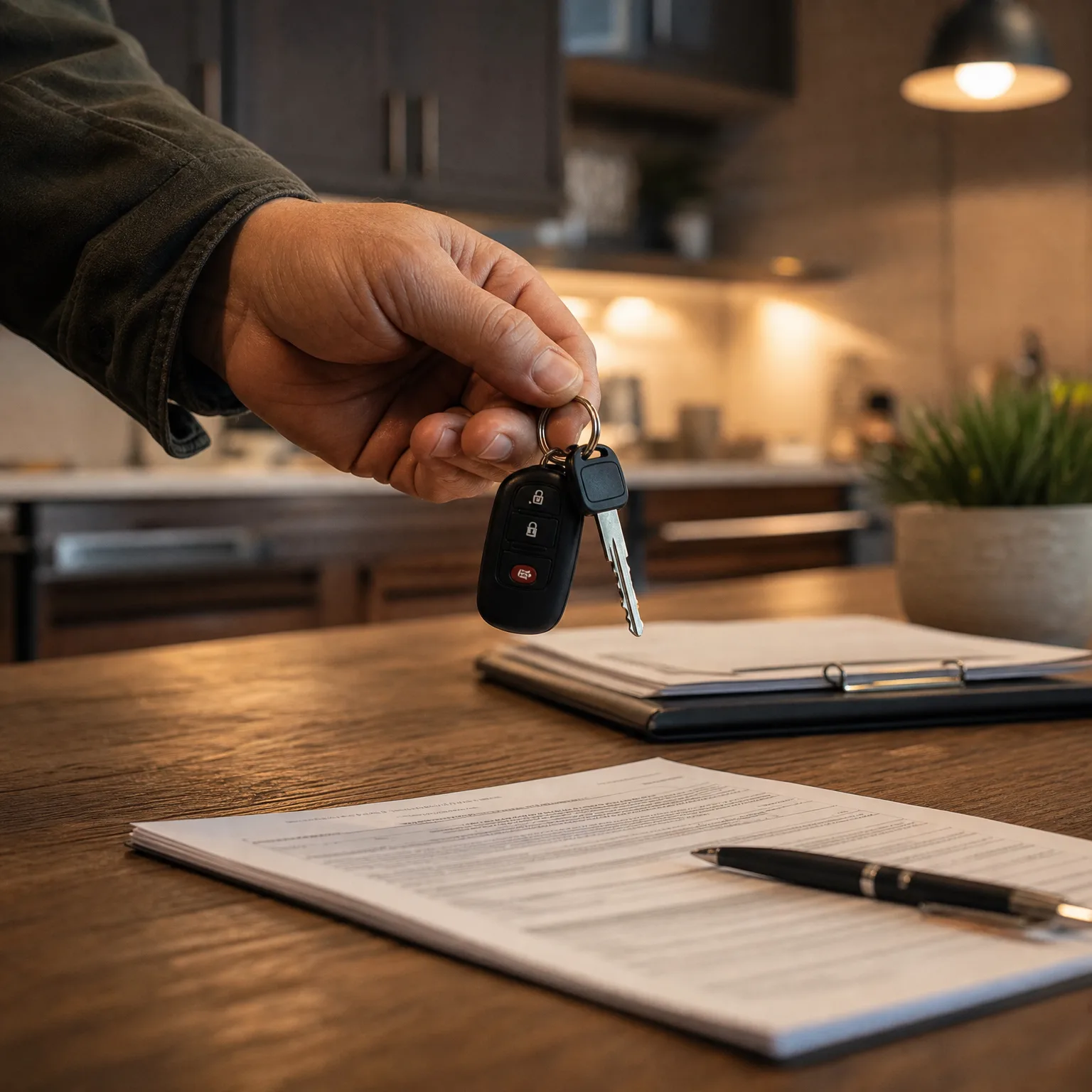
DC offers a Limited Permit that allows restricted driving during suspension for essential purposes: employment, medical appointments, school, or court/DMV-approved purposes. Rideshare driving qualifies as employment under DC DMV's hardship framework, but approval is not automatic.
You'll file a Limited Permit application directly with DC DMV, providing proof of need (a letter from Uber or Lyft on company letterhead confirming your active driver status works), proof of insurance (your non-owner policy satisfies this), and the completed DC DMV application form. Application fees and processing timelines are not published with high confidence on DC DMV's public site — call (202) 737-4404 to confirm current costs before filing.
DUI-related suspensions complicate Limited Permit eligibility because DC now requires ignition interlock device installation even for hardship permits tied to DUI convictions. If your unpaid tickets suspension layers on top of an older DUI suspension, the interlock requirement activates. That adds $75–$125 monthly to your cost stack (device lease, calibration, monitoring fees). Unpaid-ticket-only suspensions do not trigger interlock requirements.

What Platform Reactivation Actually Takes
Uber and Lyft run background check refreshes every time your license status changes. Reinstate your DC license and both platforms receive automated notifications from third-party screening vendors (Checkr for Uber, Sterling for Lyft in most markets). Those vendors query DMV records, but the refresh cycle is not instant.
Expect 48–72 hours between DMV reinstatement and platform clearance if you maintained continuous insurance coverage during suspension. That timeline stretches to 10–14 days if your account entered compliance review for a coverage gap. Neither platform will tell you which queue you're in — you'll just see "account under review" until it clears.
The fastest path: secure non-owner coverage before suspension begins (if you have advance notice from court), maintain it through the entire suspension period, complete reinstatement, and upload your new license image to the driver app the same day DMV hands it to you. Drivers who follow that sequence typically clear compliance within 48 hours. Drivers who let coverage lapse, reinstate, then scramble for insurance add two weeks of zero-income waiting time.
Frequently Asked Questions
Do I need SR-22 to reinstate my DC license after unpaid tickets?
No. DC does not require SR-22 filing for administrative suspensions caused by unpaid parking or moving violations. SR-22 is required only for DUI, uninsured operation, and certain reckless driving convictions. Your reinstatement documentation needs court clearance and proof of standard liability coverage, not SR-22.
Can I drive for Uber or Lyft with a DC Limited Permit?
Yes, if DC DMV approves your Limited Permit application with rideshare work listed as the employment purpose. You'll need proof from Uber or Lyft confirming your active driver status, proof of insurance, and the completed DMV application. Processing timelines and fees vary — confirm current requirements with DC DMV before filing.
How long does it take to get my rideshare account reactivated after reinstatement?
Typically 48–72 hours if you maintained continuous insurance coverage during suspension. If your account entered compliance review for a coverage gap, reactivation can take 10–14 days. Upload your reinstated license to the driver app immediately after DMV processes your reinstatement to avoid additional delays.
What happens if I paid my tickets but DMV says they're still outstanding?
DC Superior Court and DC DMV databases don't sync automatically. You need a court clearance certificate showing zero outstanding fines, which you obtain from DC Superior Court Traffic Division. Processing takes 5–10 business days after payment. Bring this certificate to DMV when you file for reinstatement.
Will my insurance rates go up after an unpaid ticket suspension?
Unpaid-ticket suspensions themselves don't always trigger rate increases, but the underlying moving violations that caused the tickets will. Carriers review your driving record at renewal and adjust premiums based on violation points and claim history. Non-owner policies for drivers without DUI history typically cost $30–$55 monthly in DC.
Can I get a Limited Permit if I have an older DUI on my record?
Yes, but DC now requires ignition interlock device installation for any Limited Permit tied to a DUI conviction, even if your current suspension is for unpaid tickets. The interlock requirement adds $75–$125 monthly to your cost stack. Unpaid-ticket-only suspensions do not trigger interlock requirements.
Related Articles

DC Unpaid Tickets Suspension: Rideshare SR-22 Rules
5/3/2026

DC Rideshare Reinstatement Costs: Fees & SR-22 Markup
5/3/2026
DC DUI Rideshare Reinstatement: Real Cost Stack
5/3/2026

WA Unpaid Tickets Suspension: Reinstatement Costs
5/3/2026

DC Child Support Suspension Costs for Rideshare Drivers
5/3/2026

DC Unpaid Tickets Suspension Costs for Students
5/3/2026