
Clearing Unpaid Tickets for Colorado Rideshare Drivers
Free to compare
Why Your Court Payment Doesn't Immediately Clear Your DMV Suspension
Colorado's court system and the Division of Motor Vehicles operate separate databases that sync on a delay. When you pay outstanding tickets or resolve failure-to-appear warrants, the court clerk enters the disposition into their case management system. That clearance then transmits to DMV through an electronic interface, but the batch processing window runs every 7-14 business days depending on county.
Rideshare platforms pull driver eligibility from the DMV database in real time. If your license still shows suspended status when you submit reactivation documents, the platform's automated compliance check fails even though you've already paid the court. Most Denver and Colorado Springs drivers waste a full week resubmitting the same court receipt because they don't know the DMV lag exists.
You need proof of DMV clearance, not just court clearance. The court receipt confirms you satisfied the underlying obligation. The DMV clearance letter confirms the state database reflects that satisfaction and your driving privilege is restored.

How to Get Court Clearance Documentation Colorado Courts Accept
Pay all outstanding fines, fees, and court costs in full at the court that issued the citations. Request a case disposition printout or payment receipt showing zero balance and case closure. Most Colorado municipal and county courts provide this immediately at the clerk window or through their online payment portal.
If your suspension stems from failure to appear, the court must also issue a clearance affidavit or compliance letter stating the warrant has been quashed and you've satisfied all appearance requirements. This is a separate document from the payment receipt. Some courts combine both into one compliance letter; others require you to request the FTA clearance explicitly.
Keep the original court documents. You will submit copies to DMV and to your rideshare platform, but if either system loses the paperwork during processing, you cannot get a duplicate from the court without paying a records fee and waiting 5-10 business days.

Submitting Your Clearance to Colorado DMV and Tracking Verification
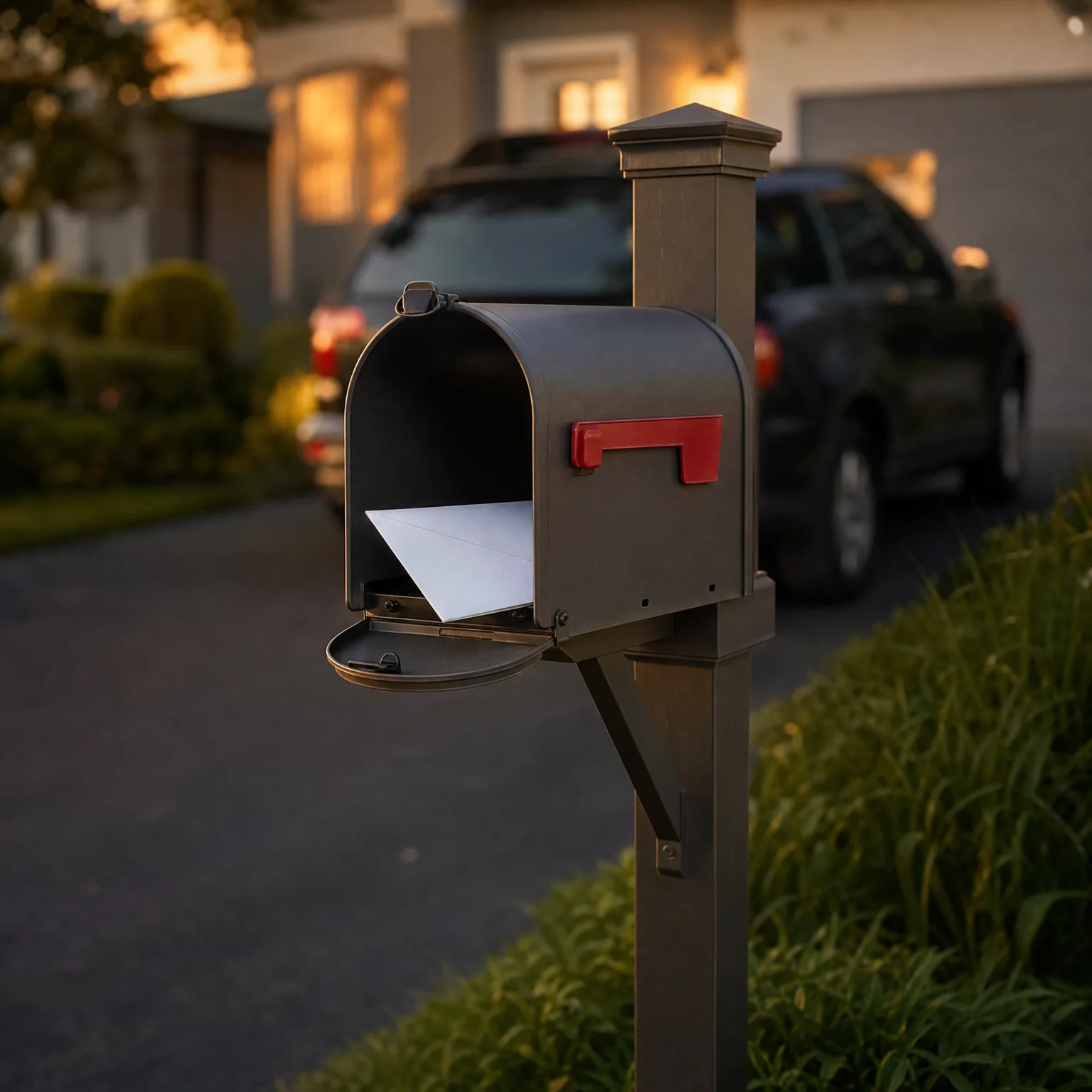
Mail or deliver your court clearance documents to the Colorado Division of Motor Vehicles Driver Control section along with the $95 reinstatement fee. Include a cover letter with your full name, date of birth, driver license number, and the suspension notice number if you have it. DMV processes reinstatement packets in the order received, typically within 10-15 business days of receipt.
Colorado's myDMV online portal does not allow online reinstatement for ticket-related suspensions that required court action. You must submit physical or scanned documents. If you submit by mail, send via certified mail with return receipt so you have proof of delivery date.
Once DMV processes your reinstatement, your driving record updates in the state database. You can verify clearance by ordering a driving record abstract through the myDMV portal or by visiting a driver license office in person. The abstract costs $11.25 and generates instantly online. Your rideshare platform will accept the abstract as proof your license is no longer suspended.

Line Up Coverage Before Your License Comes Back
Get Back on the RoadWhat Rideshare Platforms Require Before Reactivation
Uber and Lyft both require a current Colorado driving record abstract showing active, unsuspended status before they reactivate your account. The court receipt alone does not satisfy platform compliance checks because it doesn't prove the state database has updated.
Upload the DMV abstract through your driver app or email it to the platform's compliance team. Most drivers regain platform access within 24-48 hours of submitting the updated abstract, assuming no other background check issues exist.
If you attempt reactivation before the DMV database updates, the platform's automated check pulls suspended status and denies your request. You must wait for the DMV processing window to close, then re-submit. Calling platform support does not expedite this — the platform cannot override what the state database shows.

Whether SR-22 Filing Is Required for Ticket Suspensions
Colorado does not require SR-22 insurance filing for suspensions triggered solely by unpaid tickets or failure to appear in court. SR-22 is required for DUI convictions, uninsured motorist violations, excessive point accumulations, and certain reckless driving convictions — not for administrative court compliance issues.
You must carry active liability insurance to legally operate in Colorado, and rideshare platforms require commercial rideshare coverage or a personal policy with rideshare endorsement. But you do not need to file an SR-22 certificate with DMV unless your suspension notice explicitly states SR-22 is a reinstatement condition.
If you're unsure whether your specific case requires SR-22, check the reinstatement requirements section of your suspension notice or call the DMV Driver Control unit at 303-205-5613. Do not pay for SR-22 filing if your suspension type doesn't require it.

Timeline From Court Payment to Platform Reactivation
Court payment processing: same day to 3 business days depending on whether you pay in person or online. Court clearance document issuance: immediate if requested in person, 3-5 business days if requested by mail.
DMV reinstatement processing: 10-15 business days from the date they receive your court clearance and reinstatement fee. Database update: typically reflects within 24 hours after DMV processes your reinstatement, but some county systems lag an additional 2-3 days.
Platform reactivation review: 24-48 hours after you upload the updated DMV abstract. Total timeline from court payment to rideshare reactivation: 3-4 weeks in most cases. Drivers who don't understand the DMV processing lag often add an extra week by submitting reactivation requests too early.
Frequently Asked Questions
Can I drive for Uber or Lyft while my Colorado license suspension is pending court clearance?
No. Rideshare platforms deactivate drivers immediately when their license shows suspended status in the DMV database. You cannot drive again until you complete court clearance, DMV reinstatement, and platform reactivation. Attempting to drive on a suspended license is a misdemeanor in Colorado and results in permanent platform deactivation.
Does paying my tickets online automatically reinstate my Colorado driver license?
No. Paying the court clears the underlying violation, but you must separately submit proof of payment and the $95 reinstatement fee to the Colorado DMV. Your license remains suspended until DMV processes your reinstatement packet and updates the state database, which takes 10-15 business days after they receive your documents.
How do I know if my Colorado license suspension requires SR-22 filing?
Check the reinstatement requirements section of your suspension notice. Colorado requires SR-22 for DUI convictions, uninsured motorist violations, and certain point-related suspensions — not for unpaid tickets or failure-to-appear cases. If SR-22 is required, the notice explicitly states it. When in doubt, call DMV Driver Control at 303-205-5613.
Can I submit my court clearance to Colorado DMV online instead of by mail?
Colorado's myDMV portal does not allow online reinstatement submissions for ticket-related suspensions. You must mail or hand-deliver your court clearance documents and reinstatement fee to the DMV Driver Control section. Certified mail with return receipt is recommended so you have proof of delivery.
Will Uber or Lyft accept my court receipt as proof my Colorado suspension is cleared?
No. Rideshare platforms require a current Colorado driving record abstract showing active, unsuspended status. The court receipt proves you satisfied the court obligation, but only the DMV abstract proves the state database reflects that clearance. Order the abstract through myDMV after DMV processes your reinstatement.
What happens if I miss a new traffic ticket while waiting for my Colorado reinstatement to process?
A new violation during the reinstatement waiting period does not void your current reinstatement application, but the new ticket creates a separate court obligation and may trigger additional DMV action depending on the violation type. Resolve new citations immediately to avoid compounding suspension issues.
Related Articles

CO Failure-to-Appear Reinstatement for Rideshare
5/3/2026
Colorado Unpaid Ticket Suspension: Court & DMV Timeline
5/3/2026

CDL Reinstatement CO Unpaid Tickets: Court-DMV Timing
5/3/2026
Colorado Warrant Suspension Reinstatement for Rideshare
5/3/2026

Unpaid Ticket Suspension CO: Court to DMV Timing
5/3/2026

CT Rideshare Reinstatement: Unpaid Ticket Clearance
5/3/2026