
Texas Child Support License Suspension: Court vs DMV Clearance Gap
Free to compare
Why Your License Stays Suspended After You Clear Child Support Arrears
Texas DPS does not receive automatic electronic notification when you clear child support arrears through family court. The court issues a Release of Order of Suspension—but that document must be manually submitted to DPS by you or the Office of the Attorney General (OAG) Child Support Division before DPS will lift your driving restriction. Most parents assume payment clears the suspension instantly. It does not.
The gap exists because three separate entities control your reinstatement: the family court that issued the original suspension order under Texas Family Code §232.003, the OAG Child Support Division that monitors compliance, and DPS that enforces the license suspension. None of these agencies automatically shares clearance status with the others. You are responsible for ensuring the Release of Order of Suspension reaches DPS.
If you paid your arrears through wage garnishment or direct payment to the State Disbursement Unit, your court case may show compliance—but DPS will not see that compliance until the court clerk or OAG sends formal notice. This processing lag typically runs 15–30 days. During that window, you remain legally suspended even though you have paid what you owe.

The Two-Step Clearance Process Texas Parents Miss
Clearing a child support suspension in Texas requires two distinct actions. First, satisfy the arrearage amount or payment plan terms specified in your court order. Second, obtain and submit a Release of Order of Suspension to DPS.
The Release of Order of Suspension is a court-issued document verifying compliance. You request it from the family court that ordered your suspension—not from DPS, not from the OAG. Some counties issue this automatically upon final payment; most require you to file a motion requesting the release. Harris County, Dallas County, and Travis County clerks will issue the release within 5–7 business days if your account shows zero arrears and no active contempt orders. Smaller rural counties may take 10–15 business days.
Once you have the release document, submit it to DPS. You can mail it to the DPS Driver License Division at PO Box 4087, Austin, TX 78773-0001, or present it in person at any DPS office. In-person submission typically processes within 2–3 business days. Mail submission adds 7–14 business days to your timeline. DPS will not process your reinstatement until the release document is physically received and entered into their system.

Why DPS Shows Your Suspension Active Even After Court Clearance
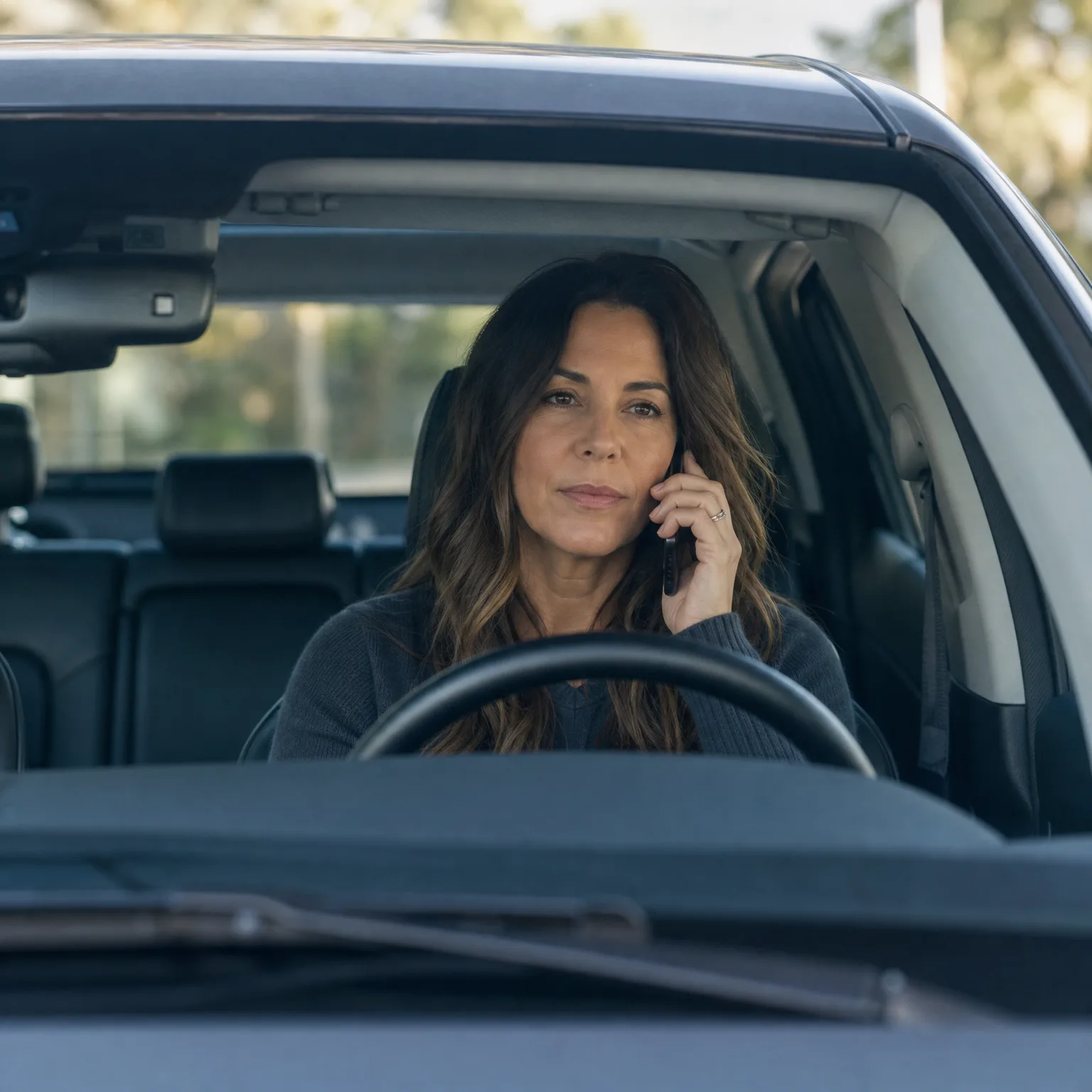
DPS and the family court operate separate databases that do not sync automatically. When you check your driving record on the Texas DMV online portal, you are viewing DPS records—not family court records. Your court case may show closed or compliant, but DPS will continue to reflect an active suspension until they receive formal notification.
The OAG Child Support Division maintains a third database tracking enforcement actions. Payment compliance in the OAG system does not automatically update DPS. The OAG is required to send release notices to DPS under Texas Family Code §232.007, but that transmission is not instantaneous. The OAG typically processes clearance batches weekly. If your payment posts on a Tuesday, the OAG may not transmit the release to DPS until the following Monday—adding another 5–7 days to your reinstatement window.
DPS will not lift your suspension based on a phone call or an emailed payment receipt. You must provide the physical Release of Order of Suspension. If you were arrested for driving on a suspended license during the gap between court clearance and DPS verification, you will need to present the court-issued release and payment records to contest the charge. Texas courts recognize this coordination failure, but avoiding the arrest in the first place requires proactive submission of the release document.
How to Verify DPS Has Received Your Court Clearance
After submitting your Release of Order of Suspension, check your DPS driving record directly. Log in to the Texas DMV online services portal at txdps.state.tx.us and request a certified driving record. This record will show whether the child support suspension has been removed. Do not rely on verbal confirmation from DPS customer service—wait until the online record reflects clearance.
If 10 business days have passed since you submitted the release and your DPS record still shows active suspension, contact the DPS Driver License Division at 512-424-2600. You will need your driver license number, the court cause number from your Release of Order of Suspension, and the date you submitted the document. DPS can trace the submission and confirm whether it was received and processed.
Some Texas counties participate in electronic filing systems that transmit release orders directly to DPS. Collin County, Denton County, and Tarrant County use this system. If your county does not, assume manual submission is required. Call your county family court clerk's office and ask whether they electronically transmit child support releases to DPS. If they answer no, you are responsible for delivering the document yourself.

Line Up Coverage Before Your License Comes Back
Get Back on the Road
Reinstatement Fees and SR-22 Requirements for Child Support Suspensions
Once DPS processes your Release of Order of Suspension, you must pay a $125 reinstatement fee to restore your driving privileges. This fee applies to all administrative suspensions in Texas under Transportation Code §521.313. You pay it online through the Texas DMV portal or in person at any DPS office. The fee is non-refundable and must be paid before you can legally drive.
Child support suspensions do not require SR-22 financial responsibility filing. SR-22 is mandated only for DWI, uninsured driving, at-fault accidents without insurance, and certain reckless driving convictions under Texas Transportation Code §601.153. If a carrier or insurance agent tells you SR-22 is required for a child support suspension, they are incorrect. You need valid liability insurance to reinstate—but not the SR-22 certificate.
If your license was suspended for multiple reasons—for example, child support arrears and a previous DWI—you must clear all suspension causes before DPS will reinstate. Check your full DPS driving record to confirm whether additional holds exist. A child support release alone will not lift a multi-cause suspension.
What to Do If You Need to Drive During the Clearance Gap
Texas does not offer an Occupational Driver License (ODL) for child support suspensions. ODLs are available under Transportation Code §521.242 for DWI, points accumulation, unpaid fines, and medical suspensions—but not for child support enforcement suspensions. Family Code §232.003 explicitly prohibits issuing any form of restricted or hardship license during a child support-related suspension.
If you are employed and need to drive for work, you must wait until DPS processes your release and you pay the reinstatement fee. Driving on a suspended license is a Class C misdemeanor under Transportation Code §521.457, punishable by a fine up to $500. A second offense within 12 months escalates to a Class B misdemeanor with possible jail time.
If your employer requires proof of valid licensure and you cannot wait 15–30 days, request an expedited release from the family court. Some courts will issue same-day releases if you appear in person with proof of final payment and your account balance shows zero arrears. Bring certified payment records from the State Disbursement Unit and your court cause number. Not all courts offer expedited processing, but Harris County, Bexar County, and Dallas County have same-day release procedures for compliant parents.
Insurance Requirements When Reinstating After Child Support Suspension
You must maintain continuous liability insurance to reinstate your Texas driver license. Texas law requires minimum coverage of $30,000 per person for bodily injury, $60,000 per accident for bodily injury, and $25,000 for property damage. Your carrier reports coverage electronically to the TexasSure database maintained by TxDMV. DPS verifies insurance before processing reinstatement.
If you do not currently own a vehicle, a non-owner liability policy satisfies the insurance requirement. Non-owner policies provide the same liability limits as standard auto insurance but cost approximately $30–$60 per month because they exclude collision and comprehensive coverage. Most Texas carriers issue non-owner policies immediately upon application.
Once you pay the $125 reinstatement fee and DPS confirms active insurance, your driving privileges are restored. You do not need to retake the written or driving exam for a child support suspension. DPS will mail a new license card within 7–10 business days, but your online driving record will show eligible to drive as soon as reinstatement processes.
Frequently Asked Questions
How long does it take DPS to process a child support release in Texas?
In-person submission at a DPS office typically processes within 2–3 business days. Mail submission to DPS at PO Box 4087, Austin, TX 78773-0001 adds 7–14 business days. The OAG Child Support Division processes clearance batches weekly, so if they submit your release instead of you, expect 5–10 additional business days before DPS updates your record.
Can I get an occupational license in Texas while my child support suspension is active?
No. Texas Family Code §232.003 explicitly prohibits issuing occupational driver licenses (ODLs) for child support suspensions. ODLs are available for DWI, points, unpaid fines, and medical suspensions under Transportation Code §521.242—but not for child support enforcement actions. You must clear the arrears and complete full reinstatement before you can legally drive.
Do I need SR-22 insurance to reinstate after a Texas child support suspension?
No. SR-22 financial responsibility filing is required only for DWI, uninsured driving, at-fault accidents without insurance, and certain reckless driving convictions under Texas Transportation Code §601.153. Child support suspensions require valid liability insurance at reinstatement, but not the SR-22 certificate. If your license was suspended for multiple reasons including DWI, you may need SR-22 for the DWI cause—not the child support cause.
What happens if I drive before DPS processes my child support release?
Driving on a suspended license is a Class C misdemeanor under Texas Transportation Code §521.457, punishable by a fine up to $500. A second offense within 12 months is a Class B misdemeanor with possible jail time. Even if your court case shows cleared, DPS records control enforcement. Officers check DPS databases during traffic stops—not family court records. Wait until your online DPS driving record confirms clearance before driving.
How do I get a Release of Order of Suspension from the family court?
Request the release from the family court clerk's office in the county that issued your original suspension order. Bring proof of final payment and your court cause number. Some counties issue the release automatically upon zero arrears; most require you to file a motion. Harris County, Dallas County, and Travis County process releases within 5–7 business days. Smaller counties may take 10–15 business days.
Can I pay my Texas reinstatement fee online after child support clearance?
Yes. Log in to the Texas DMV online services portal at txdps.state.tx.us once your DPS driving record shows the child support suspension removed. The $125 reinstatement fee can be paid by credit card, debit card, or electronic check. Payment processes immediately and your eligibility to drive is restored within 24 hours, though your physical license card arrives by mail within 7–10 business days.
Related Articles

Texas Child Support Suspension: Court vs DMV Timing
5/3/2026

TX Child Support Suspension: SR-22 Timing & Clearance
5/3/2026

Child Support License Suspension Dallas: Reinstate Fast
4/29/2026

License Suspended for Child Support in Houston: Reinstatement Steps
4/29/2026

TX Child Support CDL Suspension: Court & DPS Timing
5/3/2026

Texas Child Support Release: Why DPS Doesn't See It
5/3/2026