
SD Child Support License Suspension: Court vs DMV Clearance Timing
Free to compare
Why Your License Stays Suspended After You Clear Child Support Arrears
South Dakota operates two parallel administrative systems for child support enforcement suspensions. The circuit court handles your payment compliance and arrears clearance. The Division of Motor Vehicles under the Department of Revenue handles your driving privilege.
Neither system automatically notifies the other when your status changes. Paying your arrears in full and receiving a court compliance notice does not trigger an automatic DMV reinstatement. You must file a petition with the circuit court requesting issuance of a clearance order, then submit that order to the SD DMV along with the $50 reinstatement fee and proof of liability insurance.
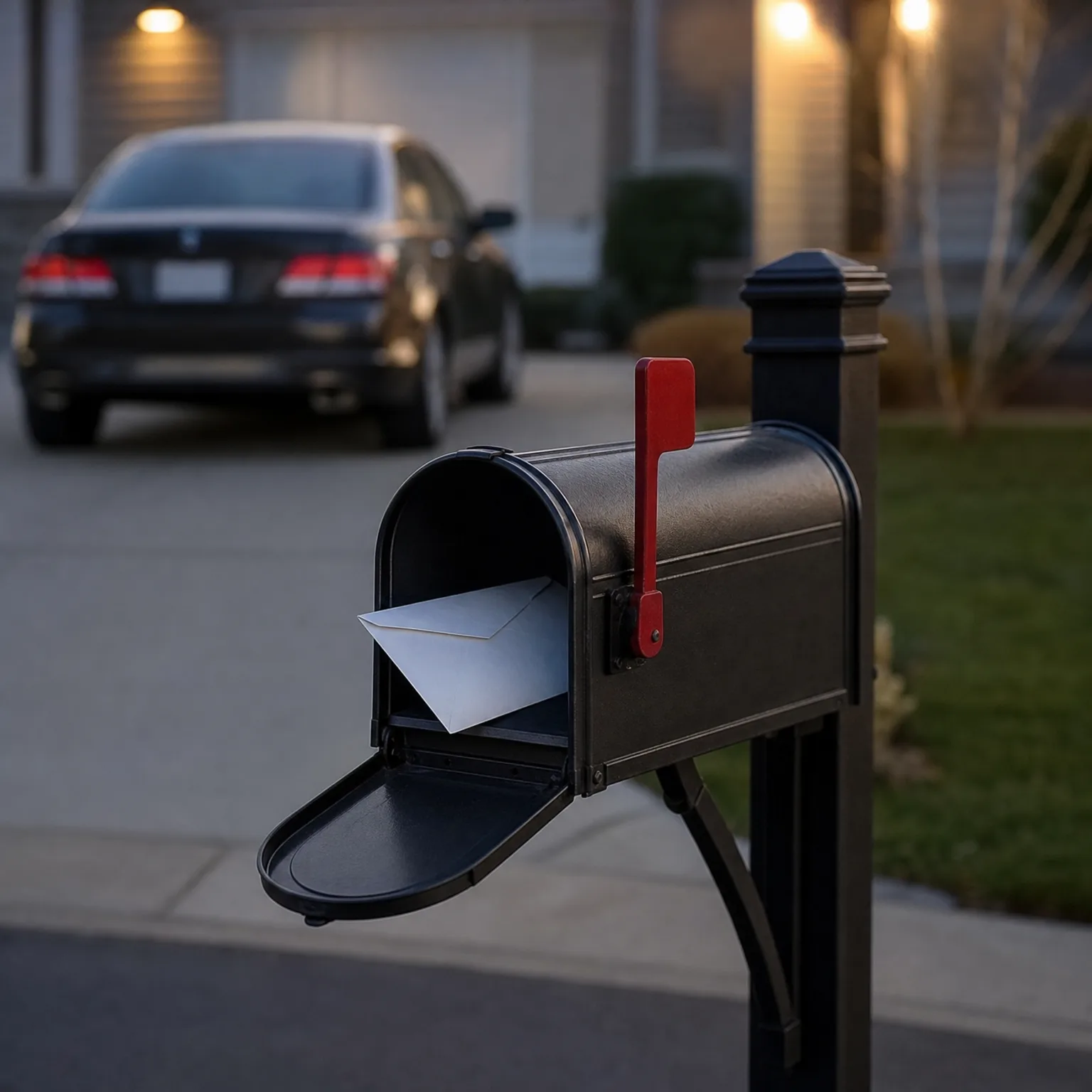
Most drivers assume the court will notify DMV once they're current. The court issues a compliance notice—a document confirming you've satisfied the arrears threshold that triggered suspension. But that notice goes to you and to the child support agency, not to DMV. Without a separate clearance petition filed by you, DMV has no record that your suspension trigger has been resolved.
The Two-Step Clearance Process South Dakota Requires
Step one: obtain a compliance notice from the circuit court. This happens after you've paid enough arrears to drop below the state's enforcement threshold or entered a payment plan approved by the child support agency. The court issues a notice confirming compliance, but this document alone does not reinstate your license.
Step two: file a petition with the same circuit court requesting a formal clearance order for DMV purposes. South Dakota requires a separate court filing—not just the compliance notice—to generate the clearance order DMV will accept. You submit the petition, the court reviews your payment record, and if you're current, the court issues a clearance order specifically directing DMV to lift the suspension.
Only after you receive that clearance order can you proceed to DMV reinstatement. You bring the court's clearance order, pay the reinstatement fee, provide proof of liability insurance, and DMV processes the reinstatement. The entire sequence—compliance notice, clearance petition, court order, DMV submission—takes 30 to 60 days even when you're fully current on payments, because each step requires separate filings and processing windows.
What Insurance You Need Before DMV Will Reinstate
South Dakota does not require SR-22 filing for child support suspensions. This is an administrative suspension, not a violation-based suspension. DMV requires proof of liability insurance at reinstatement—your current policy declarations page showing at least the state minimum coverage—but you do not need to file an SR-22 certificate.
The minimum liability coverage required is 25/50/25: $25,000 bodily injury per person, $50,000 bodily injury per accident, $25,000 property damage. Your carrier must be licensed to write policies in South Dakota. Bring your current declarations page showing active coverage when you submit the court clearance order and reinstatement fee to DMV.
If you do not currently own a vehicle, a non-owner liability policy satisfies the proof-of-insurance requirement. Non-owner policies provide the state minimum liability coverage without requiring an owned vehicle, and they cost significantly less than standard auto policies—typically $30 to $60 per month for clean-record drivers. Once your license is reinstated and you purchase a vehicle, you transition to a standard policy.

Line Up Coverage Before Your License Comes Back
Get Back on the RoadWhy Restricted License Petitions Are Denied for Child Support Cases
South Dakota's restricted license program is court-administered, not DMV-administered. Under SDCL 32-12-53, circuit courts have discretion to grant restricted driving privileges during suspension periods. But courts grant restricted licenses primarily for DUI and points-based suspensions where the driver has completed mandatory waiting periods and demonstrates essential need.
Child support suspensions do not typically qualify for restricted licenses because the suspension is compliance-based, not time-based. The state's position is that the path to reinstatement is payment compliance, not restricted driving during arrears. Courts deny restricted license petitions when the underlying suspension trigger can be resolved through direct action—paying arrears or entering an approved payment plan.
If you file a restricted license petition while under child support suspension, the circuit court will almost certainly direct you to resolve the arrears first. The court's authority to grant restricted privileges exists, but judges apply it narrowly to cases where no compliance path is available. For child support cases, the compliance path is clear: bring your arrears current or establish a payment plan acceptable to the child support agency.

How Long the Full Clearance Process Takes
From the date you make your final arrears payment to the date DMV lifts your suspension, expect 30 to 60 days. The child support agency typically processes your payment within 5 to 10 business days and notifies the circuit court that you're current. The court issues a compliance notice within another 10 business days.
Once you have the compliance notice, you file your clearance petition with the circuit court. Court processing time for clearance petitions varies by county but typically runs 10 to 20 business days. The court reviews your payment record, confirms the child support agency has verified compliance, and issues the clearance order.
After you receive the clearance order, you bring it to the SD Division of Motor Vehicles along with your reinstatement fee and proof of insurance. DMV processes the reinstatement on the spot if all documents are in order. The delay is not at DMV—it's in the court processing windows and the separate filing requirement most drivers don't know exists.

What Happens If You Drive Before the Clearance Is Complete
Driving on a suspended license in South Dakota is a Class 2 misdemeanor under SDCL 32-12-65. Even if you've paid your arrears in full and are waiting for the court clearance order, your license remains legally suspended until DMV processes the reinstatement.
A conviction for driving under suspension carries up to 30 days in jail, a fine up to $500, and an additional suspension period added to your existing suspension. The conviction also appears on your driving record, which increases insurance premiums once you're reinstated. Carriers treat driving-under-suspension convictions as high-risk violations, and you may be reclassified into non-standard insurance tiers.
Wait for the clearance order and DMV reinstatement before driving. The processing delay is frustrating, but the penalty for driving during that window is a new suspension that extends your timeline by months. If you need transportation during the clearance process, arrange rides, use public transit, or pay for rideshare services. The cost is lower than the fine and insurance premium increase a conviction would trigger.
Frequently Asked Questions
Does South Dakota require SR-22 for child support license suspensions?
No. Child support suspensions are administrative, not violation-based. South Dakota DMV requires proof of liability insurance at reinstatement—your current policy declarations page showing at least 25/50/25 coverage—but does not require SR-22 filing for child support cases.
How do I get the court clearance order DMV needs to reinstate my license?
After you receive a compliance notice from the circuit court confirming you're current on arrears, file a separate petition with the same court requesting a clearance order for DMV purposes. The court reviews your payment record and issues the clearance order, which you then submit to DMV along with the $50 reinstatement fee and proof of insurance.
Can I get a restricted license in South Dakota while my child support suspension is active?
South Dakota courts rarely grant restricted licenses for child support suspensions. The suspension is compliance-based, not time-based, so the path to reinstatement is resolving your arrears or entering an approved payment plan. Courts reserve restricted licenses primarily for DUI and points-based suspensions where no direct compliance path exists.
What happens if I drive before the court clearance order is processed?
Driving on a suspended license in South Dakota is a Class 2 misdemeanor carrying up to 30 days in jail, a fine up to $500, and an additional suspension period. Even if you've paid your arrears in full, your license remains legally suspended until DMV processes the clearance order and reinstatement fee.
How long does the full reinstatement process take after I pay my arrears?
Expect 30 to 60 days from final payment to DMV reinstatement. The child support agency processes your payment in 5 to 10 business days, the court issues a compliance notice in another 10 days, you file a clearance petition, the court processes it in 10 to 20 days, and then you submit the clearance order to DMV with your fee and insurance proof.
Do I need a lawyer to file the clearance petition with the circuit court?
No. The clearance petition is a straightforward administrative filing once you have your compliance notice from the child support agency. You file the petition with the circuit court clerk in the county where your case is handled, pay the court filing fee, and the court reviews your payment record. Legal representation is optional for this step.
Related Articles

SD Child Support Suspension: Court to DMV Timeline
5/3/2026

SD Child Support Clearance: Court vs DMV Timing Gap
5/3/2026
SD Child Support Suspension Reinstatement Costs
5/3/2026

SD Child Support CDL Suspension: Court Clearance Gap
5/3/2026
SD Child Support Suspension: Reinstatement & SR-22
5/3/2026
ND Child Support License Suspension: Court vs DMV Gap
5/3/2026