
SC Child Support Suspension: Court vs DMV Clearance Timing
Free to compare
Why Your Court Clearance Date and DMV Reinstatement Date Are Different in South Carolina
South Carolina family courts issue child support compliance certificates within 3-5 business days after your payment plan is approved or arrears are satisfied. The state's Department of Motor Vehicles requires an additional 10-15 business days to receive that certificate, verify it against their suspension records, and post reinstatement eligibility to your driving record.
Most college students planning fall semester transportation assume court clearance means immediate driving permission. It does not. The family court sends your compliance certificate to the Department of Social Services Child Support Enforcement Division first, which then forwards it to SCDMV. This multi-agency handoff creates the processing gap.
If you pay arrears on August 1st and the court issues your certificate on August 6th, your earliest realistic reinstatement date is August 23rd. You cannot legally drive until SCDMV posts clearance and you pay the $100 reinstatement fee, even if you have your court paperwork in hand.
The Court Certificate Is Not a Hardship License—You Cannot Drive During the DMV Processing Window
South Carolina does not issue hardship licenses for child support suspensions. The family court compliance certificate proves you satisfied arrears or entered an approved payment plan, but it carries no driving privileges. It is evidence submitted to SCDMV to lift your suspension, not a temporary permit.
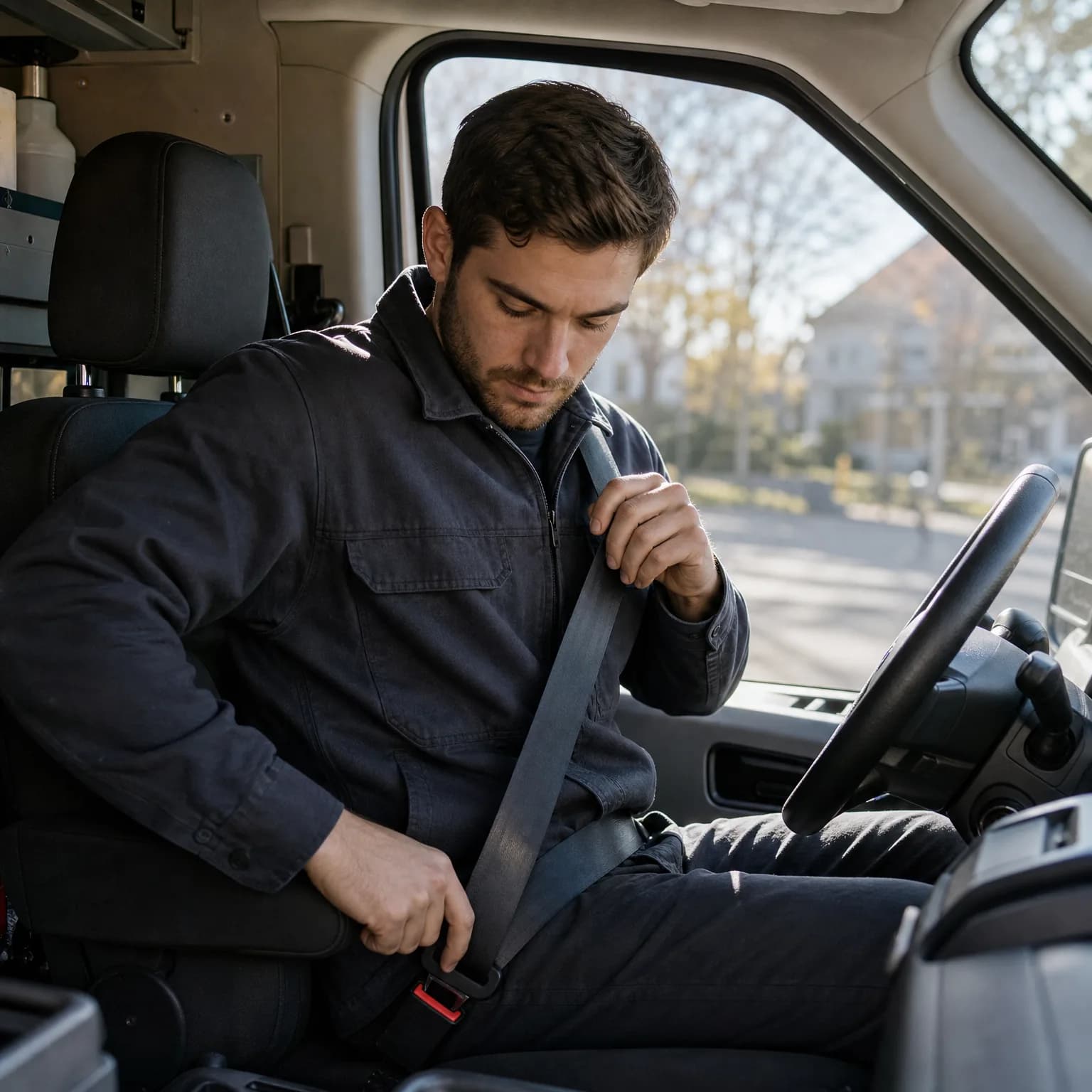
College students returning to campus in mid-August frequently assume they can drive once they receive the court document. Driving on a suspended license during the 10-15 day DMV processing window is a separate criminal offense. South Carolina law treats it identically to any other suspended-license violation: up to 30 days in jail, $300-$1,000 fine, and an automatic 6-month extension of your suspension.
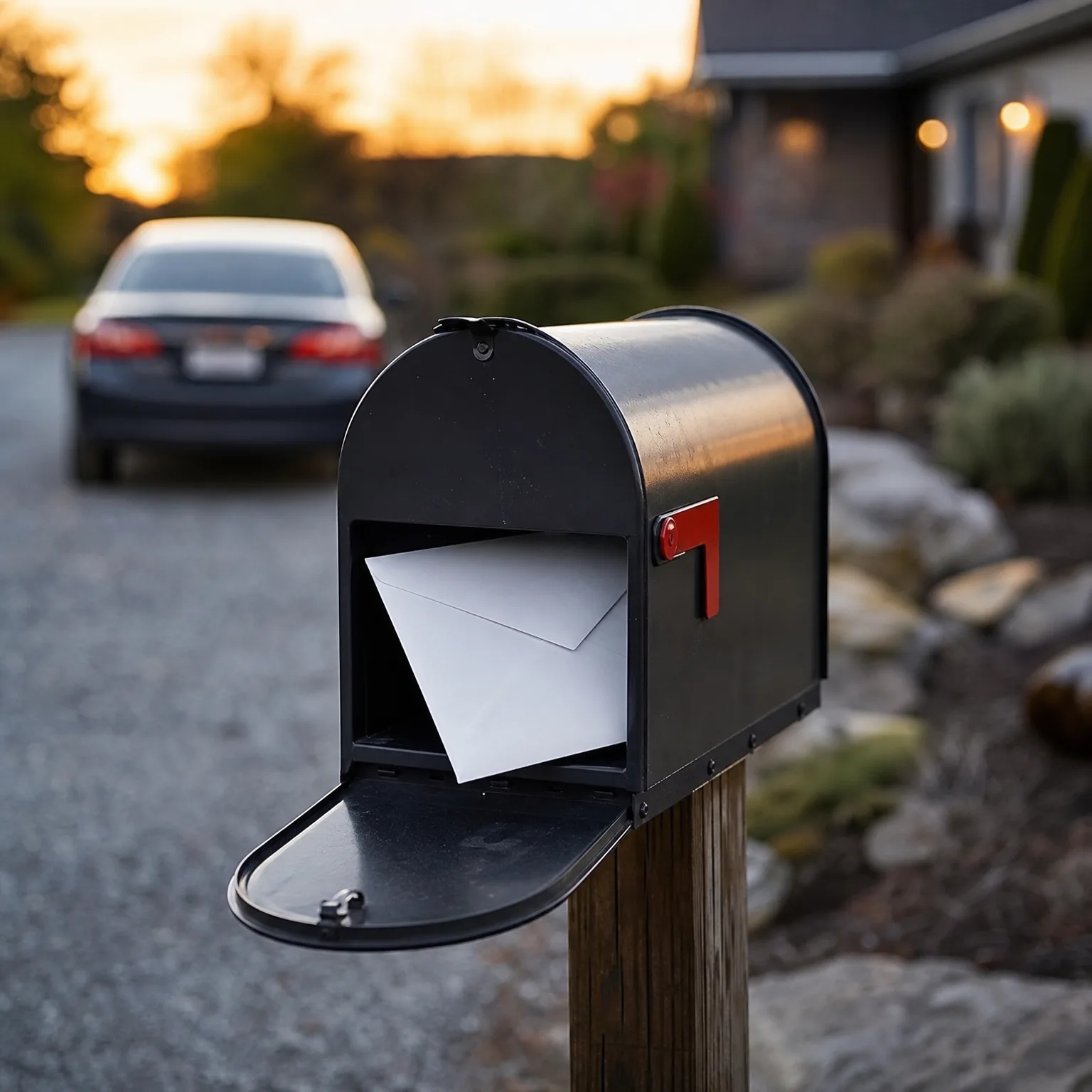
Verify reinstatement with SCDMV directly before driving. Call the Driver Records Section at 803-896-5000 or check your status online at scdmvonline.com. The court certificate arriving in your mailbox does not change your legal driving status.
How to Coordinate Court Clearance Timing with College Start Dates
If you need driving privileges by a specific college semester date, work backward 25-30 business days from that date. That calculation includes 5-7 days to schedule and attend your family court compliance hearing, 3-5 days for the court to issue and mail your certificate, 10-15 days for SCDMV to process it, and 2-3 days buffer for mail delays or documentation errors.
South Carolina family courts process child support compliance hearings on different schedules by county. Richland County family court schedules compliance hearings within 7-10 business days of filing. Greenville County typically requires 10-14 days. Charleston County can extend to 14-21 days during summer months. Call your county family court clerk before filing to confirm current scheduling timelines.
Payment plan approvals move faster than lump-sum arrears disputes. If you can document steady employment and propose a monthly payment amount that covers at least 50% of the current support order plus a portion toward arrears, most South Carolina judges approve plans at the first hearing. Disputing the arrears calculation or requesting a modification hearing extends the timeline by 30-60 days.

Line Up Coverage Before Your License Comes Back
Get Back on the RoadWhat Documents DMV Requires After Family Court Issues Your Compliance Certificate
SCDMV requires three items to reinstate your license after child support suspension: the family court compliance certificate, proof of current auto liability insurance, and the $100 reinstatement fee. The compliance certificate must be the original court-issued document or a certified copy—photocopies and court clerk printouts are not accepted.
South Carolina does not require SR-22 filing for child support suspensions. This suspension is purely administrative, not violation-based. Your insurance requirement is standard liability coverage meeting South Carolina's minimum limits: $25,000 bodily injury per person, $50,000 per accident, and $25,000 property damage. Most carriers issue proof-of-insurance cards immediately upon binding coverage.
The $100 reinstatement fee is paid at any SCDMV branch office or online at scdmvonline.com once your record shows clearance eligibility. The fee is non-refundable and must be paid before your driving privileges are restored, even if your physical license card has not yet expired.
How Insurance Requirements Change When You Enroll as a Full-Time Student Without a Vehicle
College students living on campus without a personal vehicle still need insurance to satisfy SCDMV's reinstatement requirement. Non-owner liability insurance provides the required coverage without insuring a specific vehicle. Premiums typically range from $25-$45 per month in South Carolina, significantly lower than standard auto policies.
Non-owner policies cover you when driving borrowed vehicles, rental cars, or employer-provided vehicles. Most South Carolina carriers—State Farm, GEICO, Progressive, Nationwide—offer non-owner policies, though not all quote them online. Call agents directly and specify that you need coverage to satisfy a license reinstatement requirement, not SR-22 filing.
If you are listed on a parent's policy as an excluded driver, you cannot use that policy to satisfy SCDMV's insurance requirement. South Carolina considers excluded drivers uninsured for reinstatement purposes. You need either your own policy or reinstatement as a covered driver on the parent policy.

What Happens If You Miss a Payment After Reinstatement
South Carolina monitors child support payment compliance continuously after reinstatement. If you miss a scheduled payment under your court-approved plan, the Department of Social Services notifies SCDMV within 30 days. Your license is automatically re-suspended without additional court hearing or advance notice.
The second suspension requires returning to family court to demonstrate payment compliance again. Most judges require proof of 60-90 consecutive days of on-time payments before issuing a new compliance certificate. This timeline extends significantly beyond the first reinstatement process because the court treats it as a plan violation, not initial non-compliance.
Set up automatic payments through your bank or the South Carolina Child Support Portal (scchildsupport.com) immediately after reinstatement. Most South Carolina family courts view automatic payment enrollment favorably and may approve faster reinstatement if a second suspension occurs due to employment loss or other documented hardship rather than missed manual payments.
Frequently Asked Questions
Can I drive to college with just the family court compliance certificate before DMV processes reinstatement?
No. The family court certificate does not grant driving privileges in South Carolina. You cannot legally drive until SCDMV posts clearance to your record and you pay the $100 reinstatement fee, which takes 10-15 business days after the court issues your certificate.
Does South Carolina require SR-22 filing to reinstate a license suspended for child support arrears?
No. Child support suspensions in South Carolina are administrative, not violation-based. You need standard liability insurance meeting state minimums—$25,000/$50,000/$25,000—but not SR-22 filing. SR-22 is required only for DUI, reckless driving, and certain repeat violations.
How long does a South Carolina family court take to issue a child support compliance certificate after I pay arrears?
South Carolina family courts typically issue compliance certificates within 3-5 business days after verifying payment or approving a payment plan. County processing times vary: Richland County averages 3-4 days, Greenville 5-7 days, Charleston up to 10 days during peak periods.
What happens to my license if I miss a child support payment after reinstatement in South Carolina?
South Carolina automatically re-suspends your license within 30 days of a missed payment under your court-approved plan. The Department of Social Services notifies SCDMV directly. You must return to family court and demonstrate 60-90 days of payment compliance to receive a new clearance certificate.
Can I get a hardship license in South Carolina while waiting for DMV to process my child support clearance?
No. South Carolina does not issue hardship or restricted licenses for child support suspensions. The only path to legal driving is full reinstatement after SCDMV receives your family court compliance certificate, verifies it, and posts clearance—typically 10-15 business days after court issuance.
Do I need a vehicle to get insurance for South Carolina license reinstatement after child support suspension?
No. Non-owner liability insurance satisfies South Carolina's reinstatement insurance requirement without insuring a specific vehicle. It costs $25-$45 per month and covers you when driving borrowed, rental, or employer vehicles. Most major carriers offer non-owner policies, though you may need to call an agent rather than quote online.
Related Articles
SC Child Support Suspension: Court-DMV Clearance Gap
5/3/2026

SC Child Support Suspension: Court vs DMV Timing Gap
5/3/2026
SC Child Support CDL Suspension: Court & DMV Timing
5/3/2026

SC Child Support Suspension Reinstatement Costs
5/3/2026

SC Child Support Reinstatement: SR-22 & Lapse Gaps
5/3/2026

SC Child Support Suspension: SR-22 & Reinstatement
5/3/2026