
Ohio Child Support Suspension: Court vs DMV Clearance Timing
Free to compare
Why Ohio's BMV Won't Reinstate Your License the Day Court Clears You
Ohio's Bureau of Motor Vehicles operates a separate administrative timeline from the court system that issued your child support suspension. When your county Child Support Enforcement Agency (CSEA) confirms you've satisfied arrears or enrolled in an approved payment plan, the court issues a clearance notice. That clearance must then transfer from the CSEA database to the Ohio BMV's records system before reinstatement processing begins.
The transfer happens through a batch data sync between state agencies, not real-time updates. Most county CSEAs submit clearance files to BMV once per week. BMV processes those files within 10 business days of receipt, then evaluates your reinstatement eligibility. Total elapsed time from court clearance to BMV processing: 30–45 days in most Ohio counties.
Rideshare drivers waiting to return to work assume court clearance means immediate driving privileges. It does not. You need separate confirmation from BMV that your suspension status has been updated before resuming any driving—personal or commercial. Driving during the clearance-to-reinstatement gap counts as driving under suspension, which triggers a new 30-day minimum suspension and a potential misdemeanor charge.
The Two-Step Clearance Process Ohio Requires
Step one occurs at the county CSEA office. You submit proof of full arrears payment, proof of enrollment in a court-approved payment plan, or documentation of a modified support order. The CSEA reviews your account, confirms compliance, and issues a written clearance notice. This notice releases the administrative hold that triggered your suspension.
Step two occurs at BMV. Once the clearance posts to their system, BMV evaluates whether you meet all other reinstatement conditions: payment of the $40 reinstatement fee, resolution of any overlapping suspensions (unpaid tickets, failure to appear, insurance lapses), and proof of current financial responsibility. Ohio does not require SR-22 filing for child support suspensions—but if you have an overlapping DUI or uninsured motorist suspension from a separate violation, SR-22 becomes mandatory for that suspension, not the child support hold.
Most reinstatement delays happen because drivers assume court clearance satisfies BMV requirements. It satisfies only one condition. If you owe unpaid speeding tickets from two years ago or your insurance lapsed during the suspension period, BMV will not process reinstatement until those issues are resolved separately.

How to Confirm Your Clearance Has Posted to BMV Records
Call the Ohio BMV Customer Service line at 844-644-6268 and request a suspension status check. Provide your driver's license number and date of birth. The representative will confirm whether the child support administrative hold remains active or has been released.
If the hold remains active 45 days after your CSEA issued clearance, contact your county CSEA directly and request confirmation that they submitted your clearance file to BMV. Processing delays occasionally occur when CSEAs code clearance notices incorrectly or submit them to the wrong state database. The CSEA can resubmit your clearance with expedited processing if the original file did not transfer.
You can also check your suspension status online through the Ohio BMV website by logging into your account and viewing your driver record abstract. The abstract displays all active suspensions, holds, and reinstatement conditions. If the child support hold appears as "active" but you have written clearance from the CSEA dated more than 45 days ago, bring both documents to a deputy registrar office in person. In-person visits sometimes trigger manual file reviews that resolve stalled clearances faster than phone or online inquiries.
Line Up Coverage Before Your License Comes Back
Get Back on the RoadWhat Rideshare Platforms Accept During the Clearance Window
Uber and Lyft require valid, unrestricted driver's licenses for all Ohio drivers. A court clearance notice without corresponding BMV reinstatement does not satisfy platform requirements. Your driver account will remain deactivated until BMV updates your license status to "valid" in their system.
Some drivers attempt to reactivate their accounts by uploading the CSEA clearance letter as proof of eligibility. Rideshare platforms verify license status directly through state DMV databases, not court documents. If Ohio's BMV database shows an active suspension—even after court clearance—the platform's background check vendor will flag your license as invalid and deny reactivation.
The only pathway to platform reactivation is full BMV reinstatement. Once BMV processes your clearance and you pay the $40 reinstatement fee, your license status updates in their database within 24–48 hours. Rideshare platforms typically sync with state databases weekly, so expect an additional 7–10 days after BMV reinstatement before your platform account reflects the updated status.
Insurance Requirements for Ohio Child Support Suspensions
Ohio does not require SR-22 filing to reinstate your license after a child support suspension. SR-22 is a certificate of financial responsibility mandated only for specific violations: DUI/OVI, uninsured motorist accidents, excessive points, and certain reckless driving convictions. Child support arrears suspensions are purely administrative and carry no SR-22 obligation.
You must, however, maintain continuous auto insurance coverage that meets Ohio's minimum liability requirements: $25,000 per person for bodily injury, $50,000 per accident for bodily injury, and $25,000 for property damage. If your insurance lapsed during the suspension period, BMV will not reinstate your license until you provide proof of current coverage. A standard insurance ID card satisfies this requirement.
Rideshare drivers need commercial rideshare endorsements or rideshare-specific policies to comply with Uber and Lyft insurance requirements. Personal auto policies exclude coverage during periods when the rideshare app is active. Confirm with your carrier that your policy includes rideshare coverage before resuming platform driving. Liability insurance premiums for rideshare drivers in Ohio typically range from $140–$220 per month, depending on your county, age, and driving history.
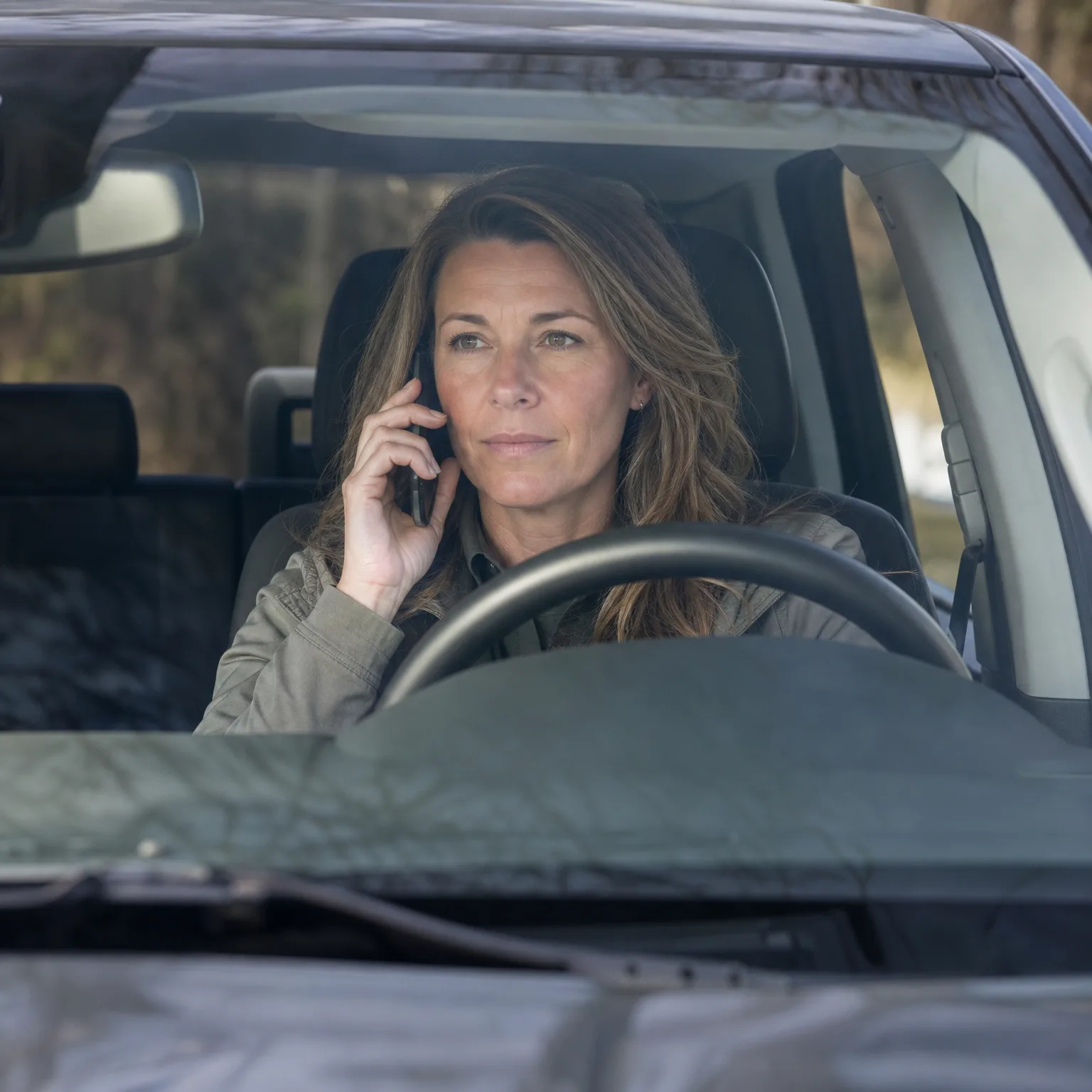
What Happens If You Drive Before BMV Processes Reinstatement
Driving between court clearance and BMV reinstatement counts as driving under suspension in Ohio. The charge is a first-degree misdemeanor carrying a minimum 30-day license suspension, up to 6 months in jail, and fines up to $1,000. If you are stopped during a rideshare trip, the violation escalates because you were operating a commercial vehicle under suspension.
Ohio courts do not recognize "good faith" compliance as a defense. The fact that you obtained court clearance and assumed reinstatement was automatic does not reduce the penalty. Your legal obligation is to confirm BMV has updated your license status before driving—not to rely on court timelines.
A second driving-under-suspension conviction within 5 years triggers a mandatory 1-year suspension and potential vehicle immobilization. For rideshare drivers, this means losing platform access for at least 12 months and accruing high-risk insurance premiums once eligible for reinstatement. The financial cost of waiting the 30–45 day clearance window is significantly lower than the cost of a second suspension.
Frequently Asked Questions
Does Ohio require SR-22 filing to reinstate my license after a child support suspension?
No. Ohio requires SR-22 filing only for DUI/OVI convictions, uninsured motorist violations, excessive points, and certain reckless driving offenses. Child support suspensions are administrative holds that do not trigger SR-22 requirements. You must maintain continuous liability insurance meeting Ohio's minimum coverage thresholds, but no SR-22 certificate is necessary unless you have a separate violation requiring it.
Can I get a hardship license in Ohio while my child support suspension is active?
No. Ohio does not issue occupational driving privileges (hardship licenses) for child support suspensions. Hardship licenses are available only for DUI/OVI suspensions, certain medical suspensions, and excessive point suspensions. The only pathway to legal driving after a child support suspension is full reinstatement after court clearance and BMV processing.
How long does Ohio BMV take to process child support clearance after the court releases me?
Typically 30–45 days. County Child Support Enforcement Agencies submit clearance files to BMV weekly, and BMV processes those files within 10 business days of receipt. If your clearance has not posted to BMV records 45 days after the court issued it, contact your county CSEA to confirm they submitted the file correctly.
What is the reinstatement fee for a child support suspension in Ohio?
Ohio charges a $40 reinstatement fee for child support suspensions. This fee is due at the time you apply for reinstatement at a deputy registrar office, after BMV confirms your clearance has posted and all other reinstatement conditions are satisfied.
Do I need to own a car to reinstate my Ohio license after a child support suspension?
No. Ohio requires proof of current liability insurance meeting state minimums, but you do not need to own a vehicle. If you plan to drive a borrowed vehicle or a rideshare platform vehicle, you can purchase a non-owner liability policy to satisfy BMV's financial responsibility requirement.
Will rideshare platforms reactivate my account immediately after BMV reinstates my license?
Not immediately. Uber and Lyft sync with state DMV databases weekly, so expect a 7–10 day delay after BMV reinstatement before your platform account reflects the updated license status. You can expedite the process by contacting platform support and uploading proof of reinstatement, but verification still depends on database sync timing.
What happens if I have an overlapping DUI suspension and a child support suspension in Ohio?
Both suspensions must be resolved separately. The child support suspension requires court clearance from your county CSEA and payment of the $40 reinstatement fee. The DUI suspension requires completion of your court-ordered alcohol treatment program, ignition interlock device installation if mandated, SR-22 filing for 3 years, and payment of DUI-specific reinstatement fees. BMV will not reinstate your license until all conditions for both suspensions are satisfied.
Related Articles
OH Child Support Reinstatement: Court vs BMV Timing
5/3/2026
OH Child Support Suspension: Court to DMV Timeline
5/3/2026
Ohio Unpaid Tickets: Court Clearance & BMV Timing
5/3/2026
Ohio CDL Child Support Reinstatement Timeline
5/3/2026
OH Child Support Suspension: Real Reinstatement Costs
5/3/2026
Ohio Child Support License Suspension Reinstatement
5/3/2026