
Ohio Child Support Suspension: Court Clearance to DMV Timeline
Free to compare
Why Your Court Clearance Doesn't Automatically Reinstate Your License
The court issues a release order the day you satisfy your child support arrears. That order clears the legal hold. But Ohio's Bureau of Motor Vehicles operates on a separate verification system: they wait for the Child Support Enforcement Agency (CSEA) to submit electronic confirmation that your obligation is current and your case meets reinstatement eligibility.
CSEA and the court don't share real-time databases. The court clerk processes your payment and closes the enforcement action on their docket. CSEA receives notice of that closure through county-level administrative channels, verifies your compliance independently, then transmits clearance to the BMV through Ohio's centralized reporting system. This is not instantaneous.
Most drivers leave the courthouse assuming their license will be reinstated within days. The BMV's system shows suspension status as active until CSEA's verification posts. If you walk into a deputy registrar office before that happens, you'll be turned away—even with a court-stamped release order in hand.
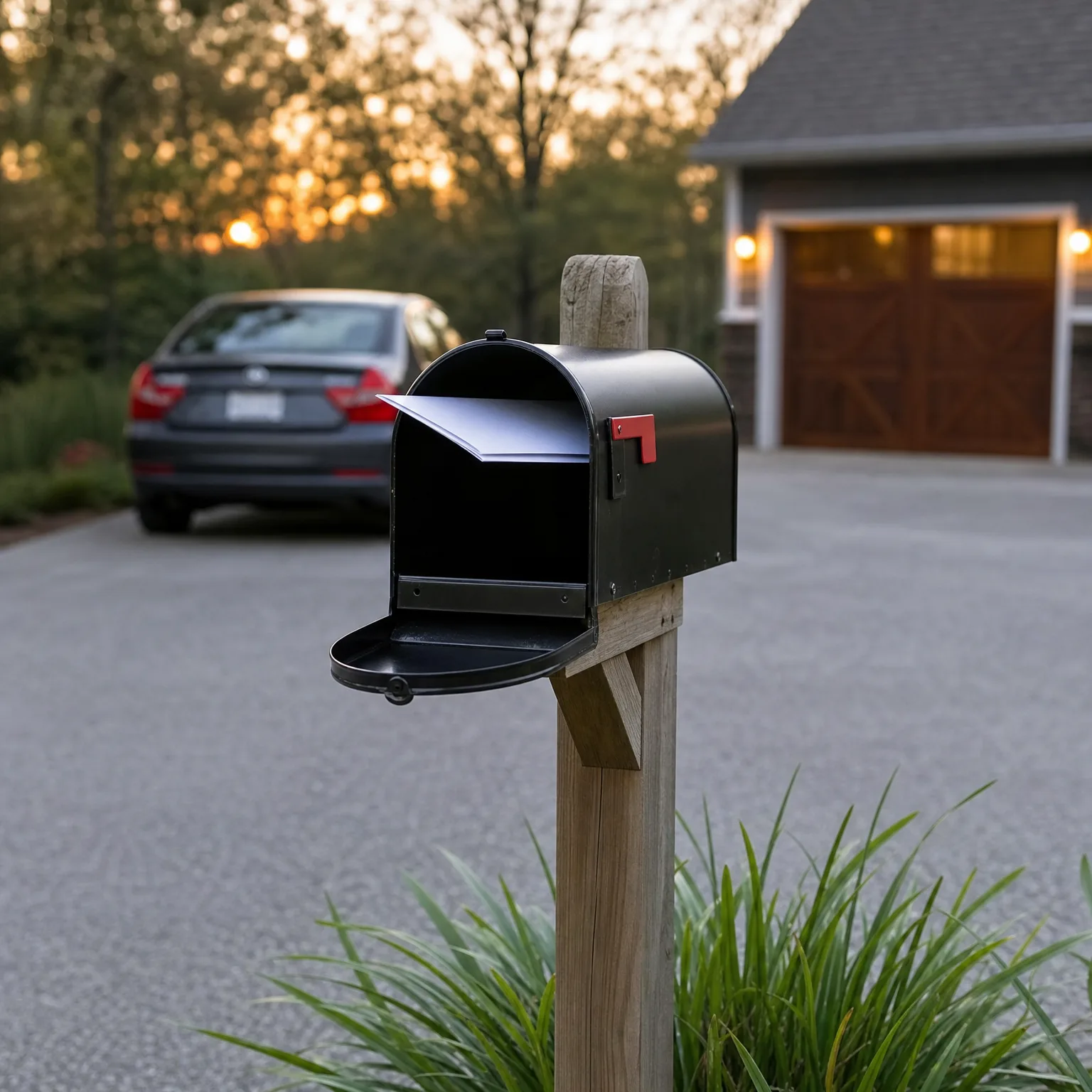
The 15–30 Day Verification Window CSEA Won't Tell You About
CSEA processing timelines vary by county caseload and staffing. Franklin County typically posts clearances within 10–15 business days of court release. Cuyahoga County runs closer to 20–25 business days during peak periods. Rural counties with smaller case volumes sometimes process faster, but lack of dedicated staff can create unpredictable delays.
The hold is administrative, not punitive—but the BMV has no discretion to override it. Ohio Revised Code § 3123.54 requires CSEA verification before reinstatement for any suspension triggered under the Title IV-D child support enforcement program. The statute does not specify a maximum verification period, and CSEA is not required to notify you when clearance posts.
Drivers who need their license immediately for work or school face a coordination problem: you can't force CSEA to expedite verification, and the BMV won't accept court documentation as a substitute. Calling CSEA directly sometimes surfaces your case status, but most county offices will only confirm that clearance is pending—they won't commit to a specific date.


What You Can Do While Waiting for CSEA Verification to Post
Obtain a certified copy of your court release order immediately after your hearing. This is not for BMV reinstatement—it's documentation for your employer, probation officer, or custody agreement compliance. The court clerk's office issues certified copies the same day for a small fee.
Call CSEA's enforcement division in your county and request case status confirmation. Ask specifically whether your clearance has been transmitted to the BMV yet. If not, ask when transmission is scheduled. Some counties will escalate cases where employment is at risk, but this is discretionary and not guaranteed.
Check your BMV driving record online through bmv.ohio.gov every 3–5 days after your court release date. The suspension indicator will disappear from your record once CSEA's clearance posts. When that happens, you can proceed to reinstatement the same day—no additional waiting period applies once both clearances are in the system.
Do not drive on a suspended license while waiting for verification to post. Ohio treats driving under suspension as a first-degree misdemeanor for child support cases, carrying up to 180 days in jail and a $1,000 fine under ORC § 4510.11. A new conviction while your original case is being cleared can trigger a separate suspension and restart your reinstatement timeline entirely.
Line Up Coverage Before Your License Comes Back
Get Back on the RoadCollege Students: Court Jurisdiction and Parent-Obligor Timing Issues
If you're a college student whose parent was the suspended driver and obligor, reinstatement timing depends on which court issued the original suspension order. Most Title IV-D child support cases are handled by the county court of common pleas in the custodial parent's county of residence. That court retains jurisdiction even if the obligor or child moves out of state for school.
The court clears the suspension once arrears are satisfied and the obligor demonstrates current compliance. But if the student is now 18 and enrolled full-time in an accredited college, Ohio law extends support obligations through age 19 or high school graduation, whichever comes later, under ORC § 3119.86. If the student is over 19, the support obligation typically terminates unless the divorce decree or court order specifies continued support through college completion.
Parents sometimes pay arrears to reinstate their license without realizing ongoing monthly support is still required. CSEA will clear the arrears-based suspension, but if the obligor falls behind on current support payments during the verification window, a new suspension can be triggered before the first one fully clears. Verify with CSEA that all current support is paid through the end of the current month before assuming reinstatement is final.
If the obligor lives in a different state now, Ohio CSEA coordinates with the other state's child support agency through the Uniform Interstate Family Support Act (UIFSA). Clearance still routes through Ohio's system because the suspension was issued here, but verification delays can stretch to 30–45 days when interstate coordination is required.

Reinstatement Fees and Insurance Requirements After Child Support Suspension
Ohio's base reinstatement fee is $40 for child support suspensions. This fee is paid at any deputy registrar office once CSEA verification posts to the BMV system. No appointment is required, but you must bring your driver's license or state ID, proof of current address, and payment.
Child support suspensions do not require SR-22 filing. This suspension type is administrative, not insurance-related or violation-based. If your insurance lapsed during the suspension period, you'll need to reinstate coverage before driving, but the BMV does not require proof of SR-22 for reinstatement in child support cases.
If you allowed your auto insurance to lapse while suspended, Ohio's Financial Responsibility Act may have triggered a separate suspension under ORC § 4509.101. That suspension is independent of the child support suspension and carries its own reinstatement fee and process. Check your BMV record carefully—if two suspensions appear, you must clear both before driving legally, and the lapse-related suspension may require SR-22 filing for 3 years post-reinstatement.
Drivers without a vehicle can satisfy insurance requirements for unrelated suspensions using a non-owner liability policy. This is not necessary for child support reinstatement alone, but if you're clearing multiple suspensions simultaneously, confirm with the BMV which insurance documentation is required before paying reinstatement fees.

Limited Driving Privileges Are Not Available for Child Support Suspensions
Ohio courts do not grant Limited Driving Privileges (LDP) for suspensions triggered under Title IV-D child support enforcement. ORC § 4510.021, which governs occupational driving privileges, excludes child support suspensions from eligibility.
The rationale is straightforward: child support suspensions are civil enforcement actions, not criminal or traffic-related penalties. The suspension lifts automatically once arrears are paid and CSEA verifies compliance. Courts have no statutory authority to issue driving privileges during the enforcement period because the remedy—paying arrears—is entirely within the obligor's control.
This creates a hardship for obligors who need to drive to work in order to earn the income necessary to pay arrears. Ohio law does not recognize this circularity as grounds for relief. Some obligors petition for modification of support orders or arrears payment plans to avoid suspension, but those petitions must be filed before suspension is imposed—courts rarely grant modifications retroactively once suspension is active.
If you lose your job due to license suspension before you can pay arrears, that does not qualify as a basis for lifting the suspension early. The enforcement mechanism is designed to compel payment, and courts interpret inability to pay as a reason to seek modification of the underlying support order, not as grounds for reinstating driving privileges ahead of compliance.
Frequently Asked Questions
How long after paying child support arrears can I drive in Ohio?
You can drive once both the court releases your case and CSEA transmits verification to the BMV, which typically takes 15–30 days after your court hearing. Check your BMV record online at bmv.ohio.gov—when the suspension indicator disappears, you can pay the $40 reinstatement fee and drive legally the same day.
Can I get a hardship license in Ohio while my child support suspension is active?
No. Ohio law does not permit Limited Driving Privileges for child support suspensions. ORC § 4510.021 excludes child support cases from occupational license eligibility because the suspension lifts automatically once arrears are paid and CSEA verifies compliance.
Does Ohio require SR-22 insurance after a child support suspension?
No. Child support suspensions do not require SR-22 filing. If your insurance lapsed during suspension and triggered a separate Financial Responsibility Act suspension, that second suspension may require SR-22 for 3 years, but child support reinstatement alone does not.
Will the Ohio BMV accept my court release order as proof for reinstatement?
No. The BMV waits for CSEA to transmit electronic verification that your arrears are satisfied and your case meets reinstatement criteria. Court release orders are not accepted as substitutes because CSEA verifies compliance independently before clearing your BMV record.
What happens if I fall behind on current child support while waiting for reinstatement?
CSEA can issue a new suspension if you fall behind on current monthly support payments, even if your arrears are cleared. Verify that all current support is paid through the end of the current month before assuming your reinstatement is final.
Can I speed up CSEA verification if I need my license for work?
Call your county CSEA enforcement division and request case status. Some counties will expedite clearance transmission for employment-related hardship, but this is discretionary and not guaranteed. Most counties process clearances in the order received.
If I moved out of state for college, which state handles my parent's child support suspension?
Ohio CSEA retains jurisdiction if the original suspension was issued here, even if the obligor or child now lives out of state. Clearance still routes through Ohio's system, but interstate coordination under UIFSA can extend verification delays to 30–45 days.
Related Articles

OH Child Support Reinstatement: Court vs BMV Timing
5/3/2026
Ohio Child Support Suspension: Court vs BMV Timing
5/3/2026
Ohio Child Support License Suspension Reinstatement
5/3/2026
Ohio Child Support Suspension Costs + SR-22 Rules
5/3/2026
Child Support License Suspension in Cincinnati: Reinstate
4/29/2026
License Suspended for Child Support in Cleveland OH
4/29/2026