
Kansas Child Support Arrears Suspension: Full Cost Stack
Free to compare
Why Kansas Separates Court Clearance from DMV Reinstatement
Kansas suspends licenses for child support arrears under administrative action by the Department for Children and Families (DCF), not criminal court order. That separation creates a documentation gap most drivers don't anticipate. You clear your arrears with the court or payment plan administrator, receive a clearance letter, and assume your license is automatically restored.
It isn't. DCF must receive the court clearance notice, verify payment plan compliance or arrears satisfaction, and then submit a separate release to the Kansas Department of Revenue Driver's License Bureau. That release is what actually lifts the suspension hold on your license. The court doesn't automatically notify DCF when you pay. You submit proof of clearance to DCF, DCF processes it (typically 10-15 business days), and only then does the DMV release hold lift.
Most Wichita and Overland Park drivers waste weeks trying to reinstate at the DMV counter before DCF has posted the release. The DMV sees an active hold and denies reinstatement. You pay the reinstatement fee anyway, assuming it will process once DCF clears you, but Kansas doesn't hold pending reinstatement applications. You'll pay the fee twice: once when you're denied, again when the hold actually lifts.
The Complete Cost Stack: Filing Fees and Reinstatement Charges
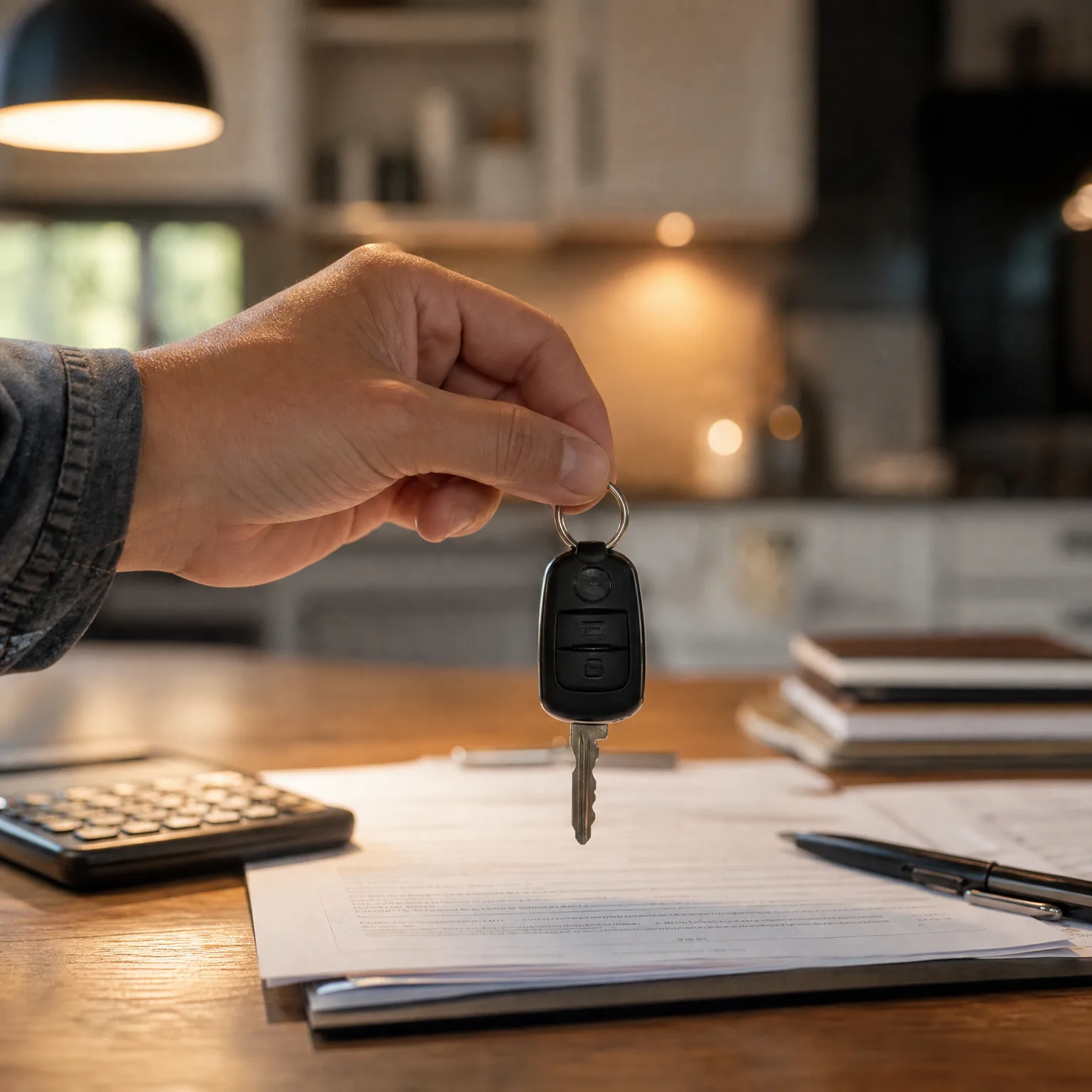
Kansas charges a $59 reinstatement fee for child support arrears suspensions. This is a flat administrative fee assessed by the Driver's License Bureau and does not vary by county or arrears amount. You pay it once when your license hold is released and you apply to reinstate.
If you attempt to reinstate before DCF submits the release to DMV, you pay the $59 and receive a denial. When you return after the release posts, you pay the $59 again. Kansas does not refund denied reinstatement fees. The only way to avoid double payment is to confirm with DCF that the release has been submitted to the Driver's License Bureau before you visit a DMV office or mail your reinstatement application.
There is no separate DCF processing fee for the clearance release. DCF's role is administrative coordination, not a fee-for-service function. If you are working with a family court mediator or payment plan administrator, verify whether they charge a separate clearance letter issuance fee (typically $25-$50 in Johnson and Sedgwick counties). That fee goes to the court or payment plan servicer, not to DCF or DMV.


Why SR-22 Is Not Required for Kansas Child Support Suspensions
SR-22 filing is required in Kansas only for suspensions triggered by violation-based events: DUI/DWI, uninsured driving citations, reckless driving convictions, accumulation of suspension-triggering points, or court-ordered filing after a serious moving violation. Child support arrears suspensions are administrative holds, not violation-based suspensions.
Kansas statute does not require proof of financial responsibility filing for administrative suspensions unless the suspension also involves an insurance lapse or uninsured driving citation. If your license was suspended solely for child support arrears, you do not need SR-22. You need active liability insurance that meets Kansas minimums ($25,000 bodily injury per person, $50,000 per accident, $25,000 property damage), but you do not need your carrier to file an SR-22 certificate with the state.
If your suspension involved multiple triggers — for example, child support arrears and an uninsured driving citation filed simultaneously — you will need SR-22. The uninsured citation triggers the SR-22 requirement independently. Verify your suspension notice letter from the Driver's License Bureau. If it lists only "failure to comply with child support obligations" or similar language, SR-22 is not required. If it references insurance lapse, uninsured operation, or financial responsibility violation, SR-22 is required and must remain on file for 1 year from the reinstatement date in Kansas.

Line Up Coverage Before Your License Comes Back
Get Back on the RoadHow College Student Status Affects Reinstatement Timing
Kansas does not grant automatic exemptions or extensions for child support arrears suspensions based on college enrollment. If you are a full-time student and your license was suspended for arrears, you follow the same reinstatement pathway as any other suspended driver: clear the arrears or establish a court-approved payment plan, obtain court clearance documentation, submit proof to DCF, wait for DCF to release the hold to DMV, and pay the reinstatement fee.
Some college students mistakenly believe enrollment in higher education qualifies them for hardship license eligibility during the suspension period. Kansas does not issue work permits or restricted driving privileges for child support suspensions. Hardship licenses in Kansas are available only for DUI-related suspensions and require ignition interlock device installation. Administrative suspensions for child support, unpaid fines, or failure to appear do not qualify.
If you need to drive to campus for classes or to a job that funds your payment plan, you cannot do so legally on a Kansas hardship license. Your only option is full reinstatement, which requires clearing the arrears hold first. If you are paying through a court-ordered payment plan and need to drive to maintain employment that funds that plan, petition the family court to modify your payment schedule or request expedited clearance documentation once you demonstrate consistent payment compliance. The court controls clearance timing, not DCF or DMV.
Coordinating DCF Release Submission with DMV Reinstatement
After you receive court clearance documentation, contact DCF's Child Support Services division directly to confirm receipt and ask when the release will be submitted to the Driver's License Bureau. DCF typically processes releases within 10-15 business days of receiving court clearance proof, but that timeline extends if your payment plan is still active and requires verification of ongoing compliance.
Do not schedule a DMV reinstatement appointment or mail your reinstatement application until DCF confirms the release has been submitted. Call the Driver's License Bureau customer service line at 785-296-3671 and ask whether a hold release from DCF has posted to your driving record. Provide your driver's license number and date of birth. If the hold is still active, wait. If you apply for reinstatement while the hold is active, you pay the $59 fee and receive a denial.
Once the hold is released, you can reinstate by mail or in person at any Kansas driver's license office. Bring proof of identity, proof of Kansas residency, and proof of active liability insurance (your insurance ID card or a declaration page from your carrier showing current coverage). If you are reinstating by mail, include copies of all three documents, a completed reinstatement application (Form DE-BT41), and a check or money order for $59 payable to the Kansas Department of Revenue. Mail to Driver Control Bureau, PO Box 2128, Topeka, KS 66601-2128. Processing takes approximately 2-3 weeks by mail.
What to Do About Insurance During the Suspension Period
Kansas does not require you to maintain insurance while your license is suspended for child support arrears, but letting your policy lapse creates a separate suspension trigger. If you cancel your insurance and the lapse is reported to the state, the Driver's License Bureau will add an insurance lapse suspension on top of your existing child support hold. You'll then owe reinstatement fees for both suspensions and will be required to file SR-22 for 1 year to clear the insurance lapse hold.
If you don't own a vehicle and don't plan to drive until reinstatement, consider a non-owner liability policy. Non-owner policies provide the state-minimum liability coverage Kansas requires without insuring a specific vehicle. Premiums are lower than standard auto policies (typically $30-$50 per month for clean-record drivers, higher if you have other violations on your record). The policy satisfies Kansas's insurance requirement and prevents a lapse suspension from complicating your child support reinstatement.
If you own a vehicle, keep your existing policy active even if you're not driving. Contact your carrier and ask whether they offer a suspended license discount or storage coverage rate. Some carriers reduce premiums for drivers who certify they are not operating the vehicle during the suspension period. You maintain continuous coverage, avoid a lapse suspension, and pay less than the standard rate while your license is suspended.
Frequently Asked Questions
Does Kansas require SR-22 for child support suspensions?
No. Kansas requires SR-22 only for violation-based suspensions like DUI, uninsured driving, or reckless driving. Child support arrears suspensions are administrative holds and do not trigger SR-22 filing requirements unless your suspension also involves an insurance lapse or uninsured citation.
How long does it take DCF to release a child support hold to the Kansas DMV?
DCF typically processes clearance releases within 10-15 business days after receiving court documentation. If you're on an active payment plan, DCF may take longer to verify ongoing compliance before submitting the release to the Driver's License Bureau.
Can I get a hardship license in Kansas while suspended for child support arrears?
No. Kansas issues restricted driving privileges only for DUI-related suspensions and requires ignition interlock device installation. Administrative suspensions for child support, unpaid fines, or failure to appear do not qualify for hardship licenses. You must clear the arrears hold and fully reinstate your license to drive legally.
What happens if I try to reinstate before DCF releases the hold?
You pay the $59 reinstatement fee and receive a denial. Kansas does not refund denied reinstatement fees or hold your application pending hold release. You'll pay the fee again when the hold lifts. Confirm with DCF that the release has been submitted to DMV before you apply for reinstatement.
Do I need insurance while my license is suspended in Kansas?
Kansas does not require active insurance during suspension, but letting your policy lapse creates a separate insurance lapse suspension. You'll then owe reinstatement fees for both suspensions and will be required to file SR-22 for 1 year. Keep a non-owner policy active if you don't own a vehicle, or maintain your existing policy to avoid a lapse hold.
Does being a college student affect Kansas child support suspension reinstatement?
No. Kansas does not grant exemptions or hardship licenses for child support suspensions based on college enrollment. You follow the same reinstatement process as any other driver: clear arrears or establish a payment plan, obtain court clearance, submit proof to DCF, and pay the $59 reinstatement fee once the hold is released.
Related Articles

Wichita Child Support License Suspension Reinstatement
4/29/2026
Kansas Child Support Suspension: Reinstatement Costs
5/3/2026

Kansas CDL Child Support Reinstatement Cost Guide
5/3/2026
Kansas Child Support Suspension: DMV Clearance Timing
5/3/2026
Kansas Child Support Suspension: SR-22 & Lapse Rules
5/3/2026

Kansas Child Support Suspension: Court vs DMV Timeline
5/3/2026