
Hawaii Child Support Suspension: Court and DMV Timing for Students
Free to compare
Why Hawaii's Child Support Reinstatement Requires Two Separate Clearances
Hawaii operates a dual-clearance system for child support suspensions that most college students navigate incorrectly. The Child Support Enforcement Agency (CSEA) reports your arrears balance to the family court, the court issues a suspension order to your county licensing division, and reinstatement requires proving compliance to both entities separately.
Paying your balance through CSEA does not automatically lift the suspension. The court must issue a Release of Suspension notice confirming your compliance, and you must submit that notice to your county DMV office along with proof of payment and the $30 reinstatement fee. Hawaii administers driver licensing at the county level—Honolulu City & County, Maui County, Hawaii County, and Kauai County each operate independent licensing divisions under state authority, which means no single statewide database automatically syncs clearance across systems.
College students often assume paying the balance online completes the process. It does not. Without the court-issued release submitted to your county office, your license remains suspended even after full payment, and no automated notification tells you when each step is complete.
Court Clearance Timing After Payment
Family courts in Hawaii typically issue Release of Suspension notices within 7-14 business days after CSEA confirms full payment or an approved payment plan is active. That timeline varies by county and current caseload—Honolulu processes higher volume and may take longer during peak filing periods.
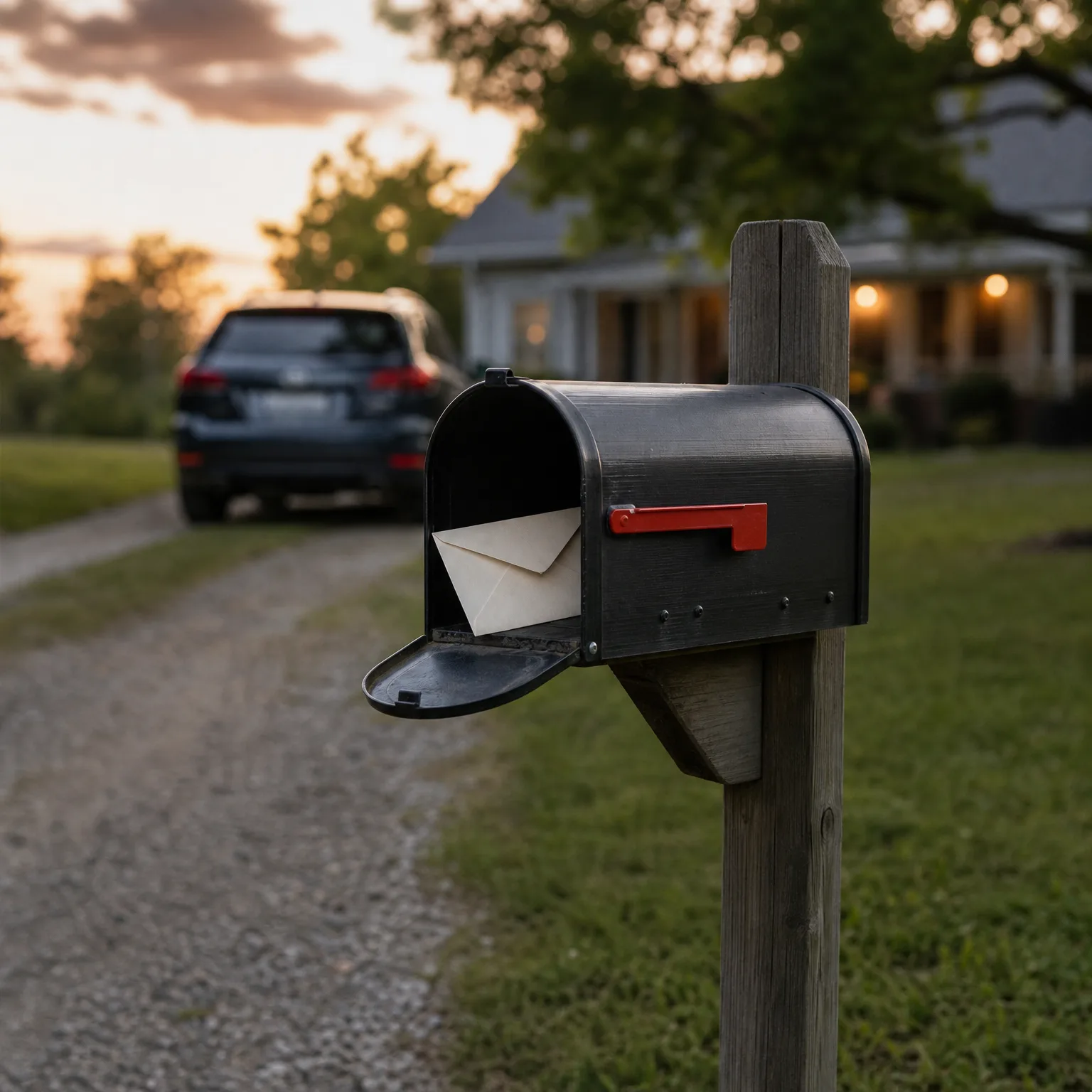
The court sends the release to the address on file with CSEA. If you moved for college and did not update your mailing address, you will not receive the document. Many students discover this gap only when they visit the DMV weeks later and are told no clearance is on file. You can request an expedited copy directly from the family court clerk if the standard mailing window has passed.
Once you have the court's release, you must take it to your county licensing office in person. Hawaii does not offer online reinstatement for child support suspensions because verification requires manual review of court documents.


County DMV Verification Process and Processing Days
Each county licensing division processes reinstatements independently. Honolulu City & County typically processes same-day if you arrive with complete documentation—court release, proof of payment from CSEA, valid identification, and the $30 fee. Neighbor island counties (Maui, Hawaii, Kauai) often process within 1-3 business days because staff manually verify court records against the state driver database.
The verification delay exists because Hawaii's court system and county licensing divisions do not share a unified electronic records platform. A clerk must confirm your Release of Suspension matches the suspension order on file, verify the payment amount against CSEA records, and manually update your driver record to reflect reinstatement eligibility.
If you submit incomplete documentation—missing the court release, missing the CSEA payment confirmation, or missing proof of current Hawaii auto insurance coverage—the clerk cannot process your reinstatement that day. You leave without a valid license and must return after obtaining the missing document. This is the most common failure point for college students, who often bring only the CSEA payment receipt without realizing the court release is a separate required document.

Line Up Coverage Before Your License Comes Back
Get Back on the RoadWhat College Students Miss About the Timeline
Most college students calculate reinstatement timing from the date they pay CSEA. That creates a false expectation. The actual timeline runs: payment processing (3-5 business days for CSEA to confirm receipt and update your account balance), court release issuance (7-14 business days after CSEA confirmation), mailing time for the release (5-10 business days to reach you), and county DMV processing (same-day to 3 business days depending on county).
Total elapsed time from payment to valid license: 15-32 business days in most cases. Students who need to drive for school, work, or medical appointments during that window often assume they can drive once payment clears. That assumption is wrong and creates a new violation—driving on a suspended license—which extends the suspension further and may trigger criminal penalties under Hawaii Revised Statutes Chapter 286.
If you are a full-time student living on a neighbor island and your permanent address is in Honolulu, you must coordinate mailing with school breaks or request an expedited release sent to your campus address. The court will not email or fax the release—it is a physical document with a raised seal required for DMV verification.
SR-22 Filing Is Not Required for Child Support Suspensions
Child support arrears suspensions do not require SR-22 filing in Hawaii. This is an administrative suspension triggered by non-payment reported to the court by CSEA, not a moving violation or insurance-related offense.
You do need proof of current liability insurance to reinstate. Hawaii requires minimum coverage of $20,000 per person and $40,000 per accident for bodily injury, plus $10,000 property damage, under the state's no-fault system (Hawaii Revised Statutes Chapter 431:10C). Your insurer can provide a standard proof-of-insurance card or letter—you do not need an SR-22 certificate unless a separate violation (DUI, uninsured driving, multiple at-fault accidents) also triggered that requirement.
If you do not currently own a vehicle but need to reinstate your license for identification or future driving, consider a non-owner liability policy. These policies satisfy Hawaii's insurance requirement without insuring a specific vehicle, and monthly premiums typically run $30-$60 for minimum coverage.

What to Bring to Your County Licensing Office
Arrive at your county DMV office with all required documents in hand. You need: the original court-issued Release of Suspension notice with raised seal, CSEA payment confirmation showing zero balance or active approved payment plan, proof of Hawaii auto insurance meeting state minimums, valid government-issued photo identification, and $30 cash or card for the reinstatement fee.
The clerk will photocopy the court release and payment confirmation, verify your insurance coverage is current and meets state requirements, confirm your identity matches the suspension record, process the $30 fee, and update your driver record to lift the suspension hold. If all documentation is complete, you leave with a valid license the same day in most counties.
If the clerk cannot verify your court release against the suspension order on file—because the document is illegible, the seal is missing, or the case number does not match—you must return to family court for a corrected release. This happens more often than students expect, particularly when documents are printed from online court portals rather than obtained directly from the clerk's office.
Frequently Asked Questions
Can I reinstate my Hawaii license online after paying child support arrears?
No. Hawaii requires in-person reinstatement at your county licensing office for child support suspensions. You must submit the original court Release of Suspension notice, CSEA payment confirmation, proof of insurance, and the $30 fee directly to a clerk for manual verification.
How long after I pay does CSEA notify the court in Hawaii?
CSEA typically updates your account balance and notifies the family court within 3-5 business days after confirming payment receipt. The court then issues a Release of Suspension within 7-14 business days, meaning total time from payment to court release is approximately 10-19 business days.
What happens if I drive in Hawaii while waiting for the court release?
Driving on a suspended license in Hawaii is a criminal offense under HRS Chapter 286, even if you have already paid your arrears. Your license remains legally suspended until the county DMV processes your reinstatement, which cannot occur without the court's Release of Suspension notice.
Do I need SR-22 insurance to reinstate after a child support suspension in Hawaii?
No. Child support suspensions do not require SR-22 filing. You need proof of standard Hawaii liability insurance meeting state minimums: $20,000 per person, $40,000 per accident bodily injury, and $10,000 property damage.
Can I get the court release sent to my college address instead of my permanent address?
Yes, but you must request this from the family court clerk when your case is processed. The court mails the Release of Suspension to the address CSEA has on file unless you submit a written request for an alternate mailing address with case number and current contact information.
Which county DMV office do I go to if I moved to another island for school?
You must reinstate at the county licensing office that matches your driver license address of record. If your license shows a Honolulu address, you reinstate at Honolulu City & County even if you currently live on Maui for school. You can update your address after reinstatement is complete.
Related Articles
Hawaii Child Support Reinstatement: Court & DMV Gaps
5/3/2026
Hawaii Child Support License Reinstatement Timeline
5/3/2026

Hawaii Child Support Suspension: DMV Clearance Timeline
5/3/2026
Hawaii Child Support Suspension Reinstatement Costs
5/3/2026
Hawaii CDL Reinstatement: Child Support Clearance
5/3/2026
Hawaii Unpaid Ticket Suspension: Court and DMV Steps
5/3/2026