
Hawaii Child Support SR-22 Timeline: Court Clearance vs Insurance Filing
Free to compare
Why Your Court Clearance Doesn't Automatically Reinstate Your License
Hawaii family court judges issue compliance orders releasing you from suspension, but those orders don't automatically reach the county DMV office that controls your license status. The Department of Child Support Services (DCSS) receives the court order, processes it internally, then submits clearance documentation to the Driver Licensing Division at your county of residence—Honolulu, Maui, Hawaii County, or Kauai. This coordination gap creates a 15–45 day delay between your court hearing and the moment DMV shows you as eligible for reinstatement.
SR-22 filing does not trigger reinstatement for child support suspensions in Hawaii. The suspension is administrative, not insurance-based, which means your carrier can file SR-22 immediately but your county licensing office won't process reinstatement paperwork until DCSS clearance posts to their system. Filing SR-22 early doesn't hurt you, but it won't accelerate your timeline—and many single parents waste weeks calling carriers when the actual delay is the family court-to-DCSS-to-DMV pipeline.
Hawaii does not operate a unified state DMV. Driver licensing is administered at the county level, which means reinstatement procedures, processing speed, and documentation requirements vary between Honolulu City and County, Maui County, Hawaii County, and Kauai County. You must contact or visit the licensing division office on your island of residence to verify whether DCSS clearance has posted to your driver record. The four counties do not share real-time data systems.
What Court Clearance Actually Requires and How Long It Takes
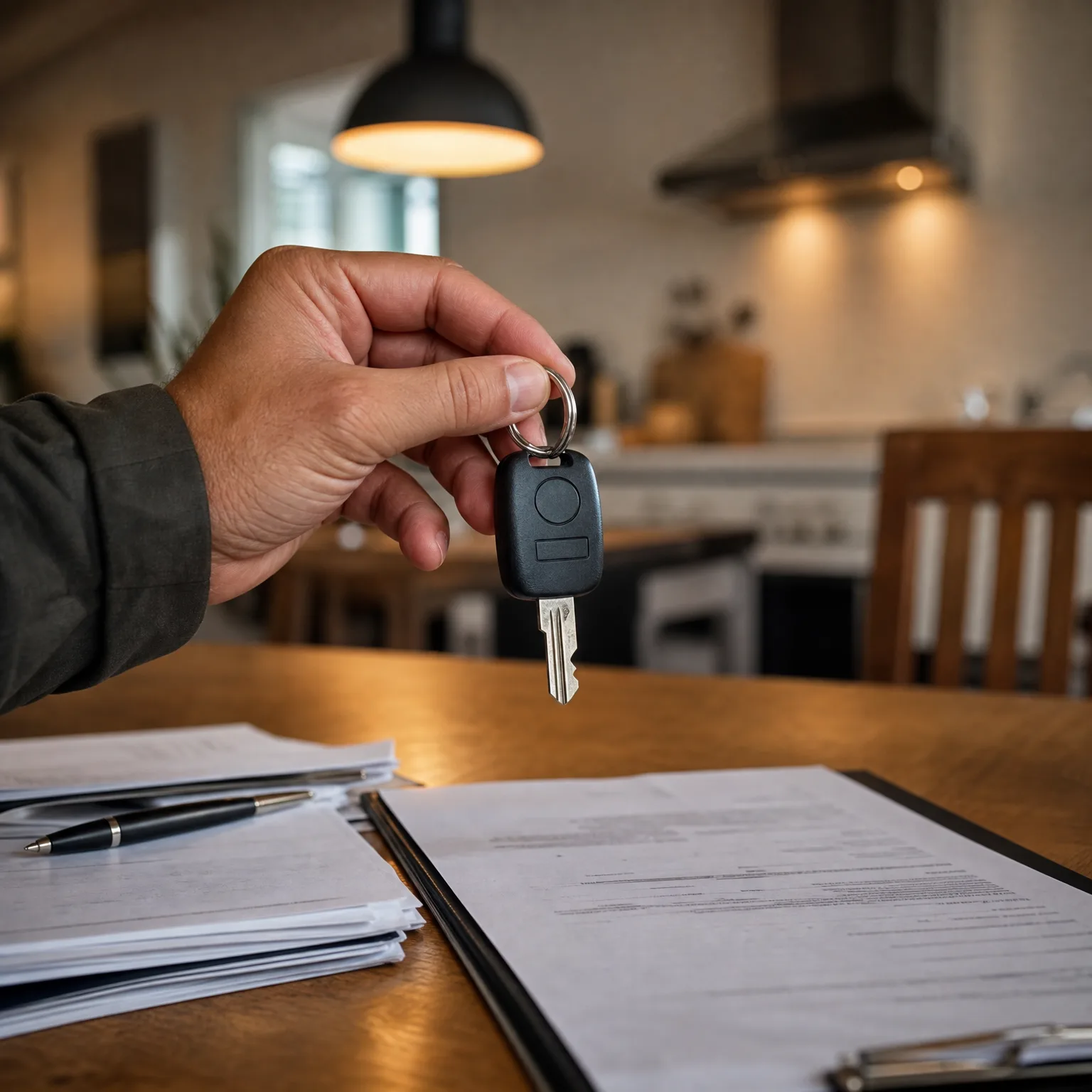
Hawaii family courts issue a compliance order or release letter when you satisfy your child support obligation—whether through full payment of arrears, establishment of a payment plan that DCSS approves, or documented good-faith compliance over a specified period. The judge's order directs DCSS to lift the suspension, but DCSS must verify your payment history and compliance status before submitting clearance to the county licensing office.
DCSS processing typically adds 7–21 days after the court hearing. If you paid arrears in full before the hearing, processing is faster. If you're on a payment plan, DCSS may wait until your first 2–3 payments clear before issuing clearance. If your case involves multiple counties or interstate child support enforcement coordination, processing extends to 30+ days. DCSS does not notify you when they submit clearance to DMV—you must check directly with your county licensing office.
The $30 base reinstatement fee cited in Hawaii's administrative fee structure applies once your county licensing office confirms DCSS clearance has posted to your driver record. You cannot pay the fee early to hold a place in line. County-level fee schedules may include additional processing fees or administrative charges depending on your island of residence—Honolulu County fee schedules are the most commonly referenced baseline, but verify current requirements with your county licensing division before arriving in person.

SR-22 Filing Timing and Why Most Single Parents File Too Early
Child support arrears suspensions in Hawaii do not require SR-22 filing for reinstatement. SR-22 is a financial responsibility filing required after DUI convictions, certain traffic violations, and uninsured driving citations—suspension triggers that involve insurance compliance failures. Child support suspensions are civil administrative actions enforced by DCSS, not insurance-based violations.
If you carry auto insurance and want to maintain coverage during your suspension period, your policy remains active and you do not need SR-22. If you let your policy lapse during suspension, you face standard insurance lapse penalties under Hawaii's Motor Vehicle Safety Responsibility Act (HRS Chapter 287), but those penalties are separate from your child support reinstatement pathway. Reinstating your license after child support suspension requires DCSS clearance and payment of the county reinstatement fee—nothing more.
Single parents who own a vehicle and plan to drive immediately after reinstatement should verify their current policy remains active or secure new coverage before visiting the county licensing office. Hawaii is a no-fault state under HRS §431:10C, which means proof of personal injury protection (PIP) coverage is required at the time of reinstatement. Non-owner policies do not satisfy Hawaii's PIP requirement because PIP covers injuries to you and your passengers regardless of fault—only applicable when you own or regularly drive a specific vehicle.
How to Verify DCSS Clearance Has Posted to Your County DMV Record
Hawaii's four county licensing divisions do not share a unified online portal for checking driver record status. You must contact the Driver Licensing Division office on your island of residence directly—City and County of Honolulu, Maui County, Hawaii County, or Kauai County—and request verification that DCSS clearance has posted to your file. Most county offices require you to provide your driver license number, full legal name, and date of birth to access your record.
Phone wait times at county licensing offices average 20–45 minutes during peak hours (weekday mornings). If you live on a neighbor island with limited county office hours, plan accordingly. In-person visits allow you to verify clearance status and complete reinstatement paperwork in a single trip, but arrive early—county offices on Maui, Hawaii County, and Kauai operate shorter hours than Honolulu and may close for lunch.
If DCSS clearance has not posted to your driver record 21 days after your family court hearing, contact DCSS directly at (808) 692-8265 (Oahu) or the neighbor island office serving your county. Ask for your case worker by name if you have that information from your court hearing. DCSS will not release clearance status details to third parties, including family members or attorneys, without your written authorization—bring government-issued ID if visiting in person.

Line Up Coverage Before Your License Comes Back
Get Back on the Road
Restricted License Eligibility During Child Support Suspension
Hawaii courts have discretion to issue a Restricted License (the state's term for hardship licenses) during a child support suspension if you can demonstrate essential need for work, medical appointments, school, or childcare responsibilities. The application path is court-based, not DMV-based—you must petition the family court judge handling your child support case, not the county licensing office.
Required documentation typically includes proof of employment (employer letter on company letterhead stating your work schedule and location), proof of vehicle ownership or regular access, SR-22 or proof of current insurance coverage, and a petition explaining why restricted driving privileges are necessary to maintain employment or comply with your child support payment plan. Some judges require documented evidence that public transit is unavailable or impractical for your specific route and work schedule.
Ignition interlock device installation is required if your child support suspension overlaps with a prior DUI-related suspension or if HRS §291E-41 applies to your driving record. The court will specify interlock requirements at the restricted license hearing if applicable. Restricted licenses granted during child support suspensions typically allow court-defined routes and hours—work, school, medical appointments, and essential travel only. Violating route or time restrictions triggers automatic revocation and extends your suspension period, with no second hardship hearing available in most cases.
What Happens If You Drive Before DCSS Clearance Posts
Driving on a suspended license in Hawaii is a petty misdemeanor under HRS §286-132, punishable by up to 30 days in jail, fines up to $1,000, and extension of your suspension period by an additional 30–90 days. If law enforcement stops you during your child support suspension and your county DMV record still shows active suspension status, you will be cited regardless of whether you've satisfied your arrears or attended a court hearing.
Carrying proof of your family court compliance order does not satisfy the suspended license statute. Your license must show as reinstated in the county licensing division's system before you legally drive. If you completed your court hearing yesterday but DCSS clearance has not posted to DMV today, you are still suspended in the eyes of law enforcement and the courts.
Insurance carriers in Hawaii electronically verify driver license status when issuing policies and at renewal. If you purchase coverage while your license shows suspended in the county system, your carrier may cancel your policy retroactively once they discover the discrepancy during their next verification cycle. This creates a coverage lapse, which triggers separate penalties under HRS Chapter 287 and complicates your reinstatement timeline further. Wait until DCSS clearance posts and your county licensing office confirms reinstatement eligibility before purchasing new coverage or filing SR-22 for unrelated violations.
County-Specific Processing Differences and Island Geography Impact
Honolulu City and County processes the highest volume of child support reinstatements and operates extended office hours at the main Kapalama facility. Processing times for DCSS clearance verification average 3–5 business days once clearance reaches the county system. Maui County and Hawaii County licensing offices operate shorter hours and close for lunch—DCSS clearance verification may take 7–10 business days due to staffing constraints.
Kauai County has the smallest licensing division and processes child support reinstatements on a case-by-case basis with no published processing timeline. If you live on Kauai, expect 10–14 business days between DCSS clearance submission and county DMV posting. The county office does not accept email inquiries about clearance status—phone or in-person contact only.
Island geography limits your reinstatement options to the county where you reside. You cannot reinstate your license on a different island even if you work there or have family there. If you moved to a new island during your suspension period, you must update your address with DCSS and the family court before clearance can route to the correct county licensing office. Address mismatches between court records, DCSS files, and county DMV records are the most common cause of clearance posting failures that extend suspensions by 30+ days.
Frequently Asked Questions
Do I need SR-22 insurance to reinstate my license after a child support suspension in Hawaii?
No. Child support suspensions in Hawaii are administrative actions that do not require SR-22 filing. You need DCSS clearance posted to your county DMV record and payment of the $30 base reinstatement fee. SR-22 is required only for DUI convictions, certain traffic violations, and uninsured driving citations—not civil child support enforcement.
How long does it take for family court clearance to reach my county DMV office in Hawaii?
DCSS typically processes family court compliance orders within 7–21 days, then submits clearance to your county licensing office. County posting adds another 3–14 days depending on your island—Honolulu averages 3–5 days, neighbor islands 7–14 days. Total timeline from court hearing to reinstatement eligibility: 15–45 days in most cases.
Can I get a hardship license in Hawaii while my child support suspension is active?
Yes, if the family court judge handling your child support case approves your petition. Hawaii's Restricted License program is court-administered for child support suspensions, not DMV-administered. You must demonstrate essential need for work, medical appointments, or school, provide proof of employment and insurance, and petition the judge directly.
What happens if I drive before DCSS clearance posts to my county DMV record?
You will be cited for driving on a suspended license under HRS §286-132, which carries up to 30 days in jail, fines up to $1,000, and extension of your suspension by 30–90 days. Carrying proof of your court compliance order does not matter—your license must show reinstated in the county system before you legally drive.
Do I need insurance during my child support suspension in Hawaii?
Not specifically to satisfy the child support suspension, but if you own a vehicle and plan to drive after reinstatement, you must show proof of PIP coverage at the county licensing office. Hawaii is a no-fault state requiring personal injury protection on all registered vehicles. If you let coverage lapse during suspension, standard insurance lapse penalties under HRS Chapter 287 apply separately from your reinstatement pathway.
Can I reinstate my license on a different island than where I live in Hawaii?
No. Driver licensing in Hawaii is county-administered—you must reinstate through the licensing office on your island of residence. If you moved to a new island during your suspension, update your address with DCSS and the family court immediately so clearance routes to the correct county office. Address mismatches delay reinstatement by 30+ days.
Related Articles
Hawaii Child Support Reinstatement: Court & DMV Gaps
5/3/2026
Hawaii Child Support CDL Suspension & Reinstatement
5/3/2026
Hawaii Child Support Suspension: Court & DMV Timing
5/3/2026
Hawaii CDL Reinstatement: Child Support Clearance
5/3/2026
Hawaii Warrant Suspension: SR-22 Filing Timing Guide
5/3/2026
Hawaii Child Support Suspension Reinstatement Costs
5/3/2026