
Wisconsin CDL Reinstatement After Insurance Lapse: Full Cost Stack
Free to compare
Wisconsin Charges Three Separate Fees for Insurance Lapse Reinstatement
Wisconsin assesses a $60 base reinstatement fee for insurance lapse suspensions under Wis. Stat. § 344.64, paid directly to WisDOT Division of Motor Vehicles. This fee applies whether you hold a Class D personal license or a commercial CDL. If you carry multiple concurrent suspensions, Wisconsin stacks a separate $60 fee for each underlying action, which means a CDL holder suspended for both insurance lapse and a moving violation pays $120 minimum before any SR-22 costs.
The SR-22 filing itself costs nothing as a state form, but carriers charge a one-time filing fee ranging from $25 to $75 depending on your underwriter and violation history. High-risk carriers serving suspended-license drivers typically charge $50-$75 for the initial SR-22 certificate of financial responsibility. This is a processing fee, not insurance premium.
Your actual insurance premium is the third cost layer. Non-owner SR-22 policies for suspended CDL holders in Wisconsin run $85-$140/month for minimum liability coverage during the 3-year filing period. If you own a personal vehicle or need to insure a commercial vehicle to maintain your livelihood during suspension, monthly costs rise to $180-$320 depending on vehicle type, your age, and whether the lapse was your first filing gap or part of a pattern. Estimates based on available industry data; individual rates vary by driving history, vehicle, coverage selections, and location.

SR-22 Filing Requirements Apply to Both Personal and Commercial Licenses
Wisconsin requires SR-22 filing for insurance lapse reinstatement regardless of license class. If your CDL was suspended due to uninsured operation, you need an SR-22 certificate filed with WisDOT before DMV will process reinstatement for either your Class D base license or your commercial driving privilege.
The confusion arises because Wisconsin separates personal license reinstatement from CDL privilege restoration procedurally. Your Class D license is reinstated through standard DMV processing once you pay the $60 fee and your carrier files SR-22. Your CDL driving privilege requires a separate application and sometimes additional documentation proving you meet Federal Motor Carrier Safety Administration medical certification requirements, even if the underlying suspension was state-level administrative action for insurance lapse.
Most commercial drivers file SR-22 under their personal vehicle policy or as a non-owner certificate, then assume CDL reinstatement happens automatically. It does not. You must separately request restoration of commercial driving privileges through WisDOT, and that office verifies SR-22 coverage is active before approving. Filing SR-22 under a commercial vehicle policy does satisfy both requirements simultaneously, but only if the policy explicitly names you as the driver and meets Wisconsin's minimum liability thresholds of 50/100/15 for personal injury and property damage.
If you filed SR-22 under a personal policy and later try to reinstate CDL privileges, Wisconsin accepts that filing as proof of financial responsibility, but you still complete the commercial license restoration application as a separate step. The SR-22 clock starts from the original filing date, not from when you complete the CDL-specific paperwork.

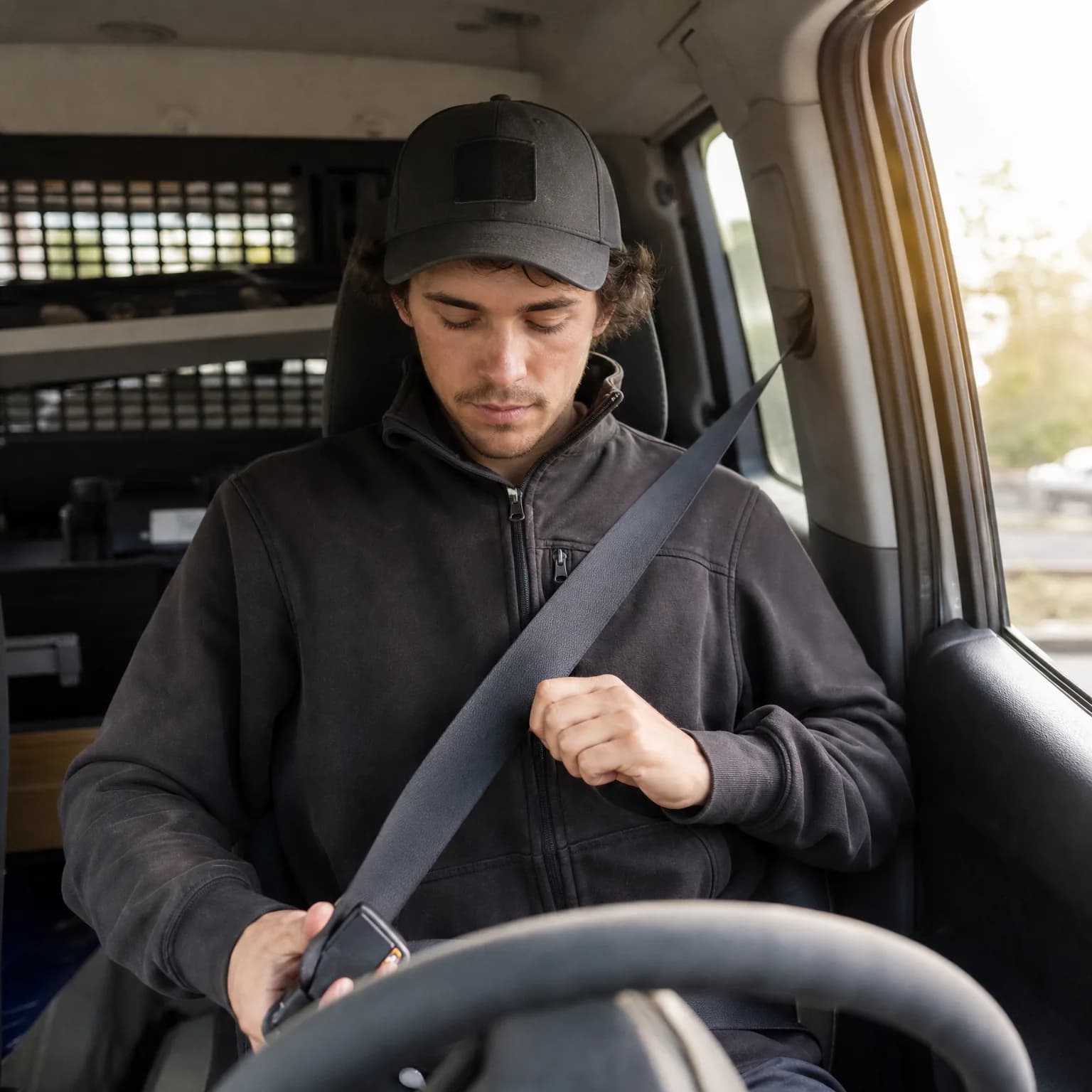
Occupational License Fees and Court Costs Add Another Layer
Wisconsin offers an Occupational License during suspension periods for eligible drivers, governed by Wis. Stat. § 343.10. If you need to drive commercially during your suspension, an OL is your only legal path. The court petition process costs $150-$250 in filing fees depending on county, plus attorney fees if you hire representation, which many commercial drivers do because judges deny OL petitions that lack precise route documentation or fail to demonstrate essential need.
SR-22 filing is mandatory for occupational license approval in Wisconsin, regardless of what triggered your suspension. You cannot petition for an OL until your carrier has filed SR-22 with WisDOT. The court will verify SR-22 status before issuing the occupational license order, and if your coverage lapses at any point during the OL period, the license is automatically revoked under Wis. Stat. § 343.10.
For CDL holders, the occupational license creates a procedural quirk most drivers miss. The OL permits you to drive for work, school, medical appointments, and other court-approved purposes, but it does not restore your commercial driving privilege. You hold an OL that allows personal driving for work commute or essential errands, but you cannot operate a commercial vehicle under that OL unless the court order explicitly includes commercial operation and you've completed the separate CDL restoration process with WisDOT. Most circuit courts in Wisconsin do not include commercial driving authorization in standard OL orders because federal CDL regulations impose stricter eligibility standards than state hardship license rules.
If you need to drive commercially during suspension, your petition must request commercial operation explicitly, your employer must submit an affidavit confirming your job requires CDL operation, and you must demonstrate current medical certification. Even then, judges frequently deny commercial OL requests for insurance lapse suspensions because the violation indicates financial instability, which courts view as ongoing risk.

Line Up Coverage Before Your License Comes Back
Get Back on the RoadThe Two-Step CDL Reinstatement Process Wisconsin Doesn't Advertise
Wisconsin processes CDL reinstatement as two separate actions. Step one: reinstate your Class D personal license by paying the $60 fee and maintaining SR-22 for the required period. Step two: apply for commercial driving privilege restoration through WisDOT's CDL unit, which verifies your personal license is valid, your SR-22 is active, and your medical certification is current.
The gap between these steps costs commercial drivers weeks of lost income. Your personal license may clear DMV reinstatement in 3-5 business days once payment and SR-22 post, but the CDL restoration application requires manual review. WisDOT's CDL unit processes these requests in 10-15 business days under normal volume, longer during peak periods. If your medical certification expired during suspension, you complete a new DOT physical exam and self-certification through the online portal before submitting the CDL restoration request, which adds another 5-7 days.
Most commercial drivers learn about the two-step process only after paying reinstatement fees and assuming they can return to work immediately. The personal license reinstatement confirmation from DMV does not authorize commercial operation. Your employer cannot legally dispatch you in a commercial vehicle until WisDOT's CDL unit issues clearance, and that clearance is a separate document mailed or available for download through your online MyDMV account.
If you are out-of-state when your Wisconsin license is suspended for insurance lapse, the reinstatement process remains the same. Wisconsin does not accept out-of-state SR-22 filings for Wisconsin suspensions. Your carrier must file SR-22 directly with Wisconsin DMV, and you pay Wisconsin's reinstatement fees even if you now hold a CDL issued by another state under the CDL transfer rules. Wisconsin reports the suspension to the national CDL database, which means your current state will disqualify your commercial driving privilege until Wisconsin clears the suspension record.
SR-22 Filing Period Runs Three Years from Reinstatement Date
Wisconsin requires SR-22 filing for 3 years following insurance lapse reinstatement, measured from the date your license is reinstated, not from the date of suspension or the date you first file SR-22. If you file SR-22 during suspension but delay paying reinstatement fees for two months, the 3-year clock starts when you complete reinstatement, not when SR-22 was filed.
The filing period resets completely if your SR-22 coverage lapses at any point during the 3 years. Wisconsin's electronic insurance verification system under Wis. Stat. § 344.62 receives real-time cancellation notices from carriers. If your policy cancels or you switch carriers without ensuring continuous SR-22 filing, WisDOT suspends your license again within 10-15 days of receiving the lapse notification, and you restart the entire reinstatement process—new $60 fee, new SR-22 filing, new 3-year requirement.
CDL holders face additional consequences for SR-22 lapses during the filing period. A second suspension for insurance lapse within 10 years triggers Federal Motor Carrier Safety Administration disqualification rules in addition to Wisconsin's state-level suspension. FMCSA disqualification periods are longer than state suspensions and apply to your CDL nationwide, not just in Wisconsin. One lapse costs you 3 years of SR-22 and higher premiums. A second lapse costs you your commercial driving career in most cases.
Carriers cannot backdate SR-22 filings. If your coverage lapses on the 15th and you realize it on the 20th, your new SR-22 filing date is the 20th or whenever your new policy becomes effective. The gap between cancellation and new filing counts as uninsured operation, and Wisconsin treats it as a separate violation even if you were not driving during that period.

What Suspended CDL Holders Should Do First
Contact a carrier licensed to file SR-22 in Wisconsin before paying reinstatement fees. You need active SR-22 on file with WisDOT before DMV will accept your reinstatement payment. Filing fees first without SR-22 in place does not start the process—it just means you've paid and are waiting.
If you do not currently own a vehicle, request a non-owner SR-22 policy. These policies cost $85-$140/month in Wisconsin and satisfy the state's financial responsibility requirement without insuring a specific vehicle. Non-owner SR-22 is the default option for most suspended CDL holders because it maintains compliance during the period you cannot drive commercially and costs significantly less than insuring a personal or commercial vehicle you are not legally allowed to operate.
Once your carrier confirms SR-22 is filed with WisDOT, pay the $60 reinstatement fee online through Wisconsin DMV's payment portal or in person at a DMV service center. Keep the payment confirmation receipt. Your personal license reinstatement processes within 3-5 business days once both SR-22 and payment clear.
After personal license reinstatement confirms, log in to your MyDMV account and submit the commercial driving privilege restoration request. Upload current medical certification if your DOT physical expired during suspension. WisDOT's CDL unit reviews these requests manually, so expect 10-15 business days before clearance. You cannot legally operate a commercial vehicle until this second clearance is issued, even if your personal license shows active status.
Frequently Asked Questions
Can I reinstate my CDL in Wisconsin without reinstating my personal license first?
No. Wisconsin requires your Class D personal license to be valid and in good standing before processing commercial driving privilege restoration. You must complete personal license reinstatement—pay the $60 fee and file SR-22—before WisDOT's CDL unit will accept your application for commercial driving clearance.
Does Wisconsin accept out-of-state SR-22 filings for CDL reinstatement?
No. If Wisconsin suspended your license for insurance lapse, your carrier must file SR-22 directly with Wisconsin DMV regardless of where you currently live or hold a CDL. Wisconsin does not accept SR-22 certificates filed with other states as proof of financial responsibility for Wisconsin suspensions.
How long does the CDL restoration process take after I pay reinstatement fees?
Personal license reinstatement processes in 3-5 business days once your SR-22 filing and $60 payment clear. Commercial driving privilege restoration takes an additional 10-15 business days after you submit the CDL-specific application through your MyDMV account. You cannot operate a commercial vehicle legally until both clearances are complete.
What happens if my SR-22 lapses during the 3-year filing period in Wisconsin?
Wisconsin suspends your license again within 10-15 days of receiving the lapse notification from your carrier. You pay a new $60 reinstatement fee, file new SR-22, and restart the full 3-year filing requirement from the new reinstatement date. For CDL holders, a second lapse may trigger federal disqualification.
Can I get an occupational license to drive commercially during my Wisconsin suspension?
Wisconsin courts can authorize commercial operation under an occupational license, but approval requires employer affidavit, current medical certification, and explicit petition language requesting commercial driving. Most judges deny commercial OL requests for insurance lapse suspensions because the violation indicates financial instability. Even with court approval, you still complete the separate CDL restoration process with WisDOT.
Do I need SR-22 for the entire 3 years even after my CDL is reinstated?
Yes. Wisconsin's 3-year SR-22 requirement starts from your reinstatement date and runs continuously regardless of license status. If your coverage lapses at any point during those 3 years, Wisconsin suspends your license again and resets the clock for another full 3-year period from the new reinstatement date.
How much does non-owner SR-22 insurance cost for CDL holders in Wisconsin?
$85-$140/month for minimum liability coverage during the 3-year filing period. Rates vary by your age, prior violation history, and whether this is your first insurance lapse or part of a pattern. Non-owner SR-22 is the most cost-effective option for suspended drivers who do not own a vehicle.
Related Articles

WI License Reinstatement After Lapse: Full Cost Stack
5/3/2026
WI Lapse Reinstatement Costs for Students: Full Stack
5/3/2026

Wisconsin CDL DUI Costs: Reinstatement + SR-22 Breakdown
5/3/2026
Wisconsin CDL Lapse Reinstatement: SR-22 Timing Guide
5/3/2026
WA CDL Lapse Suspension: Reinstatement Cost Breakdown
5/3/2026

Reinstate License After Insurance Lapse Milwaukee WI
4/29/2026