
Wisconsin License Reinstatement After Lapse: Full Cost Stack
Free to compare
What Triggers Wisconsin DMV to Suspend Your License After an Insurance Lapse
Wisconsin operates an electronic insurance verification system under Wis. Stat. § 344.62. When your carrier cancels or doesn't renew your policy, they report it electronically to WisDOT within days. The state doesn't send a warning letter or grace period—suspension processing starts immediately once the lapse notification hits the system.
Most Wisconsin drivers don't realize their registration and operating privilege suspend together under § 344.64. You lose both the legal ability to drive and the legal registration of your vehicle. Parking the car doesn't exempt you from the suspension.
Wisconsin law does not codify a formal consumer grace period between carrier cancellation and state suspension action. WisDOT processing timelines create a de facto delay of roughly 10-15 days, but this is administrative lag, not a protected window. If you let coverage lapse for even one day and your carrier reports it, you're suspended.

The Base $60 Reinstatement Fee—And Why It's Not the Full Cost
Wisconsin assesses a $60 base reinstatement fee after a lapse-related suspension. This is the minimum you will pay to WisDOT DMV to restore your operating privilege after proving continuous coverage.
If you have multiple concurrent suspensions or revocations active at the same time, Wisconsin assesses a separate $60 fee for each underlying action. A driver suspended for lapse plus unpaid tickets will owe $120 total—one $60 fee per suspension action. The state does not consolidate.
The $60 fee is what you pay the DMV after you've already secured SR-22 insurance, maintained it long enough to satisfy Wisconsin's requirements, and submitted proof of compliance. It's the final step, not the first cost.


SR-22 Filing Requirement and Carrier Markup Structure
Wisconsin requires SR-22 certificate of financial responsibility following a lapse-related suspension. The SR-22 is not optional—WisDOT will not process your reinstatement without it.
The SR-22 itself is a filing, not a type of insurance. Your carrier submits it electronically to the state on your behalf, certifying you carry at least Wisconsin's minimum liability limits: 25/50/10 ($25,000 bodily injury per person, $50,000 per accident, $10,000 property damage). Most carriers charge a one-time filing fee of $25-$50 to submit the SR-22 form.
The actual cost driver is the premium markup. Carriers classify drivers with lapse-triggered SR-22 requirements as high-risk, which raises your monthly premium significantly. Wisconsin SR-22 policies after a lapse typically cost $140-$240/month for minimum liability coverage, compared to $60-$90/month for clean-record drivers. The markup isn't a one-time charge—it compounds across the entire filing period.
Wisconsin typically requires SR-22 filing for 3 years following lapse-related reinstatement. The clock resets if your coverage lapses again during that period. A single missed payment that causes cancellation restarts the 3-year requirement from zero.
Total Cost Stack Over the 3-Year SR-22 Filing Period
Here's the realistic total for a single parent reinstating after a lapse in Wisconsin, assuming no additional violations and continuous coverage:
Year 1: $60 DMV reinstatement fee + $35 SR-22 filing fee + $1,680-$2,880 in premiums (at $140-$240/month) = $1,775-$2,975 total.
Year 2: $1,680-$2,880 in premiums. No additional state fees if coverage remains continuous.
Year 3: $1,680-$2,880 in premiums.
Three-year total: $5,135-$8,735. The $60 state fee represents roughly 1% of the actual financial burden. The carrier markup across 36 months is the dominant cost.
This assumes minimum liability coverage only. If you own a vehicle with a loan or lease, your lender will require comprehensive and collision coverage, which can push monthly premiums to $280-$400/month with SR-22 status—raising the three-year total to $10,000-$14,500.
Estimates based on available industry data; individual rates vary by driving history, vehicle, coverage selections, and location.

Line Up Coverage Before Your License Comes Back
Get Back on the Road
Non-Owner SR-22 Option If You Don't Currently Own a Vehicle
Many single parents lose their vehicle during suspension or can't afford to maintain it. Wisconsin allows you to satisfy the SR-22 requirement with a non-owner SR-22 policy.
Non-owner SR-22 policies provide liability coverage when you drive a vehicle you don't own—borrowed, rented, or employer-provided. They satisfy Wisconsin's proof-of-insurance requirement for reinstatement without requiring you to own or insure a specific vehicle.
Non-owner policies cost significantly less than standard SR-22 policies. Typical Wisconsin non-owner SR-22 rates run $50-$90/month for minimum liability limits. Over three years, total cost is approximately $1,800-$3,240 plus the $60 DMV fee—less than half the cost of a standard SR-22 policy if you're insuring a vehicle.
The non-owner policy must remain active for the full 3-year filing period. If you purchase a vehicle during that time, you'll need to convert to a standard policy and notify your carrier immediately so they can update the SR-22 filing with WisDOT.
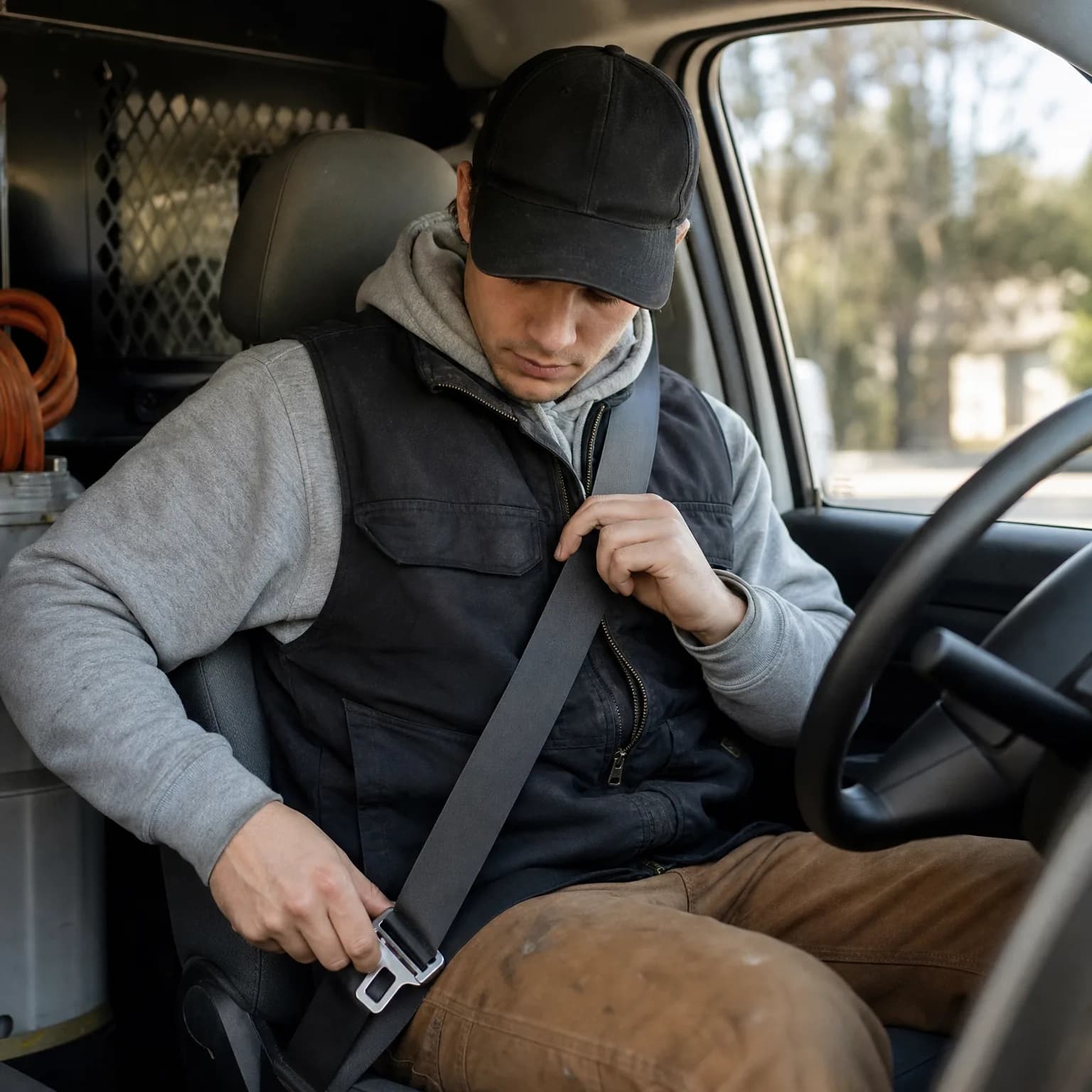
Timeline From Lapse to Full Reinstatement
Wisconsin does not allow backdating SR-22 filings. The 3-year clock starts the day your carrier submits the SR-22 to WisDOT electronically, not the day you purchase the policy or the day your suspension began.
Most carriers can issue and file SR-22 certificates within 24-48 hours of policy purchase. WisDOT processes the filing electronically and updates your record within 3-5 business days. Once the SR-22 posts to your record, you can pay the $60 reinstatement fee online or at a DMV service center.
If you have additional compliance requirements—unpaid fines, completed traffic school, proof of address update—those must clear before WisDOT will accept your reinstatement fee payment. Check your suspension notice or contact WisDOT Driver Records at 608-266-2353 to confirm all holds are resolved before purchasing SR-22 coverage.
Total timeline from policy purchase to reinstated license: 5-10 business days, assuming no additional holds. Delays occur when carriers don't file electronically or when the policy lapses before the SR-22 processes.
What Happens If You Miss a Payment During the 3-Year Filing Period
If your SR-22 policy cancels for non-payment at any point during the 3-year filing period, your carrier notifies WisDOT electronically within 10 days. Wisconsin suspends your license again immediately—no warning, no grace period.
The 3-year SR-22 clock resets to zero. A missed payment in month 30 of 36 restarts the entire requirement. You'll owe another $60 reinstatement fee, another SR-22 filing fee, and another three years of high-risk premiums starting from the new filing date.
Most carriers offer payment plans, autopay enrollment, and hardship extensions to prevent lapses. If you're facing a missed payment, contact your carrier before the cancellation processes. Many will work with you to avoid the reinstatement reset.
Frequently Asked Questions
Can I get my Wisconsin license back without SR-22 if I don't own a car?
No. Wisconsin requires SR-22 filing after a lapse-related suspension regardless of whether you own a vehicle. You can satisfy the requirement with a non-owner SR-22 policy, which costs $50-$90/month and provides liability coverage when you drive vehicles you don't own.
Does the 3-year SR-22 requirement start from the day my insurance lapsed or the day I reinstate?
The 3-year clock starts the day your carrier files the SR-22 certificate with WisDOT, not the lapse date or suspension date. Wisconsin does not allow backdating. If you wait six months to reinstate, you'll still owe three full years from the filing date.
What happens if I move out of Wisconsin during the SR-22 filing period?
You must maintain continuous SR-22 coverage for the full three years even if you move to another state. Contact your carrier before moving—they'll need to file SR-22 in your new state if that state also requires it, or cancel the Wisconsin filing and issue proof of coverage in the new state's format. Letting the Wisconsin SR-22 lapse triggers a new suspension.
Can I reduce the 3-year SR-22 requirement by completing a driver improvement course?
No. Wisconsin's SR-22 filing period after a lapse-related suspension is fixed at three years and cannot be shortened by completing traffic school, defensive driving courses, or other educational programs. The only way to end the requirement early is to maintain continuous coverage and wait out the full period.
Do I pay the $60 reinstatement fee before or after I get SR-22 insurance?
You purchase SR-22 insurance first, your carrier files it with WisDOT, and then you pay the $60 reinstatement fee after the filing posts to your driving record. Paying the fee before securing SR-22 will result in a rejected reinstatement application.
Will my Wisconsin SR-22 rates go down after the first year if I don't get any new violations?
Some carriers reduce SR-22 premiums slightly after 12-18 months of clean driving, but the high-risk classification remains in effect for the full three years. Expect to pay elevated rates throughout the filing period. Shopping carriers annually can sometimes yield better rates, but switching requires your new carrier to file an updated SR-22 with WisDOT before your old policy cancels.
Related Articles

WI Lapse Reinstatement Costs for Students: Full Stack
5/3/2026

Wisconsin Unpaid Ticket Suspension: Full Cost Breakdown
5/3/2026

Reinstate License After Lapse in Madison: SR-22 Guide
4/29/2026

WI CDL Reinstatement Cost After Insurance Lapse
5/3/2026
Wisconsin Insurance Lapse Reinstatement for Parents
5/3/2026

Reinstate License After Insurance Lapse Milwaukee WI
4/29/2026