
WA Rideshare Drivers: SR-22 Filing After Insurance Lapse
Free to compare
Why Washington's Electronic Insurance Verification System Treats Rideshare Policy Lapses Differently
Washington DOL's electronic insurance verification system (EIV) receives separate reporting streams for Transportation Network Company (TNC) endorsements and base personal auto policies. When your rideshare coverage lapses, the TNC endorsement cancellation triggers an immediate flag in the EIV system—often processing within 24-48 hours—while the base policy may show active for several more days if you maintained personal coverage without the commercial rider.
Most rideshare drivers in Seattle and Spokane discover the lapse when they receive a registration suspension notice, not a license suspension notice. Washington suspends vehicle registration first under RCW 46.30 for insurance lapses, which means your driving privileges remain technically valid but your vehicle cannot be legally operated. This creates confusion because drivers assume they need SR-22 to reinstate their license when the actual requirement is reinstating vehicle registration.
The lapse-to-suspension processing window varies because Washington does not codify a statutory grace period between carrier cancellation notification and state action. DOL acts on the electronic report from your carrier as soon as the system processes it. For rideshare policies, this happens faster than traditional personal auto because TNC endorsement cancellations are flagged as commercial coverage lapses, which receive expedited processing in the EIV system.
The SR-22 Filing Timing Problem Most Rideshare Drivers Hit
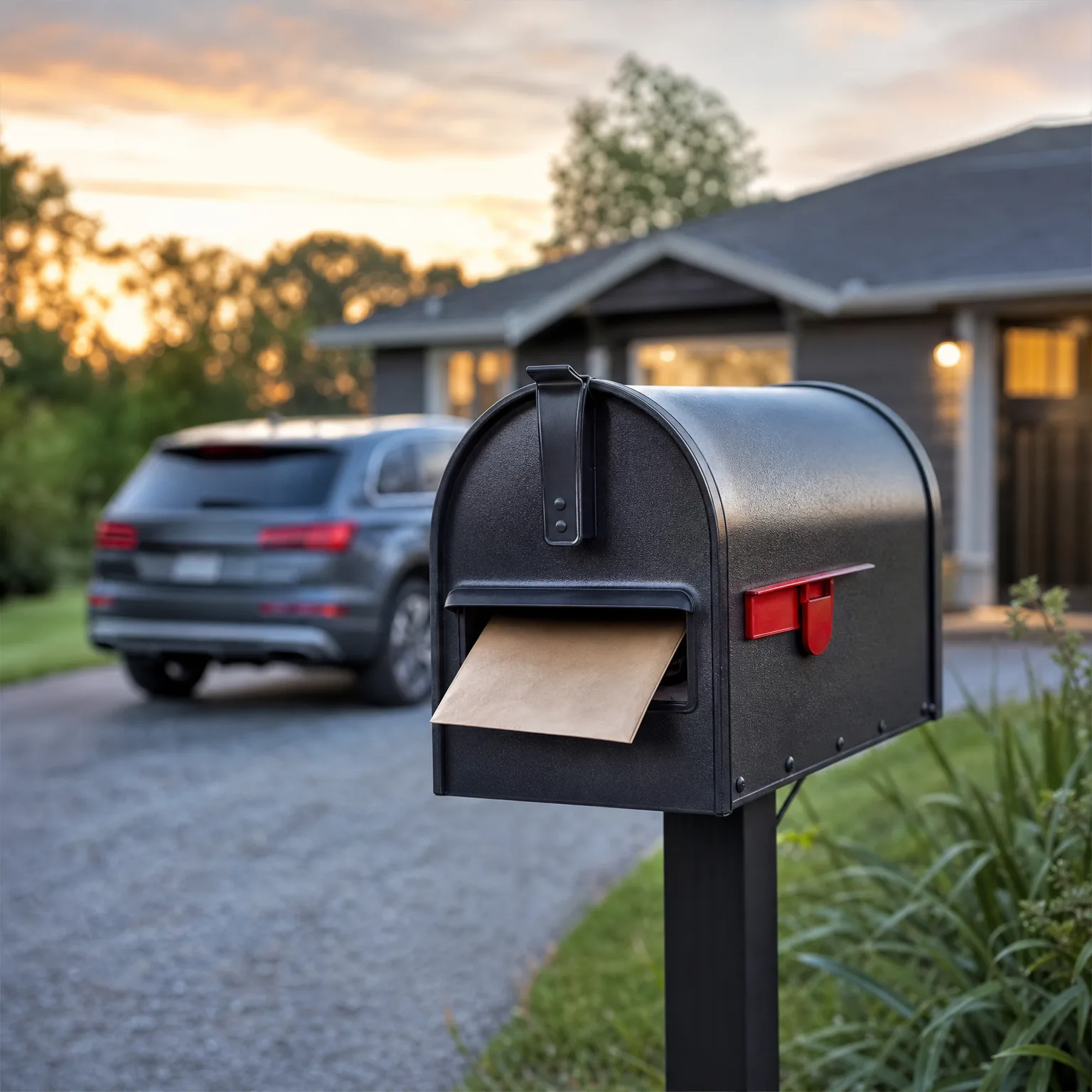
You cannot successfully file SR-22 in Washington until your registration suspension posts to your DOL driving record. Most drivers call an SR-22 carrier the same day they receive the suspension notice, the carrier files electronically within hours, but DOL rejects the filing because the suspension has not been entered into the system yet.
This creates a 7-14 day gap. Your suspension notice was mailed 3-5 business days after the EIV flag was generated. DOL processes the actual suspension entry 5-10 business days after the notice was mailed. If you file SR-22 during that window, DOL's system shows no active suspension requiring SR-22, so the filing is rejected as unnecessary. Your carrier may not notify you of the rejection for another 3-5 days, and by that point you have lost two weeks.
The correct sequence: receive your suspension notice, wait 10 business days, confirm the suspension posted by calling DOL at 360-902-3900, then file SR-22. The base reinstatement fee under RCW 46.20 is $75, but this stacks with any other cause-specific fees if you have overlapping suspensions. SR-22 must be maintained for 3 years from the date DOL accepts your filing, not from your lapse date.


How Lapse-Gap Documentation Works for Rideshare Coverage in Washington
If your rideshare policy lapsed because you switched carriers or endorsements, you need proof of continuous coverage to avoid the full suspension and reinstatement process. Washington DOL accepts lapse-gap documentation if the gap between your old policy's cancellation and your new policy's effective date is 30 days or fewer and you can prove the gap was administrative, not a coverage outage.
For rideshare drivers, this becomes complicated because TNC endorsements and base personal policies have different effective dates. Your base policy may have renewed on the 15th, but your rideshare endorsement renewed on the 1st. If the endorsement lapsed and you added it back 10 days later, DOL counts that as a 10-day gap even if your personal coverage never lapsed. The EIV system tracks the commercial endorsement separately.
To submit lapse-gap documentation, you need a letter from both carriers on company letterhead stating the exact cancellation date of the old policy and the exact effective date of the new policy, plus declarations pages showing continuous liability limits met or exceeded Washington's 25/50/10 minimums during the transition. Mail or upload these to DOL before the suspension effective date shown on your notice. If accepted, DOL will cancel the suspension and you will not need SR-22. If rejected or submitted late, you proceed to SR-22 filing and reinstatement.

Line Up Coverage Before Your License Comes Back
Get Back on the RoadWhat Happens If You Were Driving for Uber or Lyft During the Lapse
Washington does not distinguish between personal-use driving and rideshare platform driving when enforcing insurance lapse suspensions. If you were actively transporting passengers during the lapse period, you were driving uninsured under state law even if the TNC's contingent liability policy was theoretically available. RCW 46.72 requires TNC drivers to maintain personal auto coverage with a rideshare endorsement or a commercial policy at all times, and the platform's coverage does not satisfy this requirement.
If you were involved in an accident while driving for a rideshare platform during the lapse, DOL will not process your reinstatement until you satisfy any liability claims or post a bond under RCW 46.29. This is a separate financial responsibility suspension that runs parallel to the lapse suspension. You will need SR-22 for both, and the filing period is measured from the later of the two suspension clearances.
Most rideshare drivers in this situation discover the problem when they attempt to reinstate and DOL shows two active suspensions: one for the lapse, one for the uninsured accident. The reinstatement fee stacks. The SR-22 filing period restarts. If you were cited for driving uninsured under RCW 46.30.020, you face an additional $450 fine and a separate 90-day suspension that cannot be reduced by hardship license.

Can You Get an Ignition Interlock License (IIL) for a Lapse Suspension in Washington
No. Washington's Ignition Interlock License under RCW 46.20.385 is available only for DUI-related suspensions and some physical control revocations. Insurance lapse suspensions have no hardship license pathway in Washington. You must serve the full suspension period or successfully submit lapse-gap documentation to avoid the suspension entirely.
This is a critical difference between Washington and states like Texas or Illinois, where occupational or hardship licenses are available for a wide range of suspension causes. Washington eliminated traditional route-restricted or time-restricted hardship licenses and replaced them with the IIL system, which imposes ignition interlock device installation as the primary condition rather than route restrictions. Because lapse suspensions are not DUI-related, they are excluded from IIL eligibility.
If you are a rideshare driver and you need to drive for work during the suspension, your only legal options are to clear the suspension early through lapse-gap documentation or to wait until the suspension period ends, pay the reinstatement fee, file SR-22, and reinstate fully. Driving on a suspended registration under RCW 46.16A.030 is a misdemeanor and will extend your suspension further.

How to Find SR-22 Coverage That Includes Rideshare Endorsement
Not all carriers that file SR-22 in Washington offer TNC endorsements, and not all carriers that offer rideshare coverage will insure drivers with recent lapse suspensions. You need a carrier that does both. Start by confirming your current carrier will reinstate your rideshare endorsement after the suspension clears. Many will not, especially if the lapse exceeded 60 days.
If your current carrier will not reinstate the endorsement, contact non-standard carriers that specialize in high-risk and commercial-use auto. Progressive, Geico, and State Farm offer rideshare endorsements in Washington, but their willingness to write new policies for drivers with active or recent suspensions varies by underwriting guidelines and county. Expect higher premiums: rideshare endorsements typically add $15-$30/month to a standard policy, and SR-22 filing adds another $25-$50/month depending on carrier.
Your total cost for liability coverage with rideshare endorsement and SR-22 filing in Washington typically runs $140-$220/month for drivers with a lapse suspension on record, compared to $85-$120/month for clean-record rideshare drivers. Estimates based on available industry data; individual rates vary by driving history, vehicle, coverage selections, and location. If you do not currently own a vehicle, ask about non-owner SR-22 policies with rideshare endorsement—these exist but are rare and require calling specialized brokers rather than using online quote tools.
Frequently Asked Questions
Do I need SR-22 if my rideshare endorsement lapsed but my base policy stayed active?
Yes, if DOL suspended your registration due to the endorsement lapse. Washington's EIV system treats TNC endorsement cancellations as commercial coverage lapses and triggers the same suspension and SR-22 requirement as a full policy lapse. The fact that your personal auto policy remained active does not satisfy the TNC coverage requirement under RCW 46.72.
How long does it take for Washington DOL to process an SR-22 filing after a lapse suspension?
DOL processes SR-22 filings within 3-5 business days after the suspension posts to your driving record, but most rideshare drivers experience 7-14 day total delays because they file before the suspension is entered into the system. Wait 10 business days after receiving your suspension notice, confirm the suspension posted by calling DOL, then file SR-22 to avoid rejection and reprocessing.
Can I avoid SR-22 by submitting proof my new rideshare policy started right after the old one ended?
Yes, if the gap is 30 days or fewer and you submit lapse-gap documentation before the suspension effective date. You need letters from both carriers on company letterhead stating exact cancellation and effective dates, plus declarations pages proving continuous coverage. If DOL accepts the documentation, the suspension is canceled and you will not need SR-22.
What happens if I was driving for Lyft during the lapse and got into an accident?
You face two separate suspensions: one for the insurance lapse, one for the uninsured accident under RCW 46.29. DOL will not reinstate until you satisfy liability claims or post a bond. You will need SR-22 for both suspensions, the reinstatement fee stacks, and the SR-22 filing period is measured from whichever suspension clears last.
Is there a hardship license option in Washington for rideshare drivers with lapse suspensions?
No. Washington's Ignition Interlock License (IIL) under RCW 46.20.385 is available only for DUI-related suspensions. Insurance lapse suspensions have no hardship license pathway. You must either clear the suspension early through lapse-gap documentation or wait until the suspension period ends, then pay the reinstatement fee and file SR-22.
Will my rideshare platform deactivate me if I have an active lapse suspension in Washington?
Yes. Uber and Lyft run periodic background checks that include driving record reviews. An active registration suspension will trigger deactivation because you cannot legally operate the vehicle. Even after reinstatement, some drivers report platform re-activation delays of 7-14 days while the platforms verify your new insurance and SR-22 filing with Washington DOL.
How much does SR-22 insurance with a rideshare endorsement cost in Washington after a lapse suspension?
Typically $140-$220/month for drivers with a lapse suspension on record, compared to $85-$120/month for clean-record rideshare drivers. The rideshare endorsement adds $15-$30/month and SR-22 filing adds another $25-$50/month. Estimates based on available industry data; individual rates vary by carrier, vehicle, and county.
Related Articles

WA Insurance Lapse Reinstatement Cost for Rideshare
5/3/2026
Washington FTA Suspension for Rideshare Drivers
5/3/2026

WA Insurance Lapse Suspension: SR-22 Timing for Students
5/3/2026

WA Lapse Suspension Reinstatement: Single Parents
5/3/2026

WA Unpaid Tickets Reinstatement for Rideshare Drivers
5/3/2026
WA Rideshare Reinstatement: Court & DOL Timing Gaps
5/3/2026