Washington Failure-to-Appear Suspension for Rideshare Drivers
Free to compare
Why rideshare platforms detect your Washington FTA suspension before you do
Uber and Lyft run automated weekly driver eligibility checks against Washington DOL records. When a court reports a failure-to-appear warrant to DOL, your license status changes to suspended in the state database immediately. The platform's background check vendor catches the change within 3–7 days and flags your account for deactivation.
DOL mails physical suspension notices 10–15 business days after the court files the warrant. Most Seattle rideshare drivers receive a platform deactivation email before the DOL letter arrives, creating confusion about what triggered the suspension and whether it's permanent. The platform email references a license status issue but rarely specifies failure-to-appear as the cause.
This timing gap matters because you cannot appeal or dispute the suspension through the rideshare platform. The platform has no authority over license reinstatement. You must resolve the underlying court warrant and obtain DOL clearance before the platform will reactivate your account, regardless of how long you've driven or how high your rating is.
Does Washington require SR-22 filing for failure-to-appear warrant suspensions
No. Washington does not require SR-22 insurance filing for failure-to-appear suspensions. SR-22 requirements apply to DUI convictions, uninsured driving violations, at-fault accidents without insurance, and certain repeat moving violations under RCW 46.29. Failure-to-appear warrants are administrative court compliance issues, not insurance violations.
You still need active liability insurance to reinstate your license and reactivate your rideshare account. Washington requires minimum liability coverage of 25/50/10 (RCW 46.29.090): $25,000 bodily injury per person, $50,000 per accident, $10,000 property damage. Rideshare platforms require commercial rideshare endorsements or separate rideshare policies on top of this baseline, but those requirements are platform policies, not DOL reinstatement conditions.
If you let your personal auto insurance lapse during the suspension period, DOL will add a separate insurance lapse suspension on top of the failure-to-appear suspension. That second suspension does trigger SR-22 filing requirements and stacks a new reinstatement fee. Many suspended drivers cancel insurance to save money, not realizing Washington requires continuous coverage even when your license is suspended and you are not driving.

The two-step reinstatement sequence Washington rideshare drivers miss
Washington failure-to-appear reinstatements require coordinating two separate agencies in a specific order: court clearance first, then DOL reinstatement second. Filing them out of sequence adds 15–30 days to your timeline because DOL will not process reinstatement applications until court records show warrant resolution.
Step one happens at the court that issued the warrant, not DOL. You must appear in person or hire an attorney to appear on your behalf, pay all outstanding fines and court fees, and obtain a signed warrant quash order from the judge. The court clerk files the quash order with DOL electronically, but electronic filing does not guarantee same-day transmission. Court-to-DOL data transfers in King County typically post within 3–5 business days; rural counties can take 10–15 business days.
Step two begins only after the warrant quash posts to your DOL record. You submit a reinstatement application online or in person at a DOL licensing office, pay the $75 base reinstatement fee, and provide proof of current insurance meeting Washington's minimum liability requirements. DOL processes reinstatement applications within 5–10 business days if all documents are in order. Rideshare platform reactivation happens 24–72 hours after your DOL license status changes to valid, depending on when the platform's next automated eligibility check runs.
Why most Seattle drivers waste two weeks trying to reinstate at DOL first
DOL licensing offices cannot reinstate your license until the court warrant is quashed and the clearance posts to your driving record. Showing up at a DOL office with proof of insurance and reinstatement fee payment does not bypass the court step. The licensing clerk will tell you to resolve the warrant with the court first, then return to DOL after the clearance appears in the system.
Many drivers assume paying the reinstatement fee at DOL satisfies the warrant, or that DOL can coordinate with the court on their behalf. Neither is true. DOL is a separate agency with no authority over court warrants. The court clerk's office is typically located in the county courthouse, not a DOL office, and operates under different hours and payment systems.
This confusion costs rideshare drivers two unpaid weeks on average. You drive to a DOL office, wait in line, learn you need court clearance first, drive to the courthouse, discover you need to schedule a court appearance or pay outstanding fines online, wait 5–10 days for the quash order to post to DOL, then return to DOL for actual reinstatement. The entire process collapses to 7–10 days if you start at the court and wait for DOL posting confirmation before attempting reinstatement.

Line Up Coverage Before Your License Comes Back
Get Back on the Road
Can you use Washington's Ignition Interlock License to drive rideshare during suspension
No. Washington's Ignition Interlock License (IIL) under RCW 46.20.385 is available only for DUI-related suspensions, not failure-to-appear warrants. The IIL program requires installing a DOL-approved ignition interlock device in your vehicle and paying a $100 application fee, but failure-to-appear suspensions are not IIL-eligible triggers.
Washington does not offer a traditional hardship or occupational license for non-DUI suspensions. Points-based suspensions, unpaid fine suspensions, and failure-to-appear suspensions have no restricted driving pathway. You must serve the full suspension period or complete the reinstatement process to restore full driving privileges.
Rideshare platforms will not accept restricted licenses even in states where they exist. Platform insurance policies require drivers to hold unrestricted, valid licenses in good standing. An IIL-restricted license in a DUI case would trigger platform deactivation the same way a suspended license does. This rule applies universally across Uber, Lyft, and other gig-economy driving platforms.
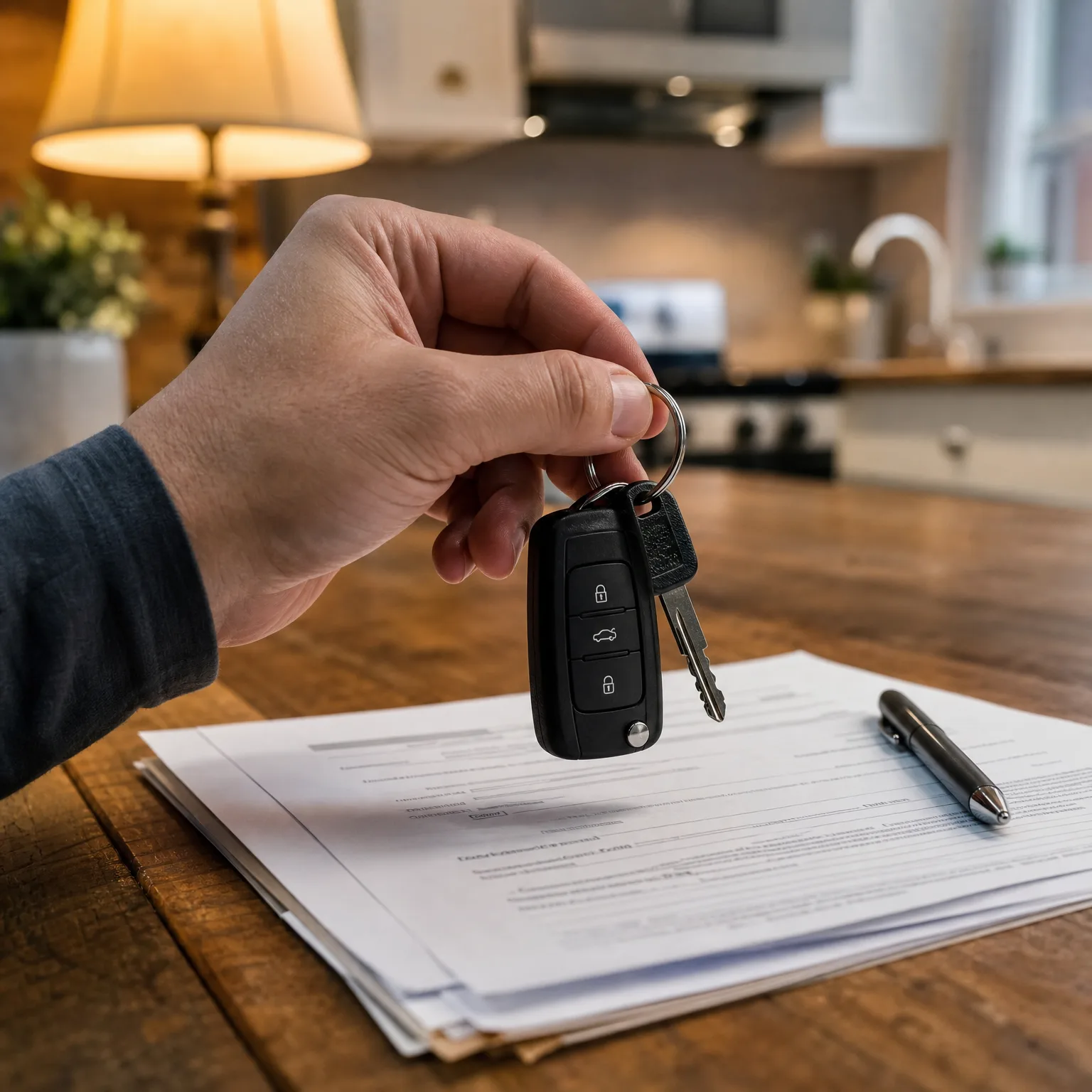
What happens if you drive rideshare on a suspended license in Washington
Driving on a suspended license in Washington is a misdemeanor criminal offense under RCW 46.20.342, punishable by up to 90 days in jail and a $1,000 fine for first-degree violations. Rideshare driving counts as operating a motor vehicle, and platform insurance does not cover you while your license is suspended. If you are involved in an accident during a rideshare trip on a suspended license, the platform's commercial policy will deny the claim, leaving you personally liable for all damages.
Rideshare platform deactivation happens automatically when your license status changes to suspended in DOL records. You cannot bypass this by continuing to accept ride requests. The platform's background check vendor flags suspended licenses within 3–7 days of the DOL status change, and the platform locks your account until reinstatement proof is uploaded.
Attempting to reactivate your account by submitting an expired or out-of-state license triggers permanent account termination in most cases. Uber and Lyft treat license fraud as a non-negotiable violation. Once your Washington license is reinstated, you must upload the new license document through the platform app and wait for manual review, which takes 24–72 hours. There is no expedited reinstatement process for high-volume drivers or those with strong ratings.
Insurance requirements for rideshare drivers reinstating after FTA suspension
Washington requires rideshare drivers to carry two layers of insurance: personal auto liability meeting state minimums, and either a rideshare endorsement on that policy or a separate commercial rideshare policy. The personal liability layer must meet the 25/50/10 minimums. The rideshare layer applies only when the app is on and you are either waiting for a ride request or actively transporting a passenger.
Your personal auto insurer does not automatically provide rideshare coverage. Most standard policies exclude commercial activity, including rideshare driving. You must either add a rideshare endorsement to your personal policy or purchase a standalone rideshare policy from a carrier that offers commercial rideshare products. State Farm, GEICO, Progressive, and Allstate offer rideshare endorsements in Washington; costs typically add $10–$25 per month to your base premium.
If you need non-owner insurance because you do not own a vehicle but plan to rent or use a friend's car for rideshare driving, you can purchase a non-owner liability policy meeting Washington's minimums. Non-owner policies do not include rideshare endorsements in most cases. You will need to confirm with the carrier whether the policy covers rideshare activity or whether you must rely on the platform's contingent liability coverage during Period 1 (app on, waiting for requests). Platform contingent coverage in Washington provides lower limits than most personal policies and leaves significant gaps.
Frequently Asked Questions
How long does it take to reinstate a Washington license after clearing a failure-to-appear warrant
Reinstatement takes 10–20 business days total after you clear the warrant in court. The court-to-DOL electronic clearance posting takes 3–10 business days depending on the county. Once the clearance appears in DOL records, reinstatement processing takes another 5–10 business days after you submit the application and $75 fee.
Will Uber or Lyft notify me before deactivating my account for a suspended license
Most drivers receive a deactivation email 3–7 days after the suspension appears in DOL records, but the platform does not send advance warnings before the status change. The background check vendor flags the suspension automatically, and the platform deactivates your account immediately. You cannot appeal the deactivation through the platform; you must reinstate your license with DOL first.
Can I reinstate my Washington license online after a failure-to-appear suspension
Yes, after the court warrant is quashed and the clearance posts to your DOL record. You submit the reinstatement application through the DOL website, upload proof of current insurance, and pay the $75 fee online. In-person reinstatement at a DOL licensing office is also available but offers no timeline advantage over online submission.
Do I need SR-22 insurance to reinstate after a Washington failure-to-appear suspension
No. SR-22 filing is not required for failure-to-appear suspensions in Washington. You need active liability insurance meeting state minimums (25/50/10), but the court and DOL do not require an SR-22 certificate. SR-22 requirements apply only to DUI convictions, uninsured driving violations, and certain repeat moving violations.
What happens if I let my car insurance lapse while my Washington license is suspended for FTA
DOL will add a separate insurance lapse suspension on top of the failure-to-appear suspension. The lapse suspension requires SR-22 filing for three years and adds another $75 reinstatement fee. Washington requires continuous insurance coverage even when your license is suspended and you are not driving.
Can I drive for DoorDash or Instacart in Washington while my license is suspended for failure to appear
DoorDash and Instacart require valid driver's licenses for delivery roles involving a car, and both platforms run background checks against DOL records. Your account will be deactivated when the suspension appears in state records. Bike or walking delivery roles may remain available depending on the platform and your metro area, but car-based delivery is prohibited during suspension.
Does paying the DOL reinstatement fee clear the failure-to-appear warrant in Washington
No. The DOL reinstatement fee is separate from the court warrant. You must resolve the warrant with the court that issued it by appearing in person or through an attorney, paying all fines and fees, and obtaining a signed quash order. Only after the court files the clearance with DOL can you pay the $75 reinstatement fee and restore your license.
Related Articles
WA FTA Suspension Reinstatement Costs for Rideshare Drivers
5/3/2026
WA Failure-to-Appear Warrant Clearance for Rideshare Drivers
5/3/2026

WA Rideshare DUI Reinstatement: SR-22 Filing Timing
5/3/2026
WA Child Support Suspension: Reinstatement for Rideshare
5/3/2026
WA Rideshare SR-22 After Insurance Lapse Suspension
5/3/2026

WA Unpaid Ticket Suspension: Rideshare Clearance Timing
5/3/2026