
Colorado Insurance Lapse Suspension: Court-to-DMV Timing for Parents
Free to compare
Why Colorado's Lapse Suspension Requires Two Separate Clearance Processes
Colorado suspends licenses for insurance lapses under C.R.S. 42-7-301, but when child support arrears trigger the lapse or prevent reinstatement, two state agencies operate independently. The family court handles child support compliance and issues a compliance release. The DMV Division of Motor Vehicles handles insurance verification and processes reinstatement. Neither automatically notifies the other when you clear your obligation.
Most single parents focus entirely on clearing the child support hold because that feels like the primary barrier. You work with the Family Support Registry, bring your account current or establish a payment plan, and receive a compliance letter from the court. That letter does not trigger DMV reinstatement. DMV still requires proof you maintained continuous liability coverage for 90 days following the lapse incident date, regardless of when you satisfied the child support obligation.
The timing mismatch creates the problem. If your insurance lapsed in March, your license suspended in April, and you cleared child support arrears in June, DMV still requires proof of coverage from March through early June — not just going forward. Filing SR-22 in June does not satisfy the 90-day requirement retroactively. You need proof your coverage was active during the period DMV flagged, which means most parents must either show they never actually lapsed or file SR-22 and wait an additional 90 days before DMV will process reinstatement.

What Court Clearance Actually Clears in Colorado
The compliance release from family court removes the hold preventing you from applying for reinstatement. It does not reinstate your license. Colorado courts issue this release when you satisfy one of three conditions: full payment of arrears, establishment of a court-approved payment plan with at least two consecutive on-time payments, or verification that the arrears balance was applied incorrectly and has been corrected.
Once the court issues the release, the clerk forwards it to the Family Support Registry, which updates the Colorado State Disbursement Unit database. That database update typically takes 5–10 business days. DMV does not monitor this database proactively. You must bring a certified copy of the compliance release to DMV when you apply for reinstatement, or DMV will reject your application even if the court processed your release weeks earlier.
The compliance release satisfies only the child support component of your suspension. If your license was suspended for insurance lapse first and child support arrears were added later as a secondary hold, the release removes the secondary hold but the primary lapse suspension remains active until you satisfy DMV's insurance verification requirements separately.


How DMV Verifies Insurance Reinstatement After a Lapse
Colorado DMV requires continuous liability coverage for 90 consecutive days following the date your insurance lapsed, verified either through carrier-submitted proof of coverage or SR-22 filing. If your carrier did not report the lapse to DMV — which happens when you restore coverage within the 15-day grace period some carriers offer — you can request a retroactive verification letter from your carrier and submit it to DMV along with your reinstatement application.
If your lapse was reported to DMV, you must file SR-22. Colorado accepts SR-22 from any licensed carrier authorized to write liability coverage in the state. The SR-22 filing itself does not count as day one of your 90-day requirement unless your coverage was already active on the date the SR-22 was filed. Most carriers backdate SR-22 coverage to the policy effective date, which can satisfy part of the 90-day window if you purchased coverage recently.
DMV will not process your reinstatement application until the 90-day requirement is satisfied and your SR-22 filing shows active status in their system. SR-22 filings from your carrier typically post to DMV within 3–5 business days, but system delays of 10–15 days are common during high-volume periods. Check your SR-22 status through your MyColorado DMV account before scheduling your reinstatement appointment to avoid wasted trips.

Line Up Coverage Before Your License Comes Back
Get Back on the RoadThe Timing Sequence Most Single Parents Miss
Here is the correct sequence for clearing both holds simultaneously. First, obtain continuous liability coverage meeting Colorado minimum limits: $25,000 bodily injury per person, $50,000 bodily injury per accident, $15,000 property damage per accident. Request SR-22 filing from your carrier on the same day your policy becomes active. Do not wait until you clear child support to file SR-22 — the 90-day clock runs independent of court compliance.
Second, while maintaining that coverage, work with Family Support Registry to clear your arrears or establish your payment plan. Request a certified compliance release from the court clerk once your account is current or your plan is approved. This step can run parallel to the 90-day SR-22 waiting period.
Third, once both requirements are satisfied — SR-22 on file for 90 consecutive days and court compliance release in hand — schedule your reinstatement appointment through DMV. Bring the certified court release, a government-issued ID, proof of your current insurance policy, and payment for the $95 reinstatement fee. If your suspension included a revocation component due to multiple lapses or prior violations, add $10 for the license reissue fee.
Most parents complete step two first because child support feels more urgent, then start step one only after receiving court clearance. This sequence adds 90 unnecessary days to your timeline. The SR-22 filing costs the same whether you start it today or three months from now, but starting it today shortens your total suspension period by the length of time it takes to clear child support.
What Happens If You Drive on a Compliance Release Before DMV Reinstatement
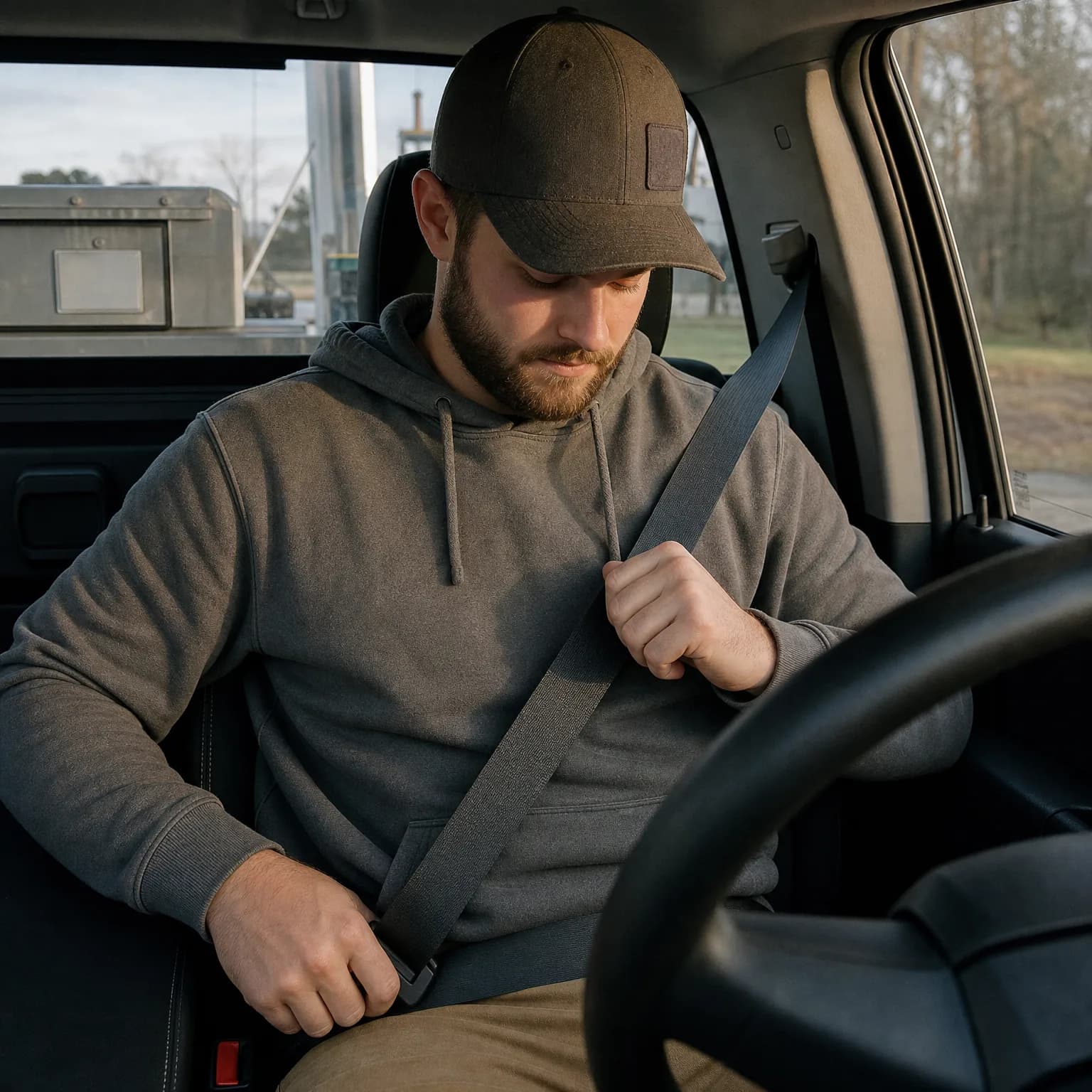
The court compliance release does not authorize you to drive. Your license remains suspended under state law until DMV processes your reinstatement application and issues a new license or reinstatement notice. Driving on a suspended license in Colorado is a class 2 misdemeanor under C.R.S. 42-2-138, carrying penalties of 10 days to 1 year in jail, $150 to $1,000 in fines, and an additional 1-year license suspension stacked on top of your existing suspension.
Many single parents assume the compliance release functions like a restricted or hardship license. Colorado does not issue hardship licenses for insurance lapse suspensions. The state offers probationary licenses only for alcohol-related and excessive points suspensions under specific eligibility conditions that do not apply to lapse cases.
If you need to drive for work, medical appointments, or childcare responsibilities before completing the 90-day SR-22 requirement, your only legal option is arranging alternative transportation or carpooling. Employers and childcare providers cannot legally authorize you to drive on a suspended license regardless of the circumstances that caused the suspension.

How to Find SR-22 Coverage as a Single Parent on a Tight Budget
SR-22 filing itself costs $15–$50 depending on your carrier. The coverage behind the SR-22 is where cost matters. If you do not currently own a vehicle, request a non-owner SR-22 policy. Non-owner policies provide liability coverage when you drive a vehicle you do not own — a friend's car, a rental, a carpool vehicle. These policies typically cost $25–$60 per month in Colorado, significantly less than standard owner policies.
If you own a vehicle but cannot afford full coverage, you need only liability coverage to satisfy Colorado's SR-22 requirement. Liability-only policies for drivers with a lapse suspension typically cost $90–$180 per month depending on your county, age, and prior coverage history. Denver, Aurora, and Colorado Springs zip codes run higher due to population density and claim frequency. Rural counties in eastern Colorado typically run 15–25 percent lower.
Request quotes from at least three carriers that specialize in high-risk and SR-22 filings. Not all carriers write SR-22 policies, and those that do price them differently. Progressive, The General, and Bristol West consistently write SR-22 coverage in Colorado at competitive rates for suspended license applicants. Avoid paying upfront for six months of coverage — most SR-22 carriers accept monthly payment plans, and locking in a six-month term before your reinstatement is processed creates cash flow risk if your application is delayed.
Frequently Asked Questions
Does clearing child support arrears automatically reinstate my Colorado license?
No. Court compliance releases remove the child support hold but do not reinstate your license. You must also satisfy DMV's insurance verification requirement: 90 consecutive days of SR-22 coverage following your lapse date, plus payment of the $95 reinstatement fee and submission of your certified court compliance release at a DMV office.
Can I start the 90-day SR-22 requirement before I clear my child support arrears?
Yes, and you should. The 90-day SR-22 waiting period runs independent of court compliance. Filing SR-22 today while you work on clearing arrears shortens your total suspension timeline by up to 90 days compared to waiting until after court clearance to start coverage.
How much does SR-22 insurance cost in Colorado for a single parent after a lapse suspension?
Non-owner SR-22 policies typically cost $25–$60 per month. Liability-only policies for vehicle owners typically cost $90–$180 per month depending on your county and driving history. The SR-22 filing fee itself is $15–$50, charged once when your carrier submits the form to DMV.
Will DMV notify me when my 90-day SR-22 period is complete?
No. DMV does not send proactive notices when your SR-22 waiting period ends. You must track the 90-day period yourself and schedule your reinstatement appointment after it expires. Check your SR-22 status through your MyColorado DMV online account or call DMV directly at 303-205-5600 to confirm your filing shows continuous coverage before scheduling your appointment.
What happens if my SR-22 coverage lapses during the 90-day waiting period?
Your carrier will notify DMV immediately, your 90-day clock resets to day zero, and DMV may issue an additional suspension for the new lapse. You must file a new SR-22 and maintain continuous coverage for another full 90 days before you qualify for reinstatement.
Can I get a hardship license in Colorado while waiting for my lapse suspension reinstatement?
No. Colorado does not issue hardship or restricted licenses for insurance lapse suspensions. Probationary licenses are available only for alcohol-related suspensions and excessive points suspensions under specific eligibility criteria that do not apply to lapse cases.
Related Articles

CO Child Support Reinstatement: Court vs DMV Timing
5/3/2026

CO Lapse Suspension: Court vs DMV Timing for Students
5/3/2026

CO Child Support Suspension: Court vs DMV Clearance
5/3/2026
CO Child Support CDL Reinstatement: SR-22 & Gap Docs
5/3/2026

Colorado Lapse SR-22 Filing for Single Parents
5/3/2026

Colorado DUI Reinstatement for Single Parents: SR-22 Guide
5/3/2026