SC Rideshare Drivers: SR-22 Filing After Failure-to-Appear
Free to compare
Why Your Rideshare Account Is Still Suspended After Warrant Clearance
You paid your court fines, the judge cleared your failure-to-appear warrant, and you walked out with paperwork showing the case closed. Your Uber or Lyft account is still locked because South Carolina courts do not automatically notify SCDMV when warrants are cleared. The court sends electronic clearance notifications to SCDMV, but that process takes 7-14 business days in most counties, and rideshare platforms won't reactivate your account until SCDMV's public record shows your license as valid.
Most drivers make the mistake of filing SR-22 insurance immediately after leaving court. Filing before SCDMV receives court clearance triggers manual review at the reinstatement office, which adds 30-45 days to your timeline. SCDMV's system flags the mismatch—your insurance shows active SR-22 filing, but their database still shows an active suspension. The file goes to a manual queue, and you sit in limbo while Uber and Lyft continue showing your account as ineligible.
The correct sequence: pay your court fines and obtain a case disposition letter, wait 10-14 business days for court clearance to post to SCDMV's system, verify your suspension status online at scdmvonline.com using the license status lookup tool, then file SR-22 and pay the $100 reinstatement fee. This eliminates the manual review trigger and gets you back on the road 4-6 weeks faster.
Does South Carolina Require SR-22 for Failure-to-Appear Suspensions
South Carolina does not require SR-22 filing for failure-to-appear warrant suspensions in most cases. SR-22 is mandated for DUI convictions, DUAC (driving under unlawful alcohol concentration), uninsured motorist violations, and certain reckless driving offenses. Failure-to-appear suspensions are administrative penalties triggered by missing a court date—not moving violations—and typically do not carry SR-22 filing requirements.
Rideshare drivers face a different problem. Uber and Lyft require continuous liability insurance coverage during your entire driving tenure, and many platforms flag gaps in coverage during suspension periods as policy violations. Even if South Carolina law does not require SR-22 for your warrant suspension, your rideshare account agreement may require proof of continuous coverage to reactivate your account. If you let your personal auto policy lapse during suspension, you may need to file SR-22 or show proof of reinstated coverage before Uber or Lyft will clear your background check and unlock your account.
Check your platform's specific reactivation requirements before assuming SR-22 is unnecessary. Lyft's driver compliance team in South Carolina has required SR-22 filings from drivers whose licenses were suspended for non-SR-22 triggers, treating the suspension itself as a high-risk event regardless of legal mandate. Uber's process is more lenient but still requires proof of active liability coverage at state minimum limits or higher.
What SCDMV Requires to Reinstate Your License After Warrant Clearance
SCDMV requires three things to reinstate a failure-to-appear suspension: proof that the court cleared the warrant (case disposition letter or court order), payment of the $100 reinstatement fee, and proof of active liability insurance meeting South Carolina's minimum requirements. You do not need SR-22 unless your suspension involved DUI, uninsured motorist violations, or another high-risk trigger stacked on top of the failure-to-appear.
The reinstatement process starts at SCDMV's website or a local branch office. You cannot reinstate online if your suspension involved multiple violations or if SCDMV's system shows unresolved holds from other agencies. Bring your court clearance paperwork, your insurance card or policy declaration page showing active coverage, and payment for the reinstatement fee. SCDMV processes reinstatements the same day if all documentation is complete and court clearance has posted to their system. If court clearance has not posted yet, SCDMV will reject your reinstatement application and you will need to return after the electronic notification arrives.
Rideshare drivers who need to get back online immediately should consider filing SR-22 even if not legally required. SR-22 serves as continuous proof of insurance and simplifies reactivation with Uber and Lyft. Filing SR-22 when it is not mandated adds approximately $15-$40/month to your insurance premium depending on your carrier and driving history, but it removes ambiguity during the rideshare compliance review process.

Line Up Coverage Before Your License Comes Back
Get Back on the RoadHow Lapse-Gap Documentation Delays Rideshare Reactivation
South Carolina uses an electronic insurance verification system that tracks policy cancellations and lapses in real time. When your carrier cancels your policy or you allow coverage to lapse, the insurer reports the cancellation electronically to SCDMV within 24-48 hours. SCDMV suspends your vehicle registration and can suspend your driver's license if the lapse extends beyond a certain threshold or if you were involved in an accident while uninsured.
Rideshare platforms cross-reference SCDMV records during background checks and reactivation reviews. If your SCDMV driving record shows a coverage lapse that overlaps with your suspension period, Uber and Lyft flag your account for manual review even after SCDMV reinstates your license. The platforms want documentation proving continuous coverage or an acceptable explanation for the gap. Most drivers cannot provide this because they assumed insurance was unnecessary during suspension.
To close the gap, obtain a policy effective the day you pay your reinstatement fee or earlier if possible. If you do not own a vehicle, purchase a non-owner liability policy. Non-owner policies cost $25-$60/month in South Carolina and satisfy both SCDMV reinstatement requirements and rideshare platform insurance mandates. File SR-22 on the non-owner policy if your platform requires it. Submit the policy declaration page and SR-22 certificate to Uber or Lyft through their driver support portal, and allow 5-10 business days for compliance review.
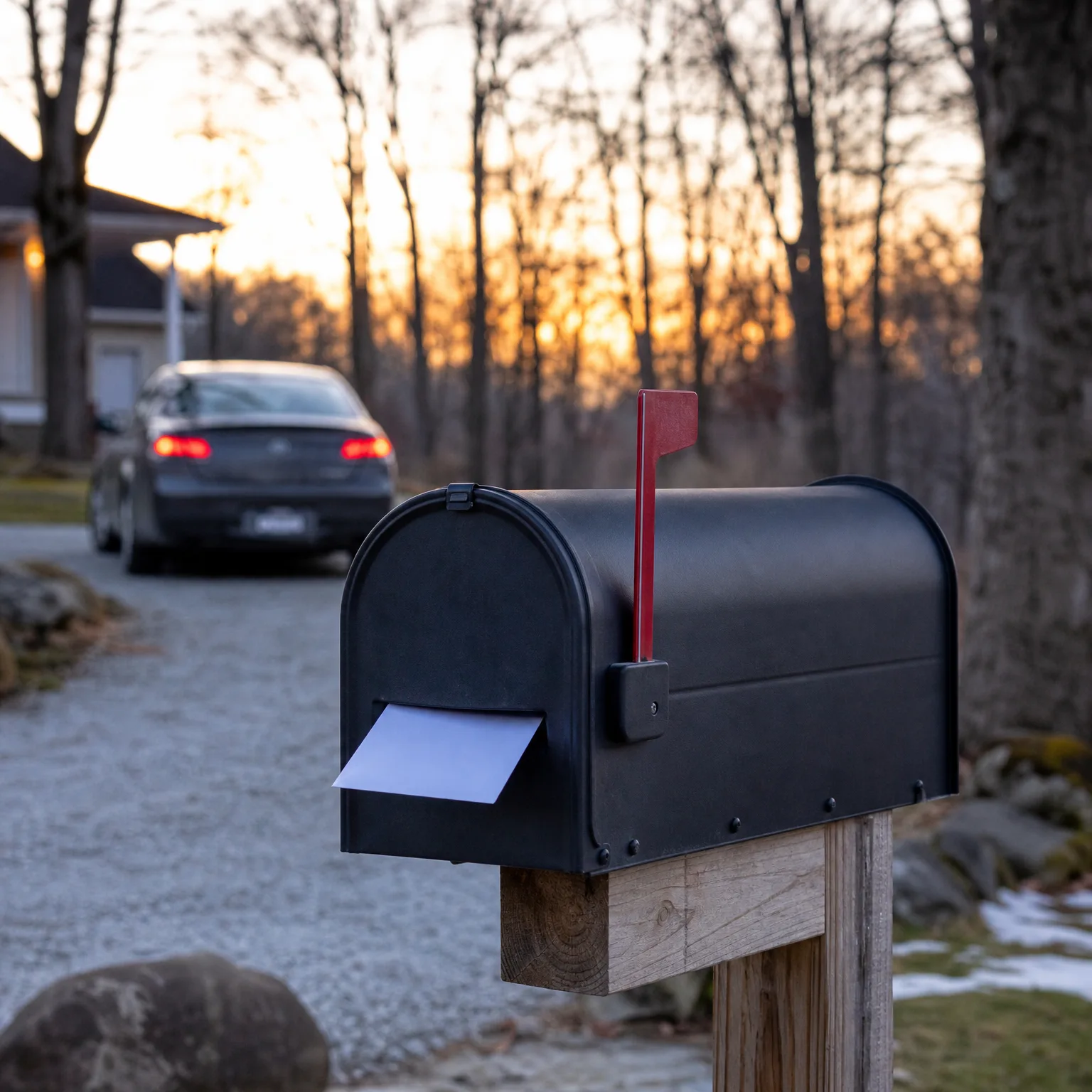
Non-Owner SR-22 Policies for Rideshare Drivers Without Personal Vehicles
Many rideshare drivers in South Carolina rely on rental vehicles, fleet programs, or platform-provided vehicle access and do not carry personal auto insurance. A non-owner SR-22 policy provides liability coverage when you drive vehicles you do not own and satisfies SCDMV reinstatement requirements and rideshare platform insurance mandates simultaneously.
Non-owner policies in South Carolina cost approximately $40-$85/month depending on your age, driving history, and whether SR-22 filing is attached. Adding SR-22 to a non-owner policy increases the premium by $15-$40/month. The policy does not cover physical damage to the vehicle you are driving—collision and comprehensive coverage come from the rideshare platform's commercial policy or the rental agreement. Non-owner coverage pays for injuries and property damage you cause to others, which is what SCDMV and rideshare platforms care about during reinstatement and reactivation.
File the non-owner policy before paying your reinstatement fee. SCDMV requires proof of active insurance at the time of reinstatement, and showing up without coverage extends your timeline by another trip to the DMV. Once SCDMV reinstates your license, submit the SR-22 certificate and policy declaration page to Uber or Lyft through their compliance portal. Most platforms clear accounts within 7-10 business days after receiving valid documentation.
What to Do Right Now If Your Rideshare Account Is Locked
Verify your court case status first. Log into your county's case management system or call the clerk of court to confirm the failure-to-appear warrant has been cleared and court fines are paid in full. Obtain a case disposition letter or court order showing the case closed. This document is required for SCDMV reinstatement and rideshare compliance review.
Wait 10-14 business days after obtaining court clearance, then check your license status at scdmvonline.com. If the suspension still shows active, contact SCDMV's reinstatement office at 803-896-5000 and ask when court clearance will post. Do not file SR-22 or pay the reinstatement fee until SCDMV's system shows the suspension is eligible for clearance.
Once SCDMV shows eligibility, purchase liability insurance or a non-owner policy meeting South Carolina's minimum limits. If your rideshare platform requires SR-22 or if you want to eliminate compliance ambiguity, add SR-22 filing to the policy. Pay the $100 reinstatement fee at an SCDMV branch or online. Submit your SR-22 certificate, policy declaration page, and SCDMV reinstatement receipt to your rideshare platform's driver support portal. Allow 7-10 business days for the platform to process reactivation.
Frequently Asked Questions
Can I drive for Uber or Lyft while my South Carolina license is suspended for a failure-to-appear warrant?
No. Uber and Lyft deactivate accounts immediately when SCDMV records show an active suspension, regardless of the suspension cause. Driving for rideshare platforms while suspended violates platform agreements and South Carolina law, and creates liability exposure if you are involved in an accident.
How long does it take SCDMV to process court clearance after I pay my failure-to-appear fines?
SCDMV typically receives electronic court clearance notifications within 7-14 business days after the court closes your case. Processing delays can extend this to 21 days in high-volume counties. Verify clearance status at scdmvonline.com before filing SR-22 or paying reinstatement fees.
Will Uber or Lyft require SR-22 even if South Carolina does not require it for my suspension?
Possibly. Rideshare platforms set their own compliance requirements independent of state law. Lyft frequently requires SR-22 from drivers whose licenses were suspended for any reason, treating the suspension as a high-risk event. Uber's requirements vary by market and driver history.
What happens if I file SR-22 before SCDMV receives my court clearance notification?
SCDMV's system flags the mismatch between active SR-22 filing and unresolved suspension status, triggering manual review. Your reinstatement file goes to a queue that typically takes 30-45 days to clear, extending your rideshare lockout period significantly.
Do I need to maintain SR-22 filing after my rideshare account is reactivated?
If South Carolina required SR-22 for your suspension, you must maintain filing for the state-mandated period, typically 3 years. If you filed SR-22 voluntarily to satisfy rideshare platform requirements, check your platform's policy—some require continuous SR-22 for 12-24 months after reactivation.
Can I use a non-owner SR-22 policy to reactivate my rideshare account if I do not own a car?
Yes. Non-owner SR-22 policies satisfy SCDMV reinstatement requirements and rideshare platform insurance mandates. The policy provides liability coverage when you drive vehicles you do not own, which is exactly what rideshare driving requires.
Related Articles
SC FTA Warrant Clearance: Rideshare DMV Verification Gap
5/3/2026
SC Unpaid Ticket Suspension: Rideshare Reinstatement
5/3/2026
SC Lapse Suspension for Rideshare: Court & DMV Timing
5/3/2026
SC Failure-to-Appear SR-22: Timing After Warrant Clear
5/3/2026

Colorado Warrant Suspension Reinstatement for Rideshare
5/3/2026

SC Rideshare DUI Reinstatement: Court & DMV Timing
5/3/2026