
SC Unpaid Ticket Suspensions: Court and DMV Verification for Rideshare
Free to compare
Why paying your ticket doesn't immediately lift your SCDMV suspension
You paid the outstanding fines at the county clerk's office. The court shows your balance at zero. Your license is still suspended when you check SCDMV's online portal three days later.
South Carolina operates a split-authority system: courts process payments, but SCDMV controls license status independently. The court is not required to notify SCDMV automatically when you settle a failure-to-pay or failure-to-appear case. Some counties submit electronic clearances within 48 hours. Others require you to request a court clearance letter and physically or electronically submit it to SCDMV yourself.
Rideshare drivers lose the most income during this gap. Uber and Lyft run continuous background monitoring that flags suspended status within hours of a state update, but restoration lag can run 7 to 21 days depending on county processing speed and whether you knew to submit court documentation directly to SCDMV. The clearance step is not optional—it's a separate procedural requirement most drivers discover only after payment when their online status hasn't changed.

Court clearance documentation South Carolina rideshare drivers need to carry
SCDMV requires proof that your court obligation is resolved before processing reinstatement. Acceptable formats vary by county but typically include a court clearance letter on county letterhead, a disposition order stamped by the clerk, or an electronic clearance confirmation number SCDMV can verify in their system.
Call the clerk's office where your ticket originated and request a clearance letter specifically for SCDMV license reinstatement. Ask whether the county submits electronic clearances to SCDMV automatically or whether you must deliver the letter yourself. If manual submission is required, you can upload the document through SCDMV's online portal, mail it to the Columbia headquarters, or bring it to any SCDMV branch in person.
Rideshare platform compliance teams require proof of reinstatement before reactivating your driver account. Keep a digital copy of your court clearance letter and your reinstatement receipt in your driver app document folder. Uber and Lyft support teams cannot expedite background checks without uploaded proof, and calls to support without documentation add 3 to 5 business days to reactivation timelines.


SCDMV reinstatement timing after court clearance posts
Once SCDMV receives court clearance confirmation, reinstatement processing typically takes 2 to 5 business days for online submissions and 5 to 10 business days for mailed documentation. In-person submissions at an SCDMV branch location allow same-day processing if all documentation is in order and the $100 reinstatement fee is paid.
SCDMV's online status portal updates within 24 hours of internal processing, but rideshare background monitoring systems pull state data on varying schedules. Uber checks every 24 to 48 hours. Lyft checks every 48 to 72 hours. Even after your SCDMV record shows active status, expect 1 to 3 additional days before your rideshare account automatically reactivates.
You can accelerate rideshare reactivation by submitting your reinstatement receipt directly through the driver app's document upload section and opening a support ticket referencing the receipt. This prompts a manual compliance review instead of waiting for the next automated background refresh. Most drivers who upload proof and open a ticket see account restoration within 12 to 24 hours.

Line Up Coverage Before Your License Comes Back
Get Back on the RoadWhy unpaid ticket suspensions don't require SR-22 filing in South Carolina
Unpaid ticket suspensions in South Carolina are administrative enforcement actions, not violations triggering financial responsibility filing requirements. SR-22 insurance is not required to reinstate your license after resolving failure-to-pay or failure-to-appear cases.
SR-22 filing is mandatory in South Carolina for DUI convictions, uninsured motorist violations, and suspensions under the state's implied consent laws. Unpaid tickets fall outside these categories. SCDMV requires proof of current liability insurance at reinstatement, but standard auto insurance coverage satisfies this requirement—you do not need to request SR-22 certification from your carrier.
Rideshare drivers must maintain commercial rideshare endorsement policies or Transportation Network Company coverage to meet Uber and Lyft platform requirements. Verify your policy includes TNC coverage before reinstatement. Some carriers exclude rideshare activity from personal auto policies, and operating without proper coverage can trigger a new uninsured motorist suspension even after your ticket-related suspension clears.

Route Restricted License eligibility during unpaid ticket suspensions
South Carolina offers a Route Restricted License for drivers who need limited driving privileges during suspension periods. Eligibility for unpaid ticket suspensions is not clearly defined in publicly available SCDMV materials, and the application process varies by suspension type.
Route Restricted Licenses are most commonly granted for DUI and points-related suspensions where specific hardship criteria apply. For unpaid ticket cases, SCDMV typically requires full resolution of the underlying court obligation before considering reinstatement rather than issuing restricted privileges during the suspension period. The $100 Route Restricted License application fee applies separately from the $100 reinstatement fee.
Rideshare drivers should resolve unpaid ticket obligations immediately rather than pursuing restricted license options. The court clearance and reinstatement process takes 7 to 14 days when completed properly, which is faster than the Route Restricted License application review period in most counties. Paying the ticket, submitting court clearance to SCDMV, and reinstating fully restores your ability to drive for Uber and Lyft without route or time restrictions that would limit platform earning potential.
Insurance coverage to maintain during South Carolina suspension periods
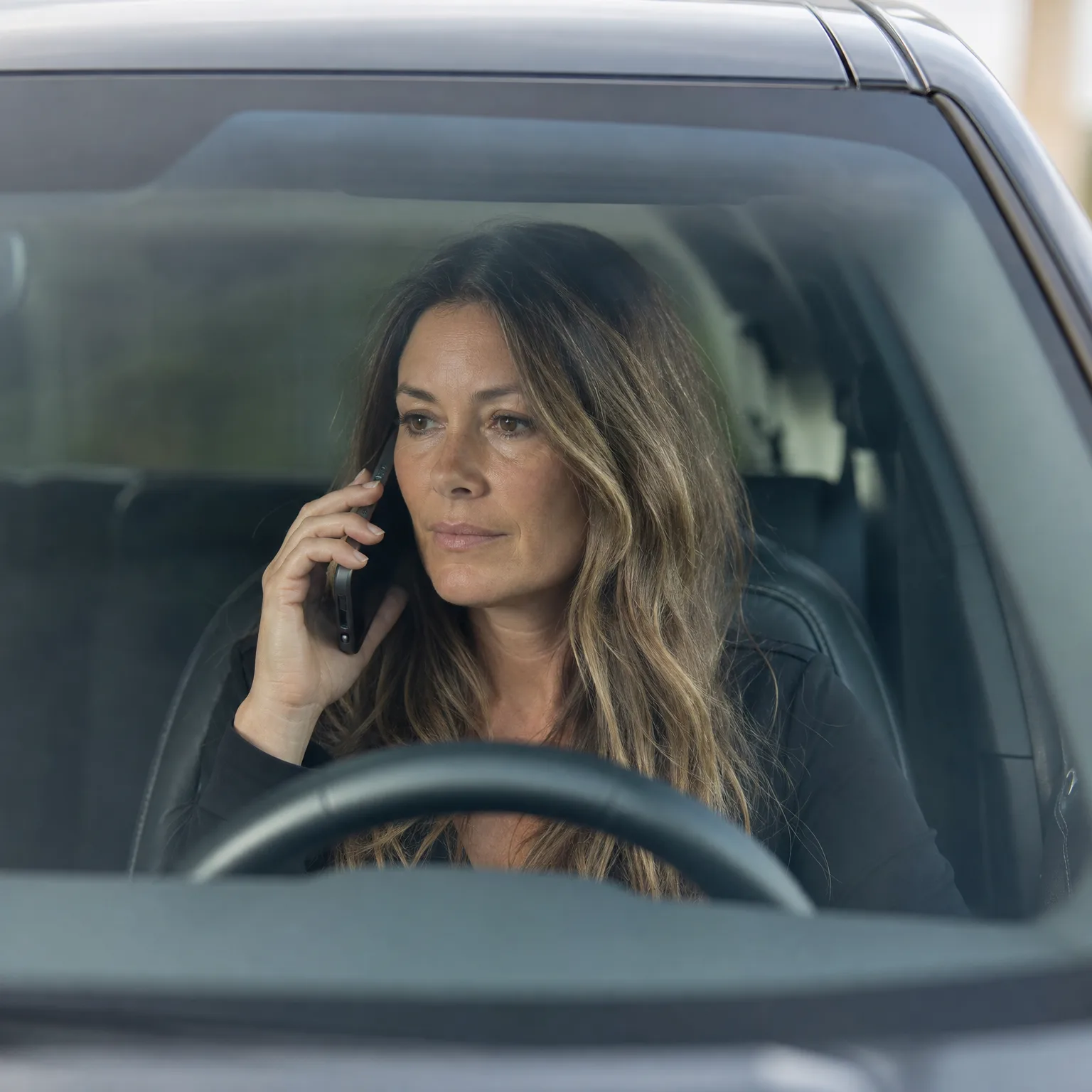
South Carolina law does not require maintaining insurance while your license is suspended, but dropping coverage creates a separate insurance lapse violation if your vehicle registration remains active. SCDMV's electronic insurance verification system flags policy cancellations and suspends vehicle registration automatically when no active coverage is reported.
If you own a vehicle and plan to keep it registered during your suspension, maintain continuous liability coverage to avoid triggering a registration suspension on top of your license suspension. If you do not own a vehicle or plan to surrender your registration during the suspension period, non-owner car insurance provides liability protection for occasional driving in borrowed or rental vehicles without requiring vehicle-specific coverage.
Rideshare drivers returning to platform work after reinstatement must reactivate TNC coverage before their first trip. Contact your carrier 48 hours before your planned reactivation date to confirm rideshare endorsement is active and your policy meets South Carolina's minimum liability requirements of 25/50/25. Uber and Lyft will not approve trip requests if their systems detect a lapse in TNC coverage, even if your license is fully reinstated.
Frequently Asked Questions
How long after paying my South Carolina ticket does SCDMV lift the suspension?
SCDMV does not automatically lift suspensions when you pay court fines. You must submit court clearance documentation to SCDMV, either electronically through their online portal, by mail, or in person at an SCDMV branch. Processing takes 2 to 10 business days depending on submission method, plus an additional $100 reinstatement fee.
Can I drive for Uber or Lyft in South Carolina with a Route Restricted License?
Route Restricted Licenses limit driving to court-approved routes and purposes, typically work, school, and medical appointments. Rideshare driving involves variable routes and passenger destinations that exceed restricted license parameters. Uber and Lyft compliance systems flag restricted licenses as ineligible for platform activation.
Does South Carolina require SR-22 insurance for unpaid ticket suspensions?
No. Unpaid ticket suspensions are administrative actions and do not trigger SR-22 filing requirements in South Carolina. SCDMV requires proof of current liability insurance at reinstatement, but standard auto insurance satisfies this requirement without SR-22 certification.
What happens if I start driving for Uber before my South Carolina license is fully reinstated?
Uber and Lyft run continuous background monitoring that flags suspended license status within hours of state data updates. Driving with a suspended license is a criminal offense in South Carolina, punishable by fines up to $500 and additional suspension time. Rideshare platforms permanently deactivate drivers caught operating with invalid licenses.
How do I know if my South Carolina court submitted clearance to SCDMV automatically?
Call the clerk's office where your ticket was processed and ask whether the county submits electronic clearances to SCDMV or requires manual submission by the driver. Check SCDMV's online status portal 3 to 5 business days after payment. If your suspension status has not changed, request a court clearance letter and submit it to SCDMV yourself.
Can I use my reinstatement receipt to reactivate my Uber account faster?
Yes. Upload your SCDMV reinstatement receipt through the Uber or Lyft driver app document section and open a support ticket referencing the upload. This triggers a manual compliance review instead of waiting for the next automated background check, typically reactivating your account within 12 to 24 hours.
Related Articles
SC Rideshare DUI Reinstatement: Court & DMV Timing
5/3/2026
SC Child Support Suspension: Court vs DMV Timing Gap
5/3/2026
SC Lapse Suspension for Rideshare: Court & DMV Timing
5/3/2026

SC Unpaid Ticket Suspension: Court and DMV Timeline
5/3/2026
SC Rideshare SR-22 After Failure-to-Appear Warrant
5/3/2026

SC FTA Warrant Clearance: Rideshare DMV Verification Gap
5/3/2026