
Louisiana CDL Warrant Suspension: Court Clearance to DMV Timing
Free to compare
Why Louisiana's Court-to-OMV Clearance Process Is a Two-Step Sequence
Louisiana does not operate an automated data bridge between parish courts and the Office of Motor Vehicles for failure-to-appear warrant suspensions. When you resolve your warrant at the clerk's office, that clearance sits in the court's database until someone manually submits it to OMV. Most CDL holders assume paying the fine completes the process. It does not.
The court clerk issues a clearance certificate or dismissal order after you satisfy the warrant. You must take that document to OMV or submit it through OMV's reinstatement portal within 10 business days. If you wait for OMV to check court records on their own, you will wait indefinitely. OMV only processes reinstatement requests when the clearance document is physically or electronically submitted to their system.
This two-step gap is why commercial drivers who resolve warrants on Friday often sit suspended through the following week. The court clears you immediately, but OMV won't know until you file the clearance paperwork.

What CDL Holders Must Submit to OMV After Court Clearance
Louisiana requires three documents to reinstate a CDL after a failure-to-appear warrant suspension: the court clearance certificate, proof of current liability insurance, and payment of the $100 reinstatement fee. The clearance certificate must show the case number, the warrant dismissal date, and the judge's signature or clerk's stamp. Photocopies are accepted if notarized by the court clerk.
Proof of insurance must be current as of the reinstatement application date. If your policy lapsed during the suspension, you need to reinstate coverage or obtain a new policy before OMV will process your application. Louisiana does not require SR-22 filing for failure-to-appear suspensions—only for DWI, reckless driving, and uninsured motorist violations. Failure-to-appear is an administrative suspension triggered by court non-compliance, not a moving violation.
The $100 reinstatement fee is non-refundable and must be paid at the time of application. If OMV rejects your application because the court clearance is incomplete, you do not get the fee back. Submit complete documentation the first time.

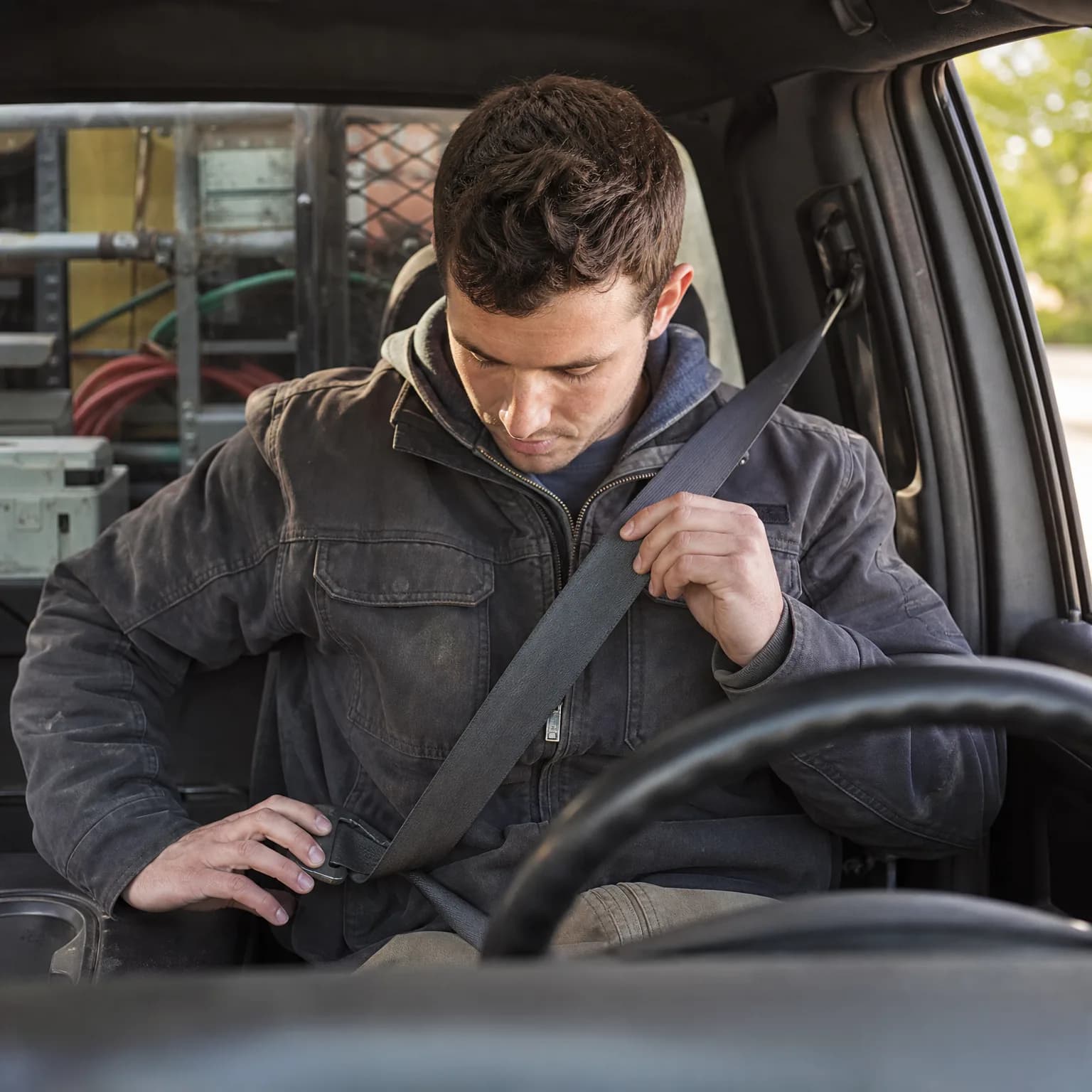
How Long OMV Takes to Process CDL Reinstatement After Court Clearance
Louisiana's OMV processes CDL reinstatements within 10-15 business days after receiving a complete application with court clearance documentation. That timeline begins when OMV's reinstatement unit logs your submission into their system, not when you mail the documents or visit the clerk's office. If you submit by mail, add 5-7 business days for postal delivery and internal routing before the 10-15 day processing window starts.
In-person submissions at an OMV office reduce the front-end delay but do not accelerate the back-end processing timeline. You will leave the office with a receipt confirming submission, but your CDL remains suspended until the reinstatement unit clears the case and updates the state database. Most commercial drivers regain driving privileges 15-22 calendar days after resolving the warrant, assuming no document deficiencies.
If OMV flags your application for review—typically due to missing court case numbers or incomplete insurance proof—processing extends to 25-30 business days. OMV does not call or email to request corrections. They mail a deficiency notice to the address on file, which adds another week to the timeline.

Line Up Coverage Before Your License Comes Back
Get Back on the RoadWhy Commercial Drivers Can't Use Hardship Licenses During CDL Suspension
Louisiana does not issue hardship licenses for Class A or Class B CDL holders. The state's hardship license program, formally called a hardship license, is restricted to Class D (non-commercial) drivers suspended for DWI, points accumulation, or uninsured motorist violations. Failure-to-appear suspensions do not qualify for hardship relief under any license class.
Federal Motor Carrier Safety Administration regulations prohibit states from issuing restricted or conditional commercial driving privileges. A CDL is either valid and unrestricted, or it is suspended. Louisiana cannot create a workaround for commercial drivers who need to operate during suspension, even if the suspension trigger is non-driving-related like a missed court date.
If you hold both a CDL and a Class D license, the failure-to-appear suspension applies to both. You cannot drive commercially or personally until OMV processes your reinstatement. The only legal option is to resolve the warrant, submit clearance documentation, and wait for OMV to restore full privileges.
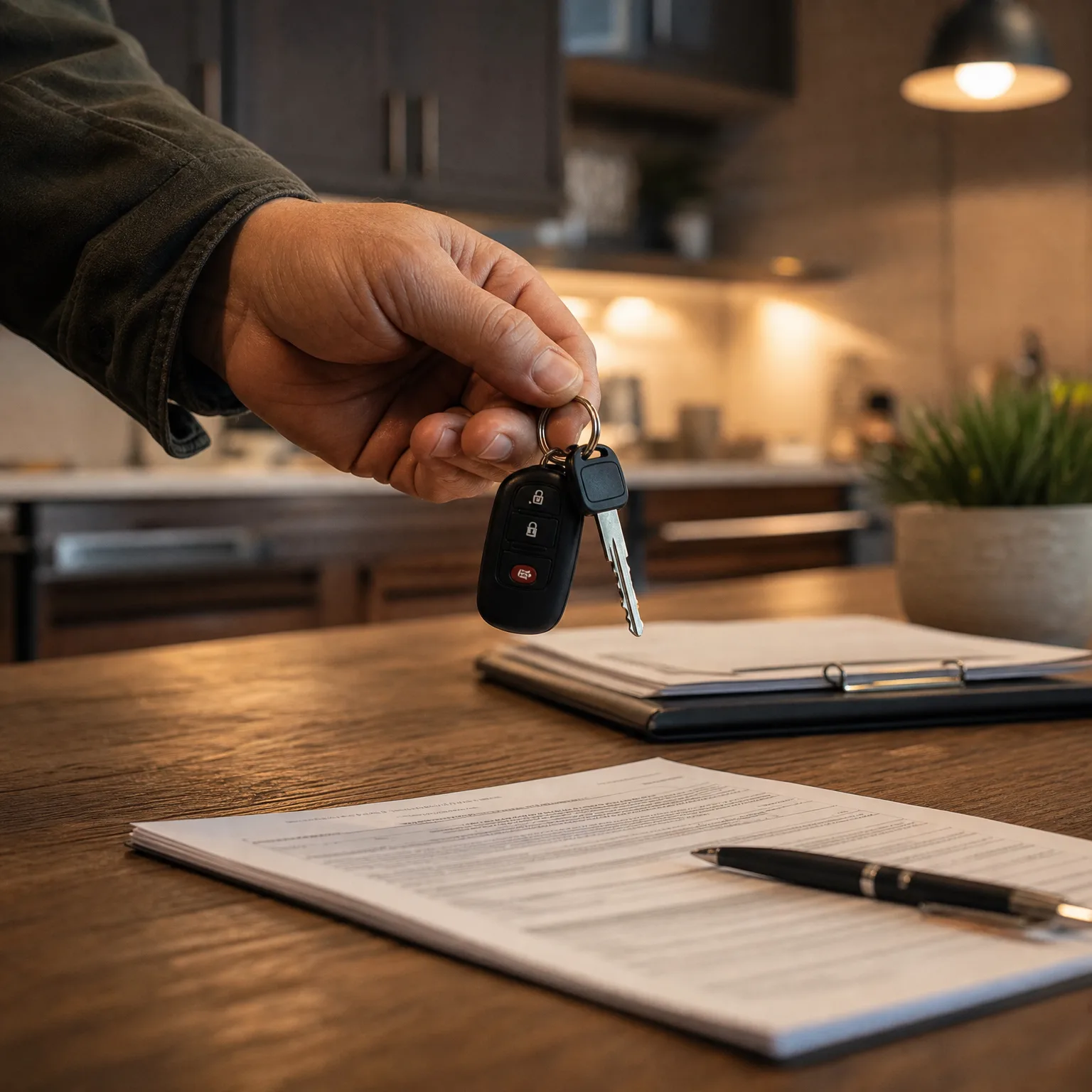
What Happens If You Drive Commercially Before OMV Processes Reinstatement
Driving on a suspended CDL in Louisiana is a criminal offense under Louisiana Revised Statute 32:415. Conviction carries a fine of $500-$1,000 and up to six months in parish jail for a first offense. A second conviction within five years triggers a mandatory 48-hour jail sentence and a one-year license suspension extension. Commercial carriers check OMV records in real time—if your CDL shows suspended status when you attempt to dispatch, you will be denied the load and potentially terminated.
Law enforcement officers verify CDL status during roadside inspections and traffic stops. If your physical license appears valid but OMV's database shows suspended, you will be cited for driving under suspension. The physical license does not override the database record. Many commercial drivers assume that because they resolved the warrant and paid the reinstatement fee, they are immediately legal to drive. They are not. The suspension lifts only when OMV updates the state database, which happens after the 10-15 day processing window closes.
Insurance complications compound the legal risk. If you are involved in a collision while driving on a suspended CDL, your commercial auto policy will likely deny the claim because you were operating without a valid license. That denial exposes you to personal liability for damages, which can exceed $100,000 in multi-vehicle commercial accidents.
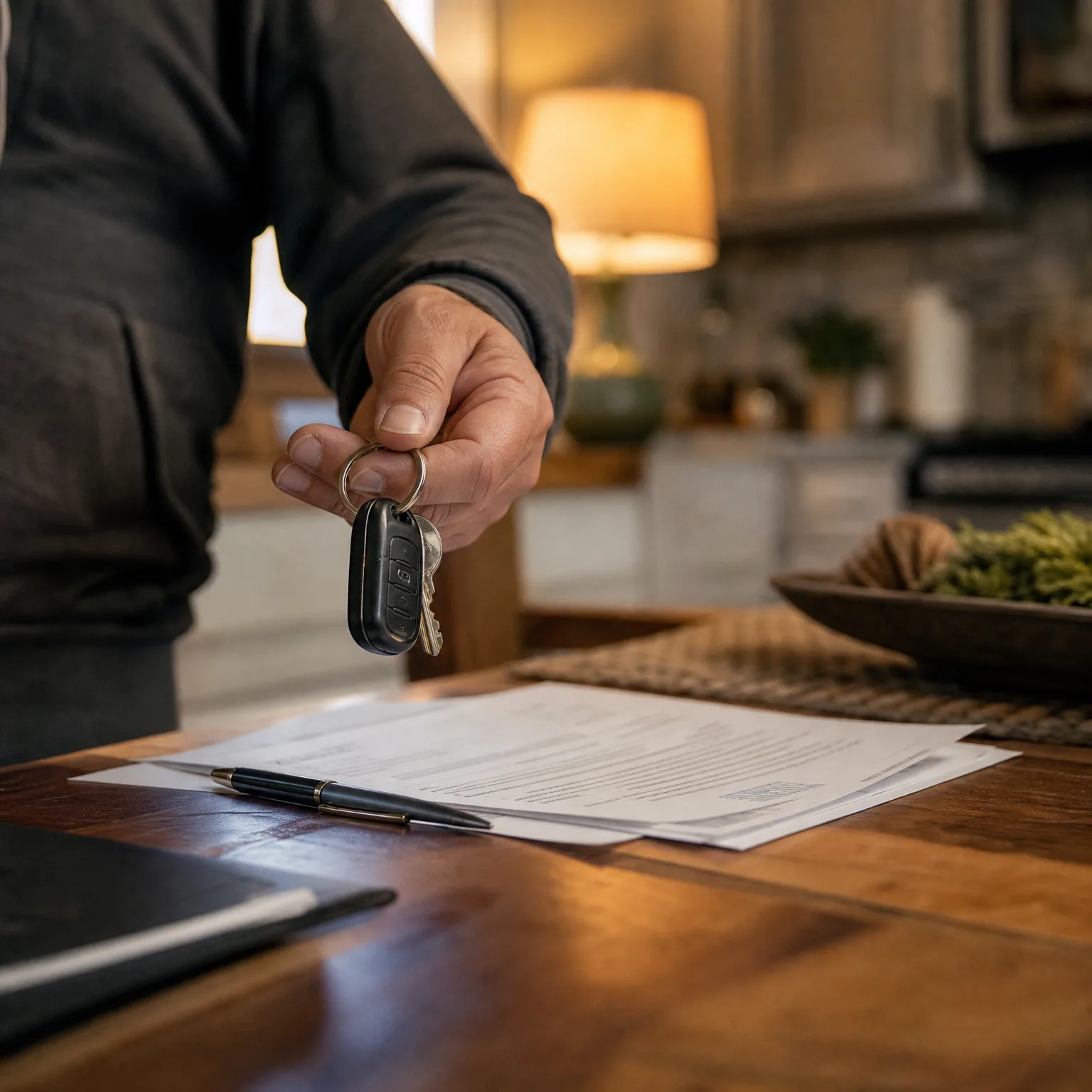
When CDL Holders Need SR-22 Filing and When They Don't
Louisiana does not require SR-22 filing for failure-to-appear warrant suspensions. SR-22 is mandated only for suspensions triggered by DWI, reckless driving, at-fault uninsured accidents, or refusal to submit to chemical testing. Failure-to-appear is a court compliance issue, not a moving violation, so the state does not impose high-risk insurance filing requirements.
If your CDL suspension stems from a DWI or reckless driving conviction in addition to the failure-to-appear warrant, SR-22 will be required. The suspension codes on your OMV record determine filing obligations. Check your suspension notice or contact OMV's reinstatement unit at 225-925-6146 to confirm whether your case involves a filing requirement. If SR-22 is required, you must maintain continuous coverage for three years from the reinstatement date. If you hold a commercial auto policy through your employer, that policy cannot satisfy the SR-22 requirement—you need a personal auto or non-owner SR-22 policy in your name.
Most CDL holders who do not own a personal vehicle choose non-owner SR-22 policies. These policies satisfy Louisiana's financial responsibility requirement without insuring a specific vehicle. Premiums typically range from $40-$75 per month for non-owner SR-22 coverage, depending on your driving record and the carrier. Your commercial employer's insurance does not replace this requirement.
Frequently Asked Questions
Can I reinstate my Louisiana CDL online after clearing a failure-to-appear warrant?
Louisiana OMV allows online reinstatement submissions through their Public Access portal if you have the court clearance certificate in PDF format, proof of current insurance, and payment method for the $100 fee. Processing timelines are the same as in-person submissions—10-15 business days after OMV logs your application. You cannot complete reinstatement entirely online if your court clearance requires notarization or if OMV flags your case for manual review.
Does Louisiana's failure-to-appear suspension affect my CDL in other states?
Yes. Louisiana reports all CDL suspensions to the National Driver Register and the Commercial Driver's License Information System, which means your suspension status will appear in interstate databases immediately. If you hold a CDL issued by another state, that state's DMV will be notified of your Louisiana suspension within 10 business days. You cannot legally operate a commercial vehicle in any state until Louisiana OMV clears your suspension and updates federal records.
What happens if I paid my warrant but never submitted clearance to OMV?
Your CDL remains suspended indefinitely. Louisiana OMV does not monitor parish court databases for resolved warrants—you must submit the clearance certificate manually. If months or years have passed since you resolved the warrant, contact the court clerk's office that issued the clearance and request a certified copy of the dismissal order. You can then submit that document to OMV along with current proof of insurance and the $100 reinstatement fee to begin the reinstatement process.
Can I drive my personal vehicle on a Class D license while my CDL is suspended in Louisiana?
No. A failure-to-appear warrant suspension in Louisiana applies to all license classes you hold. If you have both a CDL and a Class D license, both are suspended simultaneously. You cannot legally operate any motor vehicle—commercial or personal—until OMV processes your reinstatement and restores all license privileges.
How do I prove to my employer that my Louisiana CDL reinstatement is in process?
Request a receipt from OMV when you submit your reinstatement application—whether in person, by mail, or online. That receipt shows the submission date and confirms OMV received your court clearance documentation. Most commercial carriers will not allow you to dispatch until OMV's database shows your CDL as active, even if you have proof that reinstatement is pending. The 10-15 day processing window is mandatory, and no expedited option exists for failure-to-appear cases.
Related Articles

LA CDL Reinstatement After Failure-to-Appear Warrant
5/3/2026

LA Warrant Suspension: Court Clearance to OMV Timeline
5/3/2026

Louisiana Failure-to-Appear SR-22 & Warrant Clearance
5/3/2026

Reinstate CDL After Unpaid Tickets in Louisiana
5/3/2026
Reinstate Louisiana CDL After Insurance Lapse Suspension
5/3/2026

Louisiana CDL DUI Reinstatement: Court & DMV Timing
5/3/2026