
Kentucky FTA Warrant Suspension: SR-22 Timing for Students
Free to compare
Why Your Court Receipt Doesn't Clear Your Suspension Immediately
Kentucky operates a dual-track system for failure-to-appear warrant suspensions. The District Court that issued the warrant handles the criminal or traffic matter. The Kentucky Transportation Cabinet (KYTC) Division of Driver Licensing handles the administrative suspension of your license. Paying your court costs and clearing the warrant satisfies the court—but the court does not automatically notify KYTC that you've complied.
Most college students assume the systems talk to each other. They pay the warrant, walk out of the courthouse, and immediately call an insurance carrier to file SR-22, expecting reinstatement within days. The SR-22 filing goes through. But when they check their license status online or visit a Circuit Court Clerk office, the suspension still shows active. The missing piece: KYTC requires a Certificate of Compliance or court clearance letter before they will process your reinstatement, even if your SR-22 is already on file.
This gap exists because Kentucky participates in electronic case management systems, but not all District Courts transmit clearance data to KYTC automatically. Some counties require the driver to request a clearance letter from the court clerk and submit it to KYTC separately. Jefferson County (Louisville) and Fayette County (Lexington) have different administrative workflows than rural district courts—processing times and documentation requirements vary by county. If you cleared your warrant in one county but attend school in another, you cannot assume the county where you live knows what the county where the warrant was issued has done.
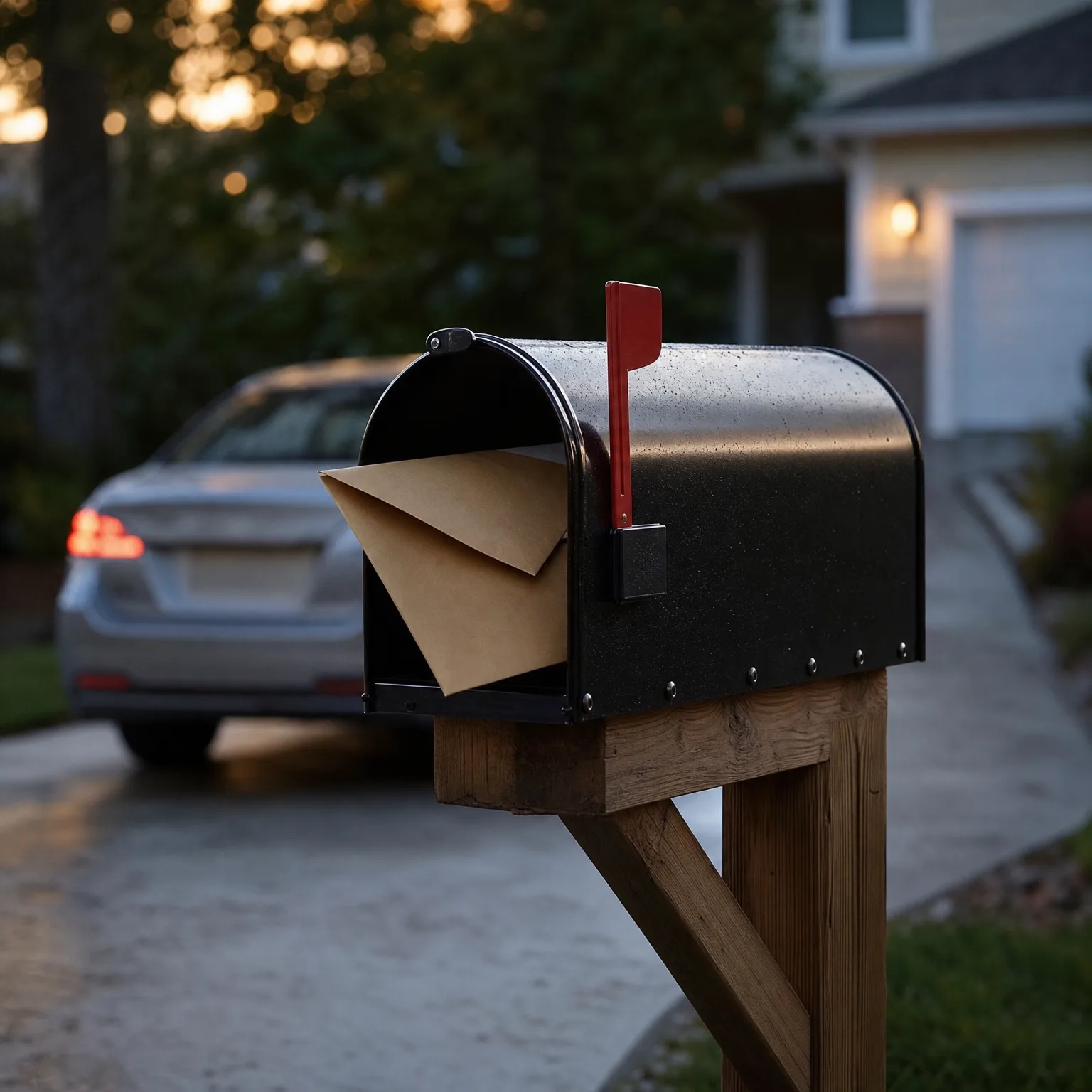
When SR-22 Filing Is Actually Required for FTA Suspensions
Failure-to-appear warrant suspensions in Kentucky do not automatically require SR-22 filing. SR-22 is a financial responsibility certificate required for specific violations: DUI convictions under KRS 189A, uninsured motorist violations under KRS 304.39-080, certain reckless driving convictions, and suspensions related to at-fault accidents without insurance. If your FTA warrant stemmed from a traffic citation for speeding, no insurance, or reckless driving, you may face SR-22 requirements—but only if the underlying violation carries that mandate.
Most FTA warrants for college students arise from missed court dates for minor traffic violations, unpaid fines, or administrative failures. These do not trigger SR-22 requirements. You still need to reinstate your license, which requires paying the $40 base reinstatement fee to KYTC, but you do not need to carry SR-22 insurance unless the underlying violation independently requires it. Carriers and aggregators often push SR-22 messaging universally because it generates higher premiums, but filing SR-22 when Kentucky law does not require it costs you approximately $25-$50 per month in added fees for coverage you do not legally need.
Check the court documents or your suspension notice from KYTC. If the notice references KRS 189A (DUI statutes) or KRS 304.39 (insurance-related violations), SR-22 is required. If the notice references only failure to appear or unpaid fines, SR-22 is not required for reinstatement. You can reinstate with standard liability coverage after clearing the court matter and paying the reinstatement fee. If you are uncertain, call KYTC Driver Licensing at (502) 564-1257 and provide your driver's license number—they will confirm whether SR-22 is on file as a reinstatement condition.

How Court Clearance Documentation Actually Reaches KYTC
After you pay your warrant and court costs, the District Court clerk enters the clearance into the county's case management system. In counties with electronic data exchange agreements with KYTC, this clearance transmits automatically within 5-10 business days. In counties without automated transmission, the court clerk generates a Certificate of Compliance or clearance letter on request, which you must deliver to KYTC yourself—either by mail to the Division of Driver Licensing in Frankfort or in person at a Regional Driver Licensing Office.
Jefferson and Fayette counties typically process clearances electronically, but processing lags still occur. Rural district courts in counties like Pike, Harlan, or Breathitt often require manual submission. If you cleared your warrant and reinstatement is still pending after 10 business days, call the court clerk's office where you paid the warrant. Ask whether the clearance was transmitted electronically to KYTC or whether you need to request a Certificate of Compliance for manual submission. Most clerks can generate the certificate on the spot if you appear in person, or mail it to you within 3-5 business days if you request by phone.
Once KYTC receives the court clearance—whether electronically or manually—they update your driving record and mark the suspension eligible for reinstatement. Only then will they accept your reinstatement fee payment and process any SR-22 filing on record. If you filed SR-22 before the court clearance posted, the SR-22 remains on file but does not activate your reinstatement until the court clearance is received. This is the procedural gap most college students miss: SR-22 filing alone does not trigger reinstatement if the underlying court matter has not been cleared in KYTC's system.

Line Up Coverage Before Your License Comes Back
Get Back on the RoadWhat Happens If You File SR-22 Before Court Clearance Posts
Filing SR-22 before KYTC receives court clearance does not harm your case, but it does not accelerate reinstatement either. Your carrier transmits the SR-22 certificate to KYTC electronically. KYTC logs the SR-22 as received and attaches it to your driver record. But the reinstatement process cannot proceed until the court clearance is also on file. You have satisfied the insurance requirement but not the legal compliance requirement. Both must be present simultaneously before KYTC will process your reinstatement fee and restore your license.
This creates a timing problem for students trying to reinstate quickly. If you file SR-22 immediately after paying the court warrant, expecting to drive legally within 48 hours, you will hit the clearance gap and face an additional 1-4 week delay while the court transmits clearance data. If you wait to file SR-22 until after you confirm the court clearance has posted to KYTC, you add 1-2 business days for SR-22 transmission from your carrier, but you avoid the multi-week gap where nothing is happening and you cannot determine why.
The optimal sequence: (1) Pay the court warrant and request a Certificate of Compliance from the clerk on the same visit. (2) Deliver or mail the Certificate of Compliance to KYTC if your county does not transmit electronically. (3) Wait 3-5 business days, then check your driving record online at drive.ky.gov to confirm the court clearance has posted. (4) Once the clearance shows, contact a carrier that writes SR-22 insurance and file. (5) After SR-22 transmits (typically 1 business day), pay the $40 reinstatement fee through the Kentucky Online Gateway or in person at a Circuit Court Clerk office. This sequence minimizes dead time and keeps you in control of the timeline.

Insurance Options While Your License Is Suspended
Kentucky does not require you to carry insurance while your license is suspended unless the suspension was triggered by an uninsured motorist violation under KRS 304.39-080 or a DUI under KRS 189A. For failure-to-appear suspensions unrelated to insurance or DUI, you are not legally required to maintain coverage during the suspension period. But if you own a registered vehicle, Kentucky's continuous coverage requirement under KRS 304.39 still applies to the vehicle registration—not to your license status. Letting your vehicle's insurance lapse triggers a separate administrative action: registration suspension.
Many college students do not own a vehicle—they were driving a parent's car, a roommate's car, or a rental when cited. If you do not own a vehicle and your suspension does not require SR-22, you do not need insurance until your license is reinstated and you resume driving. If you do own a vehicle and plan to keep it registered during your suspension, maintain liability coverage on the vehicle to avoid compounding your reinstatement with a registration suspension. If SR-22 is required for reinstatement, you must file SR-22 even if you do not own a vehicle—this is where non-owner SR-22 policies apply.
A non-owner SR-22 policy provides the state-required liability coverage and SR-22 certificate without insuring a specific vehicle. This costs approximately $30-$60 per month in Kentucky for clean-record drivers, or $85-$140 per month for drivers with DUI or uninsured motorist violations on record. Non-owner policies satisfy KYTC's SR-22 filing requirement and allow you to reinstate your license even if you sold your car, lost access to a family vehicle, or plan to rely on public transit or rideshares after reinstatement. Once your license is reinstated and you resume driving a vehicle you own, you must convert to a standard owner SR-22 policy—non-owner policies do not cover vehicles you own or regularly use.

Lapse Gaps and What They Cost You in Reinstatement Timing
If you file SR-22, reinstate your license, and then let your SR-22 policy lapse before the required filing period ends, Kentucky treats the lapse as a new violation. KYTC receives electronic cancellation notices from carriers through the Kentucky Automobile Insurance Verification System (KAIVS) within 24-48 hours of policy cancellation. Once the lapse is logged, KYTC suspends your license again administratively. You must refile SR-22, pay another $40 reinstatement fee, and in some cases restart the SR-22 filing period from the lapse date rather than the original violation date.
Kentucky requires SR-22 filing for 3 years after a DUI conviction under KRS 189A, measured from the conviction date, not the filing date. For uninsured motorist violations under KRS 304.39-080, the filing period is typically 3 years as well, though the starting date may be the violation date or the reinstatement date depending on the specific administrative action. If you lapse SR-22 coverage during this period, some counties and administrative law judges restart the 3-year clock from the lapse date—effectively adding months or years to your total SR-22 obligation. This is not universally applied across all Kentucky counties, but the risk is high enough that treating any SR-22 lapse as catastrophic is the correct planning posture.
College students face lapse risk when they move between addresses, change bank accounts for auto-pay, or assume a parent will continue paying the policy after reinstatement. Set up your SR-22 policy with your own payment method, your own email for renewal notices, and calendar reminders 30 days before the renewal date. If you need to switch carriers during the SR-22 period, coordinate the cancellation and new filing so there is zero gap between policies—even one day without active SR-22 on file triggers KYTC suspension. Most carriers allow you to schedule a future-dated policy start to overlap with your current policy's end date without paying double premiums.
Frequently Asked Questions
Do I need SR-22 to reinstate my license after a failure-to-appear warrant in Kentucky?
Not automatically. SR-22 is required only if the underlying violation that triggered the warrant independently requires SR-22—such as DUI under KRS 189A or uninsured motorist violations under KRS 304.39-080. Most failure-to-appear warrants for minor traffic citations or unpaid fines do not require SR-22. Check your KYTC suspension notice or call (502) 564-1257 to confirm whether SR-22 is listed as a reinstatement condition.
How long does it take for the court to notify KYTC after I pay my warrant?
Electronic transmission from Jefferson and Fayette counties typically posts within 5-10 business days. Rural district courts without automated data exchange require manual submission of a Certificate of Compliance, which you must request from the court clerk and deliver to KYTC yourself. If 10 business days pass after paying your warrant and your license status still shows suspended, call the court clerk to confirm whether clearance was transmitted or whether you need to submit the certificate manually.
Can I file SR-22 before the court clearance shows up in KYTC's system?
Yes, but it does not speed up reinstatement. KYTC will log the SR-22 as received but cannot process your reinstatement until the court clearance is also on file. Filing SR-22 early does not harm your case, but it means you pay for coverage while waiting for the court clearance to transmit—typically 1-4 weeks depending on your county's workflow.
What happens if my SR-22 policy lapses during the required filing period?
KYTC receives electronic cancellation notices through KAIVS within 24-48 hours and suspends your license administratively. You must refile SR-22, pay another $40 reinstatement fee, and in some cases restart the 3-year SR-22 filing period from the lapse date. Even one day without active SR-22 coverage triggers suspension if SR-22 is required for your violation.
Do I need insurance while my license is suspended for failure to appear?
Not unless the suspension was triggered by an uninsured motorist or DUI violation. Kentucky does not require suspended drivers to carry insurance during the suspension period for FTA-only suspensions. However, if you own a registered vehicle, Kentucky's continuous coverage requirement under KRS 304.39 still applies to the vehicle registration—letting that lapse triggers a separate registration suspension.
How much does the Kentucky reinstatement fee cost after clearing a warrant?
The base administrative reinstatement fee is $40, paid to KYTC after the court clearance posts and any required SR-22 is filed. This fee applies to standard failure-to-appear suspensions. DUI-related suspensions carry separate, higher reinstatement fees defined under KRS 189A—verify the exact fee for your violation type at drive.ky.gov or by calling KYTC at (502) 564-1257.
Related Articles

Kentucky Warrant Suspension: Court vs DMV Clearance
5/3/2026

KY Failure-to-Appear SR-22: Court Clearance Timing
5/3/2026

Kentucky Warrant Suspension Reinstatement Costs
5/3/2026

KY FTA Warrant Suspension Costs for College Students
5/3/2026

KY CDL Warrant Suspension: SR-22 Timing & Lapse Gaps
5/3/2026

KY CDL Warrant Suspension: Court vs DMV Clearance
5/3/2026