
Kentucky Failure-to-Appear Warrant Suspensions: Court Clearance vs DMV Verification
Free to compare
Why Your License Stays Suspended After You Clear the Warrant
Kentucky's District Courts and the Kentucky Transportation Cabinet (KYTC) operate independent data systems. When you pay your failure-to-appear fine and the court dismisses the warrant, that clearance sits in the court's case management system. KYTC's Division of Driver Licensing won't see it until someone—usually you—submits proof of clearance directly to the Cabinet.
The court clerk stamps your receipt "Warrant Dismissed" or "Case Resolved," and most college students assume that document automatically updates their driving record. It does not. Kentucky law requires you to obtain a certified court clearance letter and submit it to KYTC along with the $40 administrative reinstatement fee. Until both documents arrive at the Cabinet's Frankfort office, your license remains in suspended status even though the legal obligation is satisfied.
This gap creates a 30–60 day processing window between court clearance and actual reinstatement for drivers who don't know the two-step requirement exists. Law school orientation packets don't mention it. Court clerks assume you'll figure it out. KYTC's website lists the requirement in dense regulatory language that most 19-year-olds won't find until they're turned away at a DMV branch for the second time.
What the Court Clearance Letter Must Contain
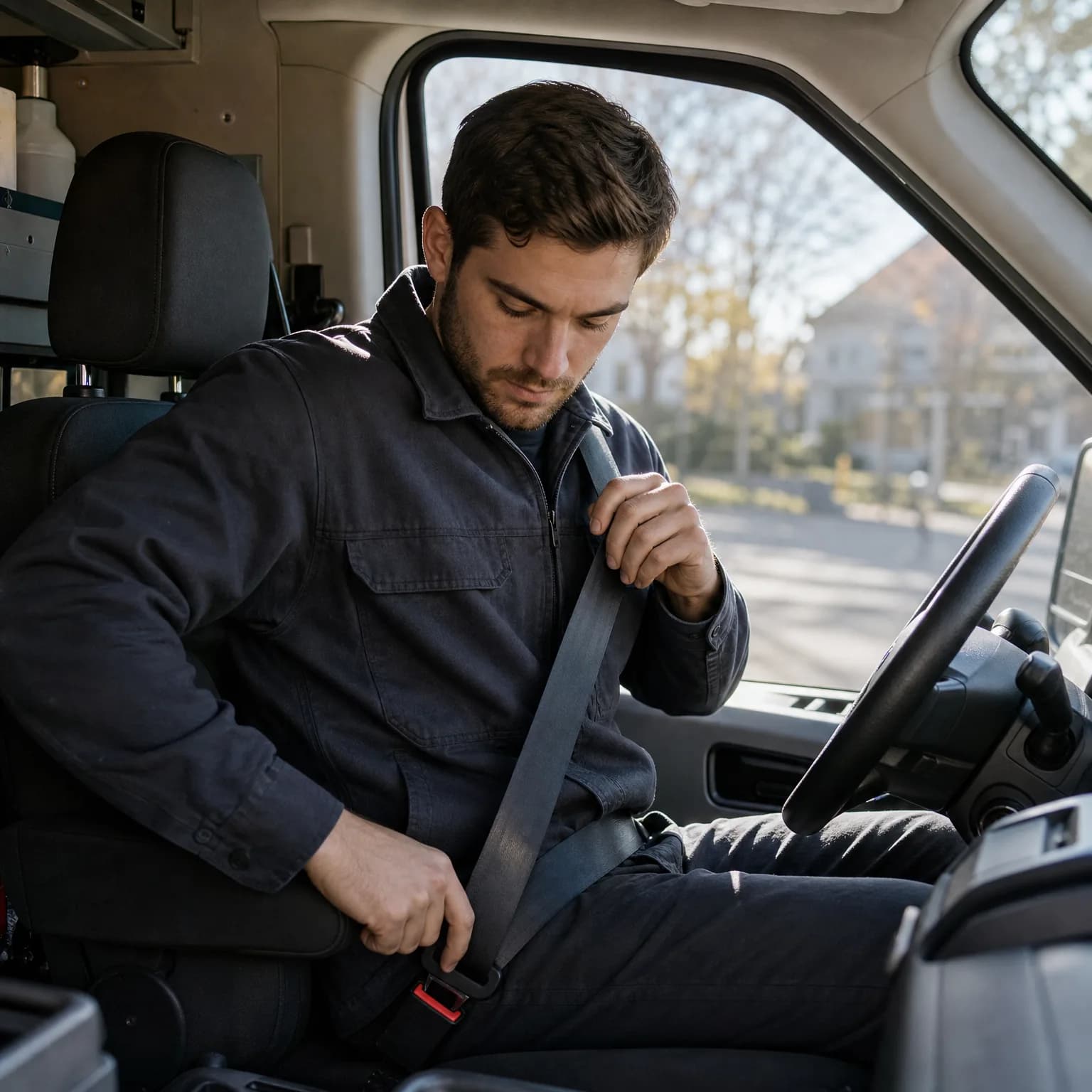
KYTC won't accept a payment receipt, a case disposition printout, or an email from the prosecutor. You need a certified letter on court letterhead that includes your full legal name, date of birth, driver's license number, the original citation or case number, the warrant issue date, the warrant dismissal date, and the court's certification that all obligations related to the failure-to-appear charge have been satisfied.
Most District Court clerks in Jefferson County (Louisville) and Fayette County (Lexington) know this format and will produce the letter at the counter for a $5–$10 certification fee. Smaller county courts may not keep templates on hand—you may need to request it in writing and return three business days later. If your case involved multiple charges or multiple warrants, the clearance letter must list each case number and confirm that all associated obligations are resolved. A partial clearance letter triggers a KYTC rejection and restarts your processing timeline.
Carry two certified copies when you visit KYTC. One copy goes into your reinstatement file. The second copy stays with you as proof while the Cabinet processes your submission. Processing times vary by county, but Jefferson and Fayette County Circuit Court clerks typically provide same-day certification if you arrive before 2 p.m.


How to Submit Proof of Clearance to KYTC
Kentucky's online portal at drive.ky.gov does not yet support warrant-clearance document uploads for most suspension types. You must submit the certified court letter and reinstatement fee in person at a Circuit Court Clerk's office that processes driver licensing transactions, or mail both documents to the Kentucky Transportation Cabinet, Division of Driver Licensing, 200 Mero Street, Frankfort, KY 40622.
In-person submission at a Circuit Court Clerk location triggers faster processing—typically 5–10 business days—because the clerk can verify document completeness before forwarding your file to Frankfort. Mailed submissions take 15–30 business days from the postmark date, and KYTC does not confirm receipt unless you include a prepaid return receipt card. If any required field is missing from your court letter, KYTC mails a deficiency notice to the address on your license, which may not be current if you moved for college.
Bring your current photo ID, the certified court clearance letter, and payment for the $40 reinstatement fee (check, money order, or card—policies vary by clerk office). Some Circuit Court Clerk locations require appointments for driver licensing transactions; call ahead to confirm walk-in availability. Do not pay the reinstatement fee online before submitting your court clearance letter—KYTC's system won't match the payment to your suspended license record without the accompanying documentation, and you'll need to resubmit.

Line Up Coverage Before Your License Comes Back
Get Back on the RoadWhy College Students Miss the DMV Verification Step
Most failure-to-appear warrants for college-age drivers stem from unpaid traffic citations issued months or years earlier—speeding tickets from freshman year, parking violations near campus housing, or equipment violations from a borrowed car. The original citation arrives at a parents' address. The failure-to-appear notice goes to an outdated apartment lease. By the time you discover the warrant, it's because a traffic stop triggered a license suspension you didn't know existed.
You pay the court immediately. The clerk hands you a receipt. You assume the problem is solved. Kentucky's system assumes you know that court jurisdiction ends at case dismissal—license reinstatement is an administrative process under a different agency. Law firms that help college students clear warrants rarely explain the DMV verification step because their engagement ends when the court case closes. Campus legal aid clinics focus on criminal defense and academic misconduct, not administrative driver licensing.
The information gap hits hardest for out-of-state students attending UK, U of L, or NKU who don't carry Kentucky licenses but accumulated Kentucky citations. If your home state participates in the Driver License Compact—and 45 states do—Kentucky reports your failure-to-appear suspension to your home DMV even after you clear the warrant. You must complete Kentucky's reinstatement process and obtain proof of clearance from KYTC before your home state will lift the reciprocal suspension.
Does Kentucky Require SR-22 Filing for Failure-to-Appear Suspensions
No. Kentucky does not require SR-22 financial responsibility filing for administrative suspensions triggered by failure to appear in court, unpaid fines, or child support arrears. SR-22 is required for DUI convictions under KRS 189A, uninsured motorist violations under KRS 304.39-080, and certain repeat moving violations that trigger points-based suspensions.
If your suspension stems solely from a failure-to-appear warrant on a non-DUI traffic citation, your reinstatement checklist includes the certified court clearance letter and the $40 administrative fee—nothing more. Do not let a carrier or an aggregator site push SR-22 messaging for a suspension type that does not legally require it. Honest framing matters here: adding SR-22 to a policy that doesn't need it costs $15–$50 per month and extends your filing obligation for three years.
If your original citation was for reckless driving, DUI, or driving uninsured, the suspension may carry separate SR-22 requirements tied to the underlying offense—not the failure-to-appear warrant. Check your suspension notice or call KYTC's driver licensing call center at 502-564-1257 to confirm which reinstatement conditions apply to your specific case.
What to Do If You Don't Own a Car Right Now
Kentucky does not require you to maintain active auto insurance while your license is suspended unless your suspension stems from an uninsured motorist violation or a DUI conviction with SR-22 filing obligations. For failure-to-appear suspensions, you can reinstate your license without carrying a policy.
Once your license is reinstated, Kentucky law requires you to carry liability coverage if you register a vehicle in the state. If you're a college student living on campus without a car, you don't need to buy coverage until you register a vehicle or start driving regularly. Many students reinstate their license as a form of ID or to satisfy employment background check requirements—not because they plan to drive immediately.
If you need to drive occasionally using a parent's car or a friend's vehicle, consider a non-owner policy. Non-owner coverage provides liability protection when you drive a car you don't own and don't live with, and it costs significantly less than standard auto insurance—typically $30–$60 per month for minimum Kentucky liability limits. Parents who carry you as an excluded driver can avoid rate increases while you're suspended, but that exclusion means zero coverage if you drive their car. A non-owner policy closes that gap.
Frequently Asked Questions
How long does it take Kentucky DMV to process a warrant clearance letter?
In-person submissions at a Circuit Court Clerk office that handles driver licensing typically process in 5–10 business days. Mailed submissions to the Frankfort office take 15–30 business days from the postmark date. KYTC does not confirm receipt unless you include a prepaid return receipt card with your mailed documents.
Can I reinstate my Kentucky license online after clearing a failure-to-appear warrant?
No. Kentucky's online portal at drive.ky.gov does not currently support document uploads for warrant-clearance reinstatements. You must submit the certified court clearance letter and $40 reinstatement fee in person at a Circuit Court Clerk office or by mail to the Division of Driver Licensing in Frankfort.
Will my home state lift the suspension automatically after I reinstate in Kentucky?
Not automatically. If your home state participates in the Driver License Compact, Kentucky reports your suspension and your reinstatement. You must obtain proof of Kentucky reinstatement from KYTC and submit it to your home state DMV to clear the reciprocal suspension—most states require this step even after Kentucky confirms clearance.
Do I need a lawyer to get a court clearance letter in Kentucky?
No. Most District Court clerks in Jefferson and Fayette counties provide certified clearance letters at the counter for a $5–$10 certification fee after you pay the failure-to-appear fine and any court costs. Smaller county courts may require a written request and three business days' notice, but no attorney is needed.
What happens if I pay the reinstatement fee before submitting my court clearance letter?
KYTC's system won't match the payment to your suspended license record without the accompanying court clearance documentation. You'll need to resubmit the fee along with the certified letter, effectively paying twice. Always submit both documents together—either in person or in the same mailed envelope.
Does Kentucky require insurance while my license is suspended for failure to appear?
No. Kentucky does not require you to carry auto insurance during a failure-to-appear suspension unless your suspension also involves an uninsured motorist violation or a DUI conviction with SR-22 filing obligations. You can reinstate your license without active coverage for this suspension type.
Related Articles

Kentucky FTA Warrant Suspension: SR-22 Filing Steps
5/3/2026
KY CDL Warrant Suspension: Court vs DMV Clearance
5/3/2026
Kentucky Failure-to-Appear: Court vs DMV Timing
5/3/2026
Kentucky Warrant Suspension: Court to DMV Clearance
5/3/2026
Kentucky Warrant Suspension Reinstatement Costs
5/3/2026

KY CDL Warrant Suspension: SR-22 Timing & Lapse Gaps
5/3/2026