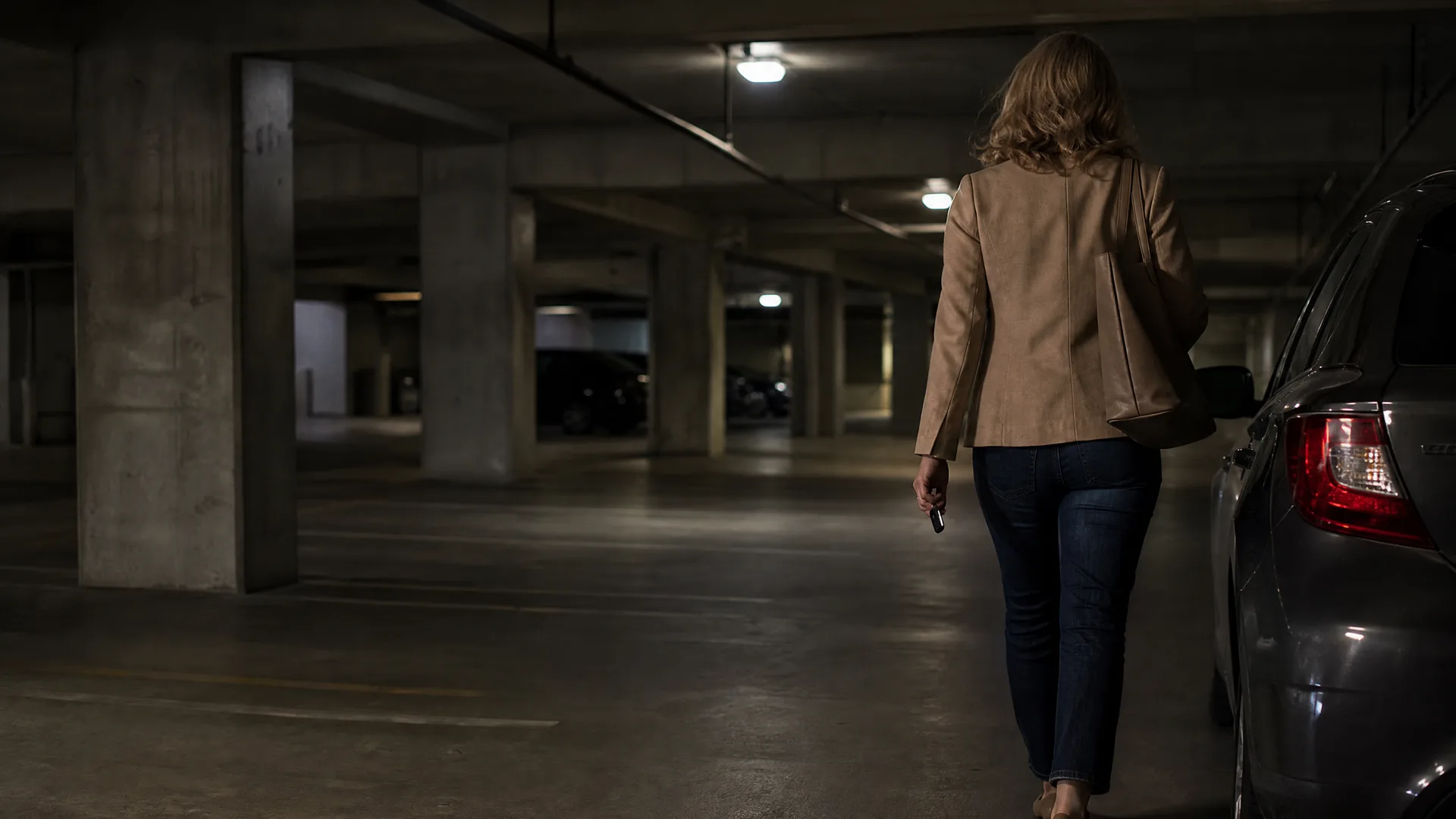
Kansas Warrant Suspension: Real Reinstatement Costs for Students
Free to compare
How to Pay Fees in the Right Sequence
Step one: contact the court that issued the warrant. Confirm the clearance fee amount and acceptable payment methods. Most Kansas municipal and district courts accept payment in person, by mail, or online through the Kansas Court Payment Center. Pay this fee first.
Step two: wait for court clearance to post. Call the Division of Vehicles Driver Solutions Team at 785-296-3671 after 7-10 business days to verify clearance status. Do not proceed to step three until clearance is confirmed.
Step three: arrange insurance and SR-22 filing if required. If your violation requires SR-22, purchase liability coverage and instruct your carrier to file electronically with Kansas. The Division of Vehicles receives electronic SR-22 filings within 24-48 hours, but processing into your reinstatement file takes an additional 3-5 business days.
Step four: pay the $100 reinstatement fee. Mail a check or money order to Kansas Department of Revenue, Division of Vehicles, P.O. Box 2386, Topeka, KS 66601-2386, or pay in person at any Kansas driver's license office. Include your driver's license number and date of birth on the payment.
Step five: confirm reinstatement. The Division of Vehicles mails a reinstatement notice within 10-14 days after receiving payment and verifying SR-22 filing if applicable. You may also verify reinstatement status online through the Kansas iKan portal or by calling Driver Solutions.
Line Up Coverage Before Your License Comes Back
Get Back on the RoadFrequently Asked Questions
Can I get my Kansas license back without paying the court fees first?
No. Kansas requires court clearance before the Division of Vehicles will accept reinstatement payment. If you pay the DMV fee before the court posts clearance to your record, the payment will be rejected and returned. Pay the court clearance fee first, wait 7-10 business days for posting, then proceed with DMV reinstatement.
Does Kansas let students get a work permit during failure-to-appear suspensions?
No. Kansas restricts work permit eligibility to first-offense DUI suspensions and certain medical suspensions. Failure-to-appear administrative suspensions do not qualify for restricted licenses, hardship licenses, or any form of limited driving privilege. You cannot legally drive until full reinstatement is complete.
How long does SR-22 filing last after reinstating a Kansas license?
Kansas requires SR-22 filing for two years from the reinstatement date for most violations. If you cancel coverage or allow your policy to lapse before the two-year period ends, your carrier notifies the Division of Vehicles and your license is re-suspended. Maintain continuous coverage for the full filing period.
What happens if I drive in Kansas while waiting for court clearance to post?
Driving on a suspended license in Kansas is a Class B misdemeanor with fines up to $1,000, potential jail time up to six months, and an extended suspension period. The offense is separate from the original violation and appears on both your criminal record and driving record. Arrange alternative transportation until reinstatement is confirmed.
Can I pay the Kansas reinstatement fee online or does it require mailing a check?
The Kansas Division of Vehicles accepts reinstatement fees by mail (check or money order) or in person at any Kansas driver's license office. Online payment is not available for reinstatement fees as of current DMV procedures. Include your driver's license number and date of birth on mailed payments to ensure proper processing.
Do I need SR-22 if my Kansas suspension was only for missing a traffic court date?
Typically no, unless the underlying violation itself requires SR-22. Failure-to-appear administrative suspensions do not independently trigger SR-22 filing requirements. However, if the warrant was issued for failure to appear on a DUI, reckless driving, or uninsured driving charge, SR-22 is required based on the original offense. Verify your specific case with the Division of Vehicles before purchasing coverage.
How much does non-owner SR-22 insurance cost for Kansas college students?
Non-owner SR-22 policies in Kansas typically cost $40-$90 per month depending on county, age, and violation history. Total two-year cost ranges $960-$2,160 plus one-time filing fees of $25-$60. Non-owner policies provide liability coverage without insuring a specific vehicle, making them the most affordable option for students who don't own cars.
Related Articles
Kansas Failure-to-Appear Reinstatement Costs Explained
5/3/2026
Kansas CDL FTA Warrant Reinstatement Costs & Fees
5/3/2026

Kansas Warrant Suspension: Court vs DMV Clearance Gap
5/3/2026
Kansas Warrant Suspension SR-22 Timing for Single Parents
5/3/2026

Kansas Ticket Suspension: Court Clearance & DMV Timing
5/3/2026
Kansas Child Support Suspension: Reinstatement Costs
5/3/2026