
WV DUI Reinstatement Costs for Single Parents: Real Numbers
Free to compare
Why West Virginia's DUI reinstatement cost structure hits single parents hardest
The WV DMV publishes a $50 base reinstatement fee on its website. Single parents read that number, assume it represents the full cost, and arrive at the DMV office unprepared for the actual financial requirement. West Virginia's Alcohol Test and Lock Program (ATLP) adds mandatory ignition interlock installation fees, monthly monitoring charges, and SR-22 filing costs that combine into a $600–$900 initial payment stack.
Most single parents operate on fixed monthly budgets where a $50 expense can be absorbed but a $900 surprise cannot. The state's fee structure disclosure is accurate in isolation but incomplete in practice. The DMV reinstatement page does not total the combined ATLP enrollment cost, the interlock installation deposit, and the SR-22 3-year filing markup into a single figure.
This opacity isn't malicious. State agencies publish fees within their jurisdiction—DMV handles reinstatement, the ATLP administrator handles interlock enrollment, carriers handle SR-22 filing. No single agency owns the combined total, so no single page discloses it. Single parents researching reinstatement requirements encounter three separate processes with three separate fee schedules and no consolidated cost summary.
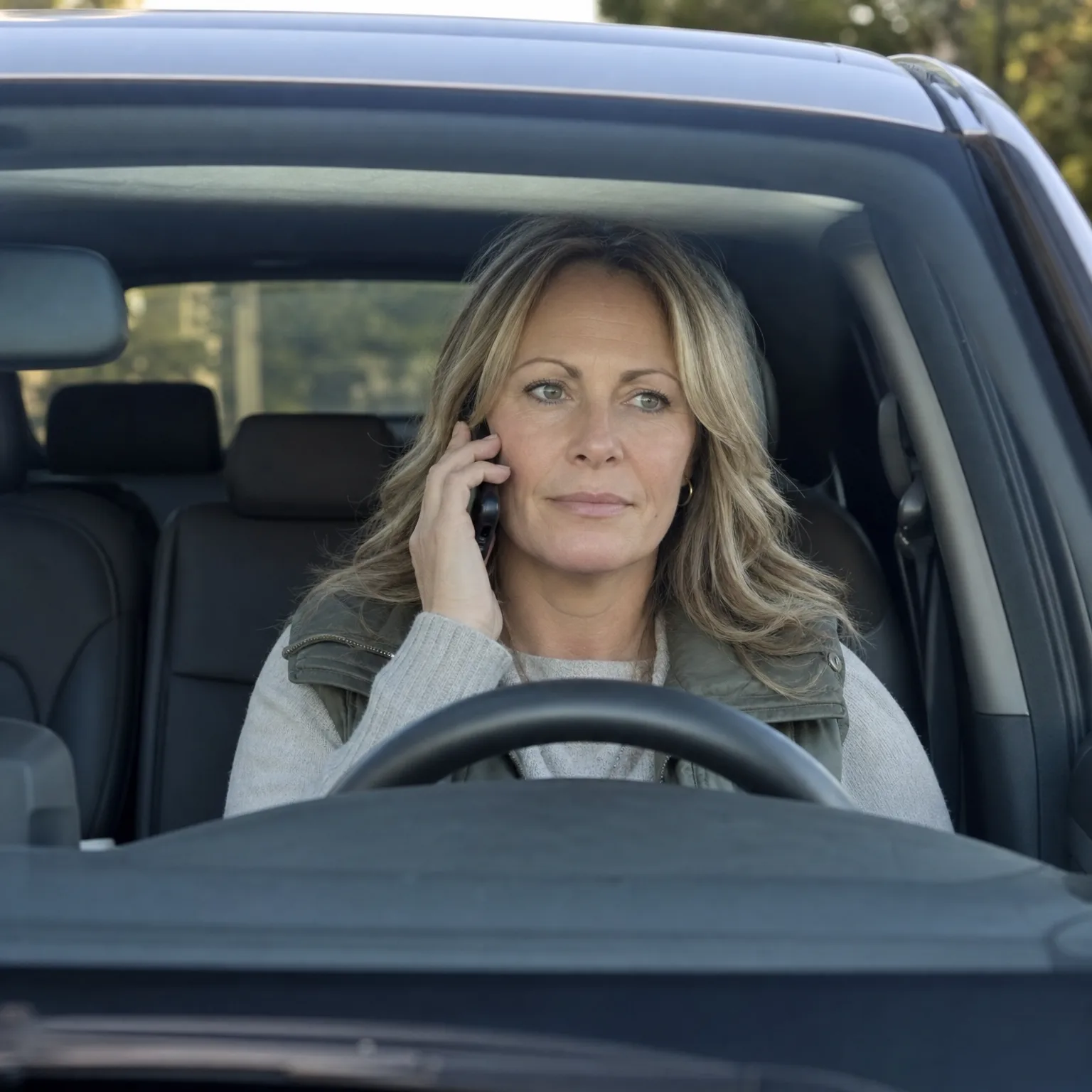
The actual reinstatement cost stack: line-by-line breakdown
West Virginia DUI reinstatement requires coordinating payment to three entities. Start with the $50 DMV base reinstatement fee, payable in person at any WV DMV office or online through the state reinstatement portal for administrative suspensions. DUI revocations require additional in-person documentation steps.
Next is ATLP enrollment. West Virginia Code §17C-5A-3a governs the restricted interlock license process. ATLP enrollment itself carries no separate state program fee, but ignition interlock device installation requires an upfront deposit and installation charge totaling $150–$250 depending on the provider approved in your county. Monthly monitoring fees run $70–$90 throughout the restricted license period but are not part of the initial outlay.
SR-22 filing is the third component. West Virginia requires 3-year SR-22 filing after DUI revocation under WV Code §17D. Carriers assess SR-22 filing fees between $15 and $35 to process the certificate submission to the DMV. The larger cost is the liability premium markup. High-risk classification after DUI increases monthly premiums from approximately $85–$140 for a standard profile to $180–$290 for post-DUI drivers. Over the 3-year filing period, this represents $3,420–$5,400 in additional premium costs, but the first month's premium—$180–$290—must be paid before the carrier files your SR-22.
Add the components: $50 reinstatement + $150–$250 interlock installation + $15–$35 SR-22 filing fee + $180–$290 first-month premium = $395–$625 minimum initial outlay. Most single parents face the higher end of this range because they carry higher liability limits to protect assets and dependents. When court-ordered DUI education program fees ($200–$350 depending on county) are factored in, the realistic total reaches $600–$900 before the license is reinstated.

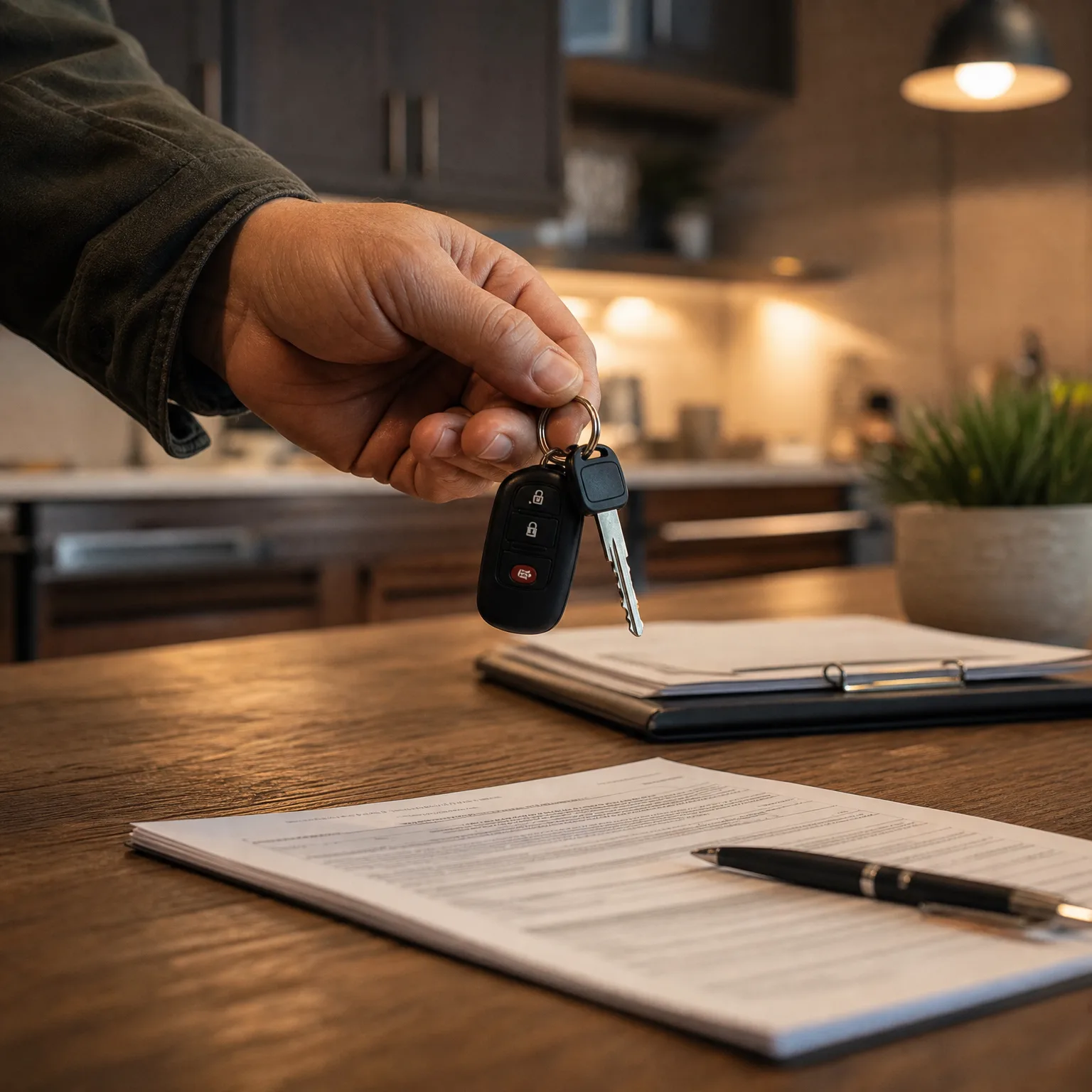
Payment sequencing: which fees must be paid before you can drive
West Virginia's ATLP process requires ignition interlock installation before SR-22 filing. You cannot file SR-22 until your IID provider submits installation verification to the DMV. This sequencing rule creates a payment order most single parents miss.
Pay the interlock installation deposit first. Schedule installation with an approved provider—Common providers in West Virginia include Intoxalock, LifeSafer, and Smart Start. Installation takes 60–90 minutes and must occur before you contact an SR-22 carrier. The provider electronically reports installation completion to the WV DMV within 24 hours.
Once installation is verified, contact an SR-22 carrier. The carrier collects the filing fee ($15–$35) and the first month's high-risk premium ($180–$290). Payment clears within 1–2 business days, then the carrier electronically files your SR-22 certificate with the DMV. Do not pay the $50 DMV reinstatement fee until your SR-22 shows active in the state system—filing reinstatement before SR-22 posts triggers a rejection and restart.
After SR-22 filing confirmation, pay the DMV reinstatement fee and submit required court clearance documentation. Most West Virginia DMV offices process same-day reinstatement if all documentation is complete. Your restricted license becomes valid immediately, but you must maintain continuous SR-22 coverage for 3 years from the reinstatement date. A single lapse triggers automatic re-suspension.

Line Up Coverage Before Your License Comes Back
Get Back on the RoadHow single parents structure payment when cash flow is constrained
The $600–$900 upfront cost cannot be deferred in installments—each entity (DMV, interlock provider, SR-22 carrier) requires payment before providing service. Single parents managing this cost use payment sequencing strategies rather than negotiating deferrals.
Some prioritize interlock installation first using tax refund timing or paycheck alignment. Installation is the longest lead-time component. Scheduling delays at popular providers run 10–20 business days in densely populated counties. Paying the installation deposit early locks your appointment and starts the verification clock.
Others split SR-22 carrier selection from policy binding. Request quotes from 4–6 carriers before the interlock installation appointment. Compare monthly premiums, filing fees, and payment plan terms. Bind the policy only after installation verification posts to avoid paying a full month's premium during the installation waiting period. Non-owner SR-22 policies are the correct product for single parents without a registered vehicle—these satisfy the 3-year filing requirement at $40–$80/month versus $180–$290 for standard policies.
Payment assistance programs exist but do not cover DMV or SR-22 costs. Some West Virginia counties offer ignition interlock subsidy programs for low-income drivers through local courts. Eligibility requires documentation of household income below 150% of federal poverty guidelines. Subsidies reduce monthly monitoring fees but typically do not waive the upfront installation deposit. Court clerks in Kanawha, Cabell, and Berkeley counties maintain referral lists for subsidy administrators.

Why the 15-day hard suspension window matters for single parents
West Virginia imposes a mandatory 15-day hard suspension period for first-offense DUI before ATLP restricted license eligibility begins. This window cannot be waived, shortened, or converted to immediate interlock eligibility. Single parents cannot drive—even with an installed interlock device—during these 15 days.
The hard suspension starts from the revocation effective date, not the conviction date or the arrest date. West Virginia Code §17C-5A-3 governs this timeline. Most revocations become effective 30 days after administrative hearing notice or guilty plea, whichever occurs first. Misunderstanding this timing causes single parents to schedule interlock installation too early, paying monthly monitoring fees during the hard suspension when the device cannot legally be used.
Schedule your interlock installation appointment for day 14 or day 15 of the hard suspension. Installation takes 60–90 minutes and verification posts within 24 hours, making you eligible for ATLP restricted license on day 16. Installing on day 5 or day 8 wastes 7–10 days of $70–$90 monthly monitoring charges because the restricted license cannot be issued until the hard suspension expires.
Single parents supporting dependents should arrange alternative transportation for the full 15-day period before beginning the reinstatement process. Employers, family members, and county transit systems represent more reliable solutions than attempting early reinstatement through procedural workarounds that do not exist under current WV law.
Finding SR-22 coverage that doesn't penalize single-income budgets
Post-DUI SR-22 premiums in West Virginia reflect the carrier's assessment of future claim risk, not a punitive surcharge. Single parents often interpret the $180–$290 monthly cost as unfair without recognizing it includes liability coverage, not just the filing requirement.
Non-owner SR-22 policies are the cost-reduction tool most single parents overlook. If you do not own a registered vehicle, a non-owner policy satisfies West Virginia's 3-year SR-22 filing requirement at $40–$80/month. This product provides liability coverage when you drive a borrowed or rented vehicle but does not insure a specific car. State Farm, Progressive, and The General write non-owner SR-22 policies in West Virginia.
Carriers assess risk differently for DUI convictions. Some weight BAC level heavily; others emphasize prior driving record or claim history. Request quotes from at least four carriers. Monthly premium variance between highest and lowest quotes typically exceeds $60–$90 for identical coverage limits. Single parents saving $75/month over the 3-year filing period recover $2,700—enough to offset the initial $600–$900 outlay within 8–12 months.
Payment plans reduce monthly cash flow pressure but increase total cost. Carriers offering monthly billing typically assess $5–$12 convenience fees per payment. Paying a 6-month term upfront eliminates these fees and qualifies for paid-in-full discounts of 5–8%. Single parents with variable income sometimes alternate: pay monthly during tight months, then prepay a 6-month term when tax refunds or bonuses arrive.
Frequently Asked Questions
Can I get a West Virginia restricted license without paying for ignition interlock installation upfront?
No. West Virginia's ATLP requires ignition interlock device installation before restricted license eligibility. The installation deposit ($150–$250) and first month's monitoring fee must be paid to the approved provider before the device is installed and verification is submitted to the DMV. Some counties offer low-income subsidy programs that reduce monthly monitoring fees but typically do not waive the upfront installation cost.
How long does SR-22 filing take to process in West Virginia after I pay the carrier?
Most carriers electronically file SR-22 certificates with the WV DMV within 1–2 business days after receiving payment. The state system updates within 24 hours of carrier submission. You can verify SR-22 filing status by calling the WV DMV at 304-926-3901 or checking your online driver record through the state reinstatement portal before paying the $50 reinstatement fee.
Does West Virginia offer payment plans for the $50 DMV reinstatement fee?
No. The WV DMV requires full payment of the $50 base reinstatement fee at the time of reinstatement application. This fee cannot be split into installments or deferred. Payment is accepted in person at DMV offices via cash, check, or card, or online through the state reinstatement portal for non-DUI administrative suspensions.
What happens if I can't afford the full reinstatement cost stack right now?
West Virginia does not defer or waive the combined reinstatement costs, but you can sequence payments over several weeks. Pay the interlock installation deposit first to schedule your appointment during the hard suspension period. Request SR-22 quotes but delay binding the policy until installation verification posts. Pay the DMV reinstatement fee last, only after SR-22 filing is confirmed active in the state system.
Will my SR-22 premium go down after the first year if I have no new violations?
Typically, yes. Most carriers reassess DUI-related premium surcharges annually. Drivers maintaining clean records for 12–24 months after reinstatement see monthly premiums decrease by 15–30%. The SR-22 filing requirement itself remains active for the full 3-year period, but the high-risk classification and associated premium markup can be reduced if you demonstrate continuous coverage and violation-free driving.
Can I use a family member's car during my restricted license period without insuring it myself?
No. West Virginia's ATLP restricted license requires you to carry your own SR-22 policy. If you drive a family member's car, you must either be listed as a driver on their policy with SR-22 endorsement added, or you must carry a non-owner SR-22 policy that provides liability coverage when driving borrowed vehicles. Driving without proper SR-22 coverage triggers automatic license re-suspension.
Related Articles
WV DUI Reinstatement Costs: Fees, SR-22, Program Charges
5/3/2026

VA DUI Reinstatement Costs for Single Parents: Full Stack
5/3/2026
WV CDL DUI Reinstatement Costs: SR-22 & Ignition Fees
5/3/2026
WV Lapse Suspension Costs for Single Parents
5/3/2026
WV DUI Reinstatement Costs for Rideshare Drivers
5/3/2026
RI DUI Reinstatement Costs: The Real Stack for Parents
5/3/2026