
WV CDL DUI Reinstatement Costs: Filing, Fees, and SR-22 Markup
Free to compare
What CDL Holders Pay to Reinstate After DUI in West Virginia
West Virginia CDL holders reinstating after DUI pay three separate cost categories: base DMV reinstatement fees, SR-22 filing and carrier premium surcharges, and mandatory ignition interlock device expenses. The base DMV reinstatement fee is $50, but DUI-specific cases carry an additional reinstatement charge that brings the total DMV cost to approximately $125-$175 depending on whether the suspension was administrative (DMV-triggered under WV Code §17C-5A) or criminal court-ordered. Most commercial drivers miss the third layer: interlock installation, monthly monitoring, and removal fees that run $900-$1,400 over the typical 12-18 month interlock period for first-offense DUI under West Virginia's Alcohol Test and Lock Program.
SR-22 filing itself costs $15-$35 as a one-time processing fee, but the real expense is the carrier premium increase. Standard DUI SR-22 filers see 150-250% rate increases. CDL holders face an additional 30-60% commercial driver underwriting penalty applied on top of the DUI surcharge. A non-commercial driver paying $140/month for liability after DUI might see $350-$490/month. A CDL holder with identical driving history and coverage limits typically pays $420-$650/month because carriers classify commercial licenses as higher institutional risk even when the DUI occurred in a personal vehicle. This commercial classification markup is not disclosed as a separate line item—it appears as a single elevated quote, and most drivers don't realize they are paying two penalties simultaneously.
West Virginia requires SR-22 filing for three years from the date of reinstatement, not from the date of conviction or suspension. If you delay reinstatement by six months, your three-year SR-22 clock starts six months later. For CDL holders, this timing matters because commercial driving opportunities often require proof of continuous coverage—gaps in SR-22 compliance during the filing period reset the clock and extend the total cost horizon. Total realistic cost to reinstate and maintain compliance for 36 months: $16,000-$24,000 when base reinstatement fees, SR-22 premiums at commercial-driver rates, and ignition interlock expenses are combined. Estimates based on available industry data; individual costs vary by carrier, BAC level, prior record, and interlock compliance history.

Why SR-22 Costs More for CDL Holders Than Non-Commercial Drivers
Carriers apply two separate underwriting penalties to CDL holders filing SR-22 after DUI. The first is the standard DUI surcharge applied to all drivers—150-250% over clean-record rates. The second is a commercial driver classification adjustment that treats your CDL as an institutional risk signal. This second penalty exists even when the DUI occurred in your personal vehicle during off-duty hours and your CDL was not involved in the incident.
The commercial markup reflects carrier actuarial models that show CDL holders as a class produce higher-severity claims when involved in at-fault incidents, regardless of which vehicle they were driving at the time of violation. Most non-standard carriers do not publish separate rate tables for CDL versus non-CDL SR-22 filers. Instead, the commercial penalty is embedded in the underwriting algorithm as a classification variable. You won't see it itemized on your quote—you'll see a single monthly premium that incorporates both the DUI penalty and the CDL penalty without distinguishing between them.
Few West Virginia CDL holders shop multiple carriers after DUI suspension because they assume all SR-22 quotes will be similar. This assumption costs them. Non-standard carriers that specialize in high-risk commercial auto (Bristol West, The General, National General) often apply lower CDL classification penalties than standard carriers expanding into SR-22 coverage as a side product. The difference between the highest and lowest SR-22 quote for the same CDL holder can exceed $200/month—$7,200 over the three-year filing period. The only way to identify which carrier applies the lowest commercial markup is to request quotes from at least three non-standard carriers and compare identical coverage limits side by side.

West Virginia Ignition Interlock Costs CDL Holders Often Miss
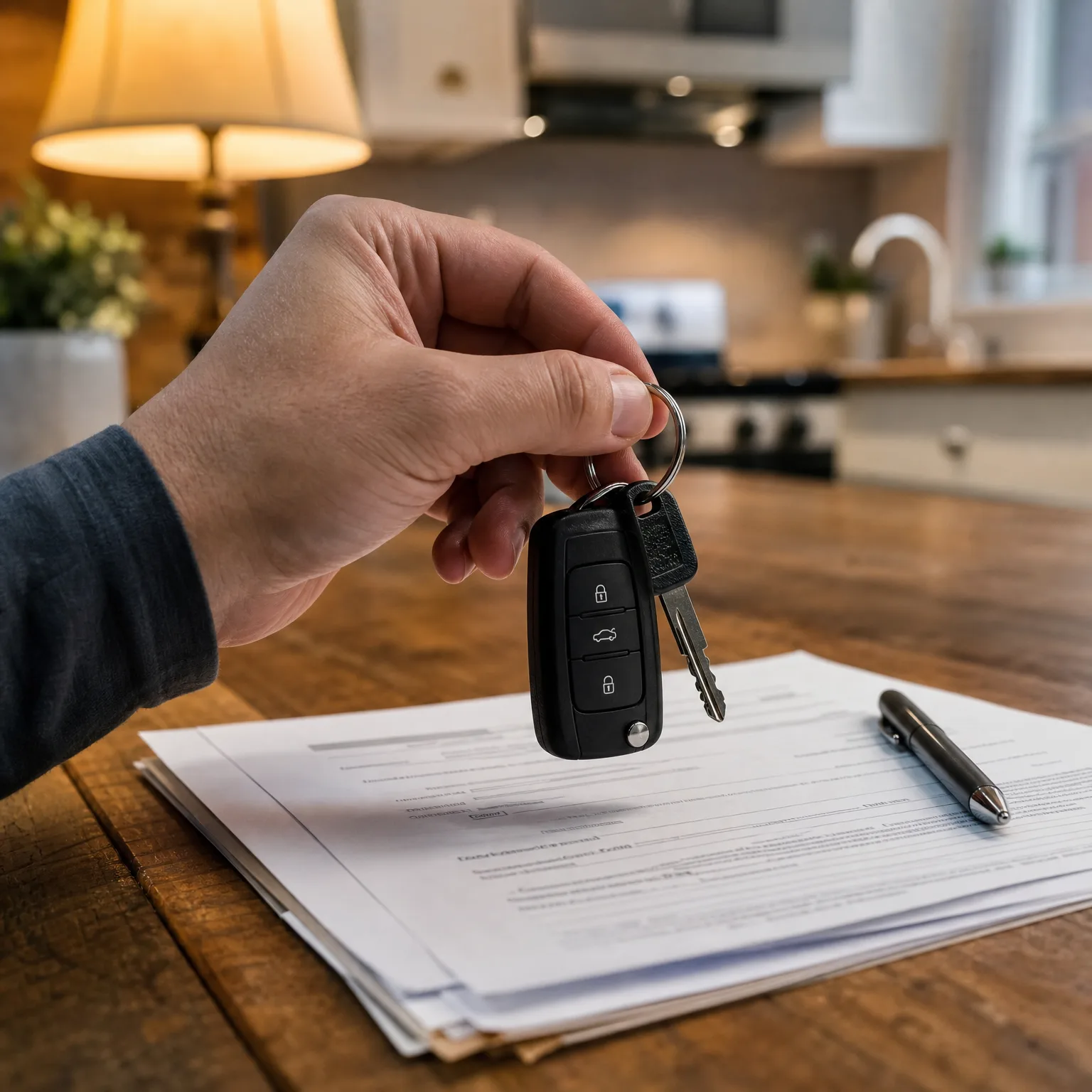
West Virginia's Alcohol Test and Lock Program mandates ignition interlock installation as a condition of obtaining a restricted license after DUI suspension. CDL holders face the same interlock requirement as non-commercial drivers, but interlock vendors charge higher installation and calibration fees for vehicles with diesel engines, air brake systems, or fleet-management electronics common in commercial trucks. Standard passenger-vehicle interlock installation runs $75-$150. Commercial vehicle installation often runs $200-$350 because technicians must interface the device with more complex electrical and ignition systems.
Monthly monitoring and calibration fees are $70-$90 regardless of vehicle type, but CDL holders operating both a personal vehicle and a commercial vehicle must install interlock in both vehicles if they intend to drive either during the restricted license period. West Virginia law prohibits operating any motor vehicle without an installed and functioning interlock once you are enrolled in the ATLP. If your employer allows you to drive a company truck during the interlock period, that truck must have an interlock installed and your employer must consent in writing. Most employers do not consent, which means CDL holders lose commercial driving income entirely during the 12-18 month interlock period even if they successfully obtain a restricted license for personal driving.
Removal fees run $50-$100 per vehicle. Total interlock cost for a CDL holder installing in one personal vehicle over 18 months: approximately $1,400-$1,750 (installation + 18 months monitoring at $80/month average + removal). If interlock must be installed in two vehicles, double the installation and removal fees and add the monitoring cost for both devices. West Virginia interlock vendors do not offer CDL-specific discounts, and the state does not subsidize interlock costs for commercial drivers. These expenses are in addition to SR-22 premiums and DMV reinstatement fees, and they are non-negotiable—failing to maintain interlock compliance results in immediate revocation of your restricted license and restarts your suspension clock from zero.

Line Up Coverage Before Your License Comes Back
Get Back on the RoadHow the Three-Year SR-22 Filing Period Affects CDL Holders Differently
West Virginia requires three years of continuous SR-22 filing from the date you reinstate your license, not from the date of conviction. For CDL holders, this filing period creates two practical problems most non-commercial drivers do not face. First, many CDL employment contracts and fleet insurance policies require proof of continuous personal auto liability coverage at limits higher than West Virginia's statutory minimums. SR-22 filing typically certifies 25/50/25 liability limits (West Virginia's minimum), but fleet underwriters often require 100/300/100 or higher. You must maintain SR-22 at or above your employer's required limits for the entire three-year period, which increases monthly premiums by $40-$80 over minimum-limit SR-22 policies.
Second, any lapse in SR-22 coverage during the three-year filing period—even a single day—triggers an automatic license suspension and restarts the filing clock. West Virginia's electronic insurance verification system notifies the DMV within 24-48 hours when your carrier cancels or fails to renew your SR-22 policy. CDL holders who lose employment mid-filing period and cancel their personal auto policy to save money create an SR-22 gap that suspends their license again. The correct approach is to convert to a non-owner SR-22 policy if you no longer own a vehicle, not to cancel coverage entirely. Non-owner SR-22 policies cost $40-$90/month and satisfy the state's filing requirement without requiring vehicle ownership.
The three-year filing period also affects commercial driver job prospects. Most fleet carriers run MVR checks during hiring and screen out applicants with active SR-22 filings because their commercial auto insurance underwriters apply surcharges to any driver with an SR-22 on file. Even after you complete the filing period, the underlying DUI conviction remains on your West Virginia driving record for 10 years and continues to affect commercial insurability and CDL employment eligibility. SR-22 compliance resolves the state's reinstatement requirement—it does not erase the DUI or restore your clean-record insurance rates.
When to File SR-22 in the West Virginia CDL Reinstatement Sequence
West Virginia requires ignition interlock installation before SR-22 filing for DUI reinstatements. Most states allow simultaneous filing, but West Virginia's DMV will not process your reinstatement application until your interlock provider submits electronic verification that a device has been installed and is active. File SR-22 before interlock installation and your reinstatement will be rejected, forcing you to refile and pay a second processing fee.
The correct sequence: (1) Complete court-ordered DUI education or treatment program and obtain a completion certificate. (2) Contact a state-certified interlock vendor and schedule installation. (3) After installation, obtain the interlock compliance certificate from your vendor. (4) Request SR-22 filing from your insurance carrier. (5) Submit reinstatement application, court completion certificate, interlock compliance certificate, SR-22 proof, and reinstatement fees to the WV DMV. Processing time after submission is typically 10-15 business days if all documents are correct.
CDL holders must also decide whether to reinstate their commercial license immediately or delay CDL reinstatement until after the restricted license and interlock period. West Virginia allows you to reinstate a Class D (non-commercial) license under the ATLP while leaving your CDL suspended. This strategy reduces reinstatement costs if you do not have immediate commercial driving employment lined up, because you avoid paying the higher SR-22 premiums associated with active CDL classification. Once the interlock period ends and you are eligible for full unrestricted license reinstatement, you can apply to reinstate the CDL separately. Consult the WV DMV Commercial Driver License Division before choosing this path—some CDL endorsements require retesting if the CDL remains suspended beyond a certain period.

What SR-22 Filing Does Not Cover for CDL Holders
SR-22 filing proves you carry liability insurance at West Virginia's minimum required limits. It does not satisfy federal Motor Carrier Safety Administration requirements if you intend to drive commercially. FMCSA regulations require commercial drivers to carry commercial auto liability coverage through their employer or as owner-operators—personal auto SR-22 policies do not meet this requirement and cannot be substituted.
SR-22 also does not restore your CDL's hazmat, tanker, or passenger endorsements. West Virginia automatically disqualifies CDL holders from holding a hazmat endorsement for a minimum of seven years after a DUI conviction under federal Transportation Security Administration rules. Even after you complete SR-22 filing and full license reinstatement, you cannot reinstate a hazmat endorsement until the seven-year disqualification period expires. Passenger and school bus endorsements are suspended during any DUI-related license suspension and require retesting and background rechecks before reinstatement.
Finally, SR-22 filing satisfies West Virginia's state reinstatement requirement but does not prevent your employer's fleet insurance carrier from applying surcharges or refusing coverage. Most commercial auto insurers exclude drivers with active SR-22 filings or DUI convictions within the past three years. If you are an owner-operator, expect commercial auto liability quotes to increase 200-400% after DUI, and expect some carriers to decline coverage entirely. SR-22 gets your personal license back—it does not guarantee commercial insurability or employment eligibility. Verify your employer's fleet insurance policy and MVR requirements before assuming reinstatement alone will return you to commercial driving work.
Frequently Asked Questions
Does a DUI in my personal car suspend my CDL in West Virginia?
Yes. West Virginia suspends your CDL after a DUI conviction in any vehicle, personal or commercial, under WV Code §17E-1-13. The suspension applies to all license classes you hold. You cannot drive commercially during the suspension period even if the DUI occurred off-duty in your personal vehicle.
Can I get a CDL hardship license in West Virginia after DUI?
No. West Virginia's Alcohol Test and Lock Program issues restricted licenses for personal (Class D) driving only. CDL holders cannot obtain a restricted commercial license during DUI suspension. You may apply for a restricted Class D license to drive your personal vehicle to work, but you cannot operate commercial vehicles until full reinstatement.
How much does SR-22 insurance cost per month for CDL holders in West Virginia?
CDL holders typically pay $420-$650/month for SR-22 liability coverage after DUI in West Virginia. This reflects both the standard DUI surcharge (150-250% over clean rates) and an additional 30-60% commercial driver classification penalty. Non-commercial drivers with identical records pay $350-$490/month for the same coverage limits.
Do I need SR-22 if I only want to reinstate my personal license, not my CDL?
Yes. SR-22 filing is required to reinstate any West Virginia driver license after DUI suspension, regardless of license class. If you choose to reinstate only your Class D (personal) license and leave your CDL suspended, you still must file SR-22 and maintain it for three years from your reinstatement date.
Can I drive a company truck during my ignition interlock period in West Virginia?
Only if your employer consents in writing and installs an interlock device in the company vehicle. West Virginia prohibits you from operating any motor vehicle without interlock once enrolled in the ATLP. Most employers do not consent because interlock installation in commercial trucks costs $200-$350 and creates liability exposure.
How long does the West Virginia DMV take to process CDL reinstatement after DUI?
Approximately 10-15 business days after you submit all required documents: court completion certificate, interlock compliance certificate, SR-22 proof, and reinstatement fees. Processing delays occur if any document is missing or if your SR-22 filing has not been electronically verified by the DMV's insurance verification system before you apply.
Will my SR-22 filing show up on background checks for CDL jobs?
SR-22 filing itself does not appear on your Motor Vehicle Record, but the underlying DUI conviction does. Fleet carriers run MVR checks during hiring and screen out applicants with DUI convictions within the past 3-5 years. Some carriers also query insurance databases that show active SR-22 filings and apply underwriting surcharges or deny coverage to drivers with SR-22 on file.
Related Articles

WV DUI Reinstatement Costs: Fees, SR-22, Program Charges
5/3/2026

WV CDL Insurance Lapse: Reinstatement Cost Breakdown
5/3/2026

WV DUI Reinstatement Costs for Rideshare Drivers
5/3/2026

WV CDL Reinstatement After Warrant: True Cost Stack
5/3/2026
DC CDL DUI Reinstatement Costs: Fees & SR-22 Markup
5/3/2026

WV DUI Reinstatement Costs: Real Numbers Single Parents Face
5/3/2026